
Symptom
Dry skin around mouth – when the skin pushes back
It often starts as tightness, flaking or tiny red patches right around the mouth. Sometimes it stings after toothpaste, sometimes it flares from saliva, cold weather or too many products. Whatever the pattern, this is skin trying to tell you something.

Is it really just dry skin around mouth?
What looks like dry skin around mouth can actually be perioral dermatitis, an inflammatory pattern often linked to a damaged skin barrier. When the barrier leaks, water escapes more easily, the skin gets more reactive and small bumps can begin to collect in a ring-like pattern around the mouth.
External triggers are common: harsh cleansing, frequent exfoliation, fluoride toothpaste, lip balms smeared beyond the lip line and cold, dry air. This is not skin that needs more force; it needs less friction. Mainstream advice often says “cleaner, stronger, faster”, but around the mouth that usually means more stress, not less.
Internal factors matter too: stress, poor sleep and a body already running hot can all make the area more reactive. Research points to the skin barrier, microbiome and immune response working together. We do not diagnose, but we do help you read the signals and reduce what keeps feeding the flare.
Here’s what to do – starting today
Strip it back
Pause acids, scrubs and strong actives around the mouth for a few weeks. This zone is often overstimulated, not under-treated. Fewer steps make it easier to spot the real trigger.
Switch toothpaste wisely
If you suspect a fluoride reaction, try a milder toothpaste with less bite and no unnecessary foaming. Keep it off the skin as much as possible, and rinse the corners of the mouth well after brushing.
Cleanse gently
Choose a cleanser that removes the day without leaving your skin tight. Au Naturel Makeup Remover uses MCT oil for a mild cleanse, skipping that squeaky-clean feeling that often makes dryness worse.
Treat the mouth zone separately
Think zoning: the skin around the mouth is its own little territory. Don’t drag face products over the lip line, and keep the routine simple enough that the area can settle instead of react.
Watch the pattern
If the rash becomes ring-shaped, burns, spreads or keeps returning despite simplifying your routine, book a doctor or dermatologist. Go sooner if you notice oozing, strong redness or clear pain.

How to actually solve it
The long game is to give the mouth area a chance to stop defending itself all the time. The DUO kit can be a calm choice when the surface feels reactive: The ONE helps keep skin soft and balanced, while I LOVE adds CBG for a more settled look. Not magic, just a steadier baseline.
When you need to cleanse, keep it mild. Au Naturel is made for removing dirt, SPF and the day’s buildup without scrubbing the area into more irritation. Over-cleansing is often the reason dry skin around mouth never gets a real chance to calm down.
And don’t forget the inside. Fungtastic Mushroom Extract is an oral supplement with chaga, reishi, lion’s mane and cordyceps for those who want to support immune function and gut health in one go. For many people, the mouth area is just the skin’s loudest warning light: when the body is less stressed, the skin often follows.
Products we recommend

 Save €34
DUO kit
Two face oils, one for morning and one for evening. Simple skincare that works with your skin, not against it.
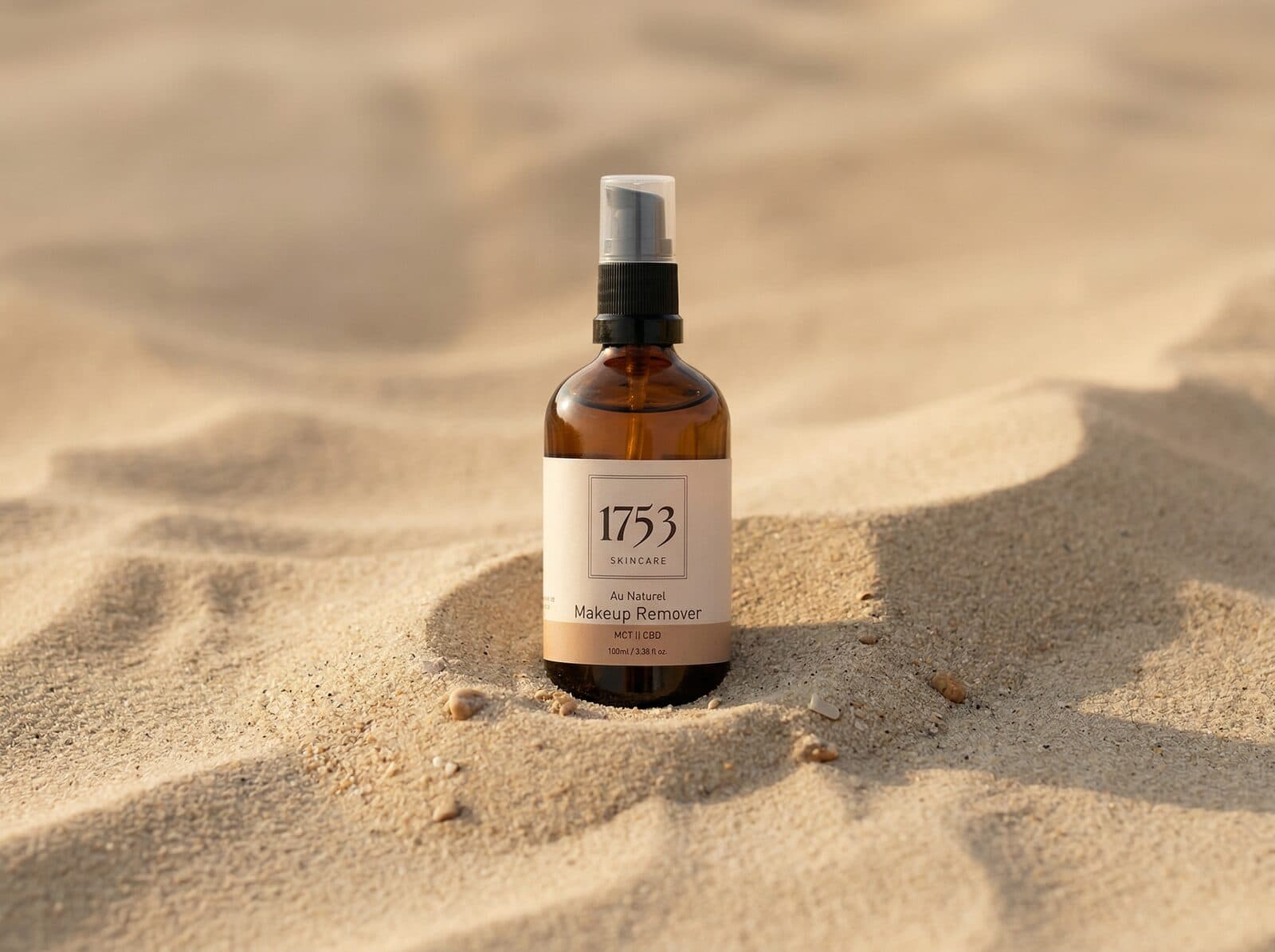

Au Naturel Makeup Remover
A cleansing oil with MCT and CBD that removes makeup and buildup without stripping your skin bare.
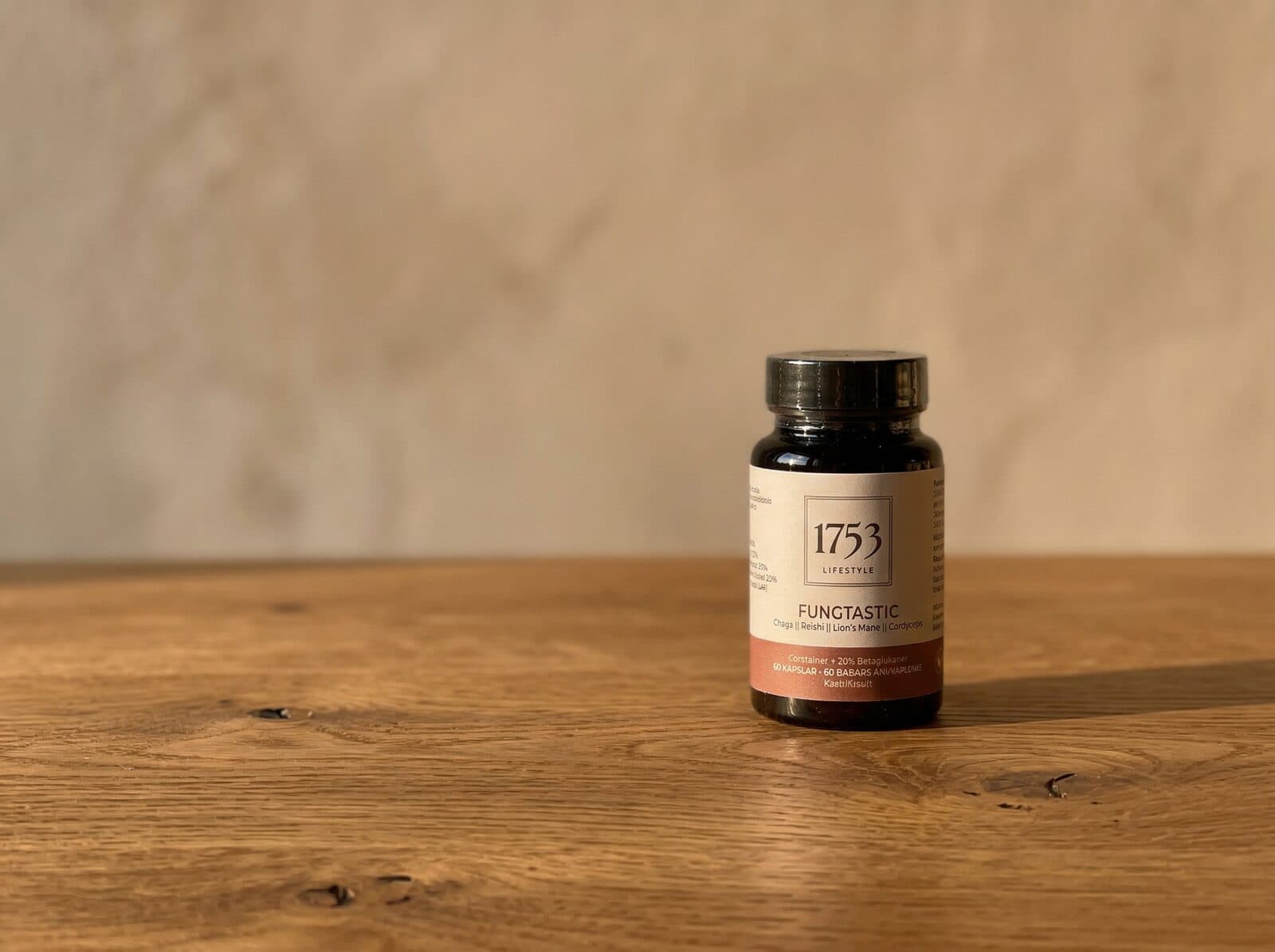

Fungtastic Mushroom Extract
Four mushrooms in one formula to support immunity, focus, energy and sleep from within.
Frequently asked questions
Is dry skin around mouth always perioral dermatitis?
No, but it can be. Dryness, stinging and small bumps around the mouth may also come from irritation, a fluoride reaction or saliva and lip products leaking onto the skin. If it keeps coming back or forms a ring-like pattern, get it checked.
Can toothpaste really cause this?
Yes, for some people. Fluoride, strong flavourings and foaming agents can irritate the delicate mouth zone, especially when the barrier is already compromised. That does not mean toothpaste is bad, only that this area can be unusually sensitive.
Should I apply lots of product to fix the dryness?
Not necessarily. Too many layers can worsen perioral dermatitis and make the skin more reactive. Keep it simple, local and calm: gentle cleansing, fewer products and no overflow onto the lip line.
When should I see a doctor?
See a doctor if the rash spreads, burns, oozes, becomes very red or does not improve after simplifying your routine. If you are unsure, it is better to get a proper assessment than keep guessing.
Sources
- Byrd AL, Belkaid Y, Segre JA. The human skin microbiome. Nat Rev Microbiol 2018;16(3):143–155.
- Salem I, Ramser A, Isham N, Ghannoum MA. The Gut Microbiome as a Major Regulator of the Gut-Skin Axis. Front Microbiol 2018;9:1459.
- Chen Y, Lyga J. Brain-skin connection: stress, inflammation and skin aging. Inflamm Allergy Drug Targets 2014;13(3):177–190.
Article reviewed by Christopher Genberg, founder of 1753 SKINCARE.
Related articles
SYMPTOM
Itchy skin – why nights make it worse
You finally lie down, and then it starts. The itch that was manageable all day suddenly takes over y...
Symptom
Flaky skin – when your skin starts shedding
When skin starts lifting in little flakes, it’s tempting to assume it needs a stronger cleanser, ano...
Symptom
Dry skin around nose – when the flakes won’t quit
It often starts with tightness, tiny flakes, or a red edge beside the nostrils. Then the area looks ...
Skin Barrier
Skin microbiome – why balance changes everything
Your skin is not sterile. It’s an ecosystem where trillions of microbes help keep the barrier strong...
Condition
Hormonal acne – why it keeps coming back
Deep breakouts around the chin, jaw and lower face are rarely just “bad skin.” More often, they’re a...
Skin Condition
Seborrheic dermatitis – why skin flakes
Red, flaky, stubborn. Seborrheic dermatitis loves the places where skin is richest in sebum: the T-z...