
Symptom
Dry skin around nose – when the flakes won’t quit
It often starts with tightness, tiny flakes, or a red edge beside the nostrils. Then the area looks both dry and irritated, sometimes even a little shiny. It’s common, and it does not mean your skin needs harsher cleansing or more active ingredients.

Is it really just dry skin around the nose?
Not always. If the skin around your nose sheds in a dandruff-like pattern, feels greasy but tight, or keeps flaring in oil-prone areas, it may point to a seborrheic tendency. That’s where malassezia comes in: a yeast that naturally lives on skin, but can contribute to irritation when the barrier is stressed.
This zone is a bit special. The nostril area sits close to a sebaceous groove and is part of the oilier T-zone, so skin there can be shiny and flaky at the same time. Many people try to fix that with strong cleansers, acids, or constant exfoliation, but that often strips the barrier further and makes the cycle louder.
We do not diagnose, but we can help you read the pattern. If you also have cracks, oozing, strong redness, or symptoms that never settle, it’s worth seeing a clinician. Otherwise, the real move is usually balance, not punishment.
What to do today
Cleanse gently
Choose a cleanser that removes dirt without leaving the skin bare. Au Naturel Makeup Remover with MCT oil can lift SPF and grime without adding more stress.
Stop picking flakes
Hands off the flakes. Mechanical irritation often makes the area angrier and the nose pattern more obvious.
Cut back on actives
Pause strong acids, scrubs, and stacked serums. Skin that is already reactive usually needs fewer steps, not more intensity.
Think oil, not only dryness
If the area is both shiny and flaky, the skin ecosystem is likely off balance. Aim for calm and barrier support instead of drying it out.
Zoom out
Sleep, stress, winter air, and tight hats can all play a role. When the body is under pressure, the nose area often shows it first.

How to actually solve it
For dry skin around the nose, the goal is not the cleanest skin possible, but the calmest. Start with Au Naturel Makeup Remover when you need a gentle cleanse that won’t leave the area stripped. Over-cleansing is often what makes oily, flaky zones act even more dramatic.
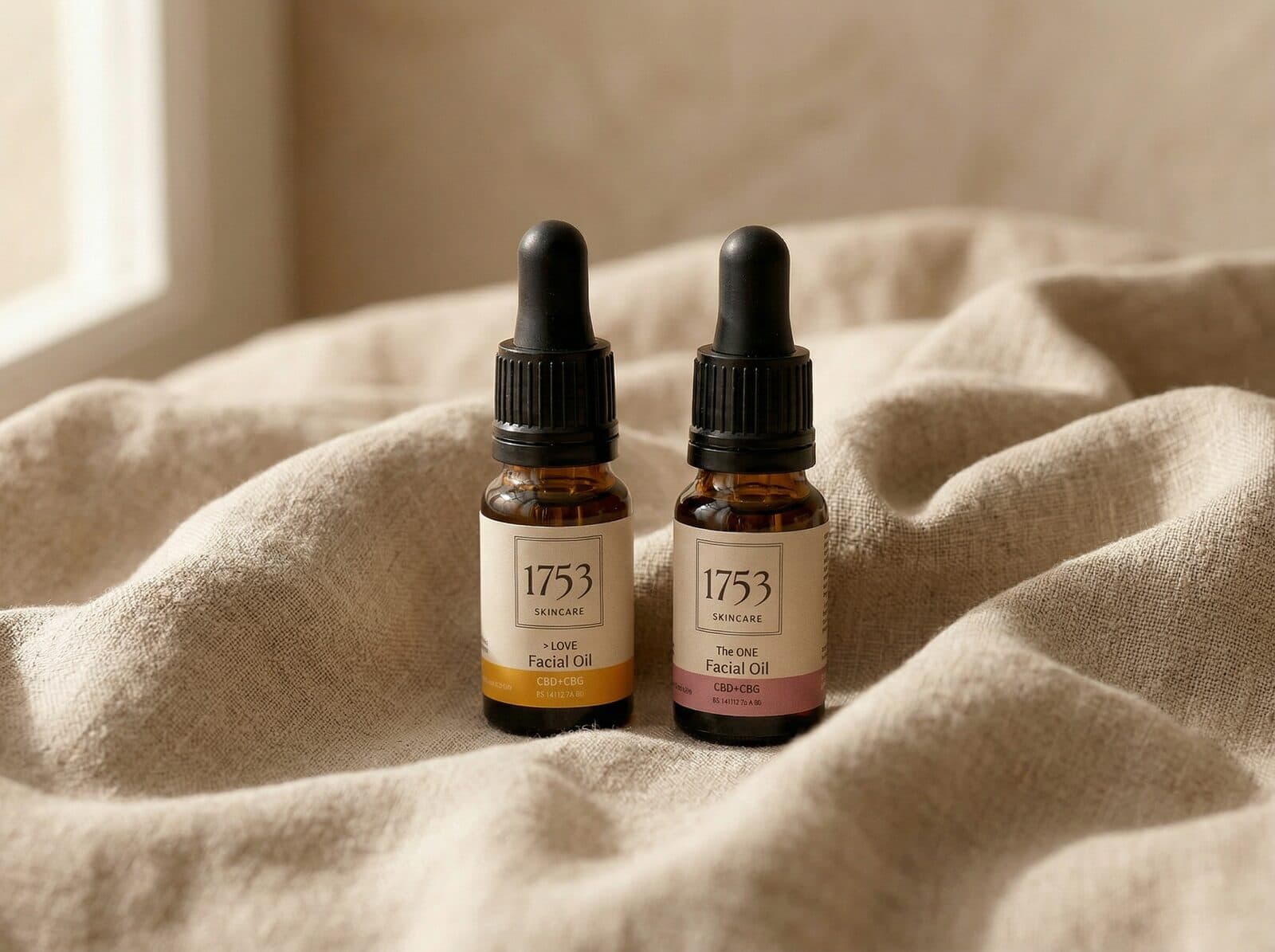
Then support the surface with the DUO kit: The ONE and I LOVE. Together they give you a full cannabinoid spectrum that can help skin settle when it feels seborrheic, red, and easily triggered. In a spot where flakes and oil tend to return, calm usually beats force over time.
If you want to think beyond the surface, Fungtastic Mushroom Extract can be an oral add-on to your routine. With chaga, reishi, lion’s mane, and cordyceps, it’s a simple way to support immunity and gut health from within, because skin reactivity is rarely only a skin story. Less system stress, less nose drama.
Products we recommend
 Save €34
DUO kit
Two face oils, one for morning and one for evening. Simple skincare that works with your skin, not against it.
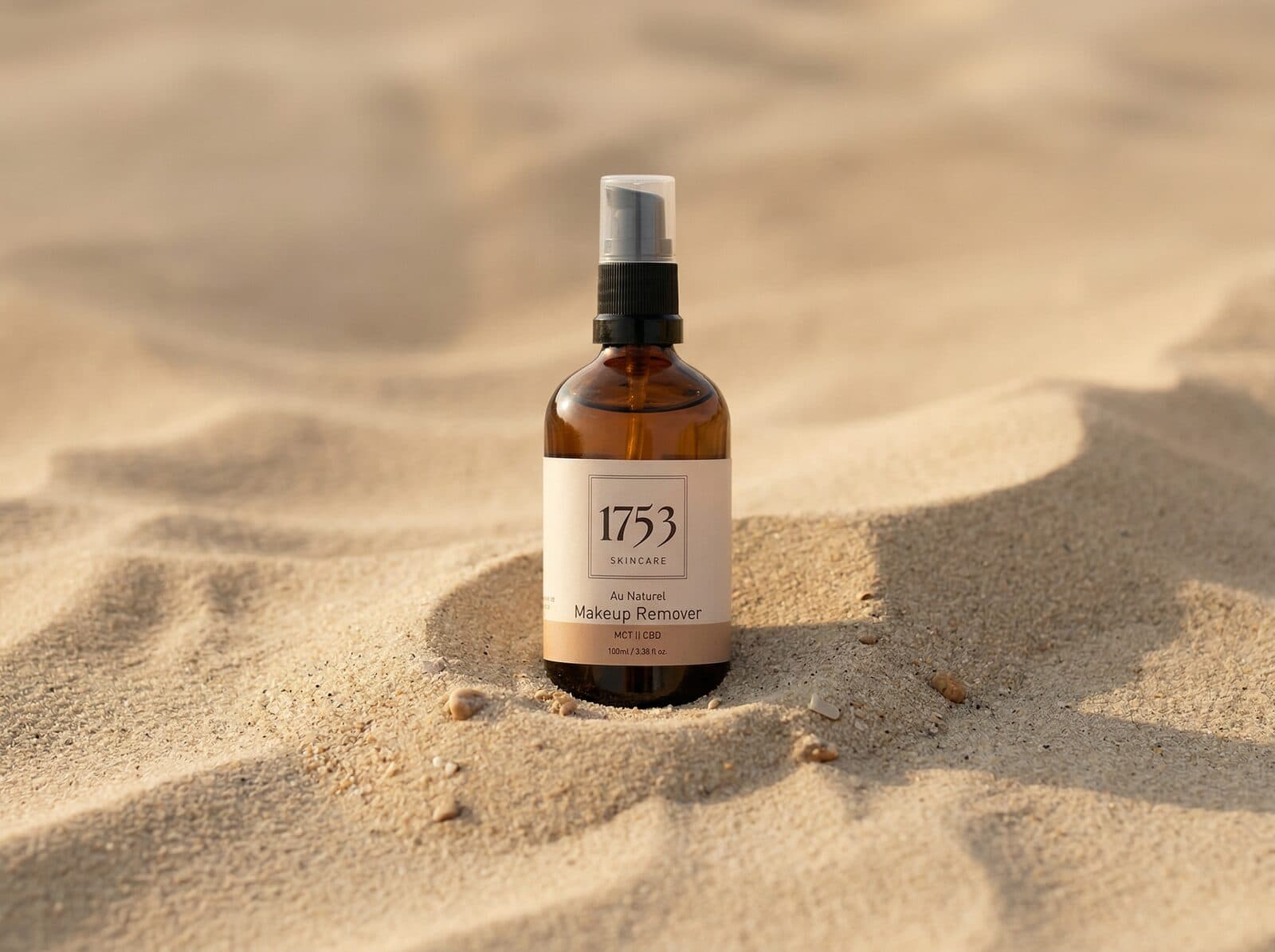
Au Naturel Makeup Remover
A cleansing oil with MCT and CBD that removes makeup and buildup without stripping your skin bare.
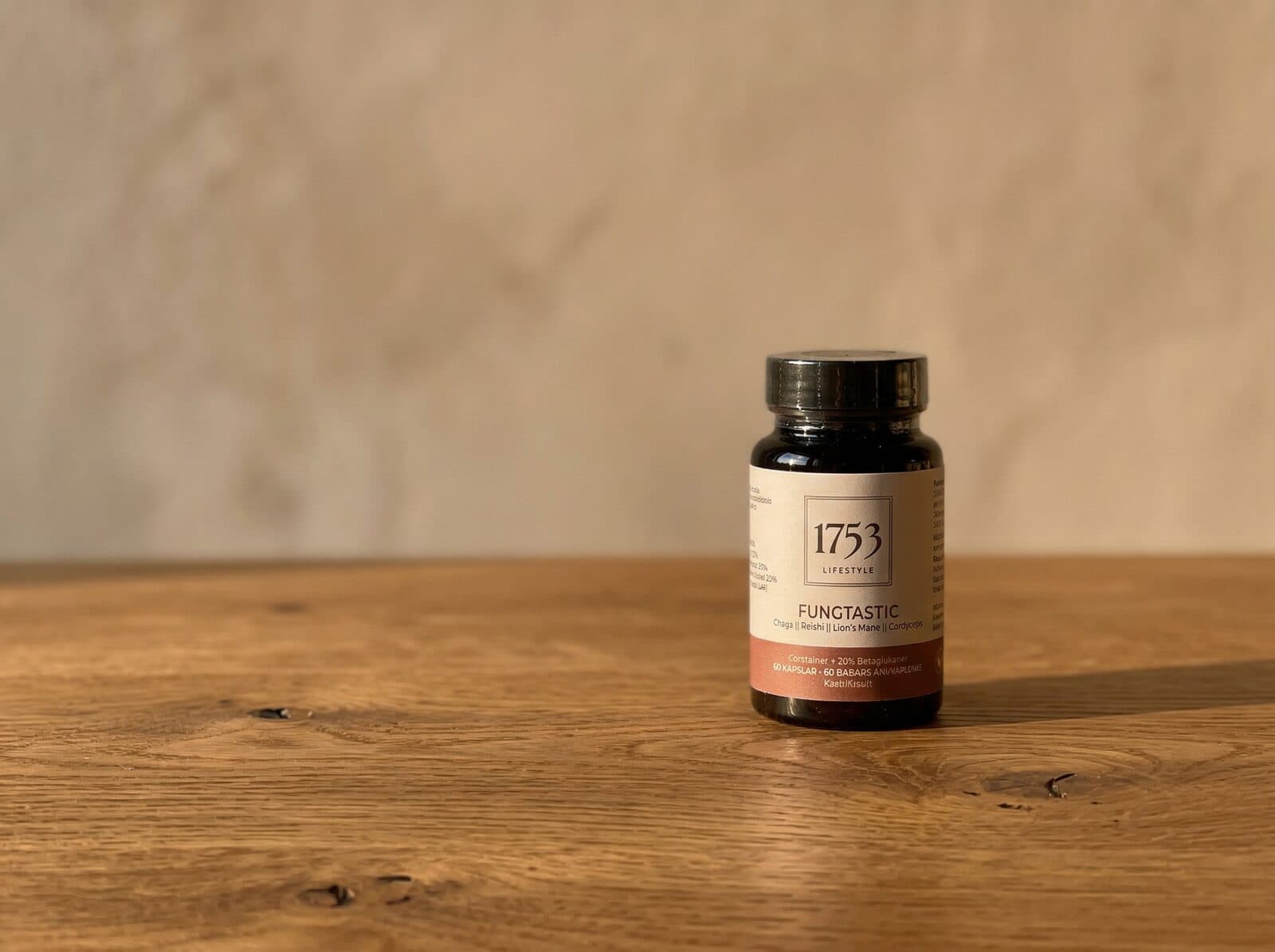

Fungtastic Mushroom Extract
Four mushrooms in one formula to support immunity, focus, energy and sleep from within.
Frequently asked questions
Is dry skin around the nose always eczema?
No. It can also be seborrheic skin, product irritation, or a pattern linked to oil-prone areas. If it keeps coming back, hurts, or spreads, get it checked.
Why does cleansing make it worse?
Harsh cleansing can disrupt the barrier and make skin more reactive. Then the nose feels both drier and oilier, which pushes people into even more cleansing.
Should I exfoliate the flakes off?
Usually not. When the skin is already shedding in a dandruff-like pattern, physical or chemical exfoliation often adds more irritation than relief.
When should I see a doctor?
See a doctor if you get cracks, significant redness, oozing, pain, or symptoms that don’t calm down with a gentler routine. You need a proper assessment, not guesswork.
Sources
- Byrd AL, Belkaid Y, Segre JA. The human skin microbiome. Nat Rev Microbiol 2018;16(3):143–155.
- Salem I, Ramser A, Isham N, Ghannoum MA. The Gut Microbiome as a Major Regulator of the Gut-Skin Axis. Front Microbiol 2018;9:1459.
- Chen Y, Lyga J. Brain-skin connection: stress, inflammation and skin aging. Inflamm Allergy Drug Targets 2014;13(3):177–190.
Article reviewed by Christopher Genberg, founder of 1753 SKINCARE.
Related articles
SYMPTOM
Itchy skin – why nights make it worse
You finally lie down, and then it starts. The itch that was manageable all day suddenly takes over y...
Symptom
Flaky skin – when your skin starts shedding
When skin starts lifting in little flakes, it’s tempting to assume it needs a stronger cleanser, ano...
Symptom
Dry skin around mouth – when the skin pushes back
It often starts as tightness, flaking or tiny red patches right around the mouth. Sometimes it sting...
Skin Barrier
Skin microbiome – why balance changes everything
Your skin is not sterile. It’s an ecosystem where trillions of microbes help keep the barrier strong...
Condition
Hormonal acne – why it keeps coming back
Deep breakouts around the chin, jaw and lower face are rarely just “bad skin.” More often, they’re a...
Skin Condition
Seborrheic dermatitis – why skin flakes
Red, flaky, stubborn. Seborrheic dermatitis loves the places where skin is richest in sebum: the T-z...