
Symptom
Flaky skin – when your skin starts shedding
When skin starts lifting in little flakes, it’s tempting to assume it needs a stronger cleanser, another acid, or a more aggressive fix. But flaky skin is often a sign of a barrier under stress: dry, irritated, or simply overworked. Here’s what may be behind it – and how to calm it without making things worse.

What is your skin really asking for?
Flaky skin often means the outer layer is no longer holding together the way it should. In skin language, that’s increased desquamation – dead cells are shedding too fast, too unevenly, or in visible sheets. When the barrier weakens, TEWL (transepidermal water loss) rises, so water escapes faster than the skin can retain it.
Triggers are usually a mix of cold weather, wind, dry indoor air, over-exfoliation, a retinol peel, harsh cleansers, and too many actives on a skin that is already irritated. The mainstream advice to keep “treating” skin often misses the point: if the barrier is inflamed, more force usually means more flaking.
Dehydration can amplify everything, as can friction from towels, masks, collars, or just constant touching. If the flaking is sudden, painful, very itchy, spreading, or comes with cracks, sores, or a rash, get medical advice. We don’t diagnose – we help skin settle down.
What to do today
Pause the acids
Stop scrubs, peels, and strong exfoliants for a few days. Flaky skin usually needs less pressure, not more. Give the barrier room to recover before bringing actives back.
Cleanse more gently
Choose a cleanser that doesn’t leave skin tight and squeaky. Use lukewarm water, a short cleanse, and minimal rubbing. Skin that flakes does not need to be stripped into silence.
Turn down the heat
Hot showers, saunas, and overheated rooms can push dehydration further. Dial it back a little and see if your skin feels less tight afterwards. Small changes often beat more products.
Hydrate with intent
Apply a simple, calming routine while skin is still slightly damp after cleansing. The goal is to support the barrier and reduce TEWL, not to stack unrelated actives on top.
Look at the whole picture
Stress, poor sleep, and inconsistent eating can show up on the skin first. Flaking is sometimes the body’s way of saying the system is overloaded, not just the face.

How to actually fix the pattern
The sensible answer to flaky skin is not to fight it, but to bring the barrier back into a calmer rhythm. The DUO kit with The ONE and I LOVE is made to soothe the surface and support skin that has lost its balance. CBD and CBG make sense when skin feels reactive, tight, and too easy to set off.
For cleansing, Au Naturel Makeup Remover is the obvious swap when skin is already flaking. The MCT oil cleanses gently without leaving skin stripped, which is exactly what you want when the barrier is leaking moisture. No drama, no over-cleansing, no self-inflicted damage.
And if the skin issue seems connected to a bigger internal pattern – stress, sluggish recovery, an uneasy gut, low resilience – Fungtastic Mushroom Extract can be a natural support for immunity and the gut from within. Flaky skin doesn’t always start on the face. Often, it starts in a body that hasn’t had enough rest.
Products we recommend
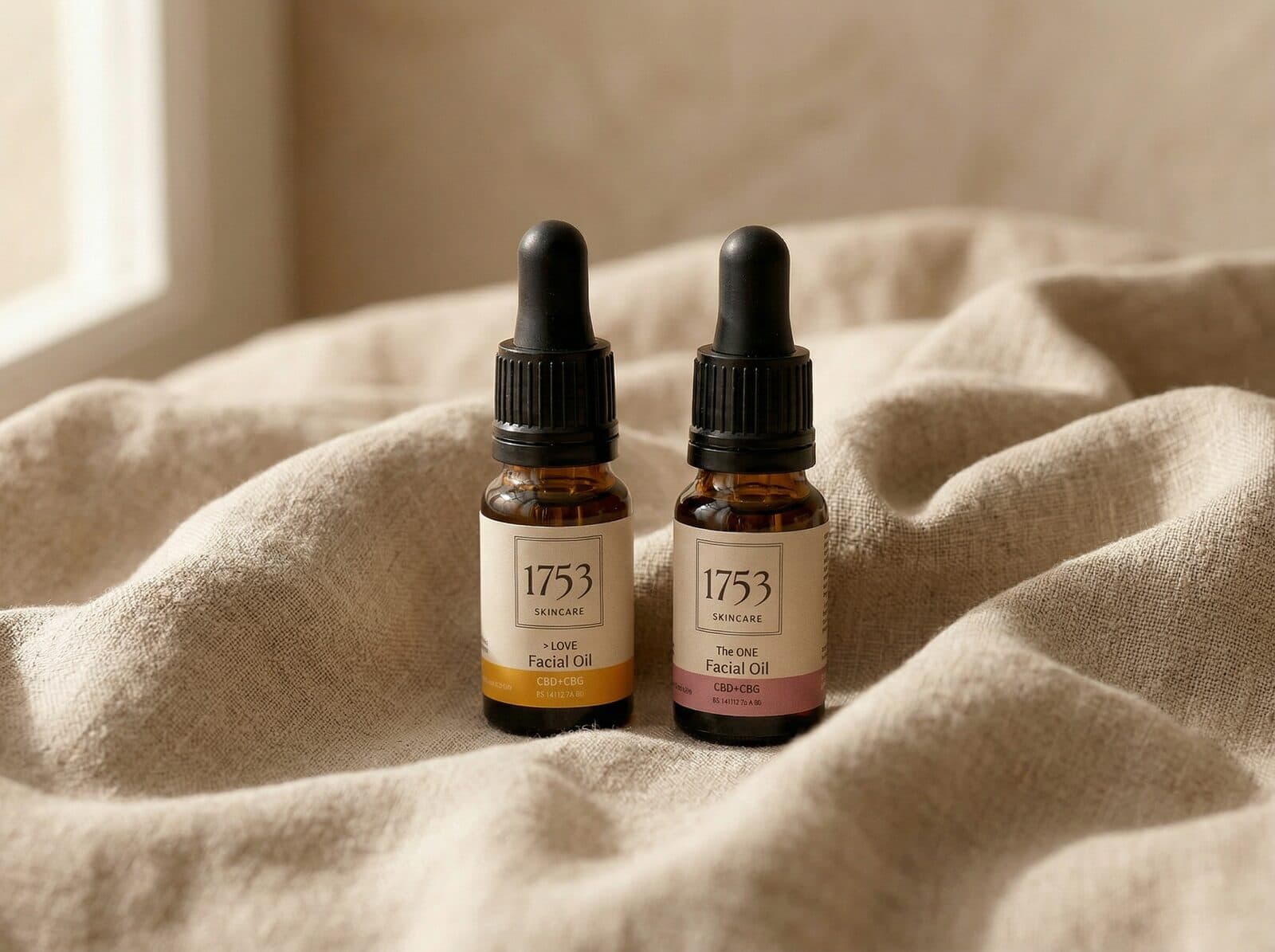
 Save €34
DUO kit
Two face oils, one for morning and one for evening. Simple skincare that works with your skin, not against it.
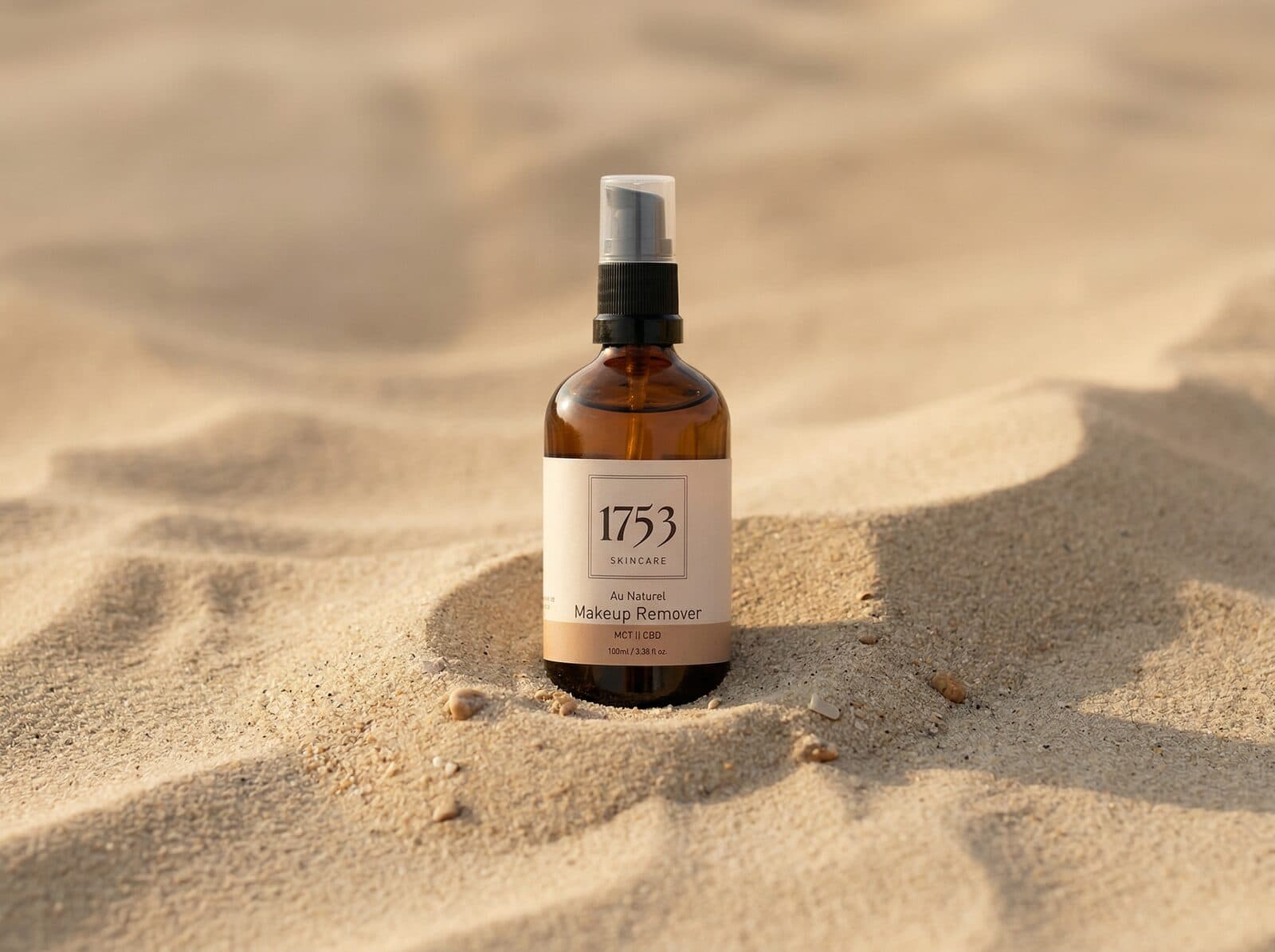

Au Naturel Makeup Remover
A cleansing oil with MCT and CBD that removes makeup and buildup without stripping your skin bare.
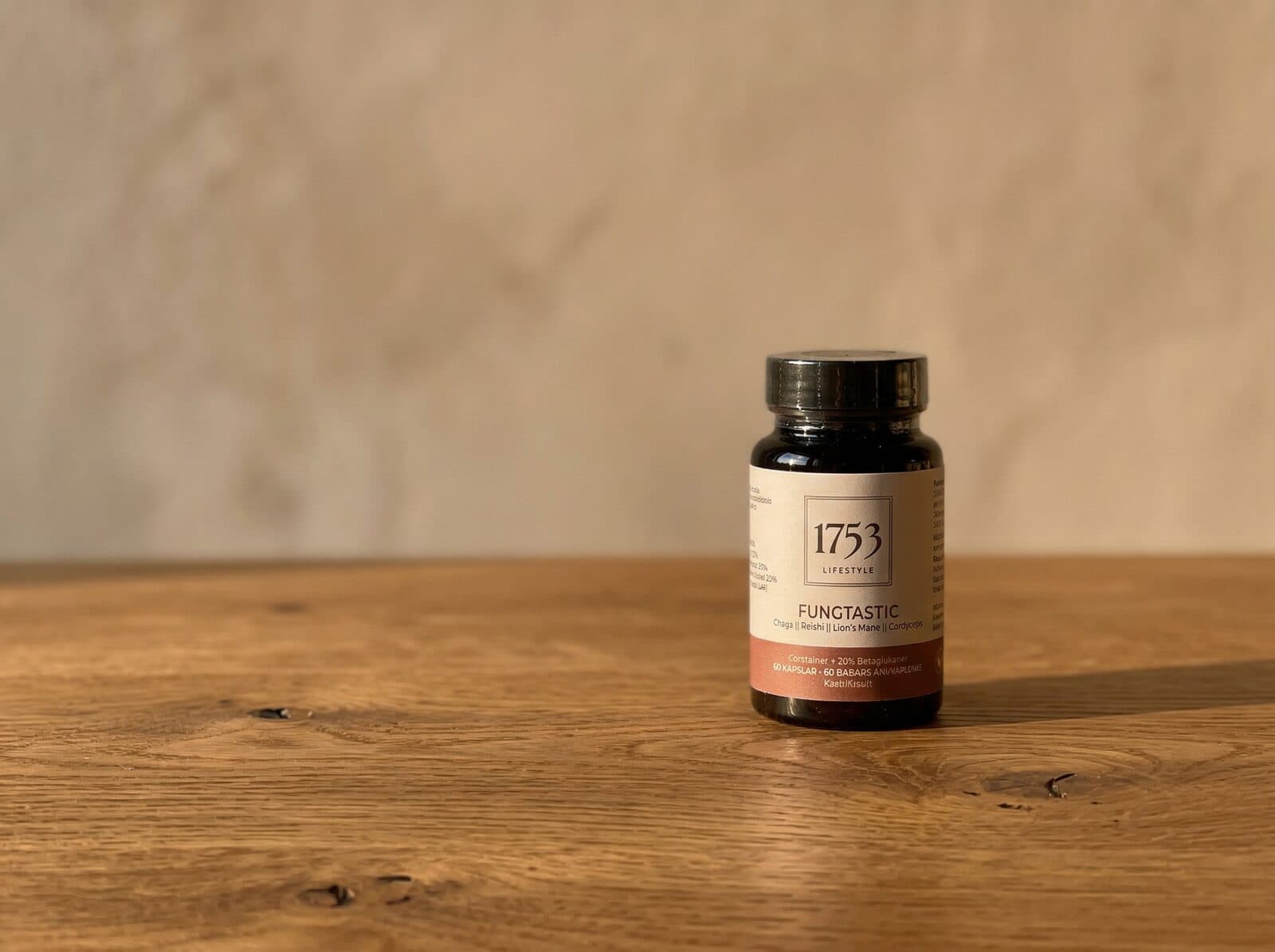

Fungtastic Mushroom Extract
Four mushrooms in one formula to support immunity, focus, energy and sleep from within.
Frequently asked questions
Is flaky skin always just dry skin?
Not necessarily. Flaking can come from dehydration, irritation, over-exfoliation, or a barrier that is leaking water too fast. Dryness is part of it, but not the whole story.
Should I scrub the flakes off?
Usually no, especially if the skin is already irritated. Too much mechanical exfoliation can raise TEWL and make flaking more persistent. Gentler routines tend to work better.
Can retinol cause flaky skin?
Yes, especially if you start too fast or combine it with other strong actives. A retinol peel can trigger more desquamation than the skin can comfortably handle.
When should I see a doctor?
If the flaking is severe, painful, rapidly spreading, bleeding, intensely itchy, or comes with sores or a rash. That deserves a proper assessment, not more guessing.
Sources
- Byrd AL, Belkaid Y, Segre JA. The human skin microbiome. Nat Rev Microbiol 2018;16(3):143–155.
- Salem I, Ramser A, Isham N, Ghannoum MA. The Gut Microbiome as a Major Regulator of the Gut-Skin Axis. Front Microbiol 2018;9:1459.
- Chen Y, Lyga J. Brain-skin connection: stress, inflammation and skin aging. Inflamm Allergy Drug Targets 2014;13(3):177–190.
Article reviewed by Christopher Genberg, founder of 1753 SKINCARE.
Related articles
SYMPTOM
Itchy skin – why nights make it worse
You finally lie down, and then it starts. The itch that was manageable all day suddenly takes over y...
Symptom
Dry skin around mouth – when the skin pushes back
It often starts as tightness, flaking or tiny red patches right around the mouth. Sometimes it sting...
Symptom
Dry skin around nose – when the flakes won’t quit
It often starts with tightness, tiny flakes, or a red edge beside the nostrils. Then the area looks ...
Skin Barrier
Skin microbiome – why balance changes everything
Your skin is not sterile. It’s an ecosystem where trillions of microbes help keep the barrier strong...
Condition
Hormonal acne – why it keeps coming back
Deep breakouts around the chin, jaw and lower face are rarely just “bad skin.” More often, they’re a...
Skin Condition
Seborrheic dermatitis – why skin flakes
Red, flaky, stubborn. Seborrheic dermatitis loves the places where skin is richest in sebum: the T-z...