
SYMPTOM
Itchy skin – why nights make it worse
You finally lie down, and then it starts. The itch that was manageable all day suddenly takes over your attention. It’s exhausting, sleep-stealing, and often a sign that skin, nerves, and body are out of sync.

Why does skin itch more at night?
Itchy skin often gets worse in the evening because several things stack up at once: moisture drops, body temperature shifts, and your brain has fewer distractions. When the skin barrier is dry or disrupted, irritation signals travel more easily, so the itch feels louder than it did during the day.
Histamine can be part of the story too. It’s a normal immune messenger, but it can intensify itching when it’s released by irritation, certain foods, or stress. Add contact dermatitis, harsh cleansing, and too much exfoliation, and skin becomes more reactive. That’s not “bad skin” — it’s skin that’s been pushed too hard.
Then there’s stress-itch: when the nervous system stays switched on, every signal gets sharper. Circulation, warmth in bed, and the quiet of evening can all make you notice the itch more. We don’t diagnose, but if itching comes with rash, swelling, sores, or keeps disrupting sleep, it’s wise to get medical advice.
How to break the itch cycle
Switch to gentle cleansing
Skip foaming cleansers that leave skin tight. Use something that respects the barrier, like Au Naturel Makeup Remover, especially at night when skin is already more vulnerable.
Cool the skin lightly
A cool compress on itchy areas can calm the signal without scratching the surface. Avoid very hot showers in the evening — heat often fuels itching.
Moisturize before it flares
Apply a simple, calming routine before the itch peaks. Supporting the skin early is often more effective than trying to manage a full flare later.
Track your triggers
Notice whether the itch follows fragrance, new products, wool, sweat, or certain foods. Contact dermatitis and histamine-related reactions are easier to spot when you see the pattern.
Downshift your nervous system
Night-time itch often gets louder under stress. A short routine with lower light, slower breathing, and less screen time can help reduce the body’s alarm state.

How to actually deal with it
To calm itchy skin, first stop feeding the irritation. A gentle cleanser like Au Naturel Makeup Remover helps lift off SPF and daily grime without stripping the barrier skin depends on. It sounds small, but that shift often starts the evening reset.
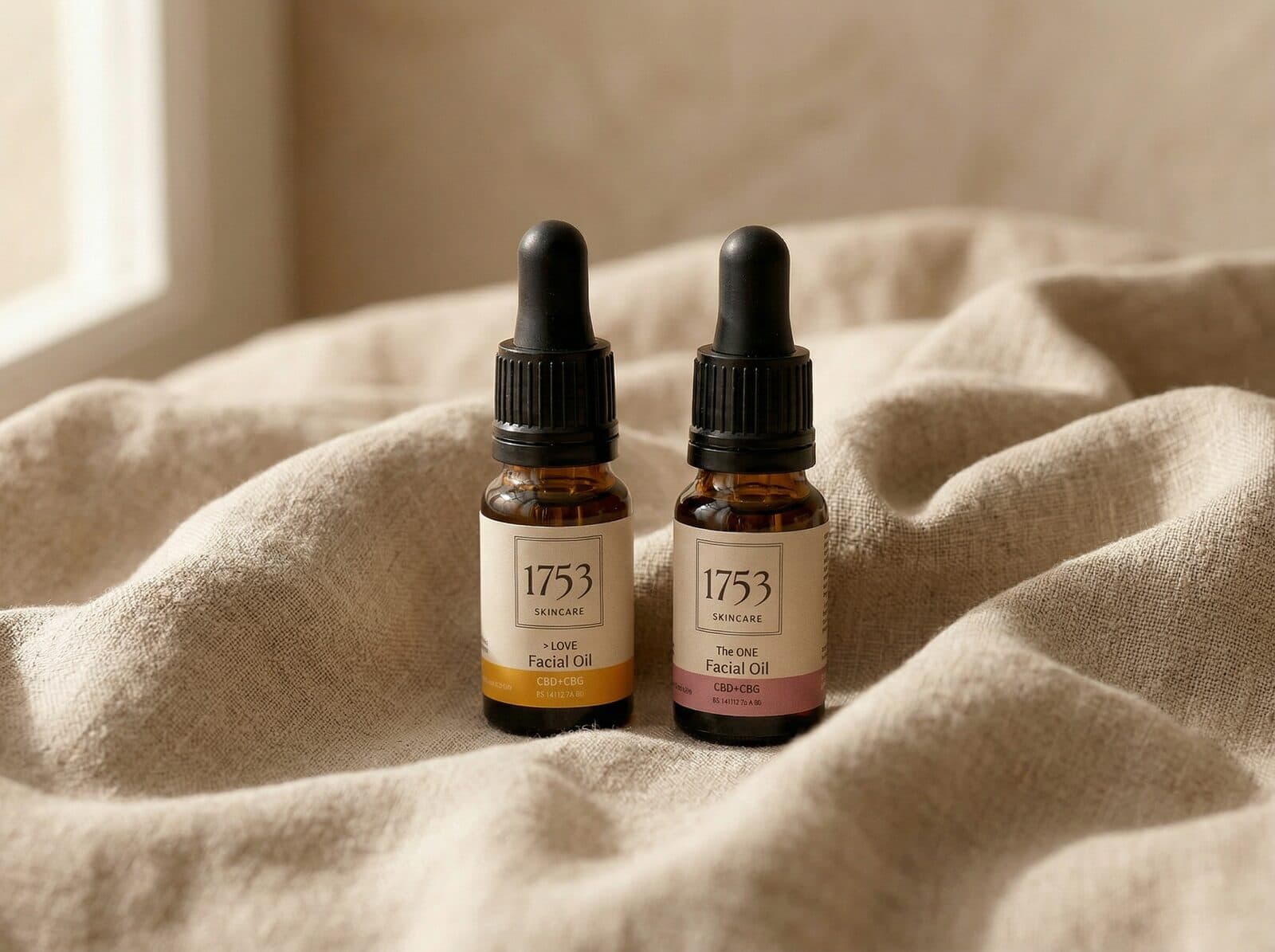
Once skin is clean and not tight, it’s easier to support it instead of stimulating it. The DUO kit with The ONE and I LOVE is built to soothe the surface and help skin feel more balanced when it’s leaning toward dryness, redness, and reactivity. Less friction, more barrier support.
If you want to think beyond the surface, Fungtastic Mushroom Extract can be a natural add-on for immune and gut support from within. Night-time itching is often part of a bigger load, not a standalone issue. Build a routine that doesn’t overwork the skin — and if itching is persistent, intense, or changes quickly, have it assessed by a healthcare professional.
Products we recommend
 Save €34
DUO kit
Two face oils, one for morning and one for evening. Simple skincare that works with your skin, not against it.
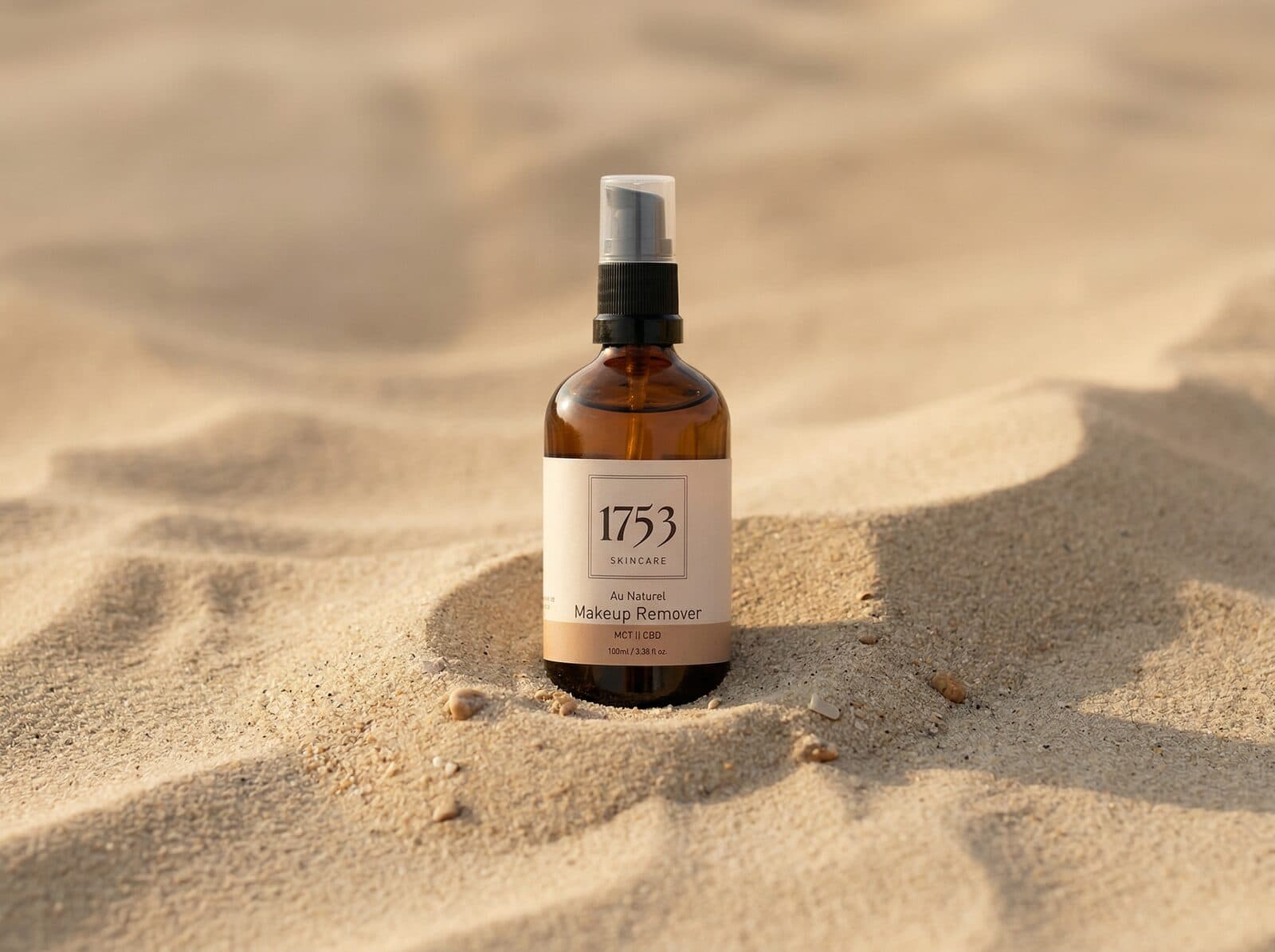
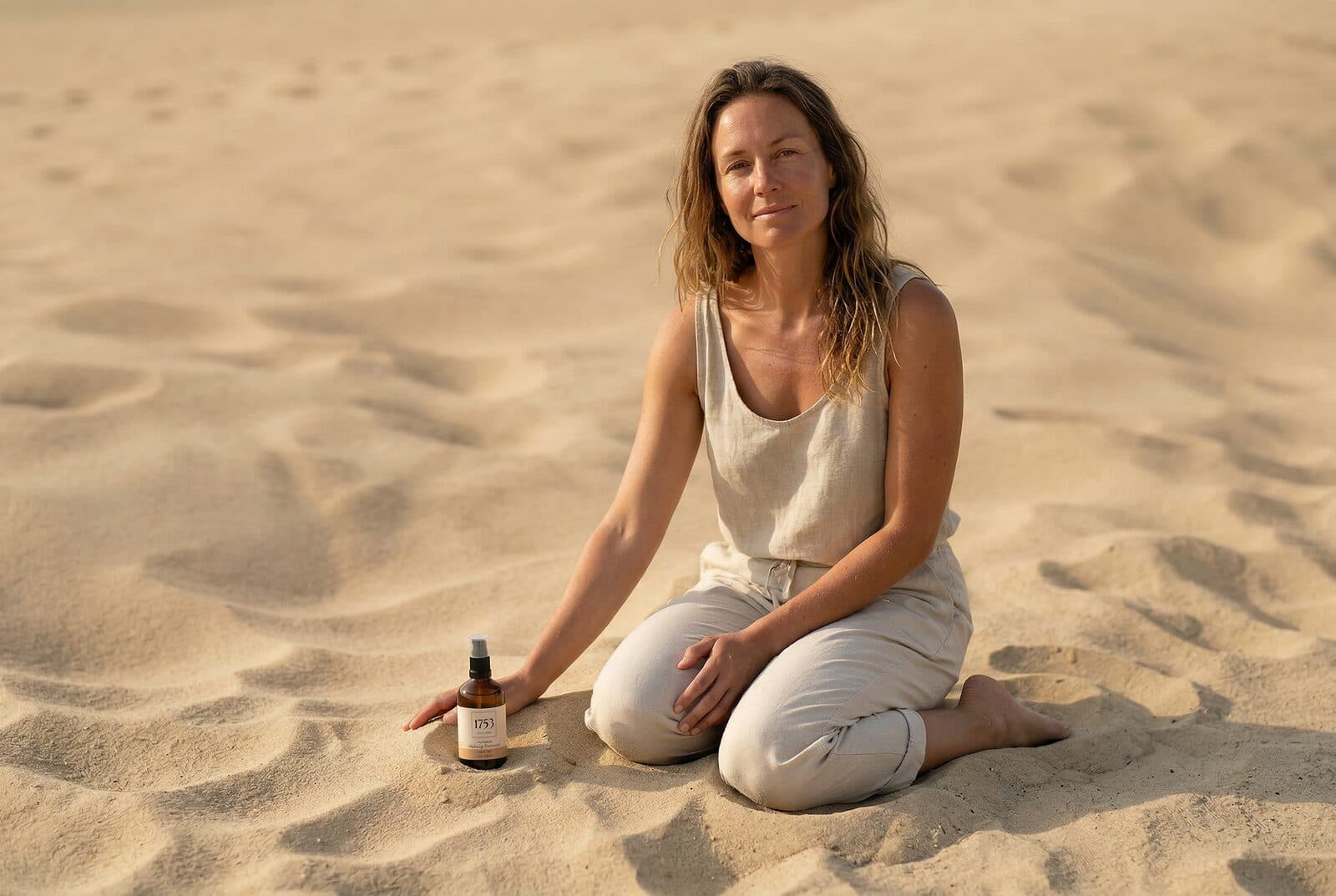
Au Naturel Makeup Remover
A cleansing oil with MCT and CBD that removes makeup and buildup without stripping your skin bare.
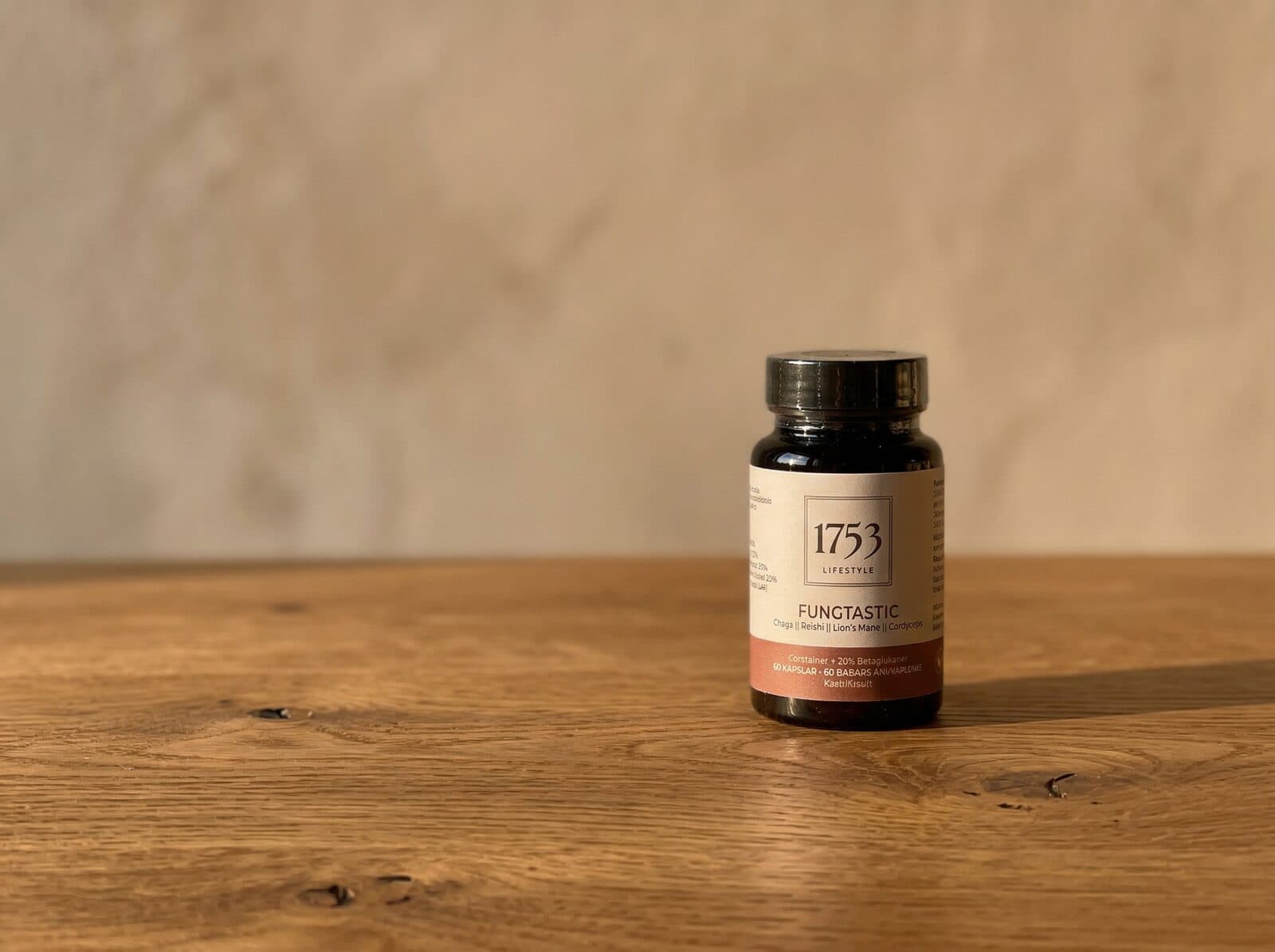

Fungtastic Mushroom Extract
Four mushrooms in one formula to support immunity, focus, energy and sleep from within.
Frequently asked questions
Why is itchy skin worse at night?
At night, skin moisture drops, body temperature shifts, and you notice sensations more because everything else gets quieter. If the barrier is dry or irritated, the itch often feels stronger.
Can stress really make skin itch more?
Yes. Stress can heighten nervous system sensitivity and make itch signals feel more intense. Many people notice stress-itch gets worse when they finally sit still or try to sleep.
Is dry skin always the cause?
No. Dry skin is common, but contact dermatitis, histamine reactions, heat, sweat, and over-cleansing can all contribute. Often it’s a combination.
When should I seek medical help?
Get checked if the itch is ongoing, you develop a rash, swelling, sores, oozing skin, or sleep is clearly affected. A sudden or severe reaction should be assessed.
Sources
- Byrd AL, Belkaid Y, Segre JA. The human skin microbiome. Nat Rev Microbiol 2018;16(3):143–155.
- Salem I, Ramser A, Isham N, Ghannoum MA. The Gut Microbiome as a Major Regulator of the Gut-Skin Axis. Front Microbiol 2018;9:1459.
- Chen Y, Lyga J. Brain-skin connection: stress, inflammation and skin aging. Inflamm Allergy Drug Targets 2014;13(3):177–190.
Article reviewed by Christopher Genberg, founder of 1753 SKINCARE.
Related articles
Symptom
Flaky skin – when your skin starts shedding
When skin starts lifting in little flakes, it’s tempting to assume it needs a stronger cleanser, ano...
Symptom
Dry skin around mouth – when the skin pushes back
It often starts as tightness, flaking or tiny red patches right around the mouth. Sometimes it sting...
Symptom
Dry skin around nose – when the flakes won’t quit
It often starts with tightness, tiny flakes, or a red edge beside the nostrils. Then the area looks ...
Skin Barrier
Skin microbiome – why balance changes everything
Your skin is not sterile. It’s an ecosystem where trillions of microbes help keep the barrier strong...
Condition
Hormonal acne – why it keeps coming back
Deep breakouts around the chin, jaw and lower face are rarely just “bad skin.” More often, they’re a...
Skin Condition
Seborrheic dermatitis – why skin flakes
Red, flaky, stubborn. Seborrheic dermatitis loves the places where skin is richest in sebum: the T-z...