
Myth Buster
Sulfates skin – not the villain, not always the fit
Sulfates often get blamed for everything from dryness to breakouts. But the truth is more nuanced: SLS and SLES are effective cleansers, and for many people they work just fine. The real question is what your skin actually needs, not what sounds most alarming.

Are sulfates in skin care really the problem?
The myth says sulfates in skin care are “toxic cleansers” that always damage skin. Science is less dramatic. SLS is stronger and can, especially at higher concentrations or with frequent use, disrupt the skin barrier and increase tightness. SLES is generally milder, but even there the formula matters more than the ingredient name.
So it is not just about one molecule. It is about the whole setup: pH, contact time, how much surfactant is actually in the product, and whether your skin is already under stress. Studies on irritating cleansers show that over-cleansing can weaken the barrier and make skin more reactive, whether the product is marketed as “natural” or not. That is where many people get misled.
Then there is greenwashing: products that look gentler on the label but still pack in fragrance, harsh acids, or other unnecessary actives in a cocktail your skin never asked for. If you want to think smarter, do not only ask “does it contain sulfates?” Ask “how does it cleanse, and what does it leave behind?”
How to think smarter about cleansing
Check the formula
A cleanser is never judged by one ingredient alone. Look at the whole picture: mild surfactants, balanced pH, and reasonable contact time matter more than a scary name on the front.
Match it to your skin
Dry, sensitive, or stressed skin usually prefers gentler cleansing. Oily, resilient skin may tolerate more, but there is still no prize for washing until you feel squeaky tight.
Watch the frequency
What irritates skin is often how often and how long you cleanse, not only what you cleanse with. You may not need both morning and evening cleansing if your skin is already calm and dry.
Read past the greenwash
“Natural” does not automatically mean mild. Many products are sold as clean and gentle while still containing things your skin may react to. Transparency beats marketing.
Simplify before you add
If your skin is out of balance, choose fewer steps and shorter ingredient lists. It makes it easier to see what actually works and lowers the odds of piling on more than your skin needs.

How to cleanse without overdoing it
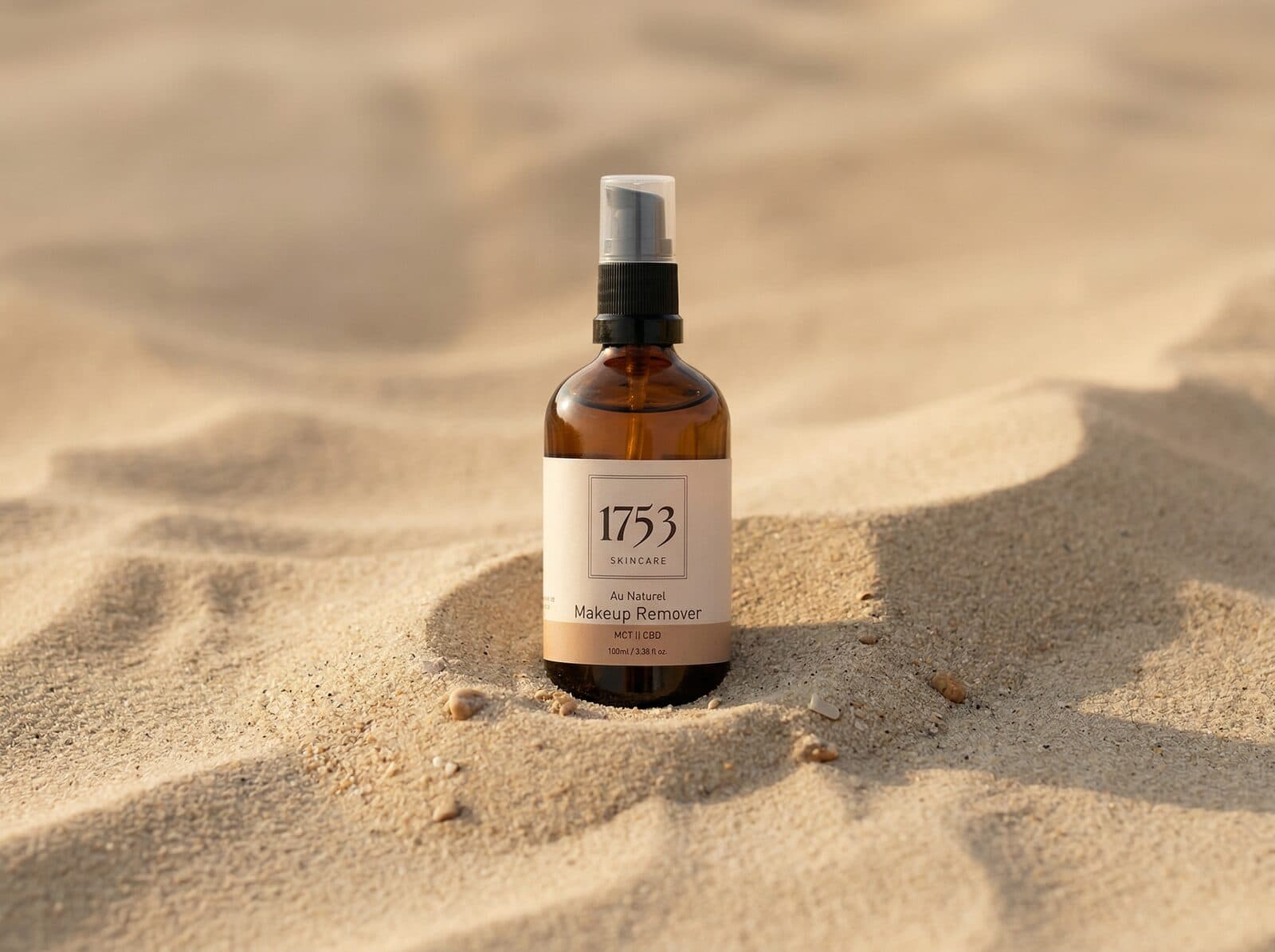
The most pragmatic move is often the simplest one: choose a cleanser that gets the job done without leaving your skin stripped and cranky. Au Naturel Makeup Remover uses MCT oil for gentle cleansing, which is ideal when you want to dissolve makeup and sunscreen without extra rubbing. For many, that low-drama approach is exactly what the skin prefers.
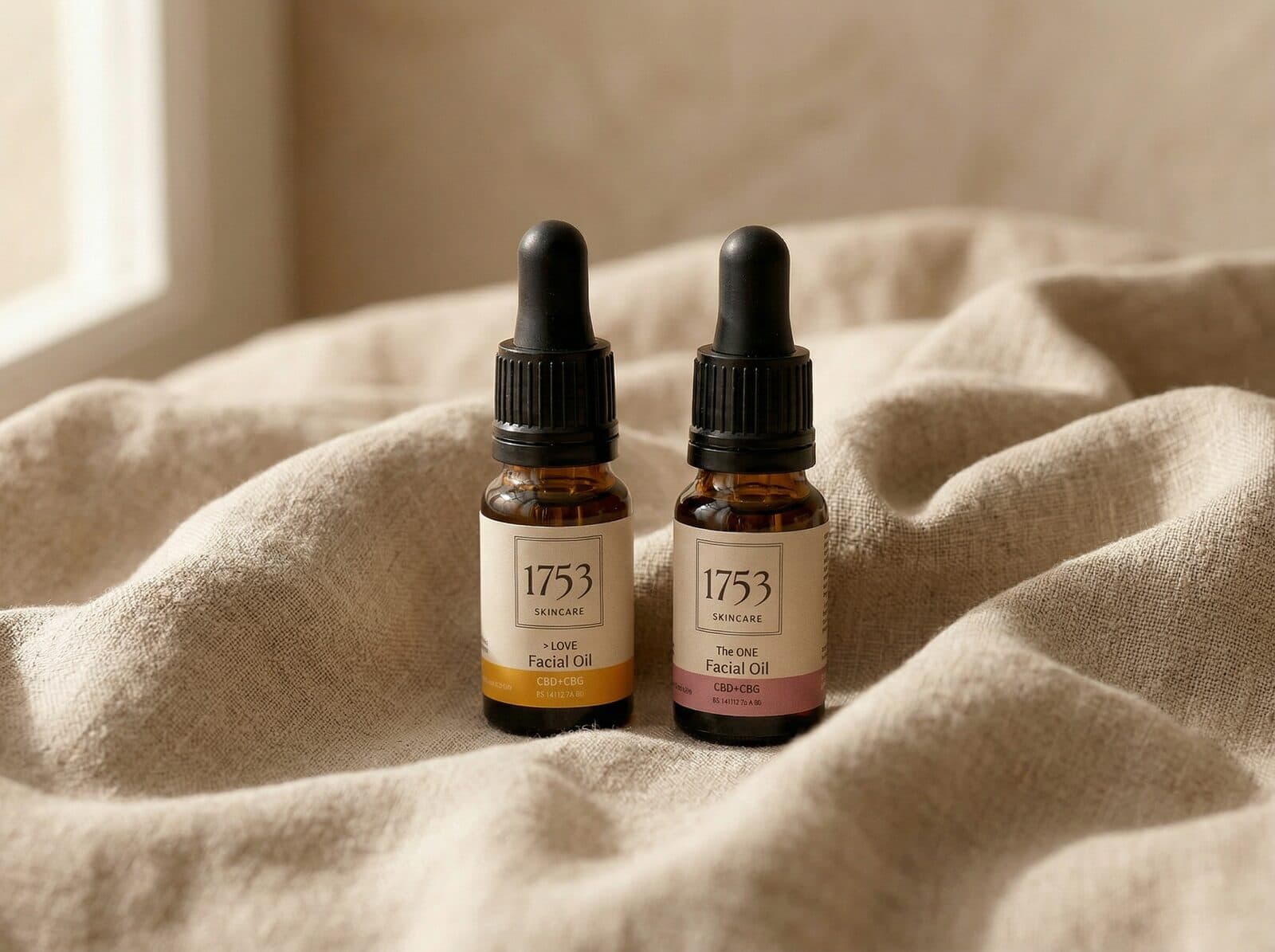
For the rest of your routine, The ONE and I LOVE show how to keep things short, clean, and considered. The DUO kit combines CBD and CBG for a full cannabinoid spectrum, with a short ingredient list and without most of the controversial extras. It is not about selling “free-from” hype; it is just a sensible formula.
If you want to go a step further, Ta-DA serum adds antioxidant support without making the routine heavy. For us, the point is not to demonize sulfates or worship anything labeled clean. It is to choose products that respect the skin barrier. Less noise, better formulas, skin that feels like itself.

Frequently asked questions
Are SLS and SLES always bad for skin?
No. They are effective surfactants that can work in the right formula and for the right skin type. Problems usually show up when the cleanser is too strong, used too often, or paired with other irritants.
Is SLES milder than SLS?
Often yes, but that is not the whole story. Concentration, pH, and the rest of the formula affect how the skin experiences the product far more than the surfactant name alone.
Are sulfates comedogenic?
Sulfates are not classically comedogenic on their own. If skin gets stressed, it may react with imbalance that looks like more breakouts. That is different from an ingredient physically clogging pores.
How do I know my cleanser is too harsh?
If your skin feels tight, stingy, or overly squeaky after washing, that is usually a sign. A gentler cleanser, shorter wash time, or fewer cleansing steps can make a real difference.
Sources
- Proksch E, Brandner JM, Jensen JM. The skin: an indispensable barrier. Exp Dermatol 2008;17(12):1063–1072.
- Byrd AL, Belkaid Y, Segre JA. The human skin microbiome. Nat Rev Microbiol 2018;16(3):143–155.
Article reviewed by Christopher Genberg, founder of 1753 SKINCARE.
Related articles
Myth Busting
Are parabens dangerous – or just overblamed?
Parabens have picked up a pretty heavy reputation in skincare conversations. People often hear about...
Myth Bust
Alcohol in skincare – not always the villain
A lot of people learn one simple rule: if they see alcohol on an ingredient list, they should avoid ...
Myth Busting
Silicones skin – does it really suffocate?
The myth is tidy: put silicones on the skin and you trap it. It sounds plausible, especially if you’...
Ingredient Portrait
mct oil skin – light, clean, surprisingly clever
MCT oil is not just another oil sitting on top of your face. It’s fractionated coconut oil built aro...
Ingredient Portrait
Vitamin e skin – the quiet shield
Vitamin E is one of skincare’s most misunderstood ingredients. It doesn’t act like a flashy quick fi...
Ingredient Portrait
aha bha risks – when smooth skin becomes a bad deal
AHA, BHA and PHA can brighten skin fast, but they can also fool you. What looks like progress is som...