
Myth Bust
Alcohol in skincare – not always the villain
A lot of people learn one simple rule: if they see alcohol on an ingredient list, they should avoid the product. But skincare is messier than that. Alcohol is a broad category with very different jobs, and the effect depends on the type, the amount, and what the rest of the formula is doing.

Is every alcohol in skincare drying?
The myth usually starts because denatured alcohol can give a product a fast, lightweight feel while helping it spread and dry down quickly. In higher amounts, it can increase water loss and make an already stressed barrier feel more fragile. But that does not mean every alcohol-containing product is a problem.
There are also fatty alcohols like cetyl alcohol and cetearyl alcohol. These work more as texture improvers and emollients than as drying agents. They help creams feel smoother and more stable, and in well-built formulas they are usually perfectly fine for the skin. The best evidence points in the same direction: concentration, type, and formula context matter most.
So yes, alcohol is worth paying attention to. Just not blindly. The real question is not whether the ingredient name contains the word alcohol, but which alcohol, how much of it is there, and what your skin actually needs right now. That is where the difference lives.
Read ingredient lists like a pro
Check the alcohol type
Denatured alcohol and fatty alcohols behave very differently. Cetyl alcohol is usually there to soften and stabilize, not to dry the skin out.
Look at the position
Ingredients near the top of a list are usually present in larger amounts. If denatured alcohol sits high up and your skin is dry or sensitive, take notice.
Notice your skin’s response
If your face feels tight, stings, or becomes more reactive after use, that matters more than the trend cycle. Skin feedback beats marketing.
Prefer shorter lists
A shorter ingredient list often means fewer chances for unnecessary irritation. Not magic, just fewer things competing for your skin’s patience.
Protect the barrier first
If your barrier is already under pressure, choose gentle cleansing and nourishing formulas over products that are designed to feel “strong.” Often skin needs less drama, not more.

Choose formulas that don’t pick fights
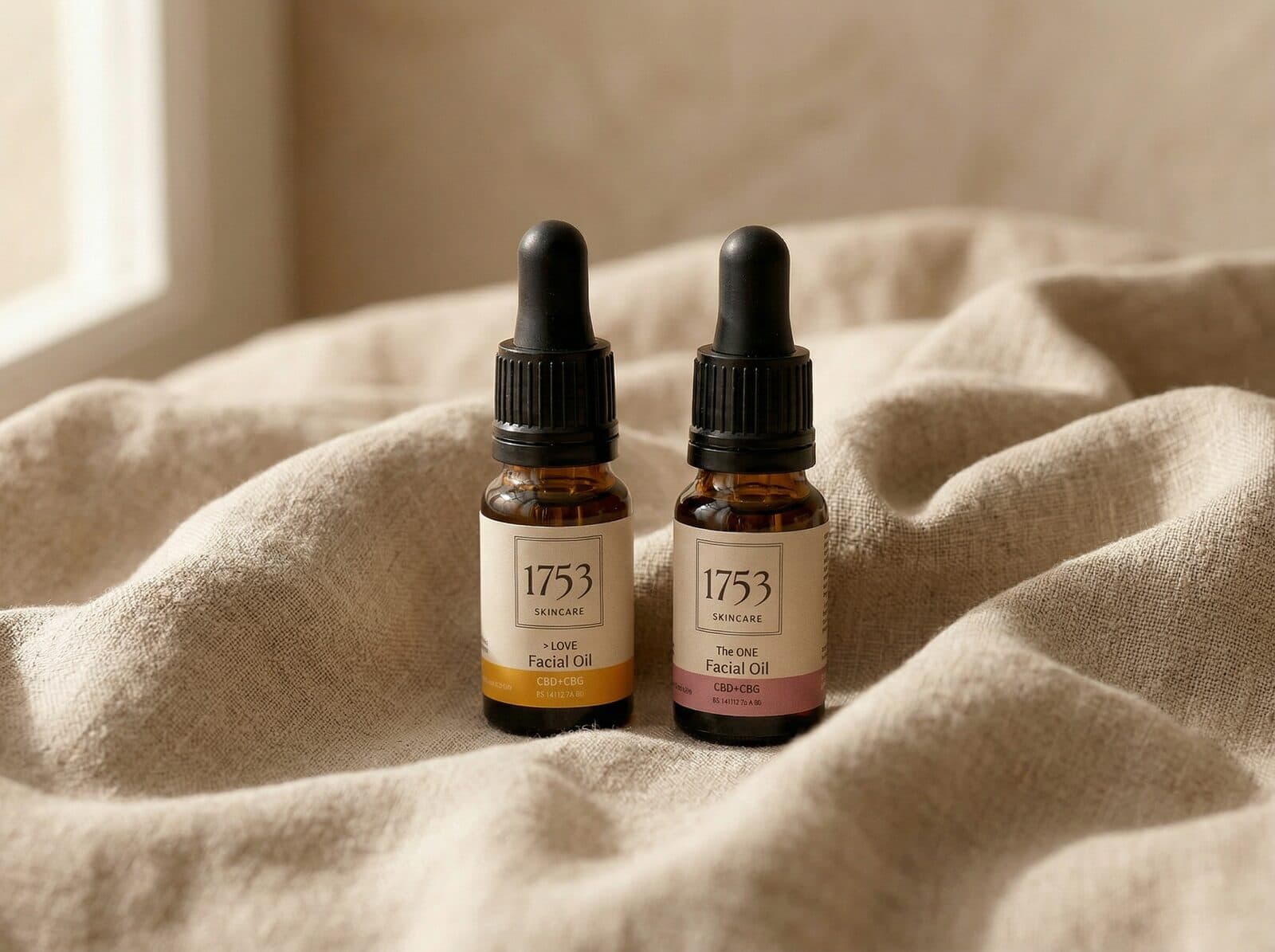
If you want to worry less about alcohol in skincare, start with formulas that are direct and well thought out. The DUO kit with The ONE and I LOVE is made to give skin what it actually notices: calm, balance, and a full cannabinoid spectrum, without padding the formula with a long list of questionable extras.
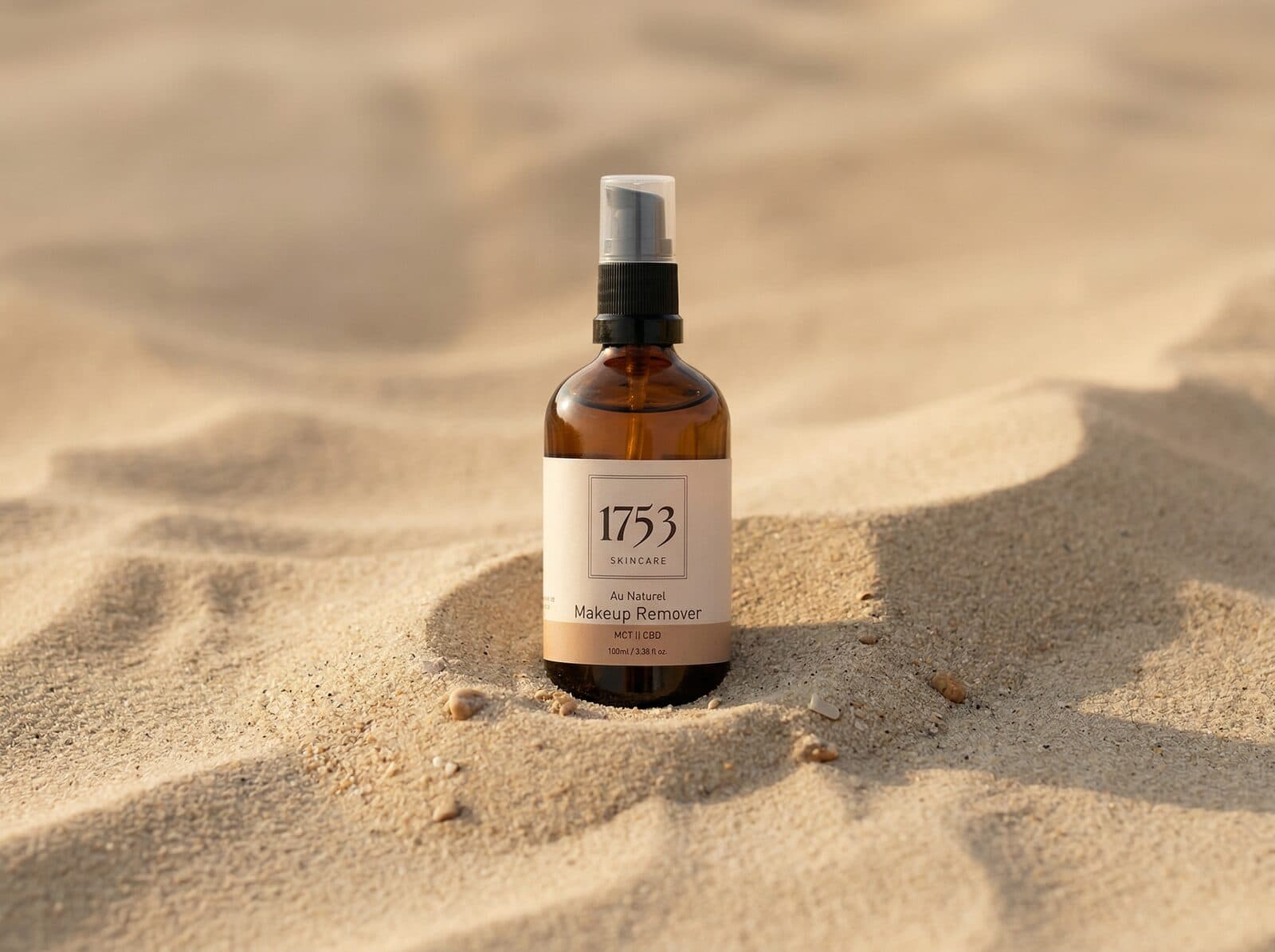
Au Naturel Makeup Remover is another example of less noise on the bathroom shelf. Built on MCT oil and a gentle cleansing approach, it keeps the ingredient list short and avoids unnecessary preservatives that only make the formula more complicated than it needs to be. For many skin types, that kind of simplicity just works better.
The point is not to demonize all alcohols or chase purity. The point is to choose products where every ingredient has a job. When skin is tired, reactive, or easily thrown off, fewer triggers and more restraint usually make more sense. That is a very 1753 way of thinking: less hype, more respect for skin.
Frequently asked questions
Is denatured alcohol always bad?
No. In some formulas it helps with feel, drying time, or product stability. But if it sits high on the ingredient list and your skin is dry or sensitive, it may be more harsh than helpful.
What is the difference between cetyl alcohol and regular alcohol?
Cetyl alcohol is a fatty alcohol, which means it acts more like a softening and texture-supporting ingredient. It does not behave like denatured alcohol and is usually not drying in the same way.
Can alcohol be okay in oily skincare?
Yes, depending on the formula and your skin. Some lightweight products for oily or combination skin can work well with small amounts of alcohol, especially if the rest of the formula is balanced and soothing.
How do I know if my barrier dislikes a product?
Common signs are tightness, stinging, redness, or skin that feels more reactive than usual. If that keeps happening, it is a good sign to switch to gentler products with shorter ingredient lists.
Sources
- Proksch E, Brandner JM, Jensen JM. The skin: an indispensable barrier. Exp Dermatol 2008;17(12):1063–1072.
- Byrd AL, Belkaid Y, Segre JA. The human skin microbiome. Nat Rev Microbiol 2018;16(3):143–155.
Article reviewed by Christopher Genberg, founder of 1753 SKINCARE.
Related articles
Myth Busting
Are parabens dangerous – or just overblamed?
Parabens have picked up a pretty heavy reputation in skincare conversations. People often hear about...
Myth Buster
Sulfates skin – not the villain, not always the fit
Sulfates often get blamed for everything from dryness to breakouts. But the truth is more nuanced: S...
Myth Busting
Silicones skin – does it really suffocate?
The myth is tidy: put silicones on the skin and you trap it. It sounds plausible, especially if you’...
Ingredient Portrait
mct oil skin – light, clean, surprisingly clever
MCT oil is not just another oil sitting on top of your face. It’s fractionated coconut oil built aro...
Ingredient Portrait
Vitamin e skin – the quiet shield
Vitamin E is one of skincare’s most misunderstood ingredients. It doesn’t act like a flashy quick fi...
Ingredient Portrait
aha bha risks – when smooth skin becomes a bad deal
AHA, BHA and PHA can brighten skin fast, but they can also fool you. What looks like progress is som...