
Ingredient Portrait
Vitamin e skin – the quiet shield
Vitamin E is one of skincare’s most misunderstood ingredients. It doesn’t act like a flashy quick fix; it works as a fat-soluble shield that helps skin handle oxidation and daily wear. That is often exactly what skin needs.

Does skin really need more actives?
Vitamin E, mainly in the form of tocopherol and tocotrienol, is a fat-soluble antioxidant. That means it works where skin lipids live: in the barrier, in the sebum film, and in the places where oxidative stress tends to settle. Mechanistically, it helps slow lipid oxidation, the process where fats break down under sun, pollution, and inflammation.
This is not the same as stripping the skin with acids, foam, or over-exfoliation. In fact, when the barrier gets pushed too hard, water loss and irritation rise, and skin usually becomes even more reactive. Vitamin E is more of a steady ally than a hard-driving coach.
Research also suggests vitamin E rarely works alone. In skin, it interacts with other antioxidants and lipids, which is why formulation and source matter. That’s why an oil-based product often makes more sense than a random “active” dropped into a drying base. If your skin feels tight, shiny, and stressed at the same time, the barrier may be asking for less drama, not more steps.
How to use vitamin E well
Think barrier, not hype
Look for products where vitamin E comes through an oil or serum, not just a label claim. Skin tends to use it best when it arrives with the lipids it actually understands.
Apply after cleansing
Use it on slightly damp skin to support the barrier and reduce that tight feeling. A small amount is often enough, especially if your skin feels oily on the surface but dry underneath.
Go easier at night
If you exfoliate often, take a break sometimes and let vitamin E do the calm work. Skin rarely improves by being scrubbed into obedience.
Check the source
Tocopherol is the most common form, but tocotrienols are part of the same family and also act as antioxidants. In practice, you want a stable, skin-friendly antioxidant in a format that fits.
Protect against oxidation
Vitamin E matters even more if you live in a city, train a lot, or expose your skin to sun and wind. That’s when lipid oxidation becomes a daily reality, not just a theory.

How to actually solve it
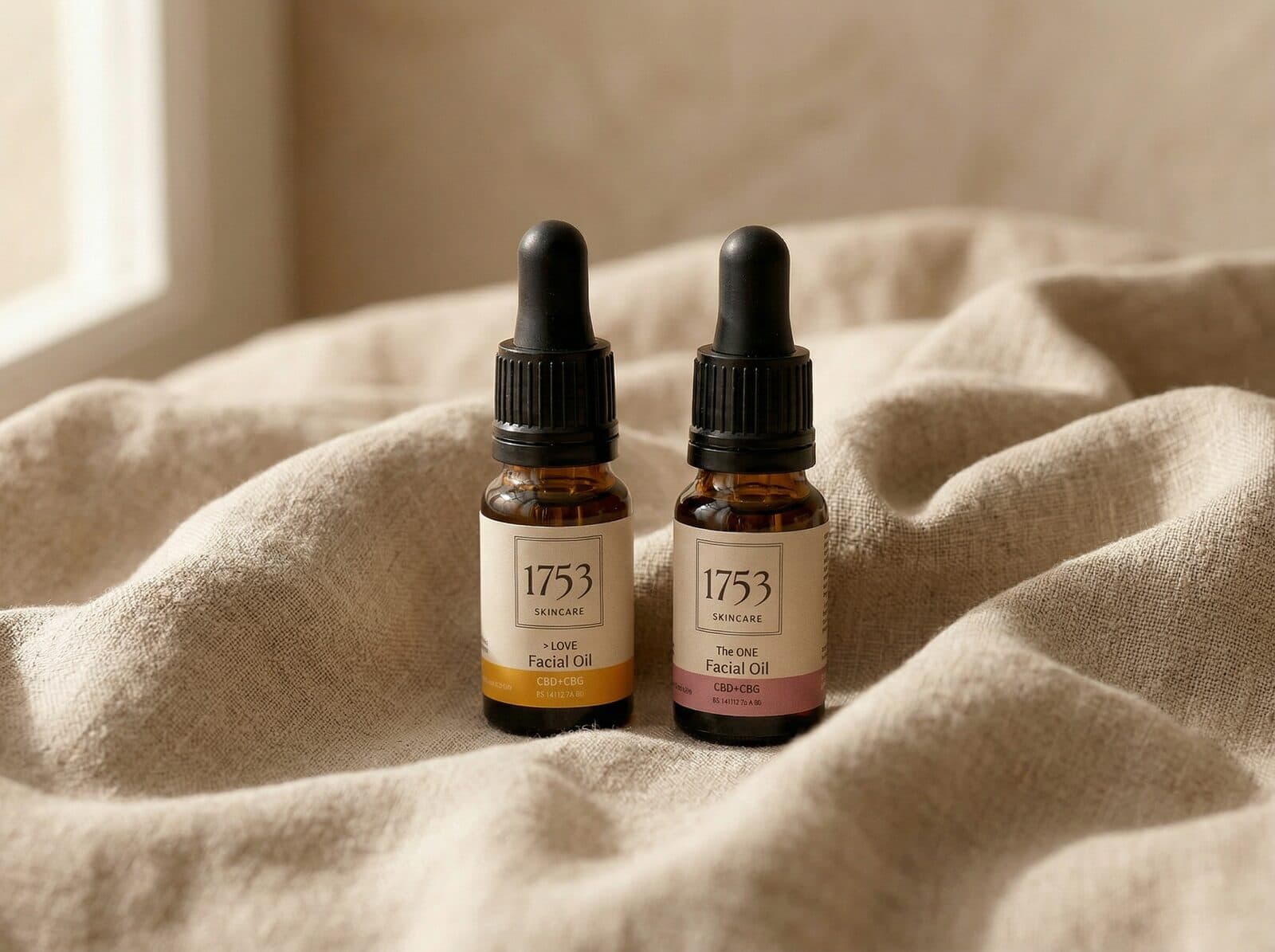
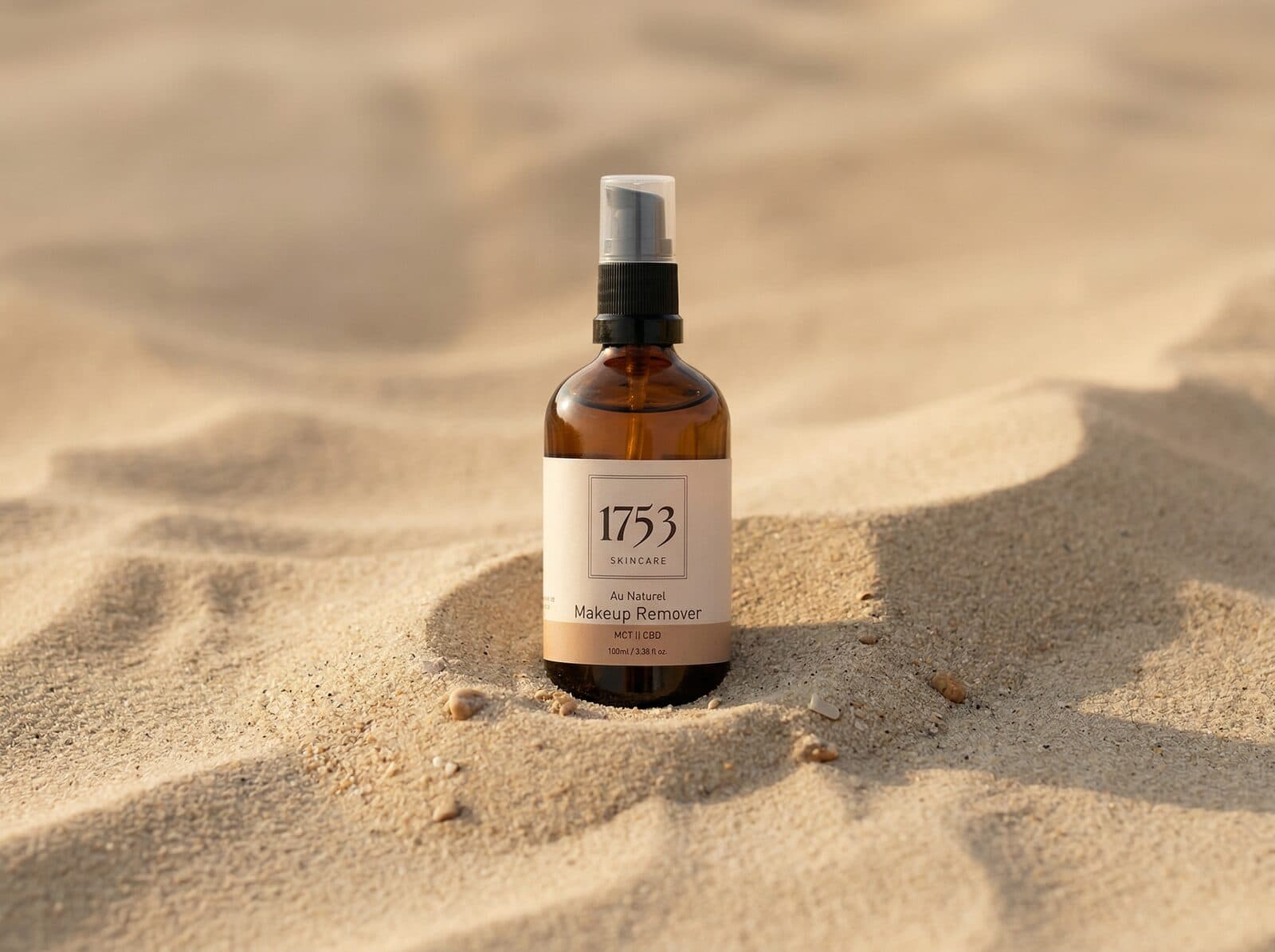
If you want vitamin E in a way skin actually understands, choose products where it comes naturally from oils rather than as a lone decorative add-on. The ONE contains natural vitamin E from cold-pressed oils, and so does Au Naturel Makeup Remover. Nothing fancy: skin gets fat-soluble antioxidants together with the lipids they belong to.
That’s also why these products feel more sensible than many conventional options built around harsh cleansing or a long list of actives. When the barrier is stressed, it needs less friction and more support. The ONE works when skin wants a regulating oil layer, while Au Naturel Makeup Remover keeps cleansing gentle enough not to undo your progress.
If you want to be even smarter, treat vitamin E as part of a routine that doesn’t overdo anything. Cleanse gently, let the oils do their job, and give skin time to recover. Often that’s where the difference shows up: not in one miracle product, but in a routine that stops fighting the skin.

Frequently asked questions
Is vitamin E the same as tocopherol?
Tocopherol is the most common form of vitamin E, but not the only one. Tocotrienols also belong to the vitamin E family and share antioxidant roles. In skincare, tocopherol is what you’ll see most often because it’s common in formulations.
What does vitamin E do for skin?
Its main job is antioxidant protection, helping shield skin lipids from oxidation. That can support the barrier and make skin feel less stressed or tight. It’s more protective than aggressively “active” in the conventional sense.
Is vitamin E good for sensitive skin?
Often yes, especially when it comes in a gentle oil base. But some people can react to concentrated formulas or to other ingredients around it. That’s why simpler is often better than a long ingredient list.
Can I use vitamin E every day?
Yes, for most skin types daily use works well. A small amount in an oil or serum is usually enough, especially at night. If it feels too heavy or shiny, reduce the amount instead of stopping altogether.
Sources
- Oláh A, Tóth BI, Borbíró I, et al. Cannabidiol exerts sebostatic and antiinflammatory effects on human sebocytes. J Clin Invest 2014;124(9):3713–3724.
- Lin TK, Zhong L, Santiago JL. Anti-Inflammatory and Skin Barrier Repair Effects of Topical Application of Some Plant Oils. Int J Mol Sci 2017;19(1):70.
- Tóth KF, Ádám D, Bíró T, Oláh A. Cannabinoid signaling in the skin: therapeutic potential of the c(ut)annabinoid system. Molecules 2019;24(5):918.
Article reviewed by Christopher Genberg, founder of 1753 SKINCARE.
Related articles
Ingredient Portrait
mct oil skin – light, clean, surprisingly clever
MCT oil is not just another oil sitting on top of your face. It’s fractionated coconut oil built aro...
Ingredient Portrait
aha bha risks – when smooth skin becomes a bad deal
AHA, BHA and PHA can brighten skin fast, but they can also fool you. What looks like progress is som...
Ingredient Portrait
cbd for skin – less noise, more balance
CBD for skin is interesting because it doesn’t try to bully the skin into behaving. It works with th...
Skin Streaming
Minimalist 5 step routine – why less can do more
Skincare has become too much of everything: too many steps, too much exfoliation, too much cleansing...
CBD Skincare
CBD for acne – stop fighting your skin
Acne isn't about being dirty. It's about inflammation, hormones, and skin that needs support – not p...
CBD Skincare
CBD for oily skin – balance instead of dehydration
Drying out oily skin only makes it oilier. Sounds backwards, but that's exactly what happens. CBD of...