
Myth Busting
Silicones skin – does it really suffocate?
The myth is tidy: put silicones on the skin and you trap it. It sounds plausible, especially if you’ve used products that feel heavy or leave a film. But skin is not a window you can seal shut with tape. The real question is what silicones actually do, and who they suit.

Do silicones suffocate skin, or just seal the surface?
Silicones such as dimethicone and cyclopentasiloxane are mainly used to smooth texture, reduce friction, and create an occlusive layer that slows water loss. That does not mean the skin stops breathing; skin gets oxygen through the bloodstream, not through the surface of your cream. So the idea that skin is “suffocated” by silicones rarely holds up biologically.
The more nuanced part is the acne myth and the question of skin type. Some people find dense, mixed formulas too much, especially when silicones are paired with waxes, fragrance, or strong actives. Others with sensitive or reactive skin like that barrier effect, because it can reduce irritation and make the skin feel calmer. In other words, it often comes down to the full formula, not one ingredient.
There is also a sustainability angle worth taking seriously. Silicones are not the same as plant oils, and biodegradability is not their strongest point. But that is a different conversation from skin biology. You can dislike silicones for environmental reasons without needing to believe they automatically harm the skin. Both can be true at once.
What to do instead
Notice the after-feel
Try a product for a few days and pay attention to how your skin feels hours later. Does it feel soft and calm, or sealed in and hard to wash off?
Read the whole formula
It is usually the combination that matters. A light silicone formula can be fine, while a heavy mix of waxes, fragrance, and actives may be too much.
Match your skin state
Dry, easily irritated skin often likes a protective film. Oily or congestion-prone skin usually does better with simpler formulas, especially if your routine is already busy.
Cleanse gently
If you use film-forming products, you do not need to scrub them off. A mild cleanser is usually better than harsh washing, which often triggers more imbalance.
Ask about the footprint
If biodegradability matters to you, make the choice consciously. It is reasonable to want skincare that feels good and ingredients you can stand behind.

How to actually fix it
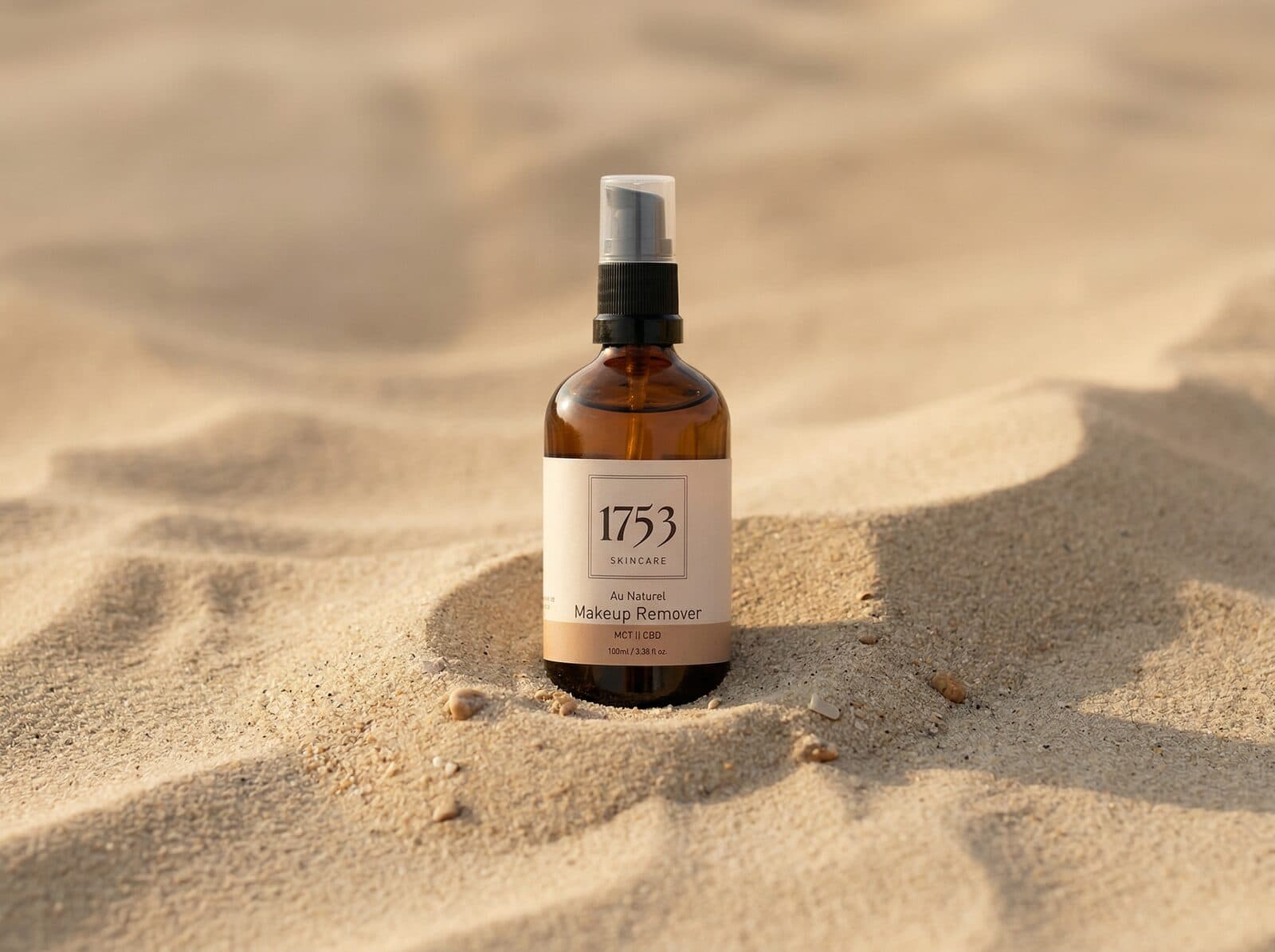
If you want less guessing, the simplest route is often a short, clear ingredient list. DUO-kit and Au Naturel Makeup Remover are deliberately free from most controversial ingredients, with no unnecessary preservatives just to make the formula busier than it needs to be. That is not anti-science; it is less noise.
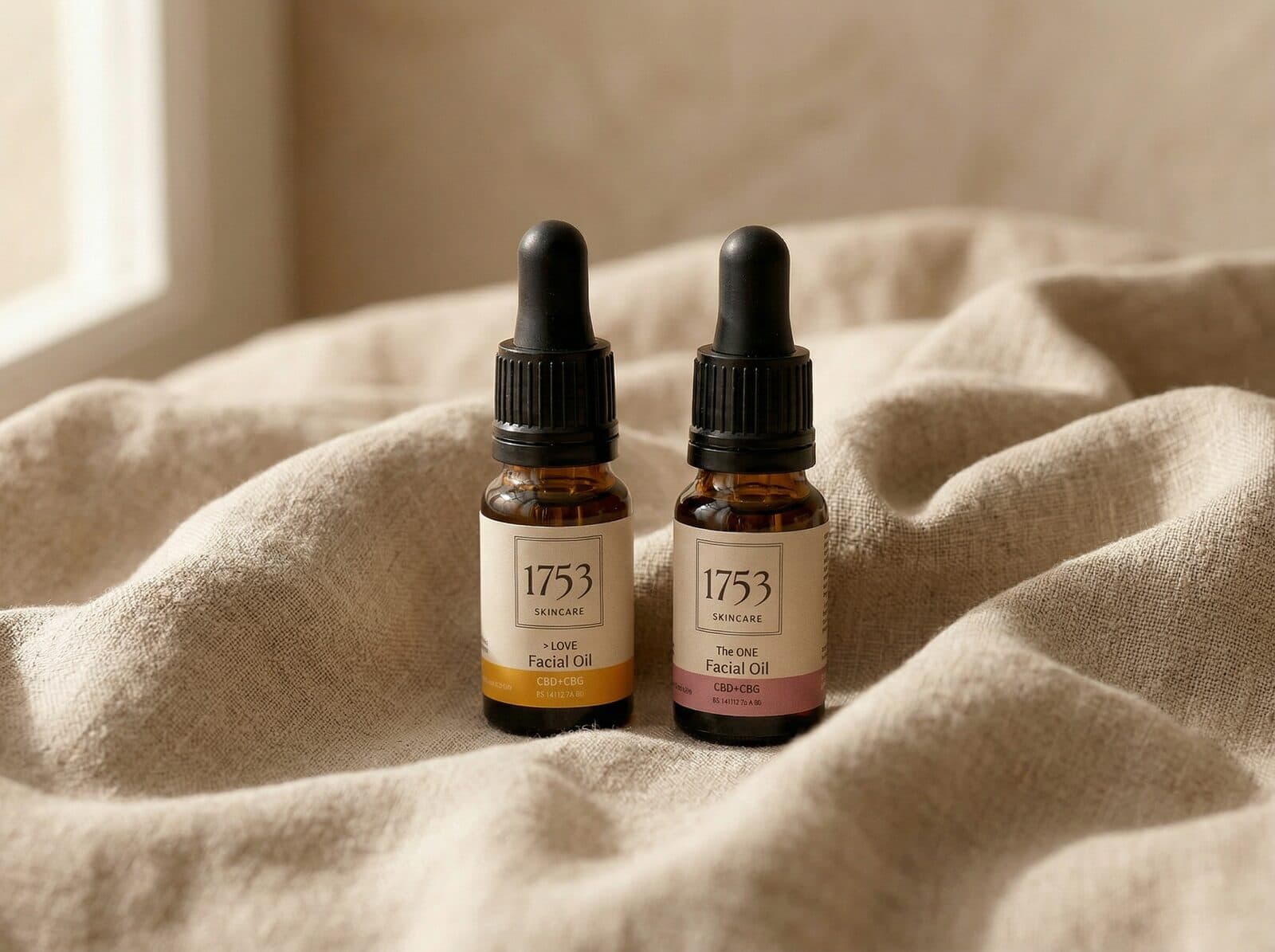
The ONE and I LOVE take a different route: a skin-regulating oil and a calming CBG serum in a format that does not pile on extra steps. For many people who are tired of “more actives, more exfoliation, more everything,” that is a more practical way to build a routine they can actually stick to.
The point is not to demonize silicones for sport. The point is that if you want skincare that feels clean, simple, and less compromised, 1753’s approach is fairly obvious: fewer distractions, more respect for the skin’s own rhythm. And if you want gentle cleansing, Au Naturel Makeup Remover is the natural starting point.
Frequently asked questions
Do silicones really suffocate the skin?
Not in a biological sense. Skin gets oxygen from the blood supply, not through the cream on top. That said, a very heavy formula can feel too sealed for some people.
Is dimethicone bad for acne?
Not automatically. Dimethicone is often fairly inert and used to reduce friction and irritation. Acne is more often about the whole formula, the skin’s state, and how you cleanse.
What does cyclopentasiloxane do in skincare?
It helps products spread easily and gives a lightweight, silky finish. It also tends to evaporate quickly, which is why it is common in lighter formulas.
Are silicones bad for the environment?
It depends on the specific silicone and how much biodegradability matters to you. For some, that is a clear downside; for others, skin feel and function weigh more heavily.
Sources
- Proksch E, Brandner JM, Jensen JM. The skin: an indispensable barrier. Exp Dermatol 2008;17(12):1063–1072.
- Byrd AL, Belkaid Y, Segre JA. The human skin microbiome. Nat Rev Microbiol 2018;16(3):143–155.
Article reviewed by Christopher Genberg, founder of 1753 SKINCARE.
Related articles
Myth Busting
Are parabens dangerous – or just overblamed?
Parabens have picked up a pretty heavy reputation in skincare conversations. People often hear about...
Myth Bust
Alcohol in skincare – not always the villain
A lot of people learn one simple rule: if they see alcohol on an ingredient list, they should avoid ...
Myth Buster
Sulfates skin – not the villain, not always the fit
Sulfates often get blamed for everything from dryness to breakouts. But the truth is more nuanced: S...
Ingredient Portrait
mct oil skin – light, clean, surprisingly clever
MCT oil is not just another oil sitting on top of your face. It’s fractionated coconut oil built aro...
Ingredient Portrait
Vitamin e skin – the quiet shield
Vitamin E is one of skincare’s most misunderstood ingredients. It doesn’t act like a flashy quick fi...
Ingredient Portrait
aha bha risks – when smooth skin becomes a bad deal
AHA, BHA and PHA can brighten skin fast, but they can also fool you. What looks like progress is som...