
Myth Busting
Are parabens dangerous – or just overblamed?
Parabens have picked up a pretty heavy reputation in skincare conversations. People often hear about estrogen mimicry, breast cancer papers, and “endocrine disruptors” and assume the answer is obvious. But as usual, it depends on which paraben, at what concentration, and in what real-world exposure.

Are all parabens a problem?
The myth usually sounds simple: parabens are synthetic preservatives, they can act like estrogen, so they must be dangerous. There is a kernel of truth here. In lab settings, some parabens — especially methylparaben — can bind weakly to estrogen receptors. But the effect is far weaker than the body’s own hormones, and it is dose-dependent.
That distinction matters: mechanism is not the same thing as real-world risk. Methylparaben, for example, is one of the most studied parabens, and the data have been reviewed repeatedly. EU regulation sets specific limits for use, precisely to keep exposure well below levels associated with concern. That is a very different story from saying “all parabens are bad.”
Breast cancer papers often get a lot of attention, but many show associations or detect traces in tissue without proving cause. That does not make the question irrelevant. It just means the science needs a calm read: formulation, dose, skin type, and total exposure all matter. If you want a more realistic lens than marketing fear, that is the place to start.
What can you do in practice?
Choose sensible preservation
Products need to stay safe over time, but that does not mean they need a long list of controversial extras. Sensible formulation beats trendy fear every time.
Cut unnecessary layering
The more products you stack, the more ingredients you expose your skin to overall. A simpler routine is often gentler and far easier to keep track of.
Separate irritation from risk
If something stings or feels off, that is not the same as a hormone effect. Skin reactions are often more ordinary: barrier stress, fragrance, or over-cleansing.
Think dose, not just name
Dose is the key word here. An ingredient can sound dramatic on paper and still be very different at the concentration actually used in cosmetics.

How to choose skincare with less noise
If you want to reduce exposure to debated preservatives, the most practical move is often to choose products with short, clear ingredient lists. It is not magic, just good formulation logic. Less unnecessary stuff means less to worry about.
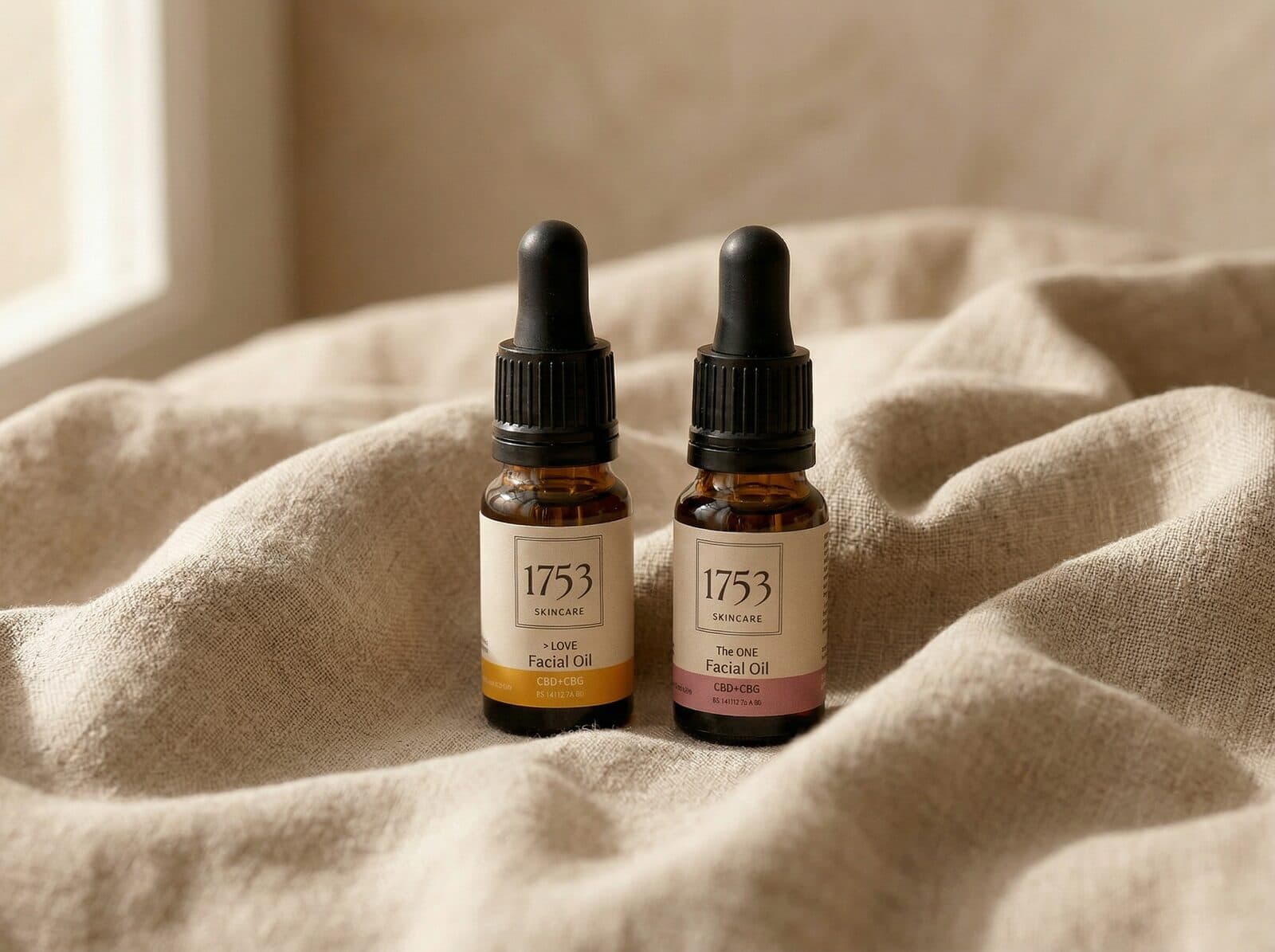
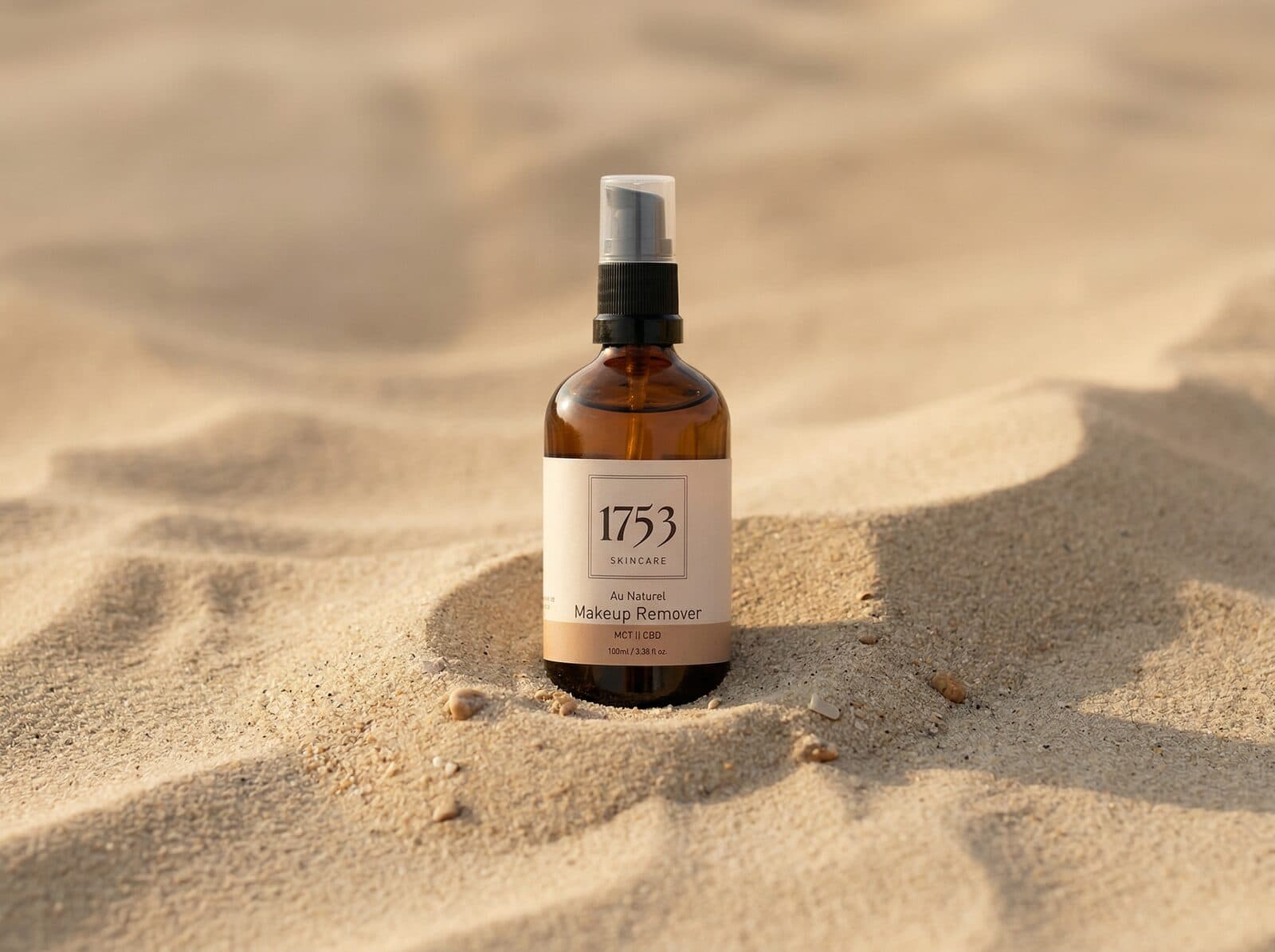
That is where the DUO-kit fits naturally: The ONE and I LOVE are built around a straightforward, skin-first idea rather than a long list of questionable extras. And Au Naturel Makeup Remover does exactly what the name suggests — gentle cleansing with MCT oil and a deliberately minimal formula, without unnecessary preservatives.
It is also why many people turn to this kind of routine when they are tired of aggressive cleansing, over-exfoliating, and products that feel more like chemistry homework than skincare. The 1753 view is simple: give skin less drama, not more actives. Choose what does the job without turning your bathroom cabinet into a debate club.
Frequently asked questions
Is methylparaben worse than other parabens?
Methylparaben is one of the most studied parabens and is generally considered among the milder members of the group. What matters most is concentration, the full formula, and how often you use it — not just the word on the label.
Does estrogen mimicry mean it affects hormones in real life?
Not necessarily. Estrogen mimicry in lab studies usually means weak receptor activity, but that does not automatically translate to meaningful effects in the skin or body during normal use.
What does EU regulation say about parabens?
The EU allows certain parabens within set limits and has restricted others when the data suggested caution. It is a good reminder that safety is about dose and exposure, not panic.
Should I avoid every product with parabens?
That depends on your preferences, routine, and how much simplicity matters to you. If you want to keep things lean, there are plenty of options with shorter ingredient lists, like The ONE, I LOVE, and Au Naturel Makeup Remover.
Sources
- Proksch E, Brandner JM, Jensen JM. The skin: an indispensable barrier. Exp Dermatol 2008;17(12):1063–1072.
- Byrd AL, Belkaid Y, Segre JA. The human skin microbiome. Nat Rev Microbiol 2018;16(3):143–155.
Article reviewed by Christopher Genberg, founder of 1753 SKINCARE.
Related articles
Myth Bust
Alcohol in skincare – not always the villain
A lot of people learn one simple rule: if they see alcohol on an ingredient list, they should avoid ...
Myth Buster
Sulfates skin – not the villain, not always the fit
Sulfates often get blamed for everything from dryness to breakouts. But the truth is more nuanced: S...
Myth Busting
Silicones skin – does it really suffocate?
The myth is tidy: put silicones on the skin and you trap it. It sounds plausible, especially if you’...
Ingredient Portrait
mct oil skin – light, clean, surprisingly clever
MCT oil is not just another oil sitting on top of your face. It’s fractionated coconut oil built aro...
Ingredient Portrait
Vitamin e skin – the quiet shield
Vitamin E is one of skincare’s most misunderstood ingredients. It doesn’t act like a flashy quick fi...
Ingredient Portrait
aha bha risks – when smooth skin becomes a bad deal
AHA, BHA and PHA can brighten skin fast, but they can also fool you. What looks like progress is som...