
Stress Rash
Stress rashes – when skin starts protesting
It often starts as itchy patches, sudden welts, or hands that feel dry, tight, and angry when life speeds up. You are not imagining it. Stress can push skin into defence mode, and that skin needs less harshness, not more.

Why do stress rashes show up now?
When the body is under pressure, the HPA axis kicks in – the communication loop between the brain, adrenal glands and stress hormones. That can weaken the skin barrier, increase itch and fuel neurogenic inflammation, a nerve-driven inflammatory response that makes skin more reactive. It helps explain why urticaria, dyshidrotic eczema and other stress-linked rashes can feel like they appear out of nowhere.
Conventional skincare can make that worse. Harsh cleansing, too much exfoliation and strong actives on already stressed skin can strip the barrier further and leave it even more sensitive. Skin does not need to be scrubbed into calm; it needs support, lipids and fewer triggers.
We do not diagnose, but the pattern is familiar: poor sleep, pressure, heat, sweat and emotional load stack up, and skin often becomes the first place where it shows. If you get swelling of the face, breathing issues, fever, blisters, rapidly spreading rash or a sudden severe flare, seek medical care right away.
Here’s what to do today
Cool things down
Step away from heat, hard workouts and scorching showers when your skin is flaring. Cooler air, looser clothes and a few slow breaths can take the edge off the stress response that often fuels the itch.
Cleanse less, gently
Switch to a mild cleanser and keep friction to a minimum. Au Naturel Makeup Remover also works as a soft daily cleanse when you want to remove grime without stripping the barrier.
Cut the irritants
Pause acids, retinoids, heavy fragrance and new products until the skin settles. A stressed-out rash wants fewer inputs, not a bigger routine.
Moisturise before it burns
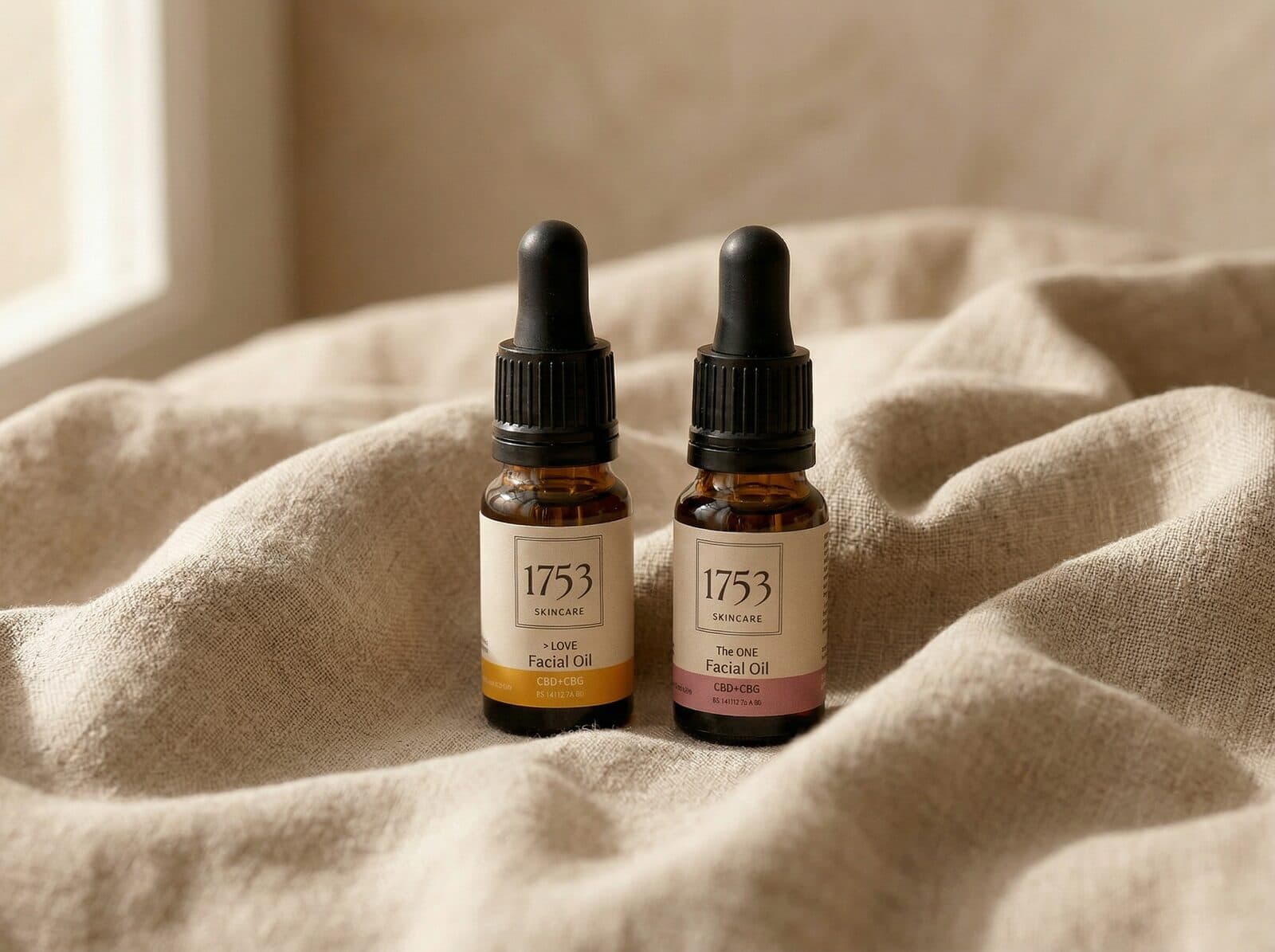
Apply a skin-regulating oil to slightly damp skin to ease tightness and support the barrier. The ONE is a simple step when skin feels reactive and fragile.
Track the pattern
Note when the rash appears: after bad sleep, conflict, your period, sweating or certain foods. The pattern usually tells you more than random trial and error.

How to actually calm it long term
This is not about fighting your skin. It is about lowering the signals that keep the nervous system and skin stuck in overdrive. A DUO kit with The ONE and I LOVE can be a quiet everyday support: the oil helps skin feel more regulated, while the CBG serum is made to soothe and give reactive skin less to push against.
When skin is stressed, simplicity is a strategy, not a downgrade. Au Naturel Makeup Remover gives you gentle cleansing without unnecessary friction, which is often exactly what reactive skin needs. If stress also shows up in your body, Fungtastic Mushroom Extract can offer inside-out support for immune function and gut health, two systems closely linked to how resilient skin feels.
Over time, you win by building a routine that does not keep poking the HPA axis: fewer over-treatments, more recovery, softer cleansing and products that respect skin’s pace. That is where 1753 fits in – not as a quick fix, but as a way to stop treating stressed skin like it should be tougher than it feels.
Products we recommend
 Save €34
DUO kit
Two face oils, one for morning and one for evening. Simple skincare that works with your skin, not against it.
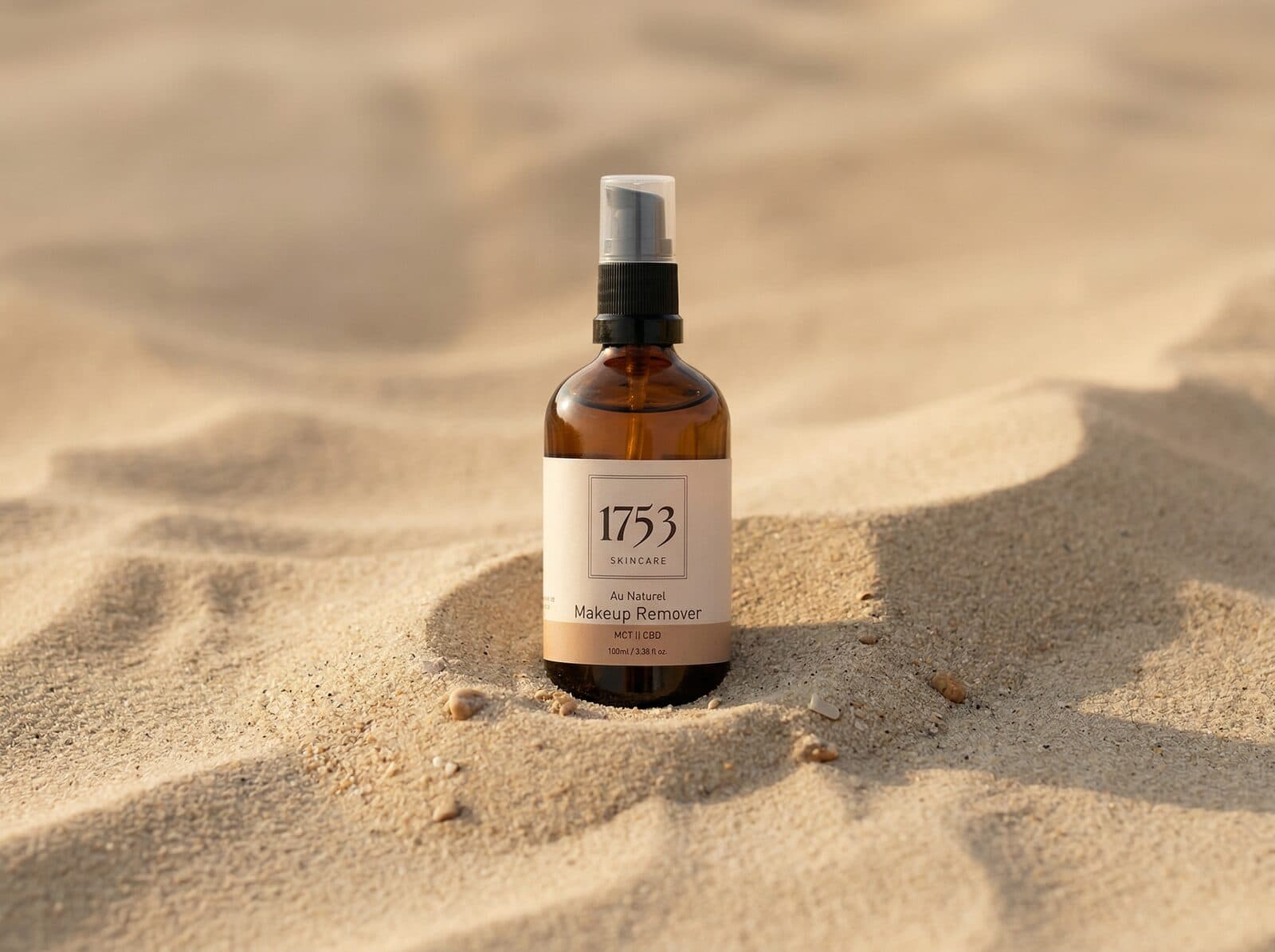
Au Naturel Makeup Remover
A cleansing oil with MCT and CBD that removes makeup and buildup without stripping your skin bare.
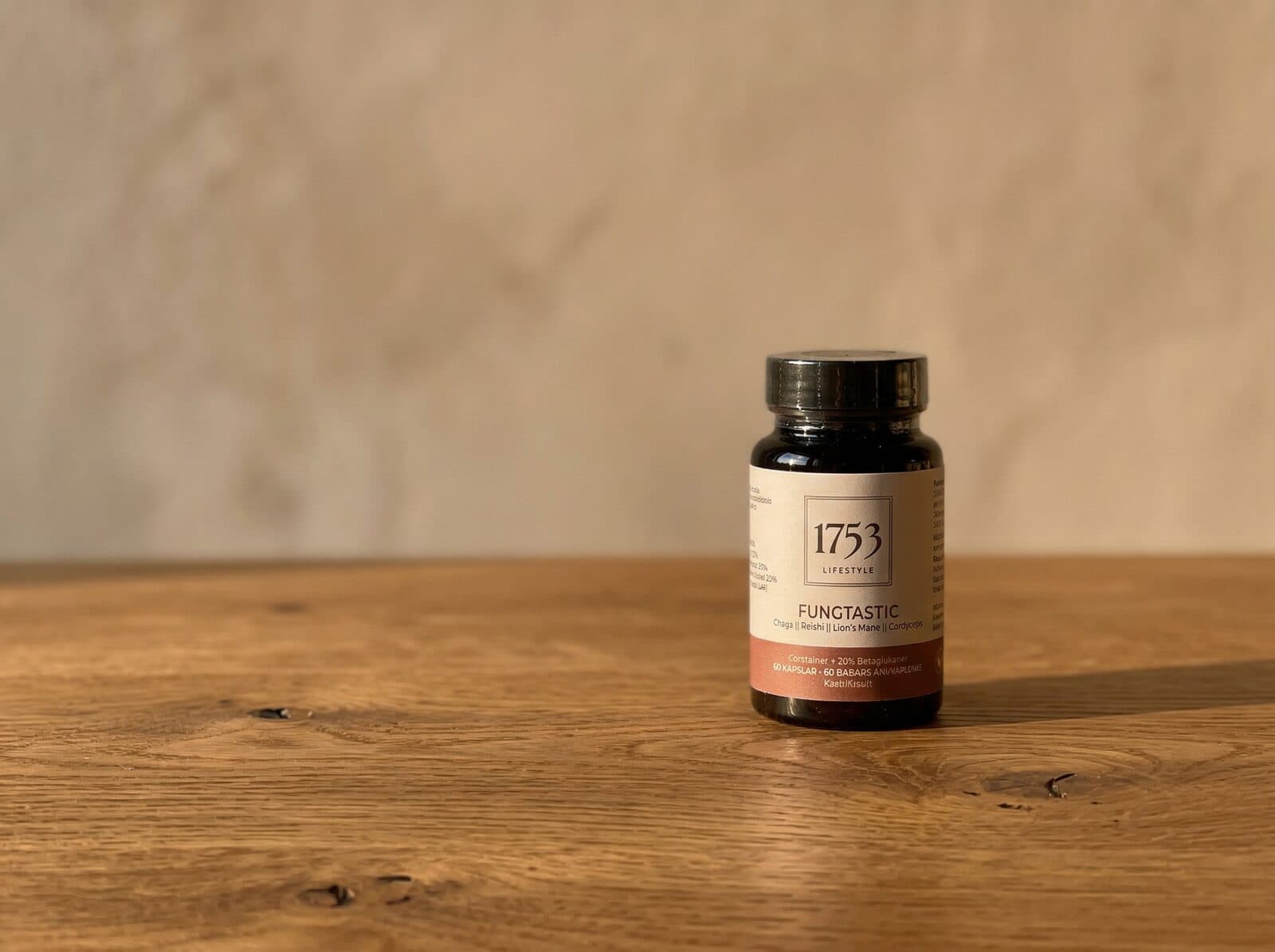

Fungtastic Mushroom Extract
Four mushrooms in one formula to support immunity, focus, energy and sleep from within.
Frequently asked questions
Are stress rashes always allergies?
No. Stress rashes can look like allergies, but they are often driven by nerve signalling, barrier stress and inflammation. Hives can have other causes too, so if it keeps happening, it is worth getting checked.
Can stress cause dyshidrotic eczema?
Stress is a common trigger for many people, especially when sleep loss, sweat and friction are part of the mix. It usually means the skin has become more reactive, not that you did anything wrong.
Should I stop all skincare?
Not necessarily, but you may need to reduce to what your skin can truly handle. Choose a gentle cleanse, fewer steps and soothing products until the barrier feels steadier.
When should I see a doctor?
Get medical help if you have breathing trouble, swelling of the lips or face, fever, blisters, sores, a rash that spreads quickly or symptoms that do not settle. Better one extra visit than waiting too long.
Sources
- Byrd AL, Belkaid Y, Segre JA. The human skin microbiome. Nat Rev Microbiol 2018;16(3):143–155.
- Salem I, Ramser A, Isham N, Ghannoum MA. The Gut Microbiome as a Major Regulator of the Gut-Skin Axis. Front Microbiol 2018;9:1459.
- Chen Y, Lyga J. Brain-skin connection: stress, inflammation and skin aging. Inflamm Allergy Drug Targets 2014;13(3):177–190.
Article reviewed by Christopher Genberg, founder of 1753 SKINCARE.
Related articles
SYMPTOM
Itchy skin – why nights make it worse
You finally lie down, and then it starts. The itch that was manageable all day suddenly takes over y...
Symptom
Flaky skin – when your skin starts shedding
When skin starts lifting in little flakes, it’s tempting to assume it needs a stronger cleanser, ano...
Symptom
Dry skin around mouth – when the skin pushes back
It often starts as tightness, flaking or tiny red patches right around the mouth. Sometimes it sting...
Skin Barrier
Skin microbiome – why balance changes everything
Your skin is not sterile. It’s an ecosystem where trillions of microbes help keep the barrier strong...
Condition
Hormonal acne – why it keeps coming back
Deep breakouts around the chin, jaw and lower face are rarely just “bad skin.” More often, they’re a...
Skin Condition
Seborrheic dermatitis – why skin flakes
Red, flaky, stubborn. Seborrheic dermatitis loves the places where skin is richest in sebum: the T-z...