
Myth Busting
Triclosan skin – when clean went too far
It was easy to believe that antibacterial meant better, especially in soap and cleansers. But with triclosan skin, that idea has been challenged more and more. When one ingredient is asked to kill bacteria, be used often, and still stay kind to skin, the promise gets complicated fast.

Is more antibacterial really better for skin?
The triclosan story grew out of an old soap mindset: the more you remove, the safer you must be. Triclosan was added to hand soaps, body washes, and even toothpaste to suppress bacteria, but skin is not a sterile surface. It carries a microbiome that helps keep the barrier in balance, and disturbing that ecosystem can make skin more reactive, not less.
Science has also raised a real concern around resistance. When antibacterial agents are used broadly and often, microbes can face pressure to adapt. In 2016, the FDA decided that triclosan-based antibacterial wash products could no longer be marketed as over-the-counter antibacterial cleansers in the US, because the benefit did not clearly outweigh the uncertainty.
That does not mean every antibacterial idea is wrong. It depends on context, dose, and frequency. But for everyday skin care, the better question may be: do you really need another hard-working active, or do you need a calmer routine that lets skin do its job?
Five smarter habits
Choose a gentle cleanse
Soap history shows that clean does not have to feel stripped. A mild oil cleanser removes makeup and daily grime without putting skin on the defensive.
Skip unnecessary antibacterial steps
Unless there is a medical reason, extra antibacterial ingredients are rarely needed in daily skin care. Skin often does better with fewer interruptions.
Think barrier first
A balanced barrier handles everyday stress more gracefully. Look for formulas that support skin instead of constantly challenging it.
Keep ingredient lists short
Short lists are not magic, but they make it easier to understand what your skin is actually exposed to. They also reduce the chances of a product creating the very problems you are trying to avoid.
Retire harsh habits
Over-exfoliating and aggressive cleansing often do more harm than good. Calm the routine first, then decide what active ingredients are truly worth keeping.

How to take the calmer route
If you want to move away from triclosan skin logic, the simplest path is also the most sensible one: cleanse gently, respect the barrier, and stop chasing antibacterial power where it is not needed. Skin does not have to be stripped to be clean.
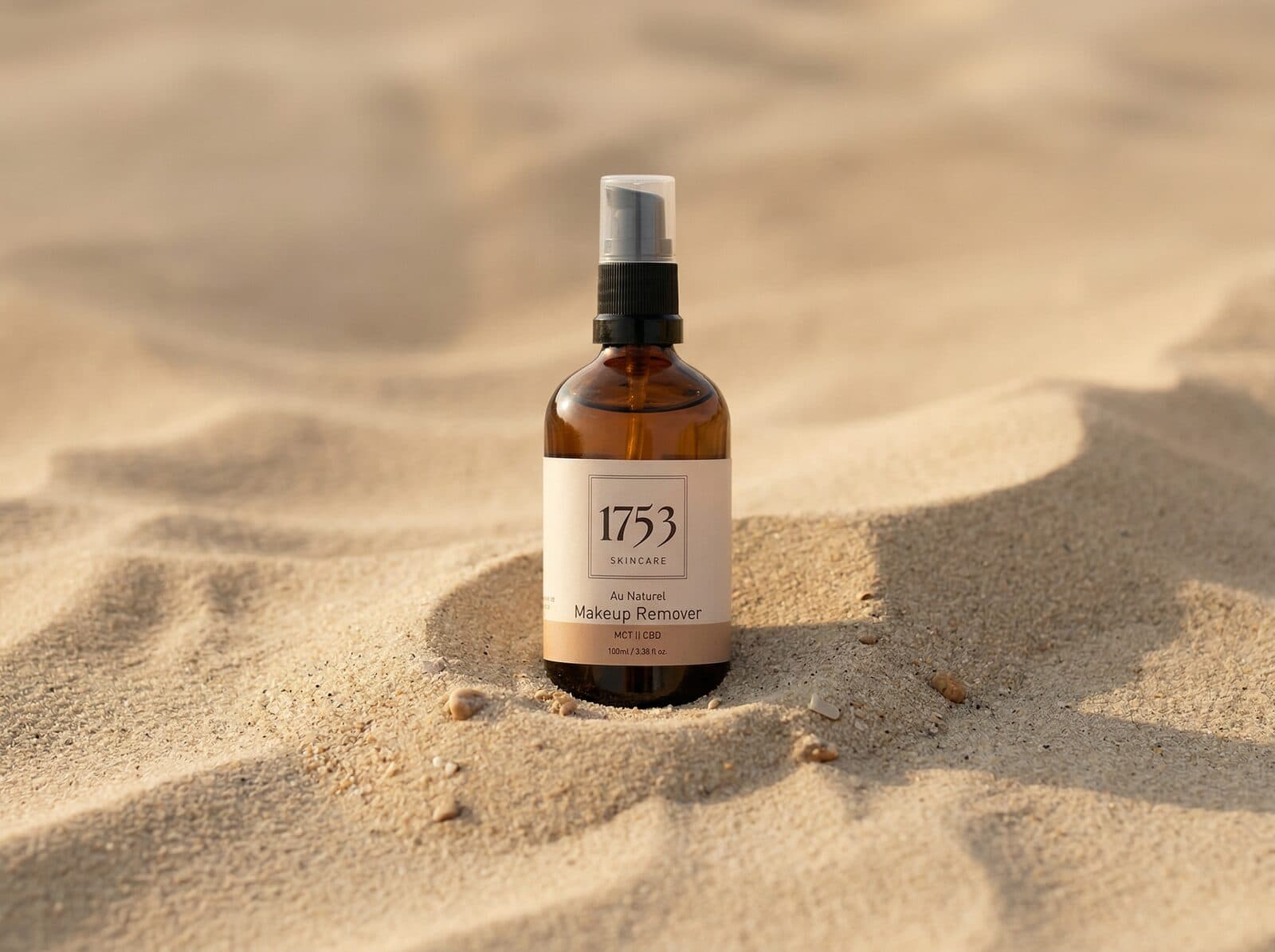
Au Naturel Makeup Remover makes that clear with MCT oil and a deliberately short ingredient list. No unnecessary preservatives, no extra clutter – just a mild cleanser that lifts makeup without pushing the skin around more than necessary. For many people, that is a better answer than anything trying to be “extra clean”.
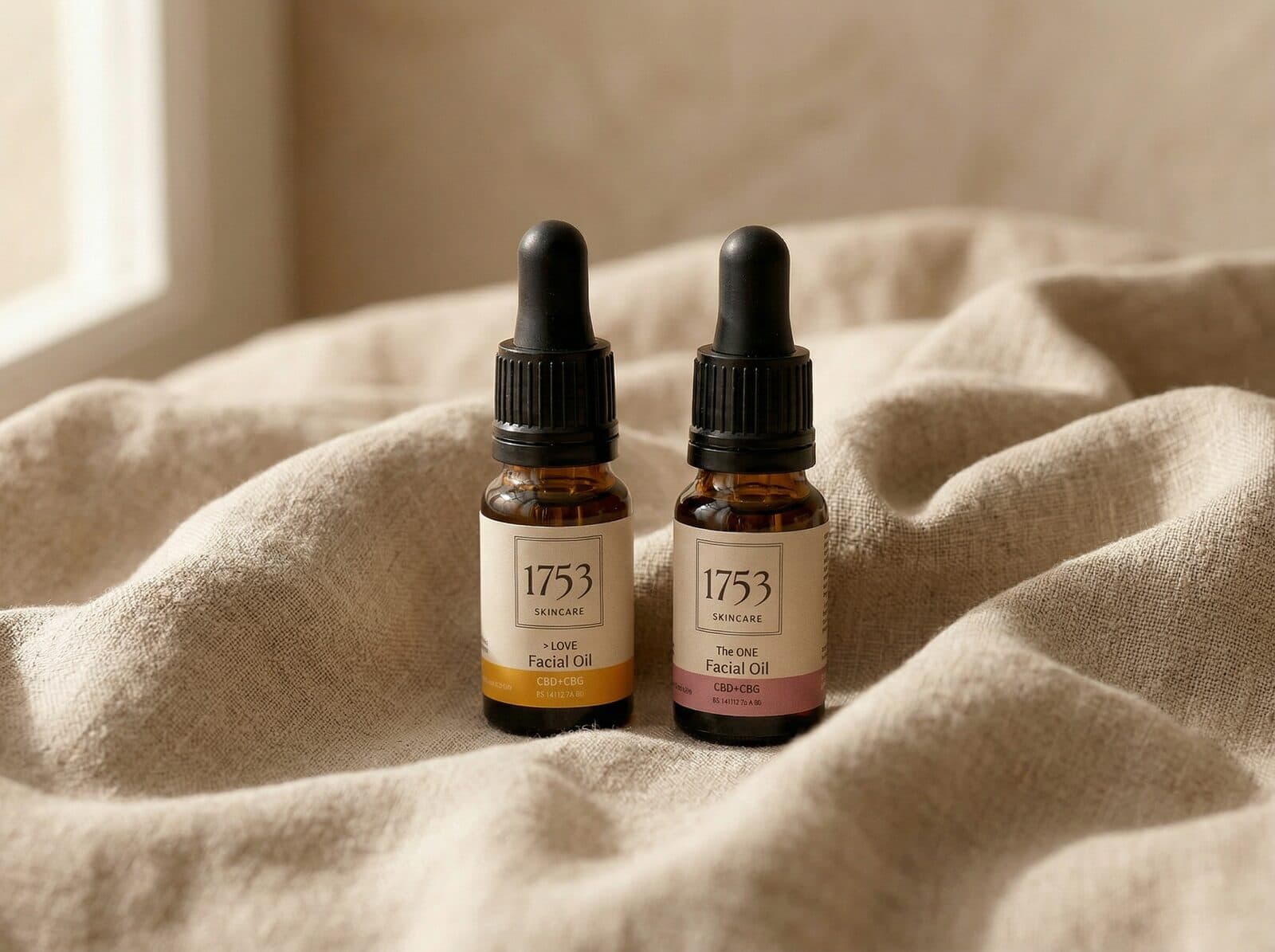
If you want to build from there, DUO-kit fits naturally: The ONE and I LOVE keep the routine focused on skin regulation and calm, not overload. It is not a fight against skin, but a way to help it work better with fewer questionable ingredients. That is very 1753: less dogma, more skin.
Frequently asked questions
What was wrong with triclosan?
Triclosan was used for its antibacterial effect, but the benefit in everyday products proved limited. At the same time, concerns grew around microbiome disruption, resistance, and possible hormone-related effects.
Why did triclosan disappear from many products?
In 2016, the FDA blocked common antibacterial wash products with triclosan from being sold as OTC antibacterial cleansers in the US. The evidence did not show enough advantage over plain soap and water.
Is antibacterial always bad?
No, it depends on the setting. In medical contexts it can have a role, but in daily skin care, gentle cleansing and a less aggressive routine are often enough.
What is a better skin care alternative?
Look for short ingredient lists and formulas without unnecessary antibacterial add-ons. Au Naturel Makeup Remover and DUO-kit were made with that simpler approach in mind.
Sources
- Proksch E, Brandner JM, Jensen JM. The skin: an indispensable barrier. Exp Dermatol 2008;17(12):1063–1072.
- Byrd AL, Belkaid Y, Segre JA. The human skin microbiome. Nat Rev Microbiol 2018;16(3):143–155.
Article reviewed by Christopher Genberg, founder of 1753 SKINCARE.
Related articles
Myth Busting
Are parabens dangerous – or just overblamed?
Parabens have picked up a pretty heavy reputation in skincare conversations. People often hear about...
Myth Bust
Alcohol in skincare – not always the villain
A lot of people learn one simple rule: if they see alcohol on an ingredient list, they should avoid ...
Myth Buster
Sulfates skin – not the villain, not always the fit
Sulfates often get blamed for everything from dryness to breakouts. But the truth is more nuanced: S...
Ingredient Portrait
mct oil skin – light, clean, surprisingly clever
MCT oil is not just another oil sitting on top of your face. It’s fractionated coconut oil built aro...
Ingredient Portrait
Vitamin e skin – the quiet shield
Vitamin E is one of skincare’s most misunderstood ingredients. It doesn’t act like a flashy quick fi...
Ingredient Portrait
aha bha risks – when smooth skin becomes a bad deal
AHA, BHA and PHA can brighten skin fast, but they can also fool you. What looks like progress is som...