
Symptom
Dry scalp – not always dandruff
It’s easy to assume every flake means dandruff. But a dry scalp often feels tight, gets itchier after washing, and worsens in cold weather or when shampoo becomes a daily habit. The fix is rarely harsher cleansing; it’s usually less friction and more calm.

Is it dandruff – or just a dry scalp?
A dry scalp usually shows up as fine, dry flakes, tightness, and that “pulled” feeling after washing. Dandruff is often tied to a faster turnover in the scalp and tends to look greasier, with larger flakes. They can look similar from a distance, but they are not the same story.
Behind dryness, the scalp barrier is often under stress: cold weather, low humidity, hot showers, and shampoo-overuse can disrupt the skin’s lipids and make water escape more easily. Barrier research consistently shows that when that protective layer is irritated, itch and sensitivity rise. In plain terms: the more you strip it, the more it protests.
That’s why the usual advice to “wash harder” misses the point. A dry scalp often needs simpler cleansing, fewer actives, and enough support to stop the cycle of stripping and rebound irritation. If you see strong redness, sores, heavy shedding, or symptoms that keep coming back, it’s worth getting checked by a clinician.
Do this today
Wash less often
If you shampoo out of habit, try spacing washes a little further apart. Even one extra day can reduce the feeling that your scalp is constantly being reset.
Use lukewarm water
Hot water can make a stressed scalp barrier feel even drier. Lukewarm water is enough to cleanse without making the skin feel punished.
Massage gently
Use the pads of your fingers, not your nails. Short, soft movements help distribute products without turning the routine into a scalp scrub.
Keep product on skin
Apply treatment to the scalp itself, not the lengths. That way you support the dry area without making the hair look flat or heavy.
Respect winter stress
Cold weather, hats, and dry indoor air can make dryness worse. Think seasonal adjustment, not a stronger routine.

How to actually fix it
For a dry scalp, the goal is not to chase flakes with harsher cleansing. It’s to support the skin so it can hold water better and stop acting irritated all the time. That’s where The ONE and I LOVE fit naturally: one as a skin-regulating oil, the other as a soothing CBG serum for a scalp that feels reactive. Used together, the DUO-kit supports the surface without weighing the hair down when you keep the dose light.
If you need a gentle clean, Au Naturel Makeup Remover is the kind of simple MCT oil-based option that can help lift residue without adding the dryness that many shampoos leave behind. For a scalp barrier that’s already stressed, less drama is usually the smarter move. Clean, but not stripped.
For a broader routine, Fungtastic Mushroom Extract can support the body from within with chaga, reishi, lion’s mane, and cordyceps. It’s not a quick cosmetic trick, but it suits people who want to think beyond the surface and support immune and gut health too. Dry scalp often improves when the whole system gets a little less chaos.
Products we recommend
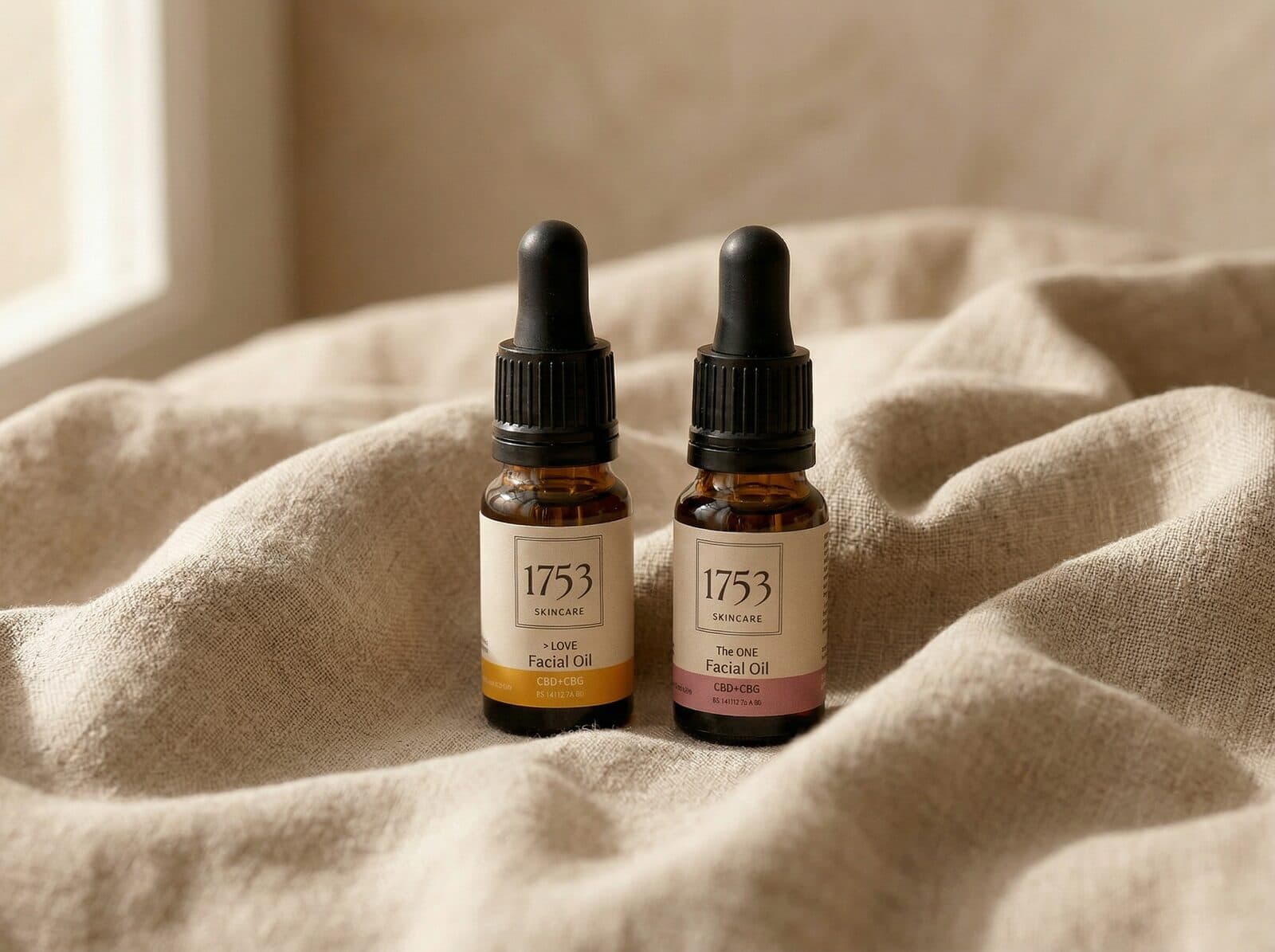
 Save €34
DUO kit
Two face oils, one for morning and one for evening. Simple skincare that works with your skin, not against it.
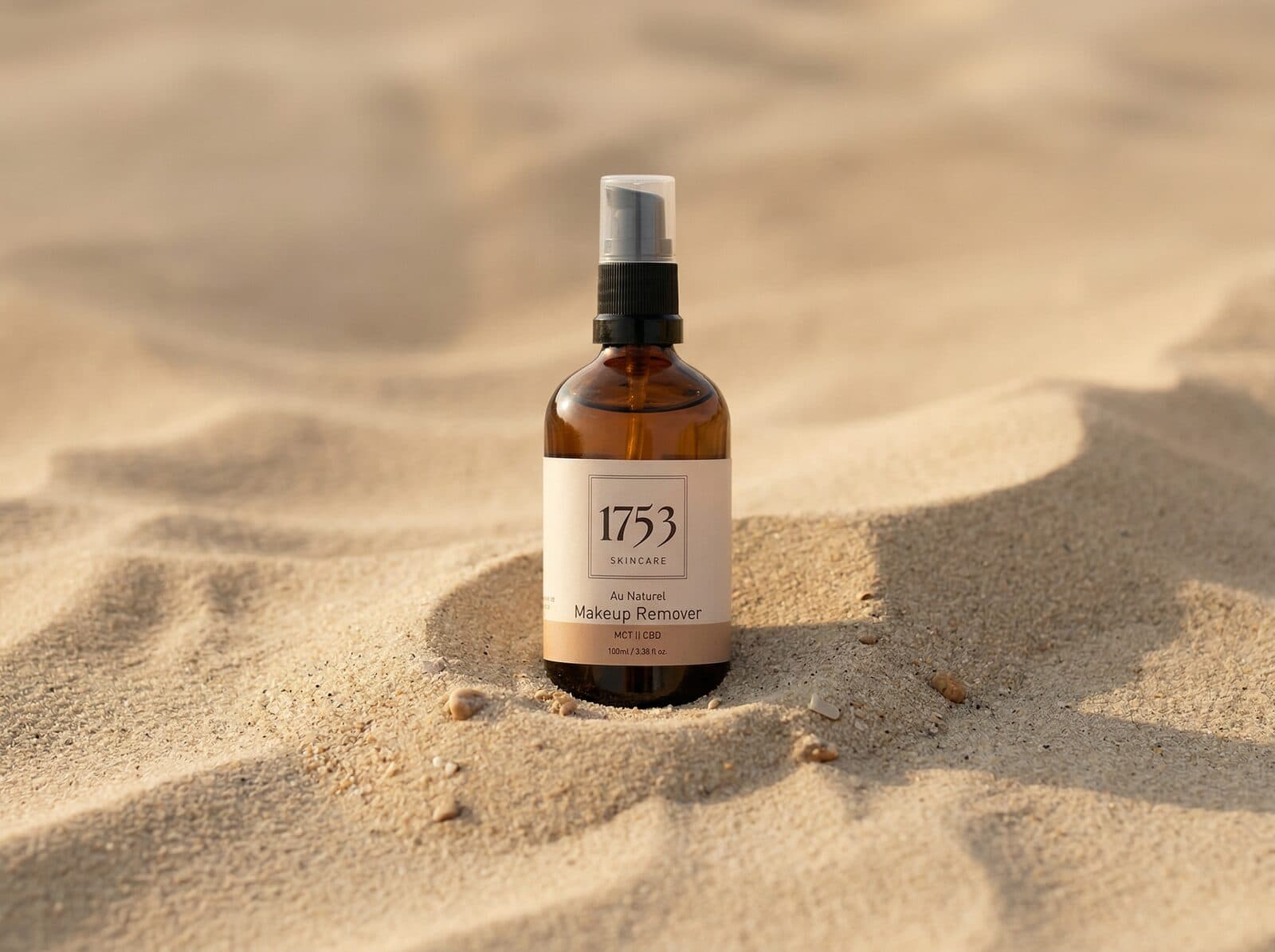
Au Naturel Makeup Remover
A cleansing oil with MCT and CBD that removes makeup and buildup without stripping your skin bare.
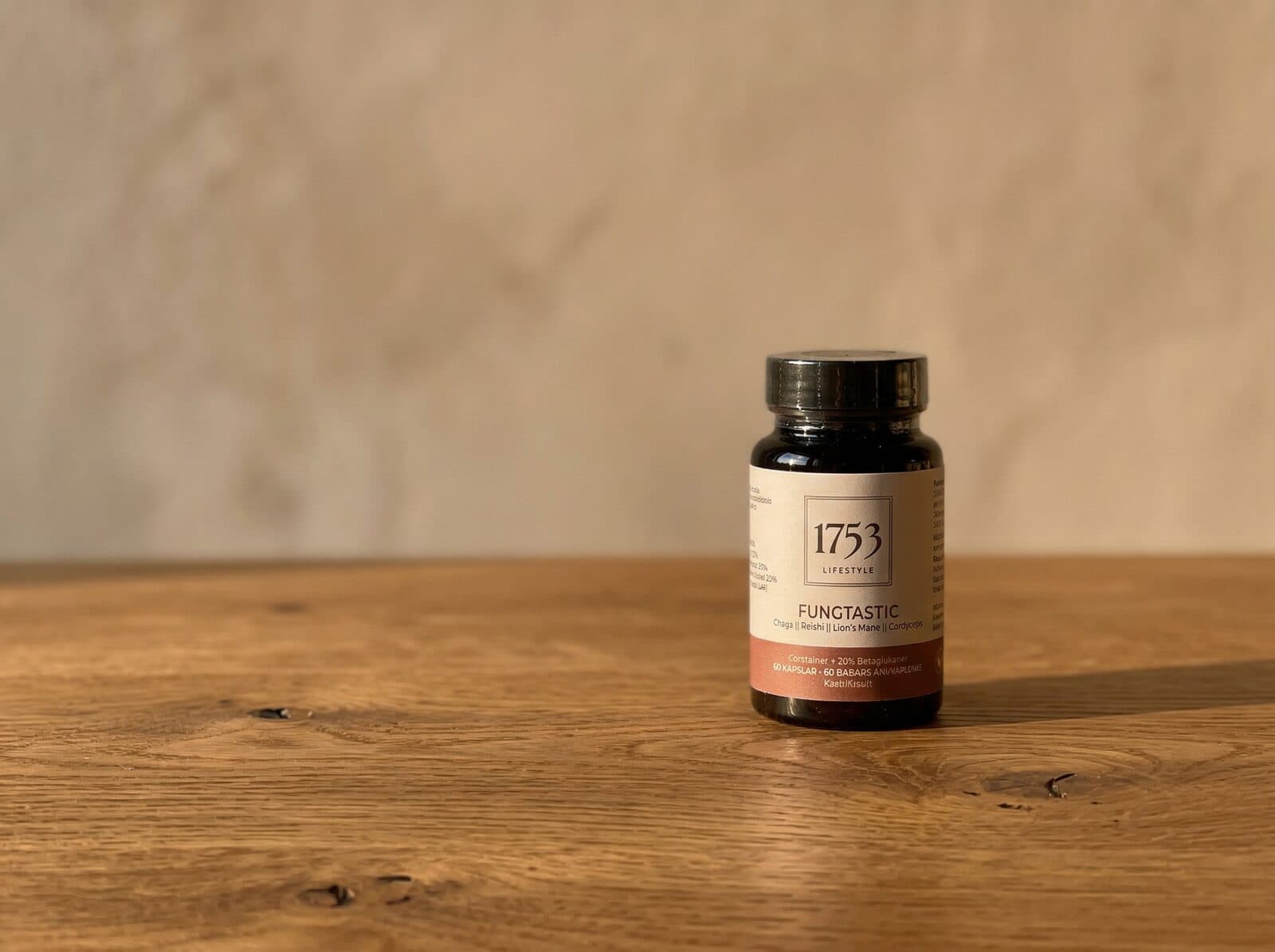
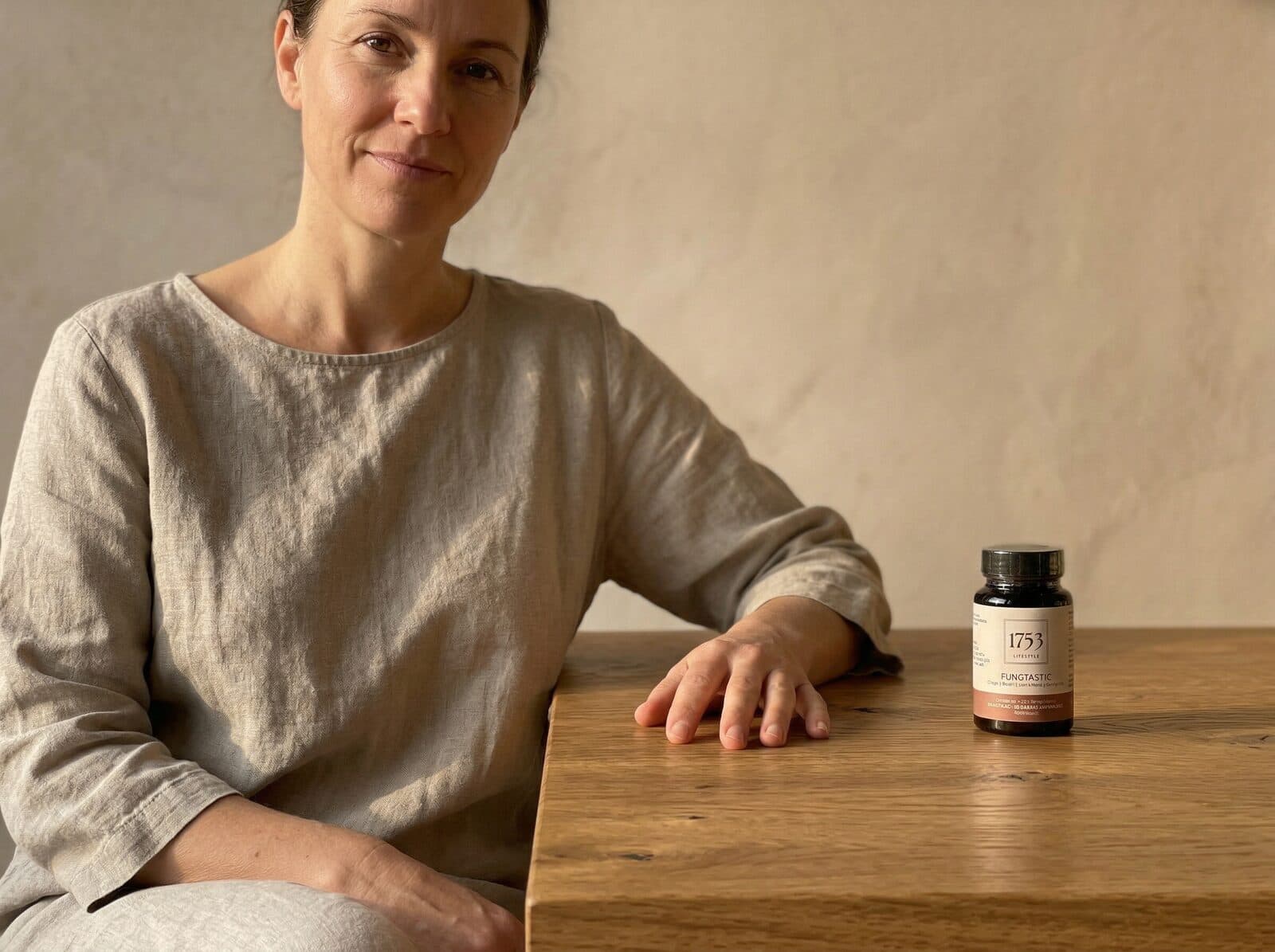
Fungtastic Mushroom Extract
Four mushrooms in one formula to support immunity, focus, energy and sleep from within.
Frequently asked questions
How do I tell dry scalp from dandruff?
Dry scalp usually gives you small, dry flakes and a tight feeling, while dandruff is more often oilier with larger flakes. If your scalp feels worse after washing or in cold weather, dryness is more likely.
Can I use oil on my scalp without making hair greasy?
Yes, if you use a small amount and focus on the skin, not the lengths. The ONE is designed to be lighter than many classic oils, so technique matters more than overapplying.
Is dry scalp worse in winter?
Very often. Cold weather, low humidity, and hats can stress the scalp barrier and make water loss more noticeable. That’s when gentler cleansing and lighter hydration usually help most.
When should I see a doctor?
If you have strong redness, sores, swelling, significant shedding, or symptoms that don’t settle with gentler care. We don’t diagnose, so persistent or severe symptoms should be checked by a professional.
Sources
- Byrd AL, Belkaid Y, Segre JA. The human skin microbiome. Nat Rev Microbiol 2018;16(3):143–155.
- Salem I, Ramser A, Isham N, Ghannoum MA. The Gut Microbiome as a Major Regulator of the Gut-Skin Axis. Front Microbiol 2018;9:1459.
- Chen Y, Lyga J. Brain-skin connection: stress, inflammation and skin aging. Inflamm Allergy Drug Targets 2014;13(3):177–190.
Article reviewed by Christopher Genberg, founder of 1753 SKINCARE.
Related articles
SYMPTOM
Itchy skin – why nights make it worse
You finally lie down, and then it starts. The itch that was manageable all day suddenly takes over y...
Symptom
Flaky skin – when your skin starts shedding
When skin starts lifting in little flakes, it’s tempting to assume it needs a stronger cleanser, ano...
Symptom
Dry skin around mouth – when the skin pushes back
It often starts as tightness, flaking or tiny red patches right around the mouth. Sometimes it sting...
Skin Barrier
Skin microbiome – why balance changes everything
Your skin is not sterile. It’s an ecosystem where trillions of microbes help keep the barrier strong...
Condition
Hormonal acne – why it keeps coming back
Deep breakouts around the chin, jaw and lower face are rarely just “bad skin.” More often, they’re a...
Skin Condition
Seborrheic dermatitis – why skin flakes
Red, flaky, stubborn. Seborrheic dermatitis loves the places where skin is richest in sebum: the T-z...