
Symptom
Deep Cystic Acne – when it sits under the skin and won’t budge
Deep cystic acne can feel like a sore, stubborn lump beneath the surface that never quite comes to a head. It lingers, hurts, and makes it feel like every product only stirs things up. You’re not imagining it, and no, the answer is rarely harsher scrubbing or more actives.

Why do deep cysts become so stubborn?
What you’re feeling is usually a deeper inflammatory process around the follicle, where oil and dead skin clog the pore and the immune system responds more aggressively. In nodulocystic acne, that inflammation sits lower in the skin, which is why the bump may never form a neat whitehead.
That’s also why standard spot treatments often disappoint. A pimple patch can be useful for a surface-level, open blemish, but it has clear limits when the problem is buried below the skin. Picking, squeezing, or layering strong acids onto an already irritated area usually adds more redness and swelling than relief.
There are internal and external drivers: stress, hormone shifts, poor sleep, friction from helmets or masks, and skincare that strips the barrier in the name of “clean.” Research also points to inflammation and the skin microbiome as part of the picture. If you get large, very painful nodules, frequent scarring, or you feel unwell, ask for medical help. We don’t diagnose; we help you take the symptom seriously.
What you can do today
Use a cold compress
Wrap an ice compress in a soft cloth and apply it for 5–10 minutes to help calm swelling and tenderness. Take breaks between rounds so the skin doesn’t get irritated by the cold.
Stop touching it
Hands off. Pressing, squeezing, or massaging a deep cyst almost always makes the inflammation louder and the healing slower.
Switch to gentle cleansing
Cleanse with something mild that doesn’t leave the skin tight or squeaky. Your barrier needs less pressure, not more punishment.
Know what patches can’t do
Pimple patch limits matter: they’re helpful for protecting open or leaking spots, but they won’t reach a cyst that’s sitting deep under the skin.
Lower the overall load
Sleep, stress, and food habits all influence inflammation. Small, steady changes often do more than another harsh product ever will.

How to actually get this under control
Start by making the skin feel safe again. Au Naturel Makeup Remover gives you a gentle cleanse with MCT oil, which is a much better move than stripping the face twice a day and hoping for the best. When deep cysts are flaring, less friction is a win.
For the surface, the DUO-kit makes sense when the skin feels inflamed and reactive: The ONE with CBD and MCT can help skin feel more regulated, while I LOVE with CBG is there to support a calmer, more balanced surface. It’s not about flooding the skin with more stuff; it’s about stopping the cycle.
If breakouts keep coming back, Fungtastic Mushroom Extract adds an internal layer of support for immunity and gut health. Skin doesn’t work in isolation, no matter how much the beauty industry acts like it does. And if the nodules are deep, painful, or leaving marks, ask for a derm-referral. Sometimes the smartest move is getting the right medical support early.
Products we recommend
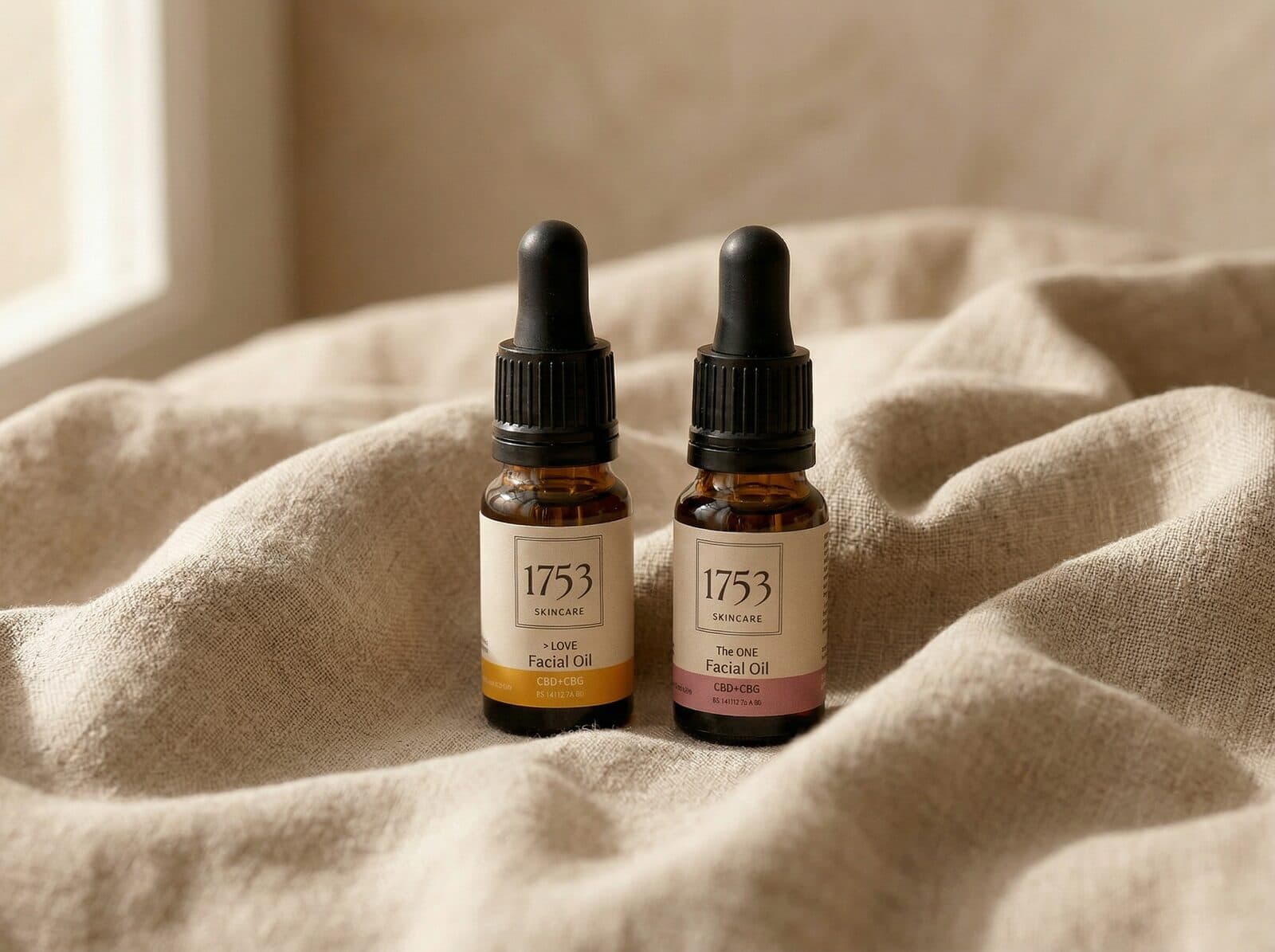
 Save €34
DUO kit
Two face oils, one for morning and one for evening. Simple skincare that works with your skin, not against it.
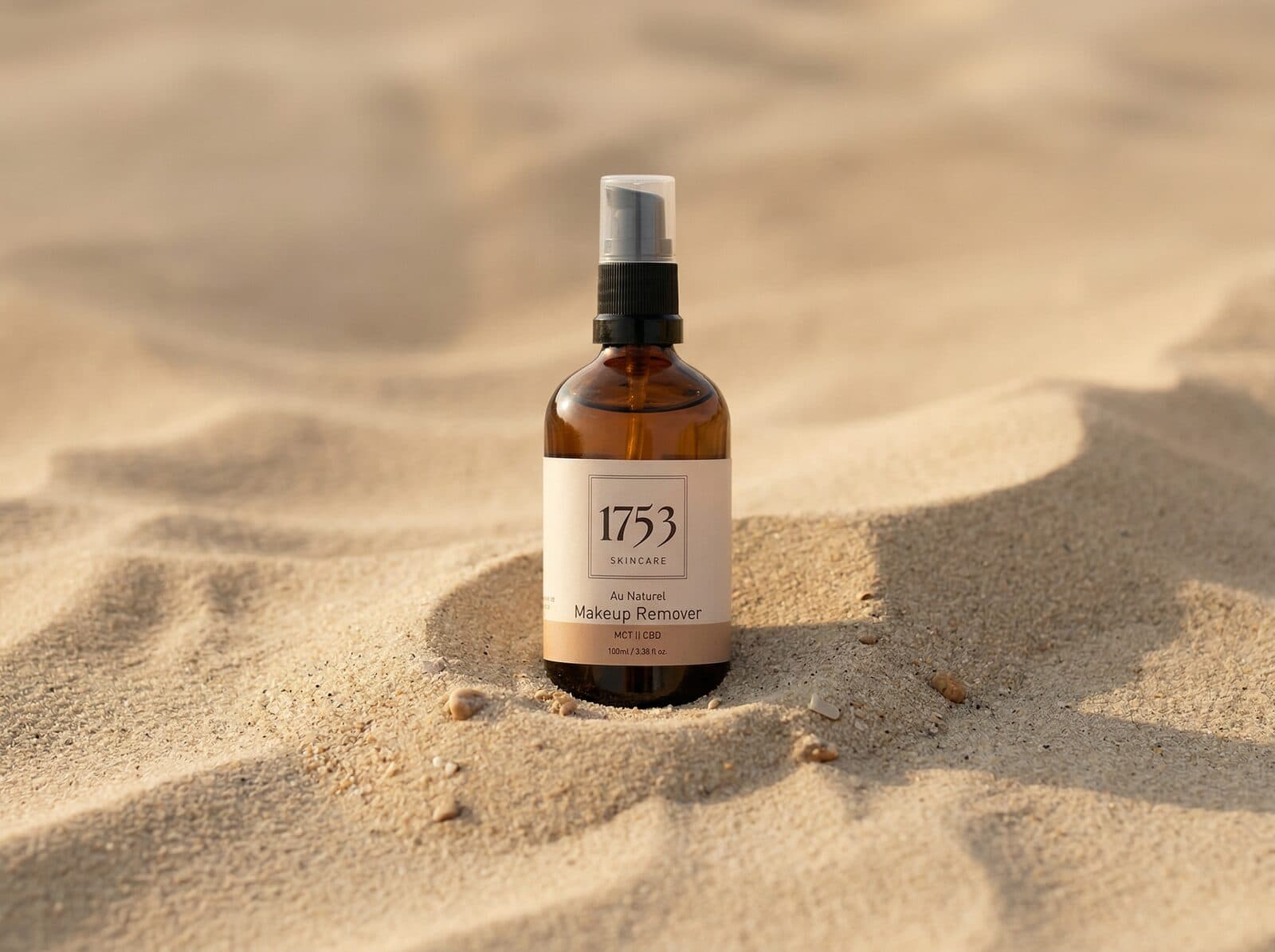

Au Naturel Makeup Remover
A cleansing oil with MCT and CBD that removes makeup and buildup without stripping your skin bare.
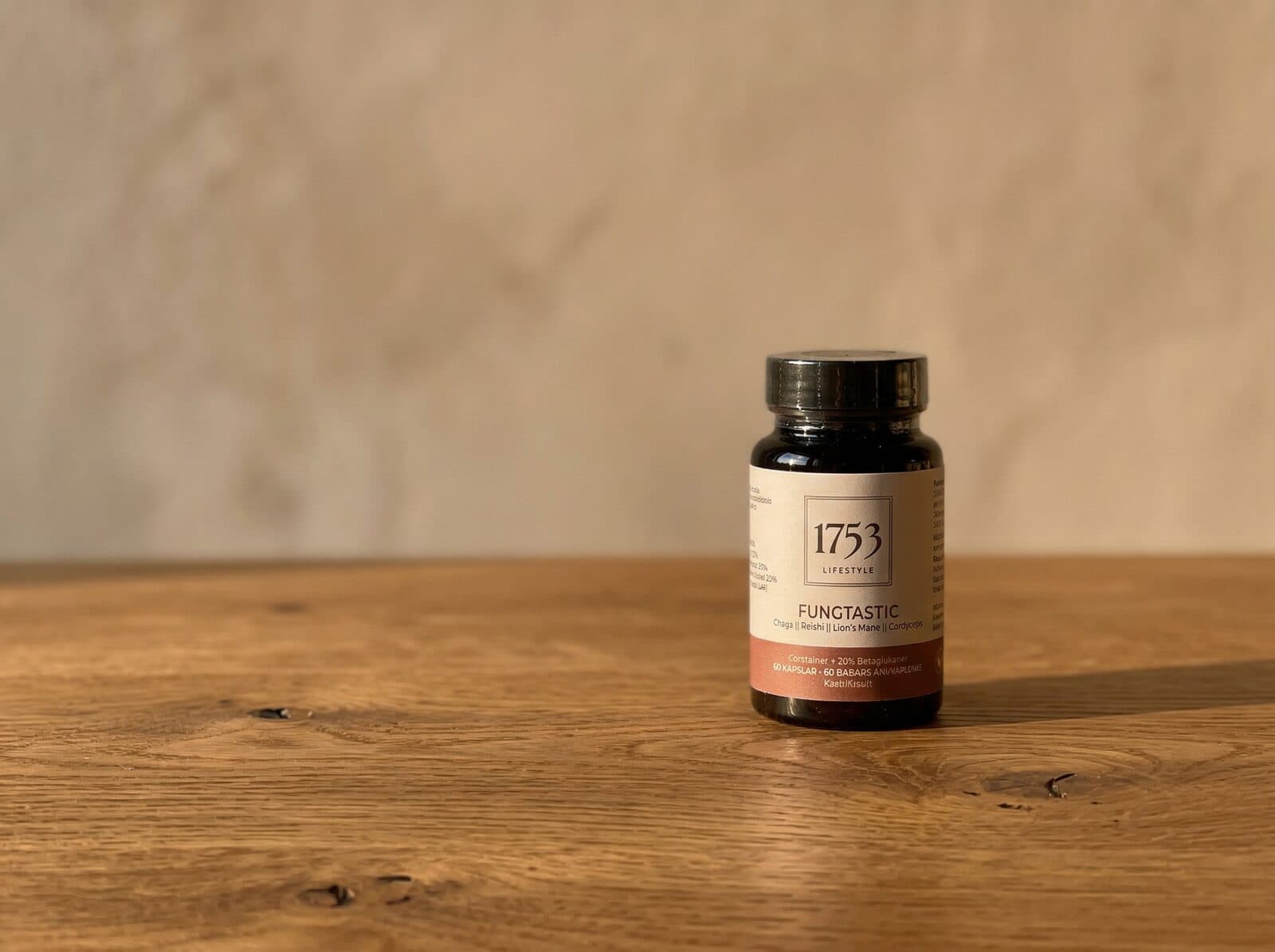

Fungtastic Mushroom Extract
Four mushrooms in one formula to support immunity, focus, energy and sleep from within.
Frequently asked questions
Is deep cystic acne the same as a regular pimple?
No. Deep cystic acne sits farther down in the skin, tends to be more painful, and often lasts longer than a typical surface pimple.
Do pimple patches work on cystic acne?
Only in a limited way. They can protect the area if the spot is open, but they won’t treat the inflammation buried below the skin.
Should I use ice or heat?
For swelling and soreness, a short ice compress is usually the safer first choice. Some people like warmth, but it can worsen redness for others.
When should I see a dermatologist?
If the bumps are large, painful, recurring, or starting to scar, it’s time to ask for a derm-referral. That’s especially important if over-the-counter care isn’t changing the pattern.
Sources
- Byrd AL, Belkaid Y, Segre JA. The human skin microbiome. Nat Rev Microbiol 2018;16(3):143–155.
- Salem I, Ramser A, Isham N, Ghannoum MA. The Gut Microbiome as a Major Regulator of the Gut-Skin Axis. Front Microbiol 2018;9:1459.
- Chen Y, Lyga J. Brain-skin connection: stress, inflammation and skin aging. Inflamm Allergy Drug Targets 2014;13(3):177–190.
Article reviewed by Christopher Genberg, founder of 1753 SKINCARE.
Related articles
SYMPTOM
Itchy skin – why nights make it worse
You finally lie down, and then it starts. The itch that was manageable all day suddenly takes over y...
Symptom
Flaky skin – when your skin starts shedding
When skin starts lifting in little flakes, it’s tempting to assume it needs a stronger cleanser, ano...
Symptom
Dry skin around mouth – when the skin pushes back
It often starts as tightness, flaking or tiny red patches right around the mouth. Sometimes it sting...
Skin Barrier
Skin microbiome – why balance changes everything
Your skin is not sterile. It’s an ecosystem where trillions of microbes help keep the barrier strong...
Condition
Hormonal acne – why it keeps coming back
Deep breakouts around the chin, jaw and lower face are rarely just “bad skin.” More often, they’re a...
Skin Condition
Seborrheic dermatitis – why skin flakes
Red, flaky, stubborn. Seborrheic dermatitis loves the places where skin is richest in sebum: the T-z...