
Symptoms
Sweat rash – or just skin that’s had enough?
It stings, itches, or flares up after workouts, heat, or tight clothing. Suddenly your skin looks angry, but that doesn’t automatically mean something serious is going on. More often, it’s heat, friction and an overworked barrier speaking up.

Is it infection, miliaria rubra, or just irritated skin?
What many people call a sweat rash is often something else: miliaria rubra, an irritation flare, or sometimes bacterial folliculitis. When sweat ducts get blocked or the skin stays hot and damp for too long, nerve endings and inflammatory signals ramp up. The result can be tiny red bumps, prickling and a surface that feels overheated.
Gym acne is a good example of how quickly skin can protest when sweat, friction and occlusive products are left on the skin. Bacteria thrive more easily in an environment where sebum, heat and rubbing are left unchecked, but that doesn’t mean the answer is harsh cleansing or scrubbing it “clean.” That often makes the barrier even more fragile.
If the rash comes with fever, increasing pain, pus, spreading redness or you feel unwell, get medical help. We don’t diagnose, but we do know skin usually needs less aggression, not more.
What to do today
Cool it down
Step out of the heat and let your skin cool gradually. A cool shower or a few minutes in the shade can reduce prickling and swelling without shocking the barrier.
Swap tight layers
Choose loose, dry clothing that lets moisture escape. Friction from leggings, backpacks and synthetic fabrics can turn a small flare into a bigger one.
Clean gently, not hard
Use an oil or a very mild cleanser to remove sweat and salt without stripping the skin. Harsh soap and hot water usually just add fuel to the fire.
Leave the bumps alone
Try not to pick, squeeze or scrub. The less you disturb the area, the lower the chance of added inflammation and lingering irritation.
Watch for warning signs
If the area becomes hot, tender, pus-filled or starts spreading, take it seriously. A medical assessment is the smart move.

How to actually fix it
With skin that flares after sweating, the goal is rarely to “do more.” It’s to calm things down, cleanse gently and give the barrier room to recover. The ONE can be a sensible choice when the surface feels both stressed and dry, because it supports the skin without feeling stripping or aggressive.
If you want to remove sweat, sunscreen or everyday buildup without triggering more irritation, Au Naturel Makeup Remover is a logical first step. Its MCT oil dissolves grime and oil in a soft way, which makes more sense than harsh washing when skin is already upset. For recurring gym acne or bumps that easily become inflamed, I LOVE is an easy way to bring CBG support into the routine.
And if your skin always gets worse when stress is high, sleep is off or recovery is poor, zoom out. DUO-kit helps settle the surface, while Fungtastic Mushroom Extract can be an inside-out support for immunity and gut health. No magic. Just less chaos and more reasonable skincare.
Products we recommend
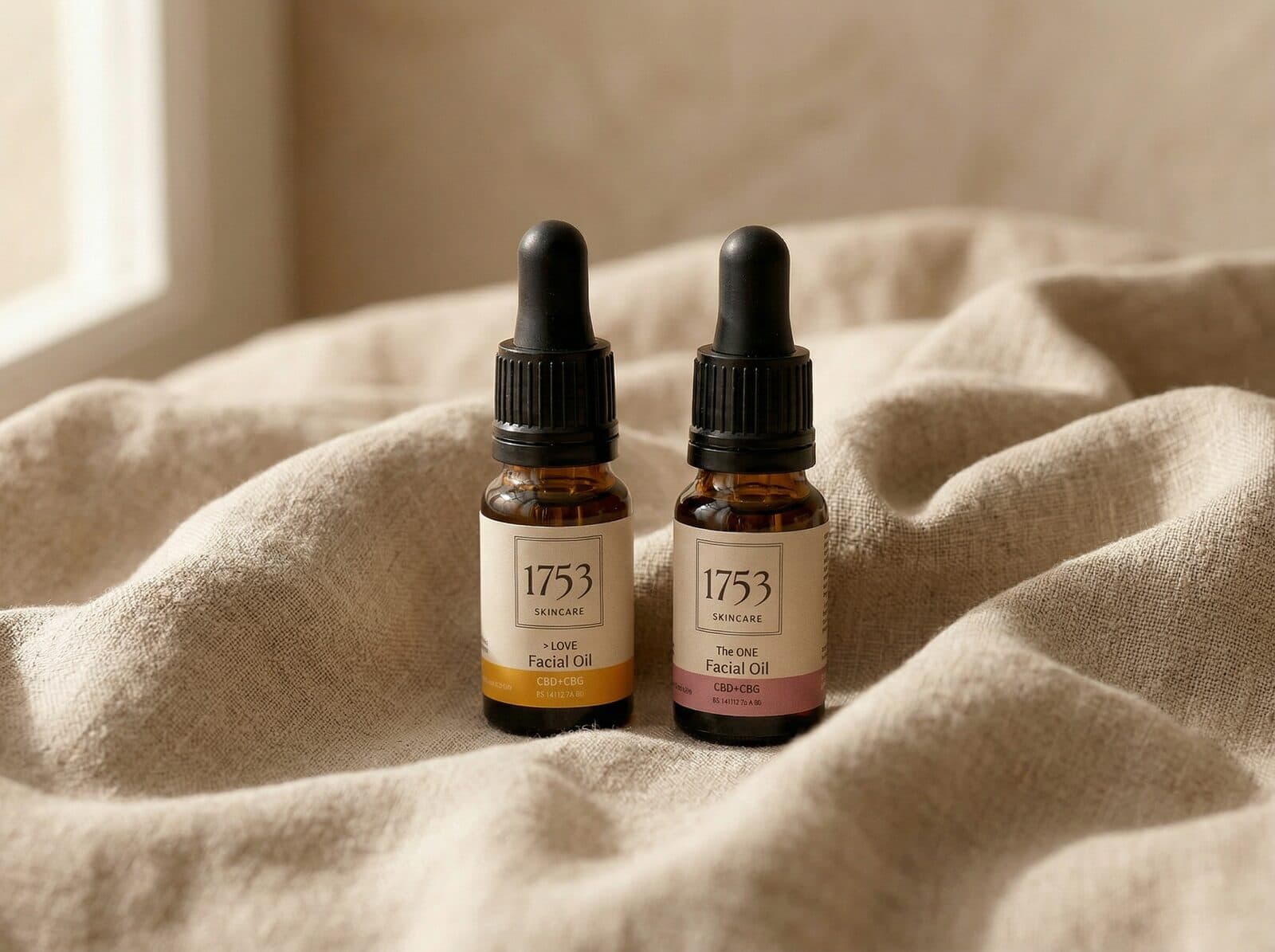
 Save €34
DUO kit
Two face oils, one for morning and one for evening. Simple skincare that works with your skin, not against it.
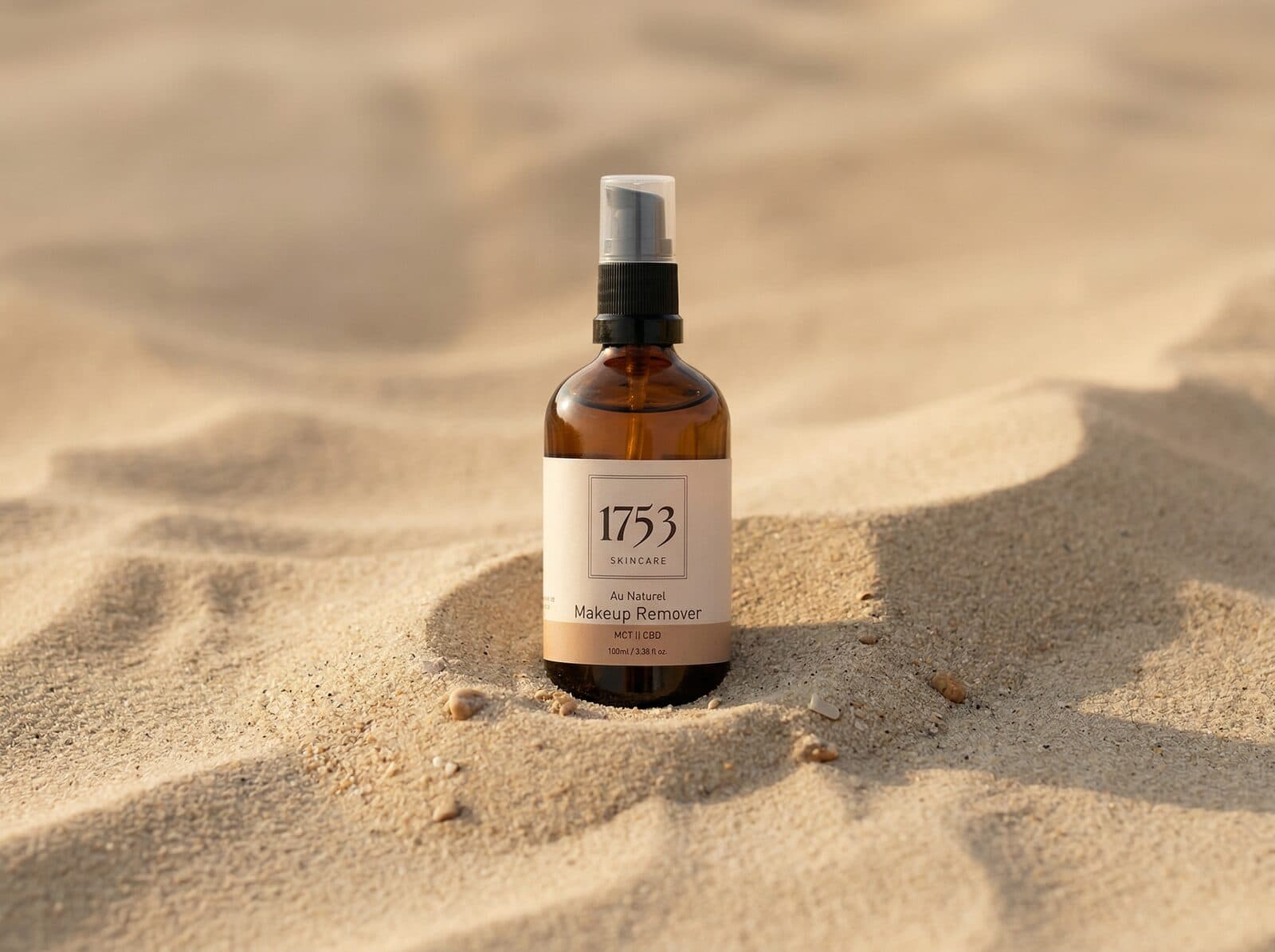
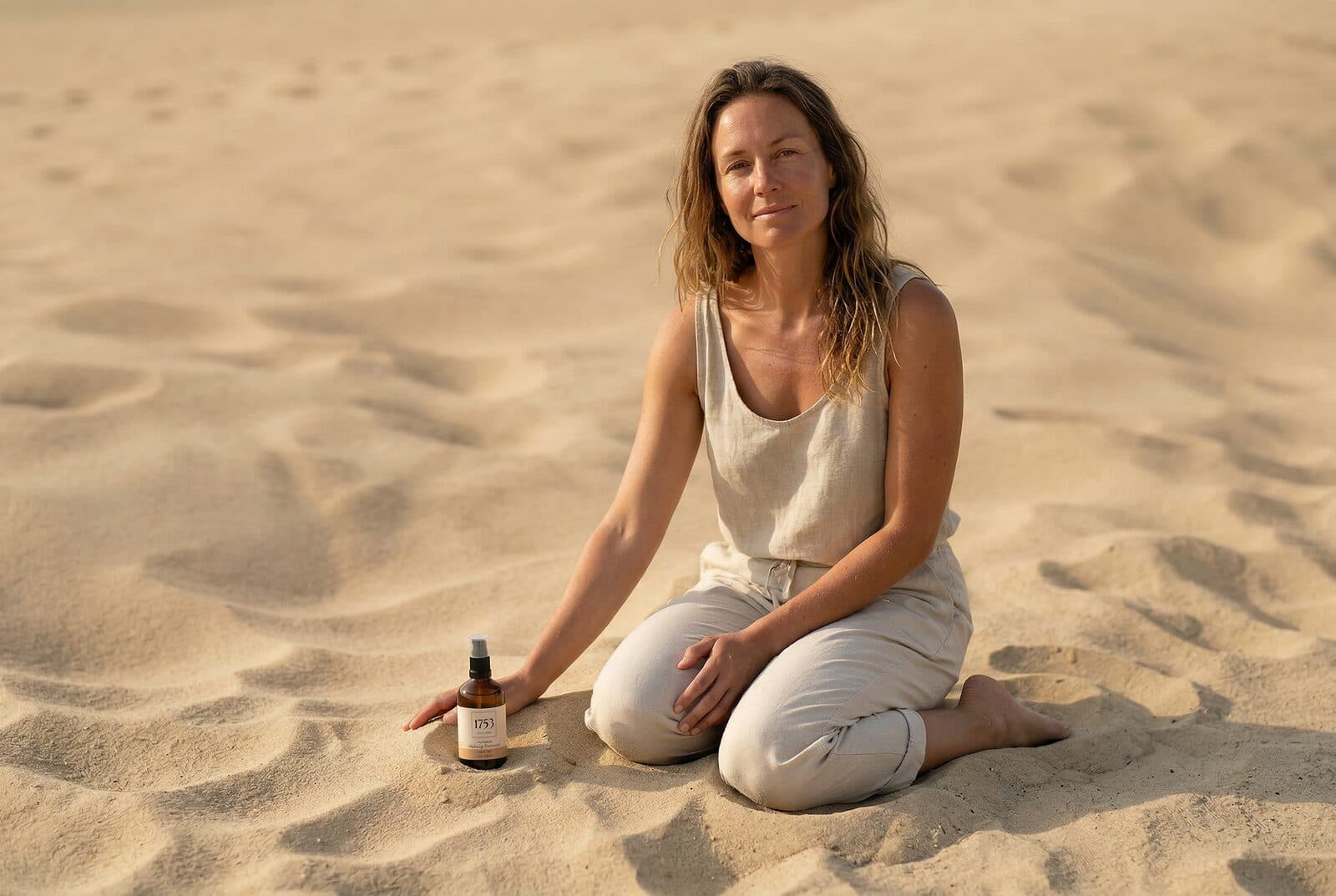
Au Naturel Makeup Remover
A cleansing oil with MCT and CBD that removes makeup and buildup without stripping your skin bare.
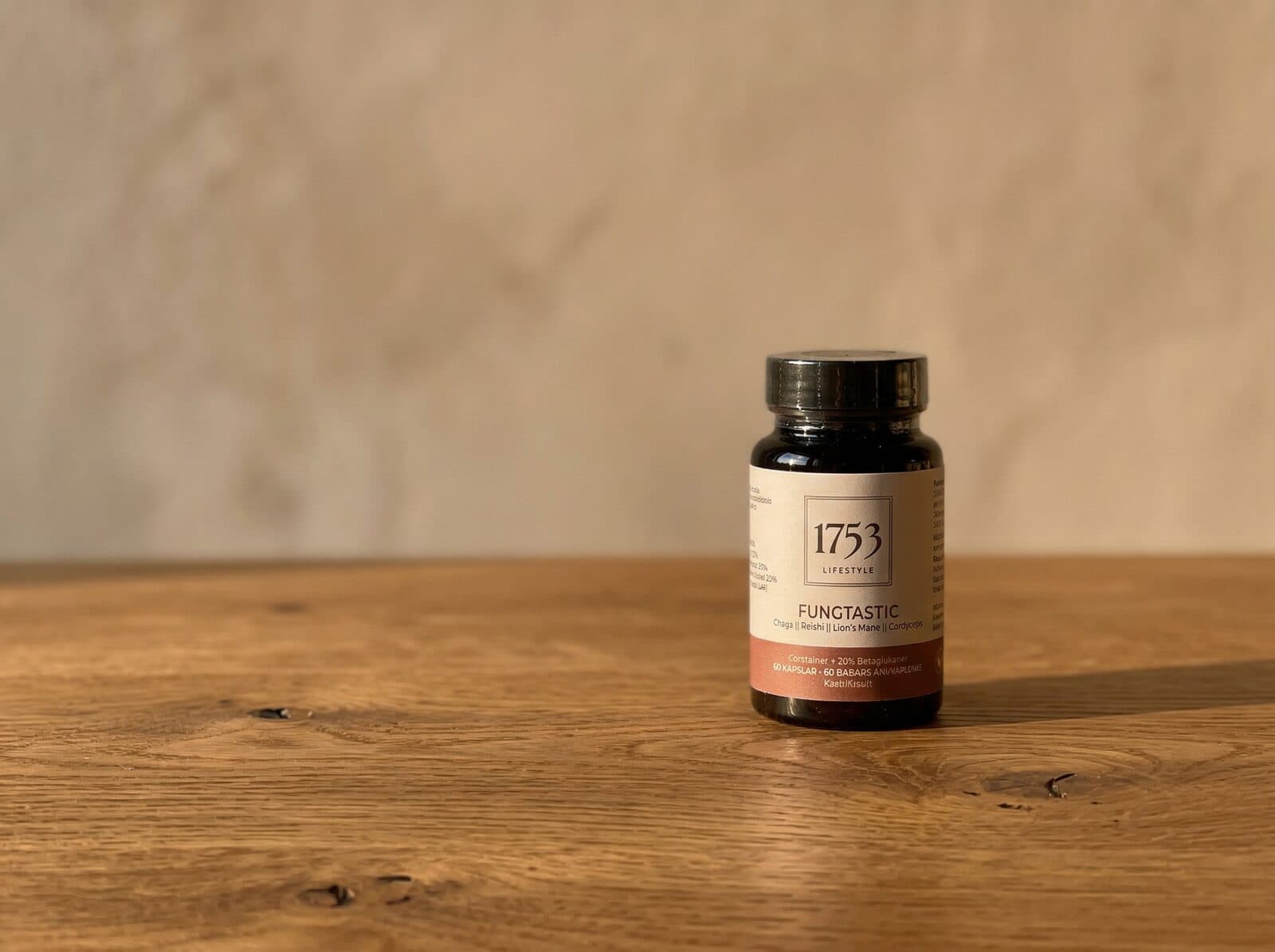
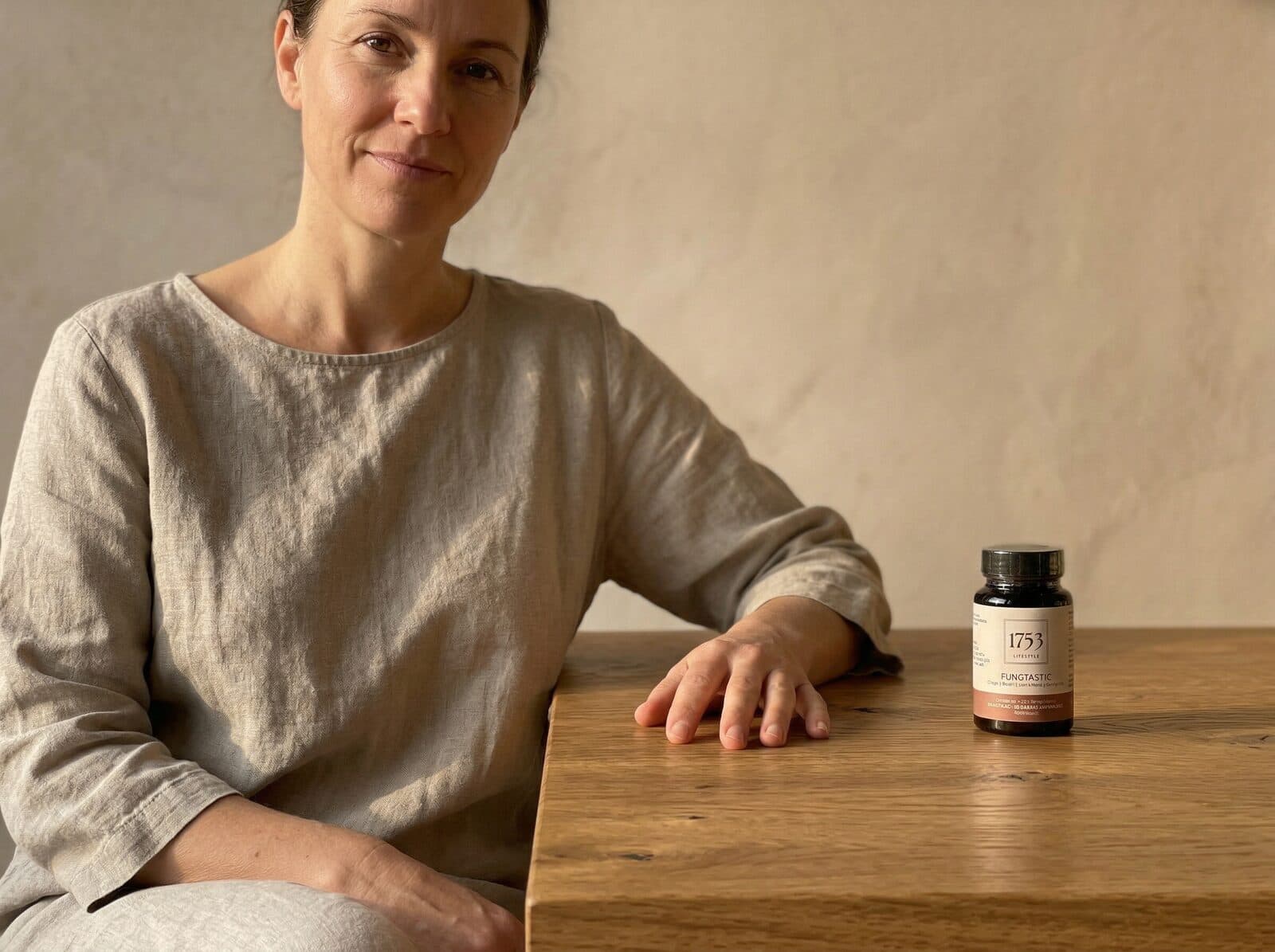
Fungtastic Mushroom Extract
Four mushrooms in one formula to support immunity, focus, energy and sleep from within.
Frequently asked questions
How do I tell sweat rash from folliculitis?
Miliaria usually shows up as small red bumps, prickling and itch after heat and sweating. Folliculitis often sits around hair follicles and can feel more tender, pustular or acne-like. If you’re unsure or it worsens, get it checked.
Can I work out with it?
Usually yes, but reduce friction and cool down right after. Change quickly, shower gently and avoid tight clothes that trap heat and moisture.
Should I exfoliate it?
Not when the skin is already irritated. Too much exfoliation can worsen barrier damage and make both miliaria and folliculitis easier to trigger. Wait until the skin settles.
When should I seek medical care?
Get medical help if you develop fever, rapidly spreading redness, pus, strong pain or signs of infection. If it keeps coming back, a professional assessment is worth it.
Sources
- Byrd AL, Belkaid Y, Segre JA. The human skin microbiome. Nat Rev Microbiol 2018;16(3):143–155.
- Salem I, Ramser A, Isham N, Ghannoum MA. The Gut Microbiome as a Major Regulator of the Gut-Skin Axis. Front Microbiol 2018;9:1459.
- Chen Y, Lyga J. Brain-skin connection: stress, inflammation and skin aging. Inflamm Allergy Drug Targets 2014;13(3):177–190.
Article reviewed by Christopher Genberg, founder of 1753 SKINCARE.
Related articles
SYMPTOM
Itchy skin – why nights make it worse
You finally lie down, and then it starts. The itch that was manageable all day suddenly takes over y...
Symptom
Flaky skin – when your skin starts shedding
When skin starts lifting in little flakes, it’s tempting to assume it needs a stronger cleanser, ano...
Symptom
Dry skin around mouth – when the skin pushes back
It often starts as tightness, flaking or tiny red patches right around the mouth. Sometimes it sting...
Skin Barrier
Skin microbiome – why balance changes everything
Your skin is not sterile. It’s an ecosystem where trillions of microbes help keep the barrier strong...
Condition
Hormonal acne – why it keeps coming back
Deep breakouts around the chin, jaw and lower face are rarely just “bad skin.” More often, they’re a...
Skin Condition
Seborrheic dermatitis – why skin flakes
Red, flaky, stubborn. Seborrheic dermatitis loves the places where skin is richest in sebum: the T-z...