
Ingredient Portrait
Sunflower oil skin – when your barrier is begging for relief
Sunflower oil is not a fad ingredient. It’s a straightforward, barrier-friendly oil from Helianthus annuus that can make a real difference when skin feels tight, dry, and easily irritated. Used well, it’s less about shine and more about giving skin fats it can actually work with.

Why does skin still feel dry after you moisturize?
When the skin barrier is depleted, it often lacks enough lipids, especially linoleic acid. Sunflower oil is naturally rich in linoleic acid, often around 60 %, and that matters because this fatty acid fits a barrier that needs rebuilding better than heavier oils that mostly sit on top.
Research on dry and atopic skin suggests linoleic-rich oils can support barrier function by helping reduce transepidermal water loss and improving softness at the surface. No miracle, just skin chemistry: the right fatty acids in the right place can change how resilient skin feels.
What usually makes things worse is not “sensitive skin” in some abstract sense, but overdoing it. Harsh cleansing, too many acids, and aggressive exfoliation thin the barrier even further. Sunflower oil skin is a response to lack, not a flashy shortcut, and that’s exactly why it makes sense.
How to use it well
Apply on damp skin
Use 2–4 drops right after cleansing while skin is still slightly damp. You’ll trap more water and get better spread without needing much product.
Keep the routine simple
If your barrier is fragile, keep things minimal for 2–4 weeks. Gentle cleansing, one barrier-supporting oil, and fewer actives give skin room to settle.
Focus on dry patches
Press a thin layer into cheeks, around the mouth, or any area that feels tight. For atopic skin, layer it over a simple moisturizer for extra support.
Watch for oxidation
Sunflower oil is more oxidation-prone than more stable oils, so use it up fairly quickly after opening. Store it cool and dark, and skip old bottles that smell rancid.
Start in the evening
Try it at night 3–5 times a week and see how your skin responds. If it feels softer and less reactive, you can increase frequency.

How to actually fix it
If you want something that works with skin instead of against it, sunflower oil is a sensible choice for quick use. But because it oxidizes fairly easily, it works best when you use it consistently and fresh, not when it sits in a bathroom cabinet for months.
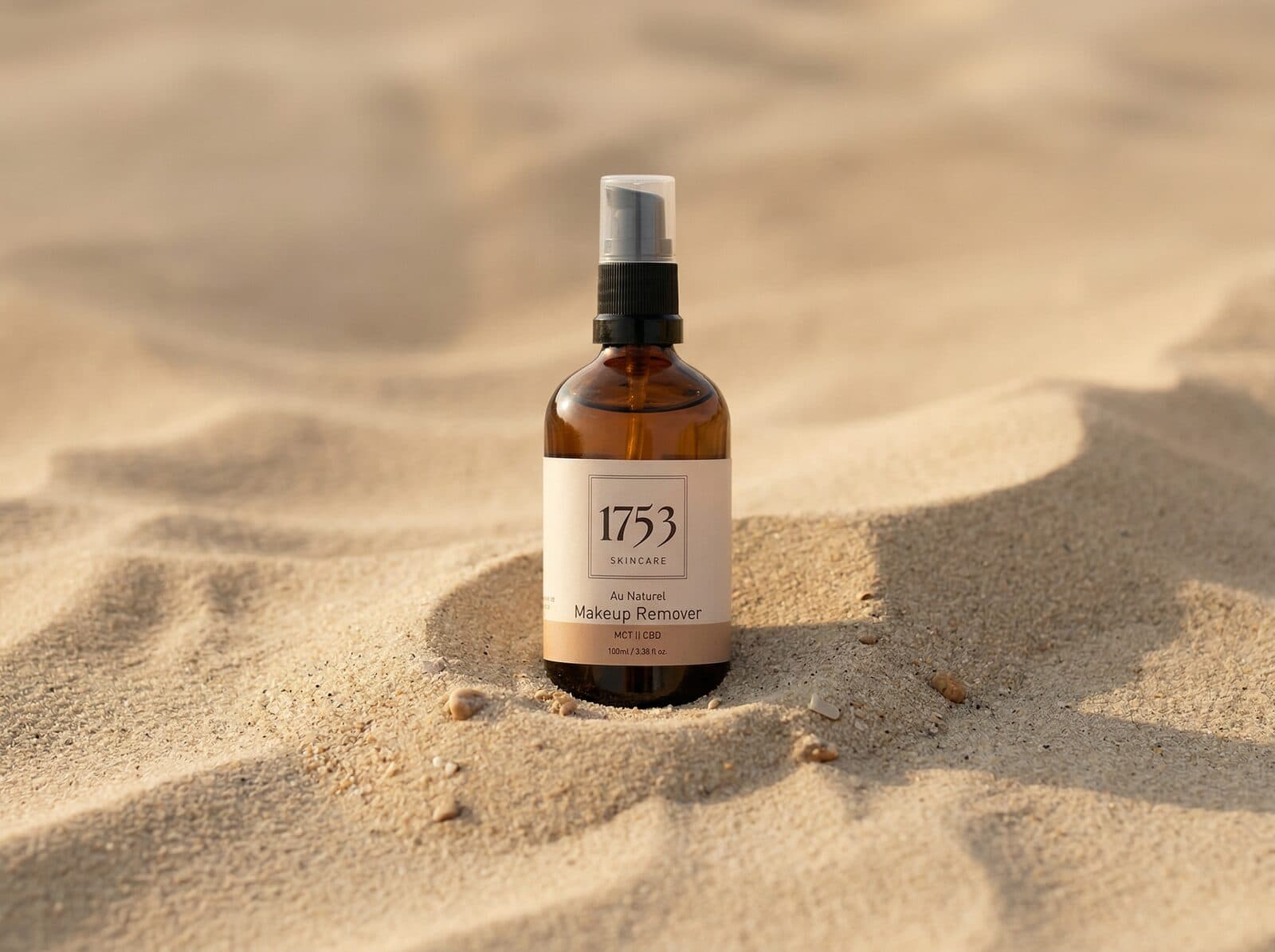
For a more stable everyday option, Au Naturel Makeup Remover with an MCT base is the smarter move. MCT oil is far more oxidation-stable than sunflower oil, which makes it a safer choice for simple daily cleansing without stressing an already depleted barrier.
When skin needs more than fat alone, The ONE can help regulate and I LOVE is the obvious follow-up when skin feels irritated and out of balance. Together, they make more sense than the usual mainstream routine of harsh cleansing first and repair later. Start with the barrier, not against it.
Frequently asked questions
Is sunflower oil good for skin?
Yes, especially when skin is dry or the barrier is weakened. Its high linoleic acid content can help skin feel softer and less tight, but it works best when used fresh and simply.
Does it suit atopic skin?
It can, because linoleic acid is relevant to barrier function. Keep the routine gentle and patch test first if your skin is highly reactive.
Why does sunflower oil oxidize faster?
It contains more polyunsaturated fatty acids, which are more sensitive to light, heat, and air. That’s why storage and freshness matter more than most people think.
Is it better than mineral oil?
Not always better in every situation, but different. Sunflower oil brings fatty acids the skin can use more actively, while mineral oil mainly acts as an occlusive layer.
Sources
- Oláh A, Tóth BI, Borbíró I, et al. Cannabidiol exerts sebostatic and antiinflammatory effects on human sebocytes. J Clin Invest 2014;124(9):3713–3724.
- Lin TK, Zhong L, Santiago JL. Anti-Inflammatory and Skin Barrier Repair Effects of Topical Application of Some Plant Oils. Int J Mol Sci 2017;19(1):70.
- Tóth KF, Ádám D, Bíró T, Oláh A. Cannabinoid signaling in the skin: therapeutic potential of the c(ut)annabinoid system. Molecules 2019;24(5):918.
Article reviewed by Christopher Genberg, founder of 1753 SKINCARE.
Related articles
Ingredient Portrait
Jojoba oil skin – wax that works with you
Jojoba oil is not a regular oil, and that is exactly why people keep coming back to it. It comes fro...
Ingredient Portrait
mct oil skin – light, clean, surprisingly clever
MCT oil is not just another oil sitting on top of your face. It’s fractionated coconut oil built aro...
Ingredient Portrait
squalane for skin – the stable cousin
Squalane is one of those ingredients that doesn’t shout, but often makes skin feel calmer and more c...
Skin Streaming
Minimalist 5 step routine – why less can do more
Skincare has become too much of everything: too many steps, too much exfoliation, too much cleansing...
CBD Skincare
CBD for acne – stop fighting your skin
Acne isn't about being dirty. It's about inflammation, hormones, and skin that needs support – not p...
CBD Skincare
CBD for oily skin – balance instead of dehydration
Drying out oily skin only makes it oilier. Sounds backwards, but that's exactly what happens. CBD of...