
Ingredient Portrait
squalane for skin – the stable cousin
Squalane is one of those ingredients that doesn’t shout, but often makes skin feel calmer and more comfortable. It’s the more stable form of the skin’s own squalene, which is why it shows up in everything from dry winter routines to oily, easily irritated skin. The real question isn’t whether it’s trendy. It’s what it actually does.

Why does skin like squalane so much?
Squalane is a lipid-mimic: it resembles the skin’s own lipids closely enough to feel familiar, but it is not the same as squalene. Your skin naturally contains squalene in sebum, where it helps keep the barrier flexible, but squalene oxidizes easily. Squalane is hydrogenated and far more oxidation-stable, so it is less likely to go rancid and more predictable on skin.
That stability is one reason squalane often feels non-comedogenic. It does not behave like heavier oils that can feel suffocating for some skin types, and it leaves a light, almost dry finish while still softening effectively. In real life, that means more comfort without the greasy after-feel.
Conventional skincare loves to overdo it: harsh cleansers, stacked acids, then a cream trying to patch up the damage. Squalane is the opposite of that drama. It is not an “active” pushing skin around. It is a simple way to reduce friction, support the barrier, and let skin do its job in peace.
How to use squalane well
Apply on damp skin
Use 2–4 drops after cleansing while skin is still slightly damp. It spreads better that way, and you need less product for the same soft finish.
Seal in hydration
Layer squalane over serum or moisturizer to help reduce water loss. It is especially handy in cold weather or after a hot shower.
Keep the dose small
More is not better here. Start with 1–2 drops for combination skin and 3–5 drops for drier skin. Too much can just feel shiny.
Use it when skin feels off
If your skin is irritated by weather, shaving, or over-exfoliation, squalane can be a simple comfort layer. Think calm first, not more actives.
Pair with gentle cleansing
If you use an oil cleanser, keep it mild. Squalane works best in a routine that does not strip the skin for no good reason.

How to actually fix dry, cranky skin days
If you want squalane in your routine, there is absolutely a place for it. But it is fair to ask: does your skin need one more separate oil, or does it need a simpler, smarter base? Our formulas skip extra squalane and instead lean on full MCT and cannabinoids, which give skin a soft, stable feel without making the routine more complicated.
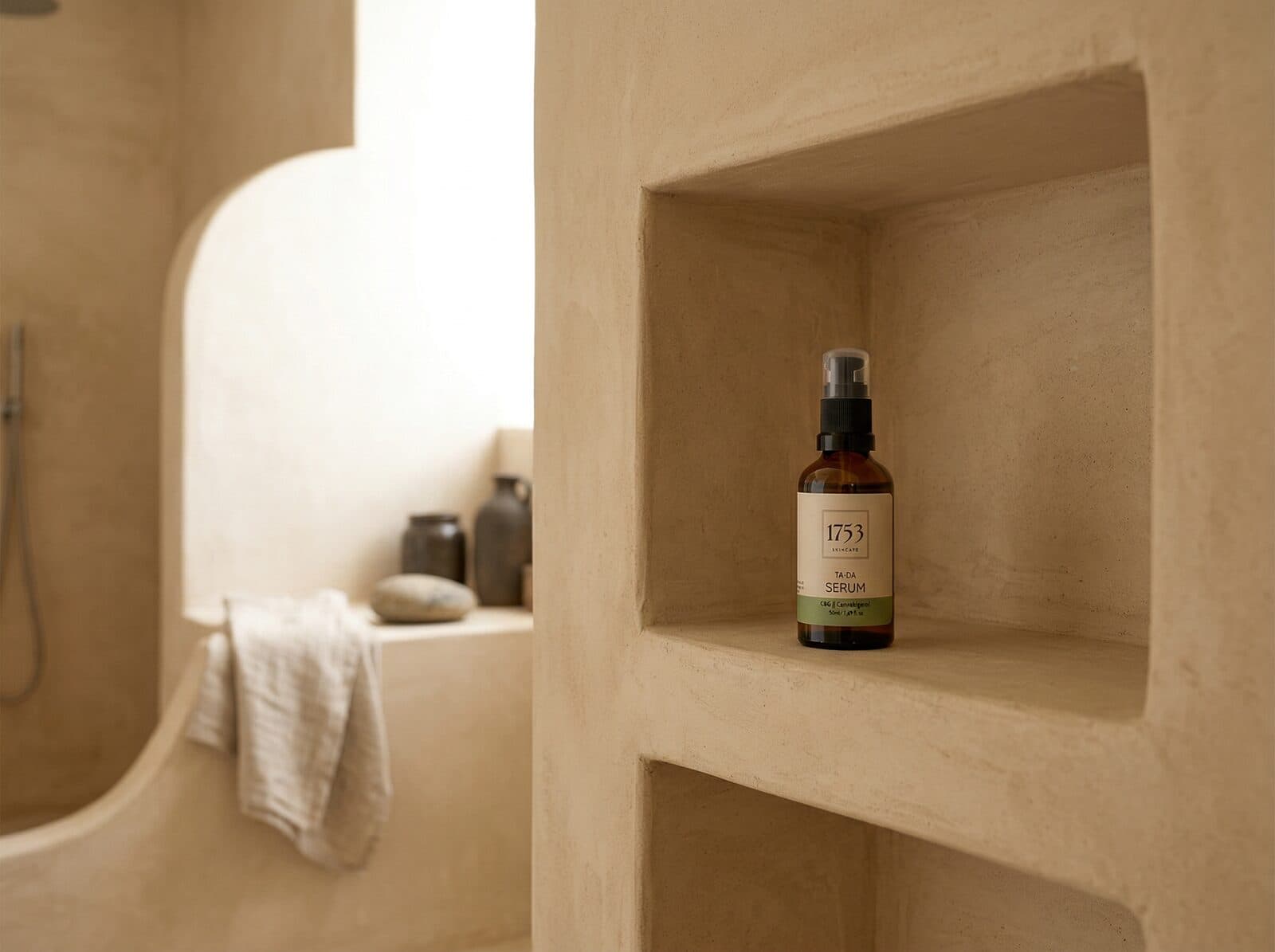
If you want that same comfort, The ONE is the obvious fit: CBD + MCT to help skin feel regulated and less reactive. I LOVE, our CBG serum, is a good move when skin wants calm, especially if it gets red or tight easily. And if you want a bit more resilience, Ta-DA serum brings CBG and adaptogens together with antioxidant support, without overwhelming the skin.
The point is not to hate on squalane. It is a solid ingredient, especially if you love that light, non-comedogenic feel. But if you want a routine that does less and works better, cannabinoid-based oils and serums are often the more interesting path than yet another isolated emollient.
Frequently asked questions
Are squalane and squalene the same?
No. Squalene is a natural skin lipid, but it oxidizes easily. Squalane is the stabilized version used in skincare for softness and better shelf stability.
Is squalane good for oily or acne-prone skin?
Often yes, because it is lightweight and usually non-comedogenic. Still, skin is individual, so start with a small amount and watch how your skin responds over a few days.
Why is olive squalane so common?
Olive squalane comes from olives and is a popular source because it gives a stable, light oil with a pleasant skin feel. The molecule is the same, but the formula around it matters.
Can I use squalane every day?
Yes, most people can. A small amount morning and/or evening is usually enough if your goal is softness without adding a lot of active ingredients.
Sources
- Oláh A, Tóth BI, Borbíró I, et al. Cannabidiol exerts sebostatic and antiinflammatory effects on human sebocytes. J Clin Invest 2014;124(9):3713–3724.
- Lin TK, Zhong L, Santiago JL. Anti-Inflammatory and Skin Barrier Repair Effects of Topical Application of Some Plant Oils. Int J Mol Sci 2017;19(1):70.
- Tóth KF, Ádám D, Bíró T, Oláh A. Cannabinoid signaling in the skin: therapeutic potential of the c(ut)annabinoid system. Molecules 2019;24(5):918.
Article reviewed by Christopher Genberg, founder of 1753 SKINCARE.
Related articles
Ingredient Portrait
Jojoba oil skin – wax that works with you
Jojoba oil is not a regular oil, and that is exactly why people keep coming back to it. It comes fro...
Ingredient Portrait
cbd for skin – less noise, more balance
CBD for skin is interesting because it doesn’t try to bully the skin into behaving. It works with th...
Ingredient Portrait
cbg for skin – the mother cannabinoid that calms and renews
CBG usually lives in CBD’s shadow, but skin can tell the difference. This is the cannabinoid that ma...
Skin Streaming
Minimalist 5 step routine – why less can do more
Skincare has become too much of everything: too many steps, too much exfoliation, too much cleansing...
CBG Skincare
CBG for acne – the mother cannabinoid your skin deserves
You've tried everything – cleansers, acids, antibiotics. But have you tried giving your skin what it...
CBG Skincare
CBG for dry skin – build a barrier that holds
Dry skin is rarely about not drinking enough water. It's about a barrier that leaks. CBG helps the s...