
Lifestyle & Skin
Stress and skin – your body keeps the score
You can have the world's best skincare routine and still wake up with breakouts, dark circles, and dull skin. The cause? It's not in your bathroom cabinet – it's in your nervous system.

What does stress do to your skin?
When your body perceives danger – whether it's a predator or an inbox with 200 unread emails – the hypothalamic-pituitary-adrenal (HPA) axis fires up. Your adrenal glands flood the body with cortisol, switching everything to survival mode. The skin, your largest organ, is among the first to pay the price.
Chronically elevated cortisol breaks down collagen and elastin, the proteins that keep skin firm and elastic. Oil production ramps up, pores get clogged, and inflammatory signaling molecules surge through the body. The result: acne, eczema, rosacea, and a skin barrier that can no longer do its job. Skin becomes reactive, dry on the surface but oily in the T-zone, and heals more slowly.
Research from Stanford's dermatology department shows that students consistently experience worse skin during exam periods. That's not coincidence – it's biochemistry. Your skin is an honest mirror of your inner state, and chronic stress leaves marks that no cream in the world can conceal.
Practical ways to lower stress
Breathe with your belly
Four seconds in, seven seconds out. Diaphragmatic breathing activates the parasympathetic nervous system and lowers cortisol in just minutes. Do it three times daily – upon waking, after lunch, and before sleep.
Move daily
A 30-minute walk lowers cortisol, increases blood flow to the skin, and releases endorphins. It doesn't have to be crossfit – movement in any form counts. The goal is consistency, not intensity.
Set screen boundaries
Blue light and constant stimulation keep your nervous system in fight-or-flight. Turn off notifications after 8 PM and give your brain a chance to wind down. Your skin will thank you the next morning.
Write it out
Journaling has been proven to lower cortisol levels. Write down three things you're worried about and three you're grateful for. It takes five minutes and forces your brain out of the stress loop.
Adaptogenic mushrooms
Lion's mane, reishi, and chaga have shown promise in studies for supporting the nervous system and reducing stress-related inflammation. Our Fungtastic Mushroom Extract delivers all three in one daily dose.

How CBD supports skin under stress
The endocannabinoid system (ECS) is your body's own balancing act – regulating stress, inflammation, and immune response. When ECS functions optimally, your body handles stress without your skin taking the hit. CBD interacts with CB2 receptors in skin cells and helps dampen the inflammatory cascade that cortisol triggers.
Studies show CBD can reduce the production of pro-inflammatory cytokines while strengthening skin barrier integrity. That means calmer skin, fewer breakouts, and faster healing. Our Ta-Da Serum with 10% CBD delivers this directly to the skin, while Duo Ta-Da combines serum and oil for maximum barrier support.
Combine with Fungtastic Mushroom Extract, which works from within using adaptogenic mushrooms – for those who want to address stress at its root, not just patch over the symptoms.
Products we recommend
 Save €60
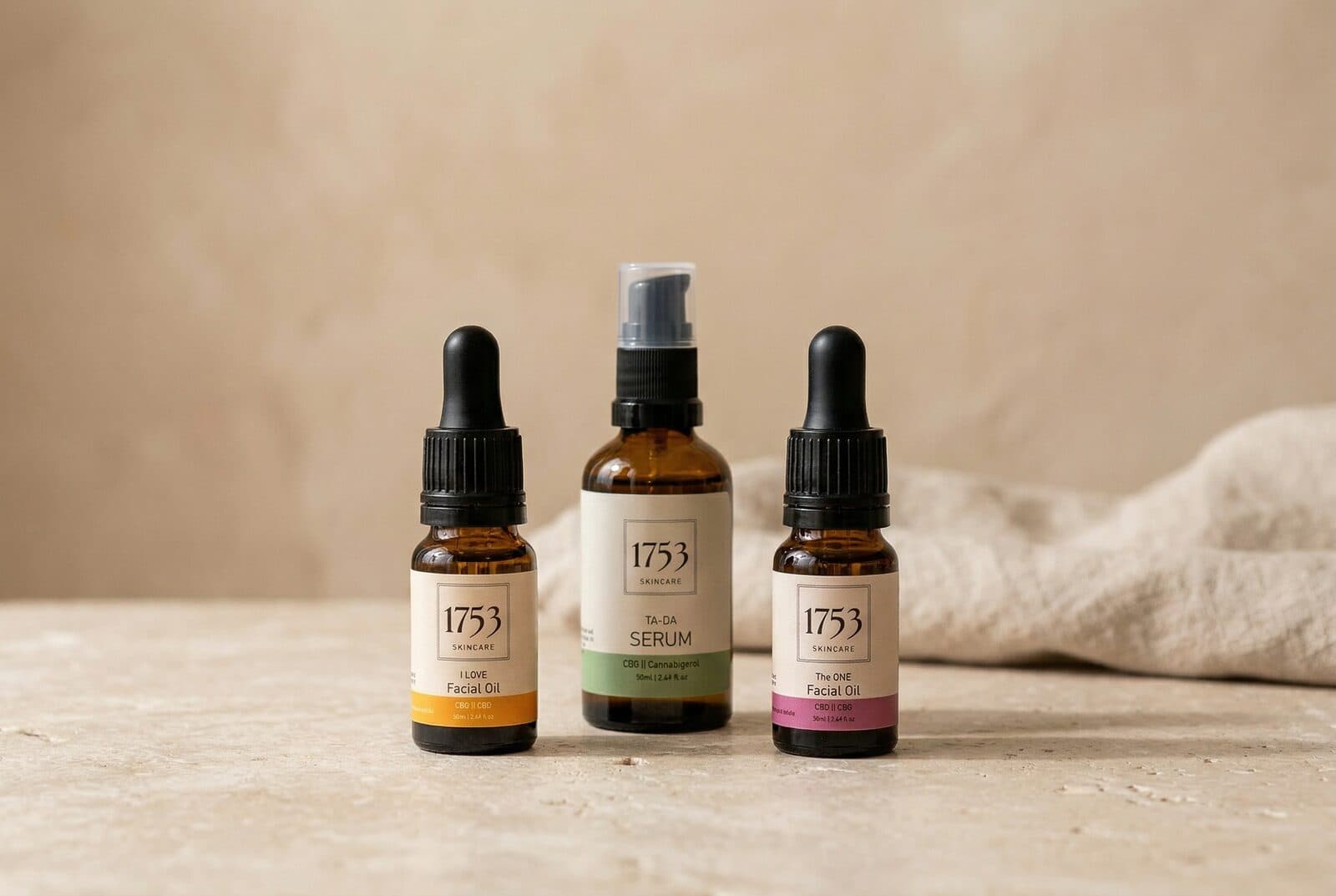
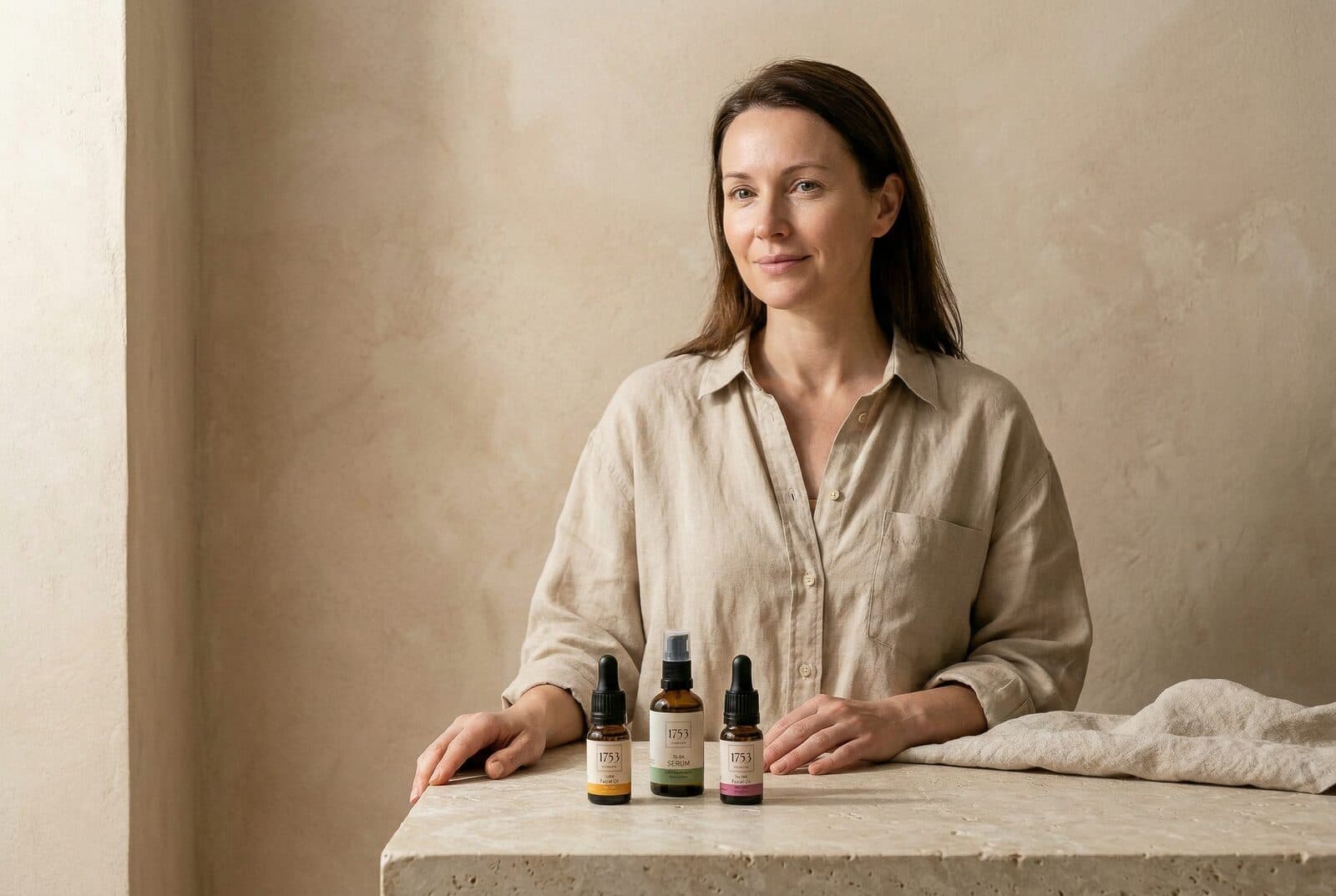
DUO kit + TA-DA Serum
The full routine in one: three products that help skin become calmer, stronger and more resilient.
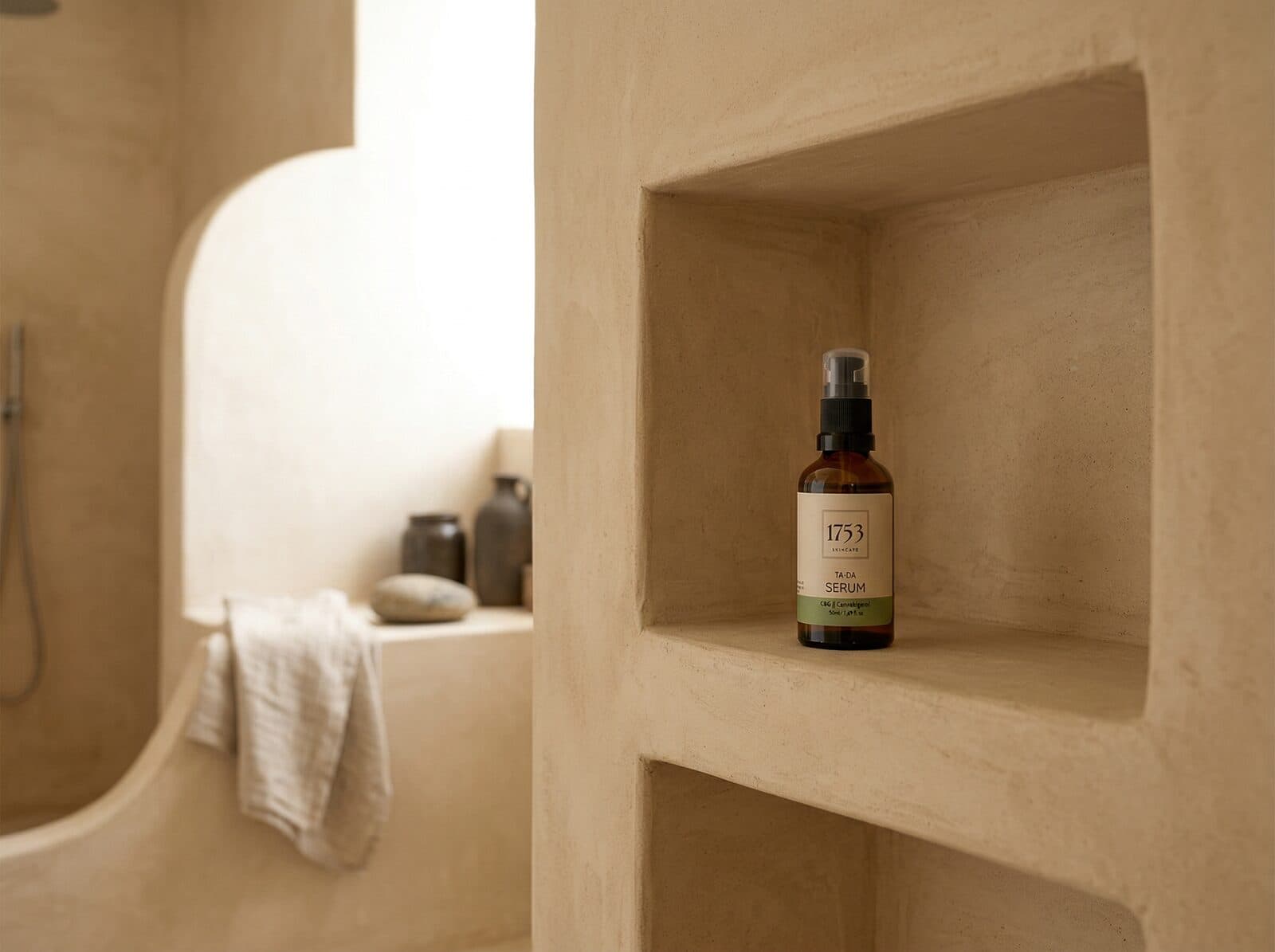
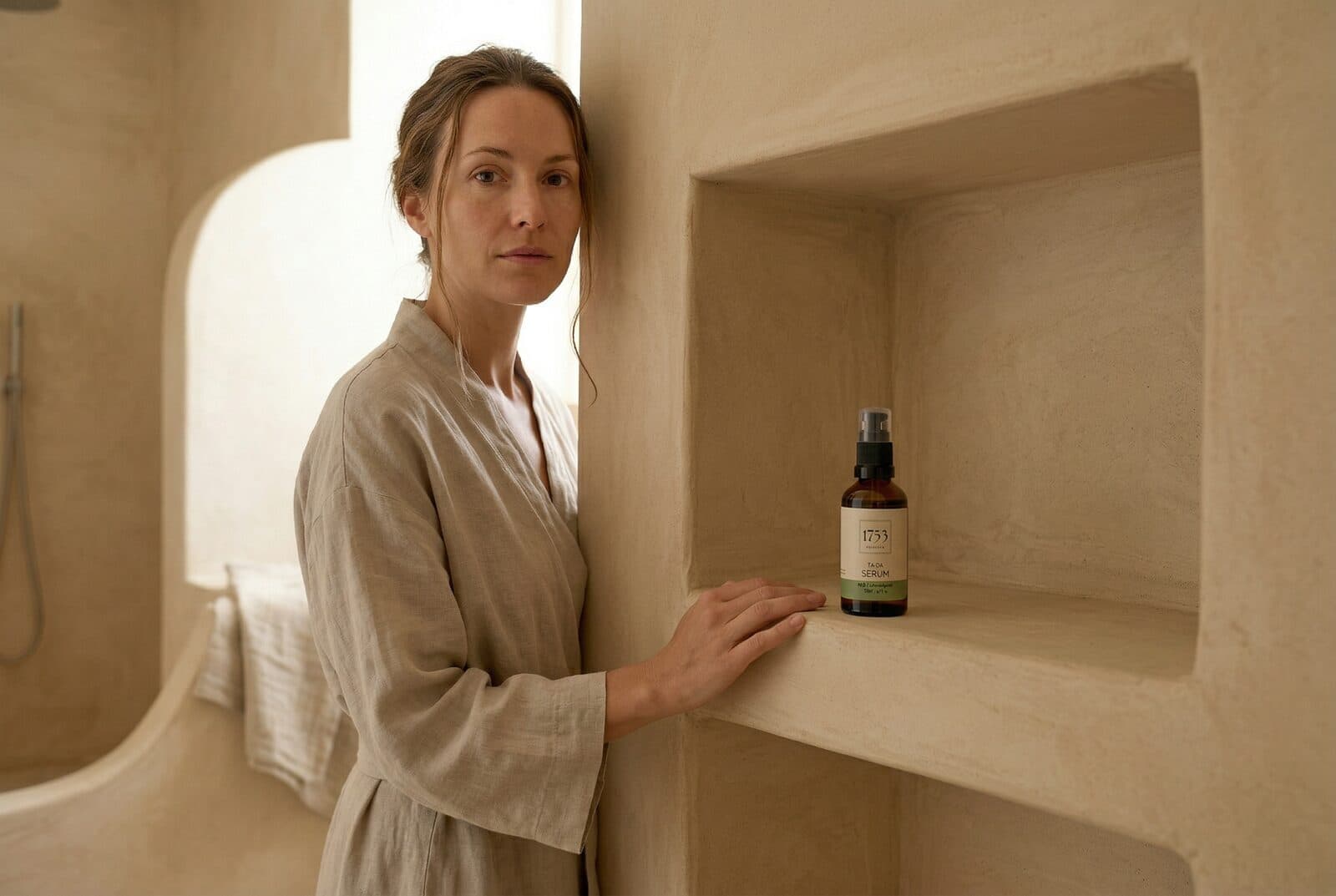
TA-DA Serum
A CBG-powered serum that seals in moisture and adds glow, whatever the season.
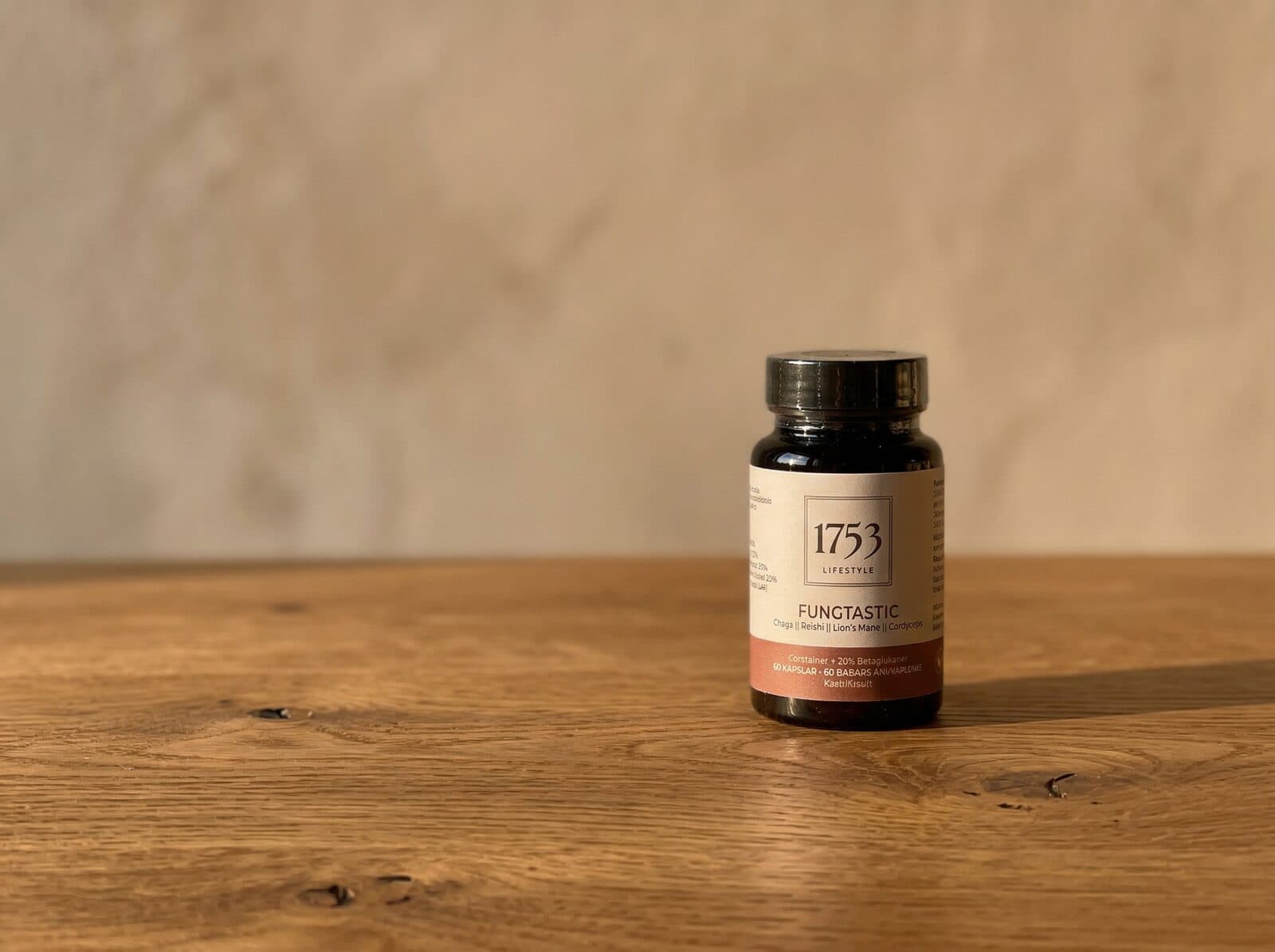
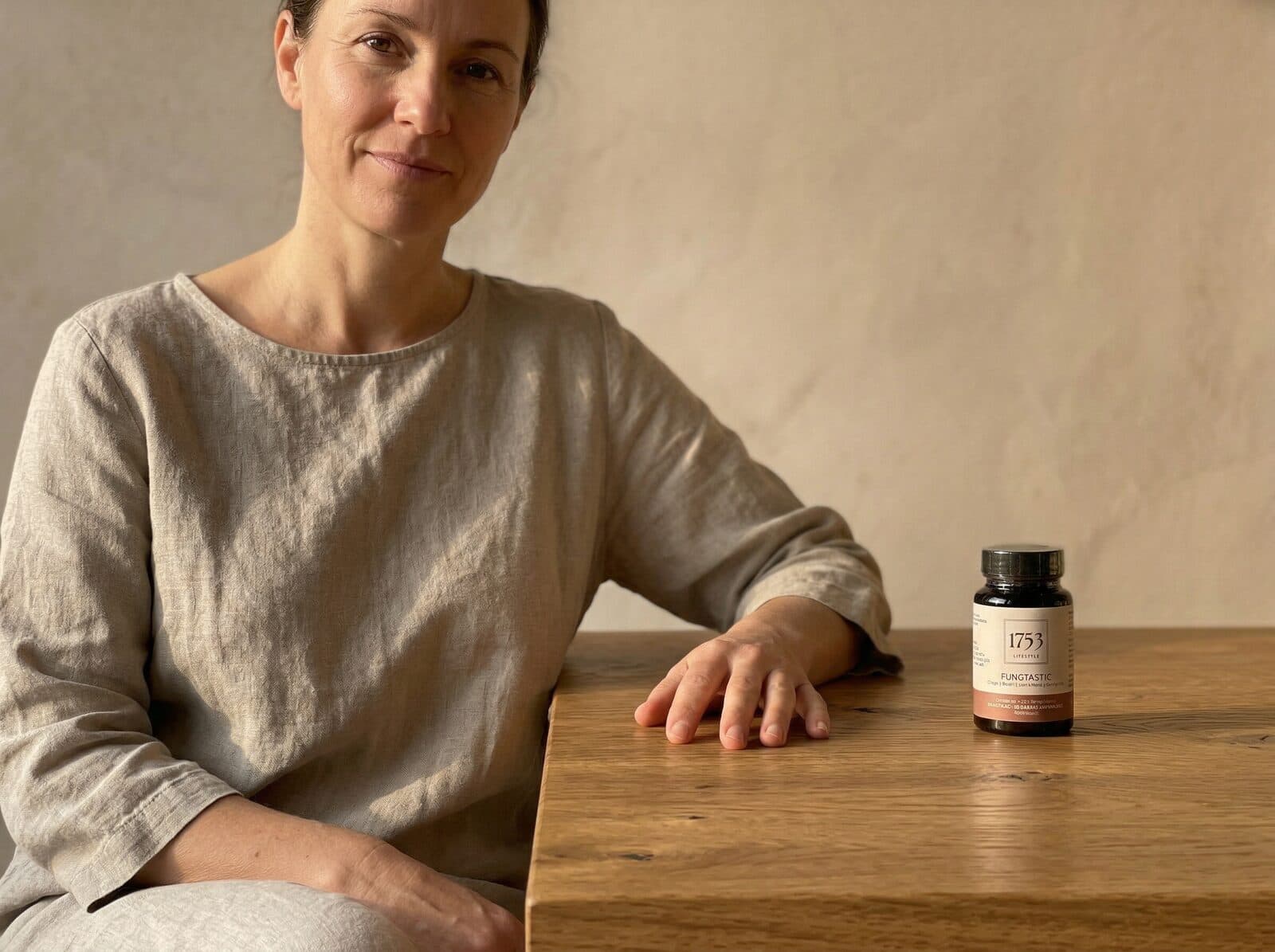
Fungtastic Mushroom Extract
Four mushrooms in one formula to support immunity, focus, energy and sleep from within.
Frequently asked questions
How quickly does stress affect the skin?
Cortisol levels rise within minutes, but visible skin changes typically appear after 2–3 days of sustained stress. Chronic stress has cumulative effects that become harder to repair over time.
Can CBD help with stress-related acne?
Yes. CBD has sebostatic and anti-inflammatory properties that directly address the mechanisms stress triggers in the skin – increased oil production and inflammation. It doesn't replace stress management, but it gives your skin better odds.
Do mushroom extracts actually work for stress?
Adaptogenic mushrooms like reishi and lion's mane have shown positive results in clinical studies on stress markers and cortisol levels. They don't replace other efforts but can be a valuable piece of the puzzle.
Which product is best for stressed skin?
Start with Ta-Da Serum for direct skincare and add Fungtastic Mushroom Extract for inner balance. Duo Ta-Da gives you the complete package – serum and oil in one routine.
Sources
- Chen Y, Lyga J. Brain-skin connection: stress, inflammation and skin aging. Inflamm Allergy Drug Targets 2014;13(3):177–190.
- Walker MP, van der Helm E. Overnight therapy? The role of sleep in emotional brain processing. Psychol Bull 2009;135(5):731–748.
- Katta R, Desai SP. Diet and Dermatology: The Role of Dietary Intervention in Skin Disease. J Clin Aesthet Dermatol 2014;7(7):46–51.
Article reviewed by Christopher Genberg, founder of 1753 SKINCARE.
Related articles
Lifestyle
Perimenopause and skin – when everything shifts at once
One day your skin feels drier, thinner and suddenly touchy. Adult acne may show up, fine lines look ...
Lifestyle & Skin
Sleep and skin – your most important skincare routine happens in bed
No serum in the world can compensate for sleep deprivation. At night, your skin repairs, renews, and...
Lifestyle & Skin
Gut health and skin – it often starts in the gut
Scientists call it the gut-skin axis – a direct communication pathway between your gut flora and you...
Skincare for mature skin
Skincare for mature skin – aging is not a disease to treat
Your skin has lived. It has laughed, cried, seen sun and wind. It doesn't deserve products that trea...
Skincare in your 40s
Skincare in your 40s – your skin needs an upgrade, not a revolution
Your forties are when skin starts telling truths. Collagen declines faster, hormonal changes affect ...
Skincare after 50
Skincare after 50 – your skin has lived a life, give it a good next chapter
After 50, skin has seen it all. Hormones have shifted, collagen has decreased, and skin is thinner a...