
Lifestyle & Skin
Sleep and skin – your most important skincare routine happens in bed
No serum in the world can compensate for sleep deprivation. At night, your skin repairs, renews, and detoxifies itself. Disrupt that process and you pay with wrinkles, dark circles, and a complexion that never quite wakes up.

What happens to your skin while you sleep?
Between 11 PM and 3 AM, your body reaches its deepest sleep phases, and that's when the magic happens. Growth hormone (HGH) is released in pulses, kickstarting cell division and collagen synthesis. Blood flow to the skin increases by up to 25 percent, and damaged cells are repaired at a rate that's impossible during the day.
Sleep deprivation sabotages this entire process. After just one night of fewer than six hours, cortisol levels rise, the skin barrier weakens, and transepidermal water loss (TEWL) increases – your skin literally leaks moisture. Chronic sleep deprivation accelerates skin aging by a factor that researchers at University Hospitals Case Medical Center estimate at 30 percent faster compared to those sleeping 7–9 hours.
It shows. Studies using facial recognition demonstrate that observers consistently rate sleep-deprived individuals as sicker, sadder, and less attractive. Dark circles, drooping corners of the mouth, paler complexion. It's not called beauty sleep without reason.
Optimize your sleep for better skin
Keep consistent hours
Go to bed and wake up at the same time every day – even on weekends. Your circadian clock controls when your skin repairs itself, and irregular schedules throw the entire system off balance.
Make your bedroom pitch dark
Even small light sources – standby lights, streetlights through curtains – disrupt melatonin production. Invest in blackout curtains or a sleep mask. Melatonin is also a potent antioxidant for the skin.
Lower the temperature
The optimal bedroom is 16–18°C (60–65°F). Your body needs to drop its core temperature to fall asleep, and a cool room makes that easier. Bonus: cooler temperatures reduce nighttime sweating that can irritate skin.
Avoid screens the last hour
Blue light from phones and computers delays melatonin release by up to 90 minutes. Switch to a book, stretching, or a calm evening skincare routine instead.
Support sleep with adaptogens
Reishi mushroom is traditionally called the sleep mushroom and has shown improved sleep quality in studies. Our Fungtastic Mushroom Extract contains reishi alongside lion's mane and chaga.

Nighttime skincare with CBD
Night is the perfect time to give your skin CBD. During sleep, the skin is most receptive to active ingredients, and blood flow to the skin peaks. CBD's anti-inflammatory properties work in synergy with the body's natural repair processes, helping the skin recover more effectively.
Our Ta-Da Serum applied before sleep gives your skin a concentrated dose of CBD that works in sync with the night's repair cycle. Duo Ta-Da adds a protective oil layer that reduces transepidermal water loss – especially important if you sleep in dry environments or with the heating on in winter.
Add Fungtastic Mushroom Extract as part of your evening routine. Reishi supports relaxation and sleep quality, while lion's mane and chaga work on immune function and inflammatory balance throughout the night.
Products we recommend
 Save €60
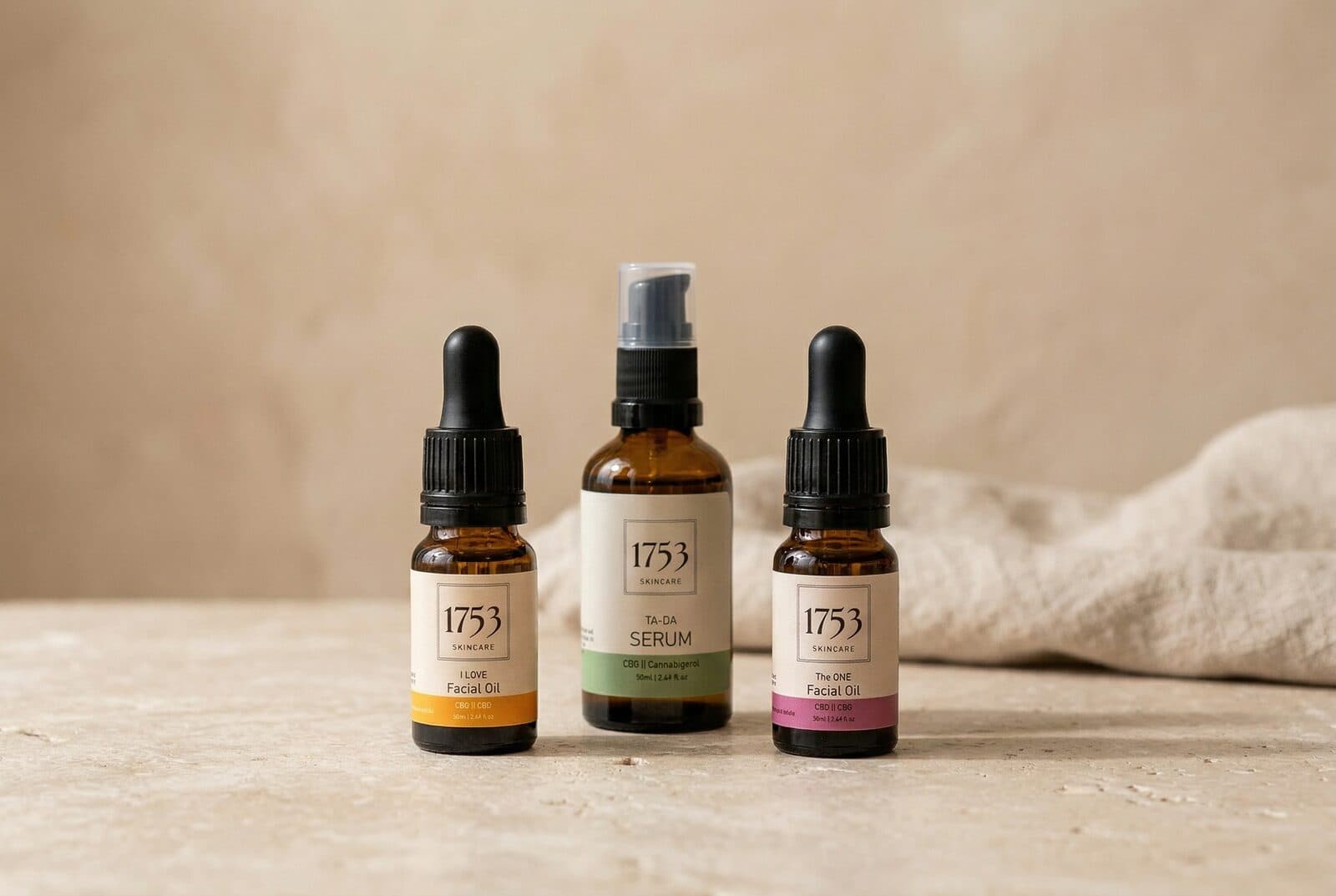
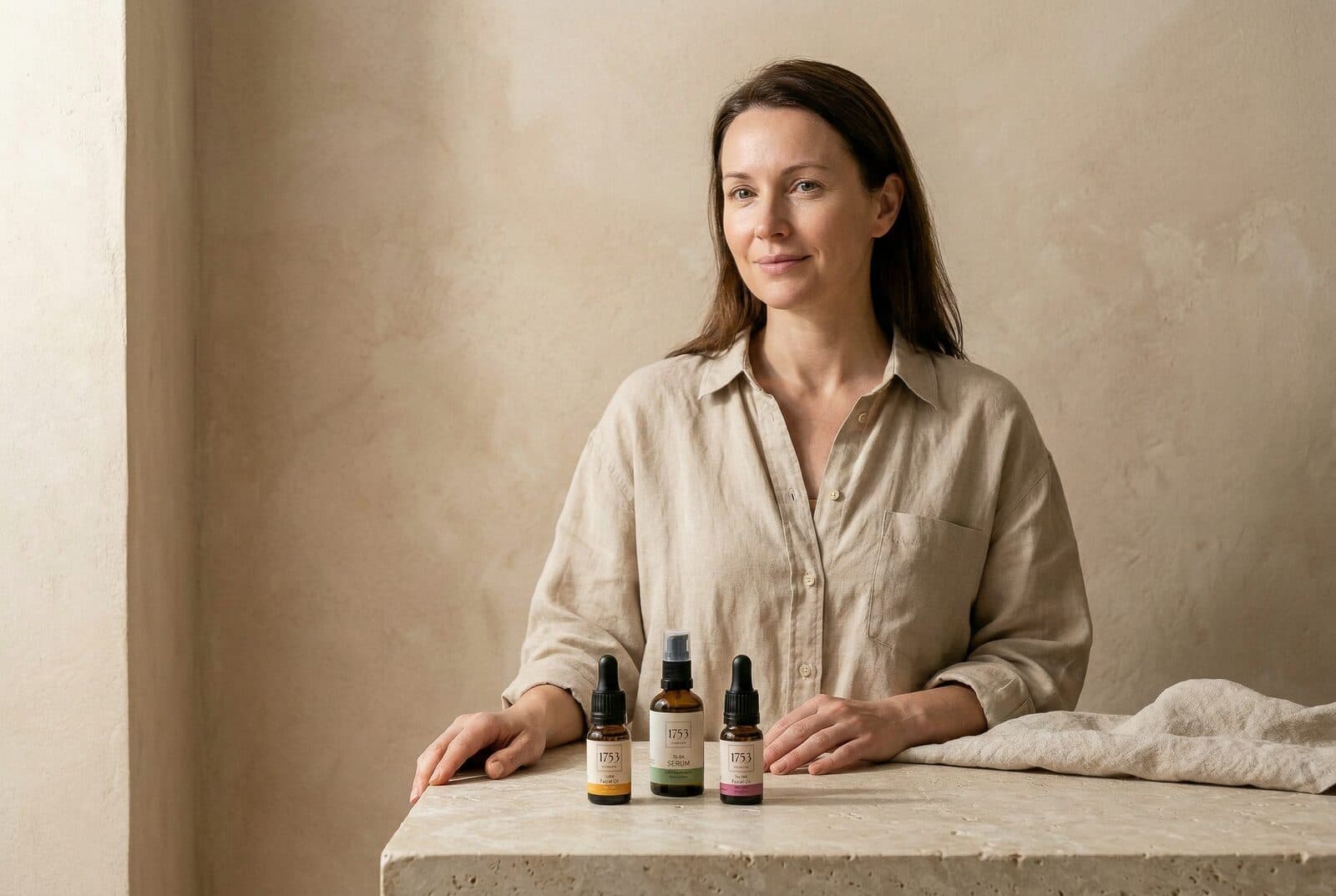
DUO kit + TA-DA Serum
The full routine in one: three products that help skin become calmer, stronger and more resilient.
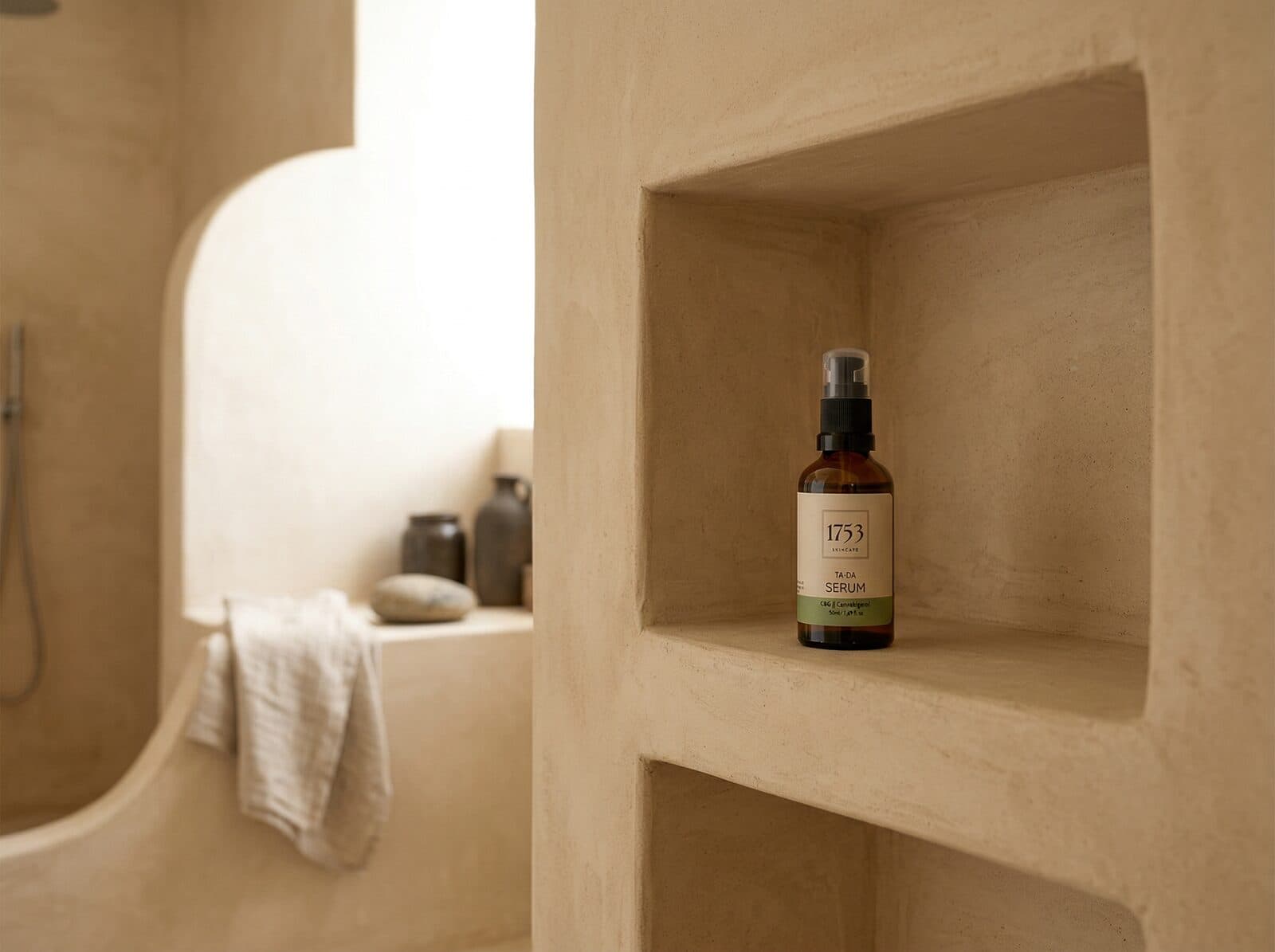
TA-DA Serum
A CBG-powered serum that seals in moisture and adds glow, whatever the season.
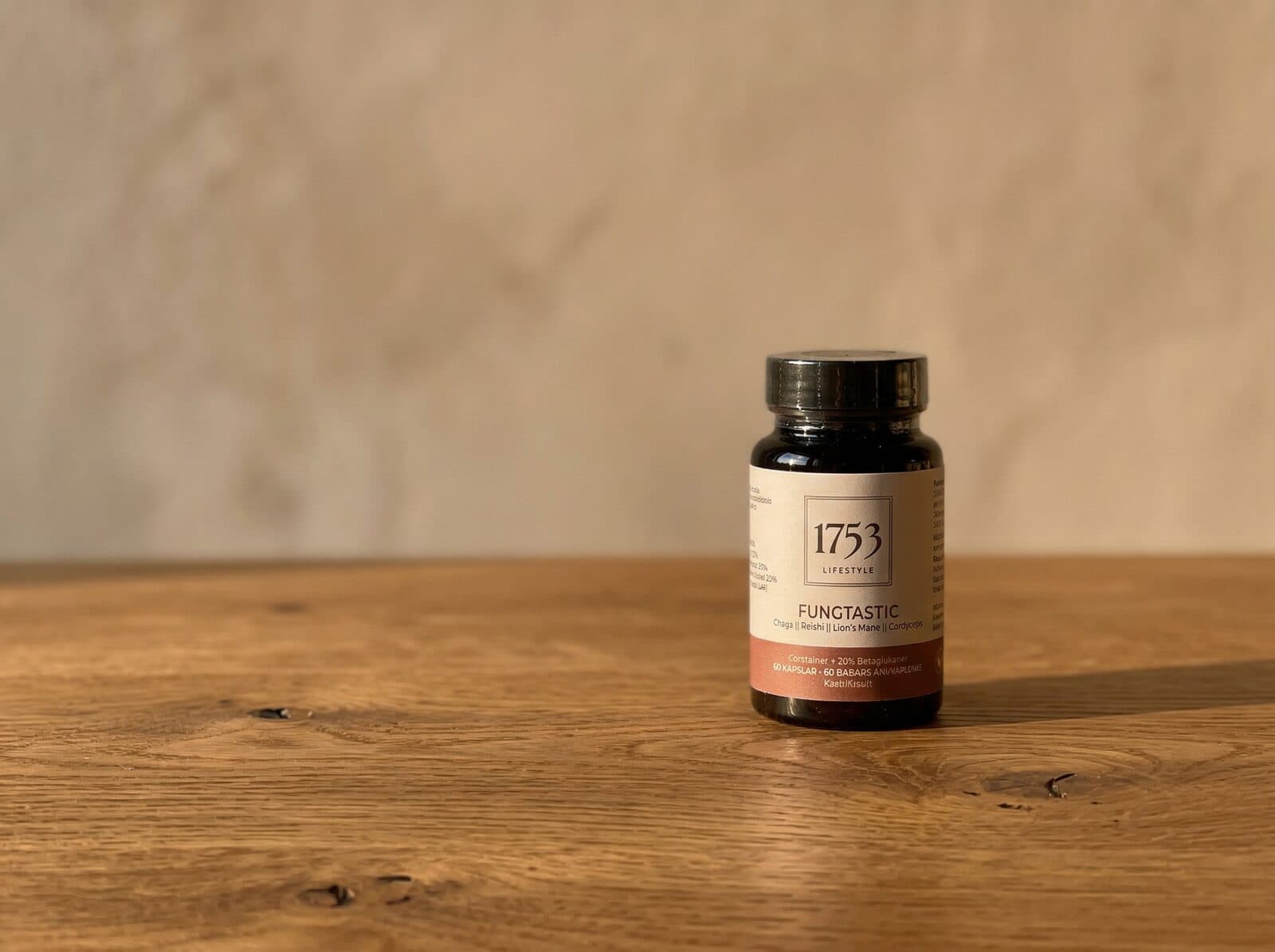
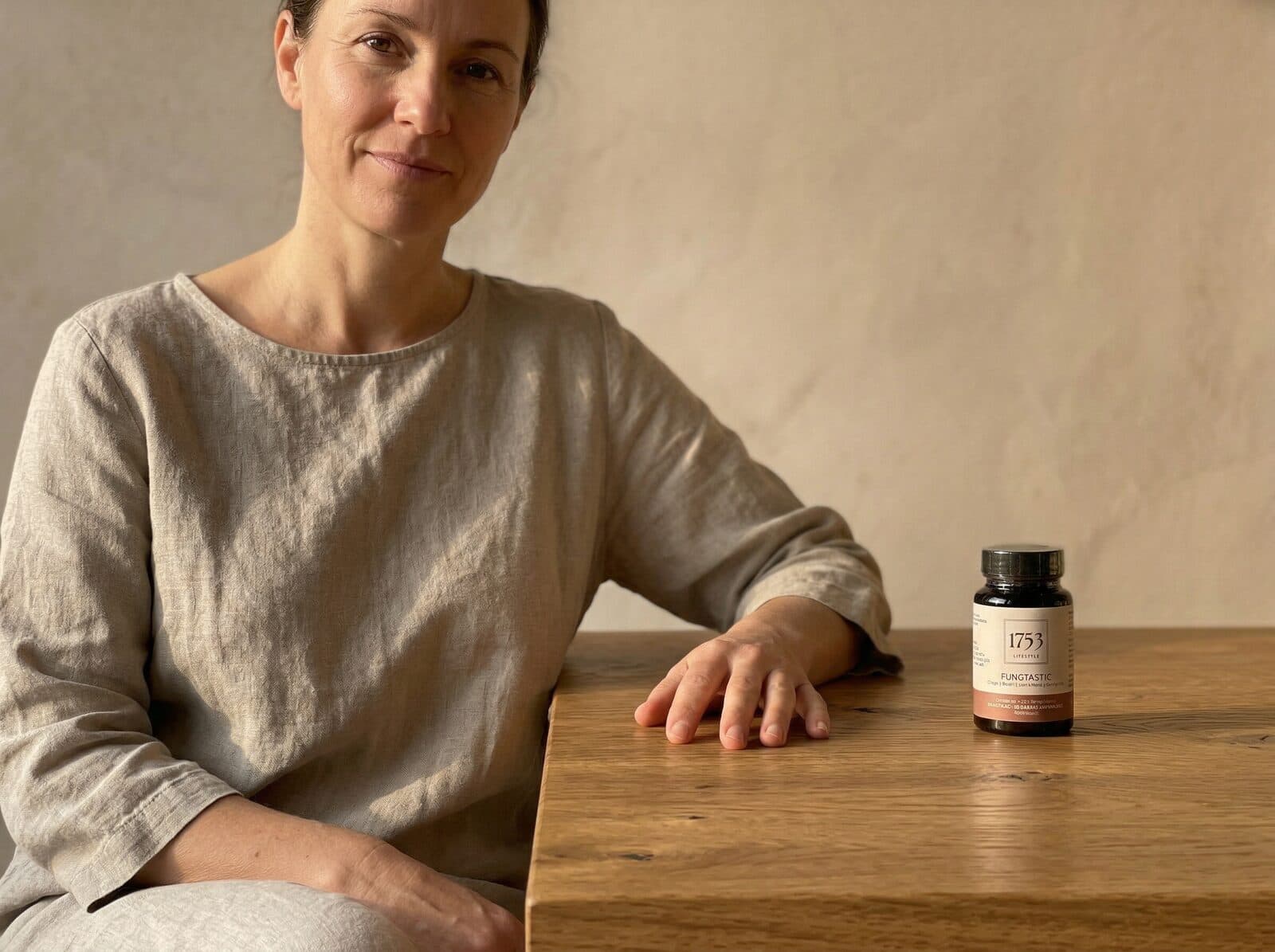
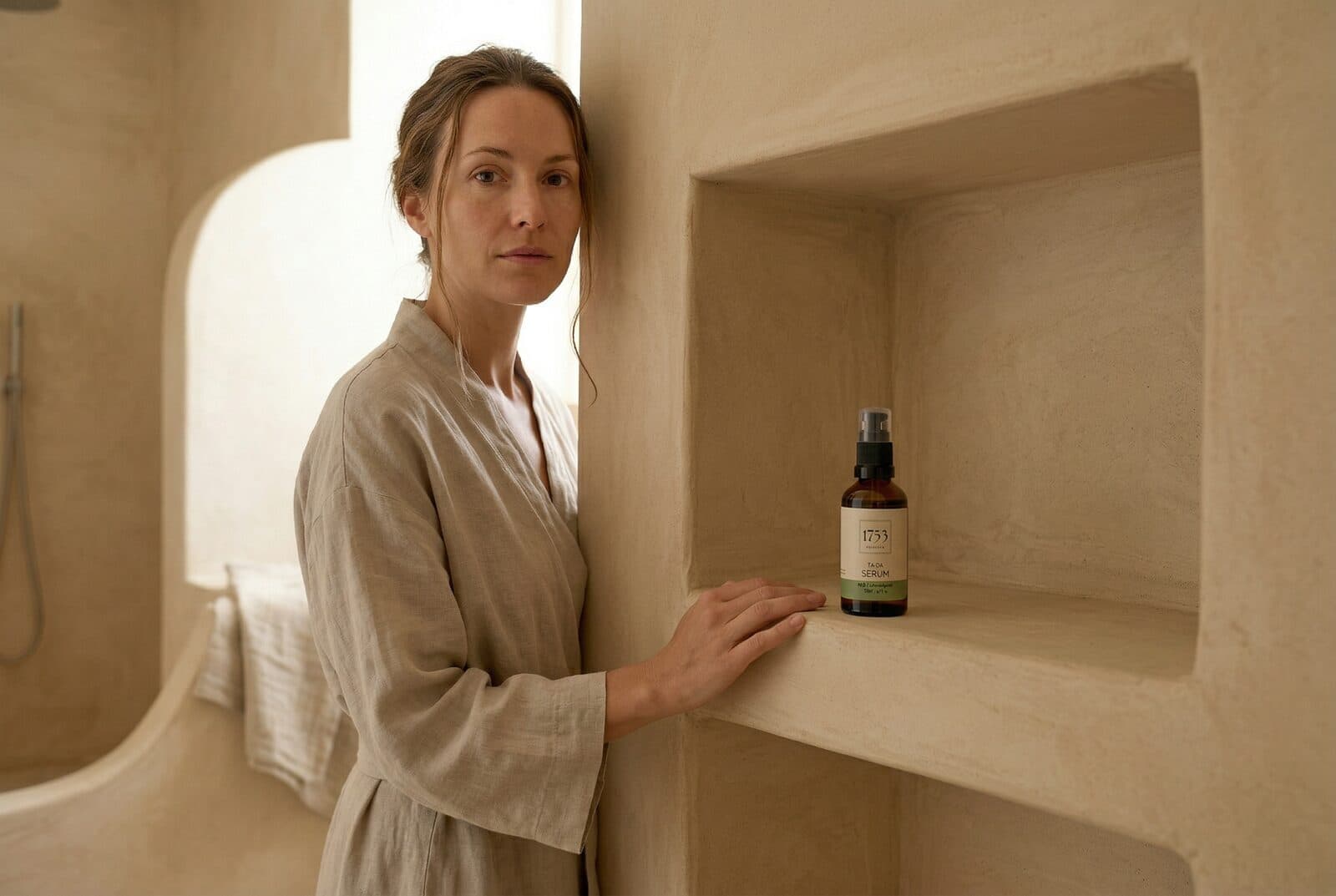
Fungtastic Mushroom Extract
Four mushrooms in one formula to support immunity, focus, energy and sleep from within.
Frequently asked questions
How many hours of sleep does skin need?
Research points to 7–9 hours for adults. During that time, the skin completes full repair cycles. Fewer than six hours per night consistently shows negative effects on skin barrier function and aging.
Does CBD help with sleep problems?
CBD interacts with receptors that regulate the sleep-wake cycle. Many users report better sleep quality, though effects vary. CBD doesn't replace sleep hygiene, but it can be a complement.
Should I apply CBD serum before sleeping?
Absolutely. Night is optimal for active ingredients because the skin is in repair mode and blood flow is elevated. Apply Ta-Da Serum as the last step in your evening routine.
Can my pillowcase affect my skin?
Yes. Cotton and silk pillowcases in natural materials work best. Change at least twice per week. Synthetic materials can trap heat and moisture, creating a breeding ground for bacteria.
Sources
- Chen Y, Lyga J. Brain-skin connection: stress, inflammation and skin aging. Inflamm Allergy Drug Targets 2014;13(3):177–190.
- Walker MP, van der Helm E. Overnight therapy? The role of sleep in emotional brain processing. Psychol Bull 2009;135(5):731–748.
- Katta R, Desai SP. Diet and Dermatology: The Role of Dietary Intervention in Skin Disease. J Clin Aesthet Dermatol 2014;7(7):46–51.
Article reviewed by Christopher Genberg, founder of 1753 SKINCARE.
Related articles
Lifestyle
Perimenopause and skin – when everything shifts at once
One day your skin feels drier, thinner and suddenly touchy. Adult acne may show up, fine lines look ...
Lifestyle & Skin
Stress and skin – your body keeps the score
You can have the world's best skincare routine and still wake up with breakouts, dark circles, and d...
Lifestyle & Skin
Gut health and skin – it often starts in the gut
Scientists call it the gut-skin axis – a direct communication pathway between your gut flora and you...
Skincare for mature skin
Skincare for mature skin – aging is not a disease to treat
Your skin has lived. It has laughed, cried, seen sun and wind. It doesn't deserve products that trea...
Skincare in your 40s
Skincare in your 40s – your skin needs an upgrade, not a revolution
Your forties are when skin starts telling truths. Collagen declines faster, hormonal changes affect ...
Skincare after 50
Skincare after 50 – your skin has lived a life, give it a good next chapter
After 50, skin has seen it all. Hormones have shifted, collagen has decreased, and skin is thinner a...