
Lifestyle & Skin
Gut health and skin – it often starts in the gut
Scientists call it the gut-skin axis – a direct communication pathway between your gut flora and your complexion. An imbalanced gut sends inflammatory signals your skin can't ignore. Want to improve your skin? Start with your gut.

How is the gut connected to the skin?
The gut and skin share an embryonic origin and communicate via three parallel pathways: the immune system, the nervous system, and the bloodstream. Your gut microbiome – the trillions of bacteria living in your gastrointestinal tract – produces signaling molecules that directly influence inflammation, immune response, and even the skin's oil production.
When the gut flora is imbalanced, a condition called dysbiosis, intestinal permeability increases. Bacterial fragments and inflammatory molecules leak into the bloodstream and reach the skin, triggering immune reactions. This can manifest as acne, eczema, rosacea, or psoriasis. Studies show that people with acne have significantly different gut flora compared to those without.
SIBO (small intestinal bacterial overgrowth) is linked to rosacea. IBS patients have higher rates of skin problems. Antibiotic use, stress, poor diet, and lack of fiber all feed a vicious cycle where the gut deteriorates and the skin pays the price. It's no coincidence that skin problems often coexist with digestive issues.
Build a healthier gut for healthier skin
Eat 30 different plants per week
Diversity in diet creates diversity in gut flora. Count vegetables, fruits, beans, nuts, seeds, and spices. Each unique plant feeds different bacterial strains that all contribute to a balanced gut.
Fermented foods daily
Sauerkraut, kimchi, kefir, yogurt, and miso introduce live bacteria to the gut. A daily serving can increase microbiome diversity and measurably lower inflammation markers within weeks.
Prebiotic fibers
Onions, garlic, leeks, bananas, oats, and Jerusalem artichokes contain fibers that specifically feed the good bacteria. It's not enough to add bacteria – they need food to survive and thrive.
Avoid unnecessary antibiotics
A course of antibiotics can disrupt gut flora for months. Only use when medically necessary, and always supplement with probiotics afterward. Your skin can react to an antibiotic course long after it's finished.
Mushroom extracts for gut balance
Medicinal mushrooms like lion's mane and chaga have shown prebiotic effects and support intestinal lining integrity. Our Fungtastic Mushroom Extract combines three mushrooms that address gut health from multiple angles.
Manage stress
The gut has its own nervous system with 500 million nerve cells. Stress affects gut motility, permeability, and microbiome composition directly via the vagus nerve. Stress management is gut care.

How our products support the gut-skin axis
Fungtastic Mushroom Extract is designed specifically for those who understand that skin starts in the gut. Lion's mane supports the intestinal lining and has shown anti-inflammatory properties in the GI tract. Chaga is a powerful antioxidant that protects cells from oxidative stress. Reishi balances the immune system – directly relevant since 70 percent of the immune system resides in the gut.
From the outside, Ta-Da Serum with 10% CBD gives the skin the anti-inflammatory support it needs while you build gut health from within. CBD interacts with CB2 receptors in the skin and helps dampen the inflammatory signals an imbalanced gut sends. Duo Ta-Da adds barrier protection with its oil component.
Working with the gut-skin axis requires patience – 8–12 weeks for noticeable change. But it's the most sustainable path to healthy skin we know of.
Products we recommend
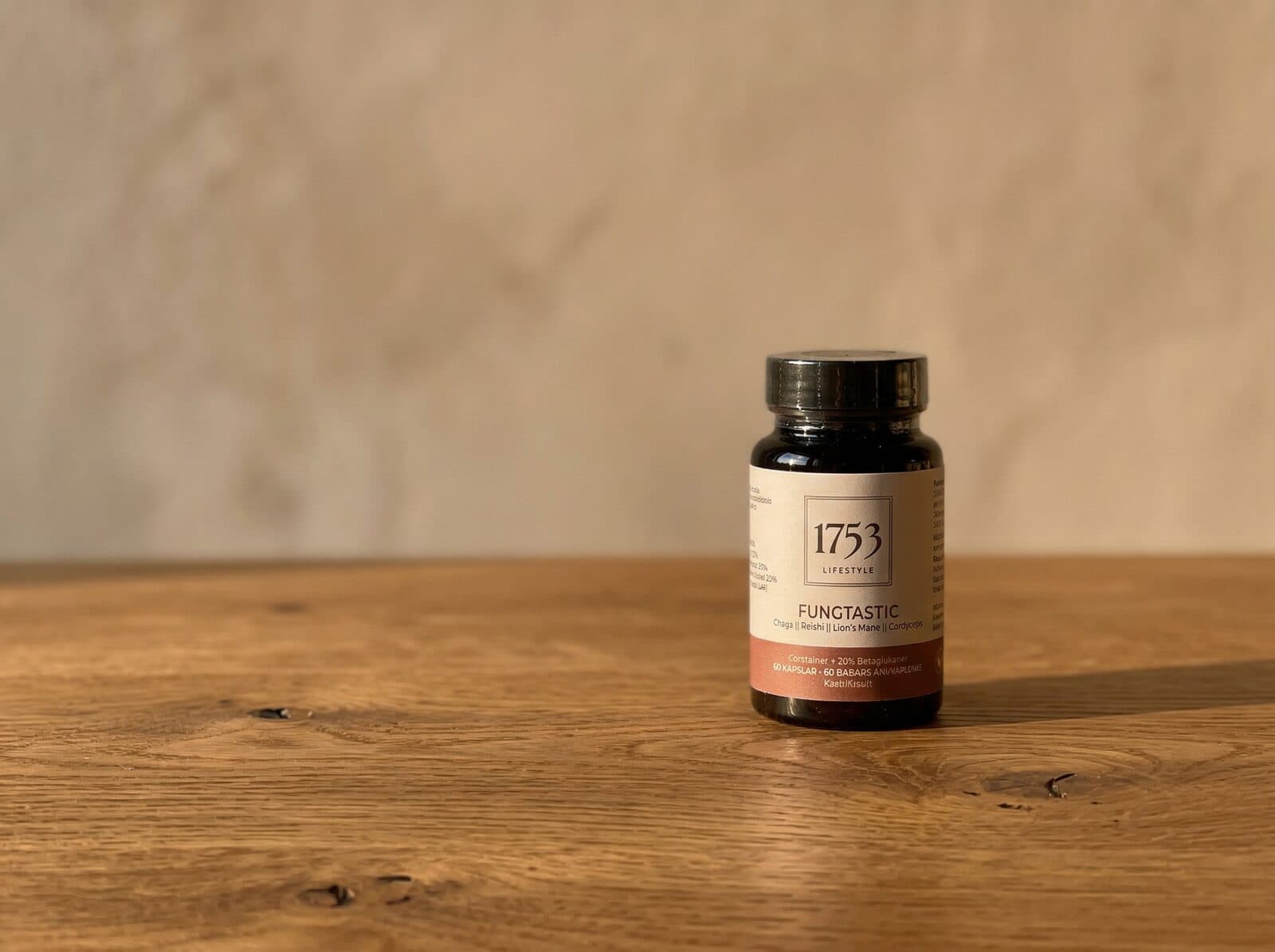
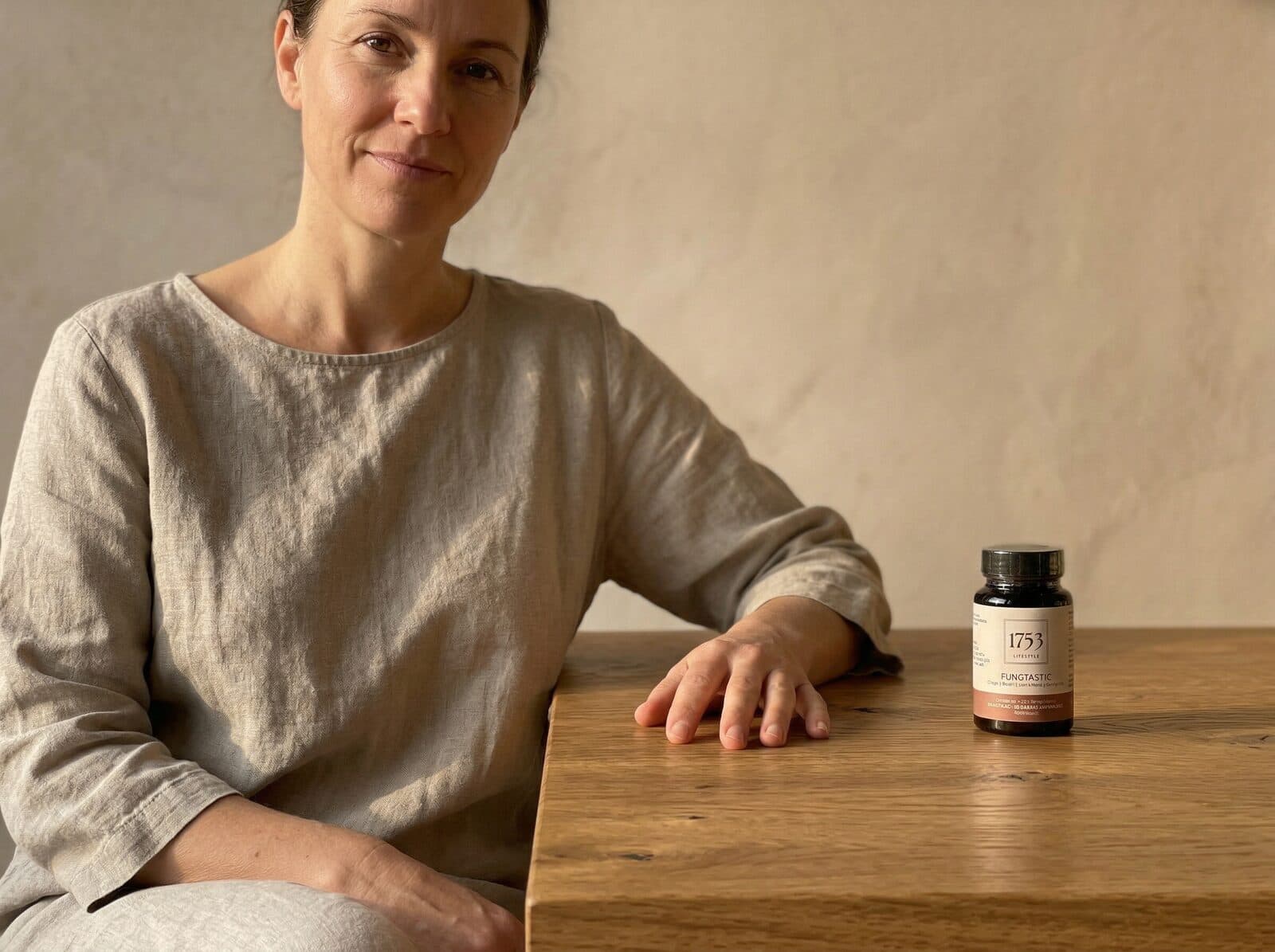
Fungtastic Mushroom Extract
Four mushrooms in one formula to support immunity, focus, energy and sleep from within.
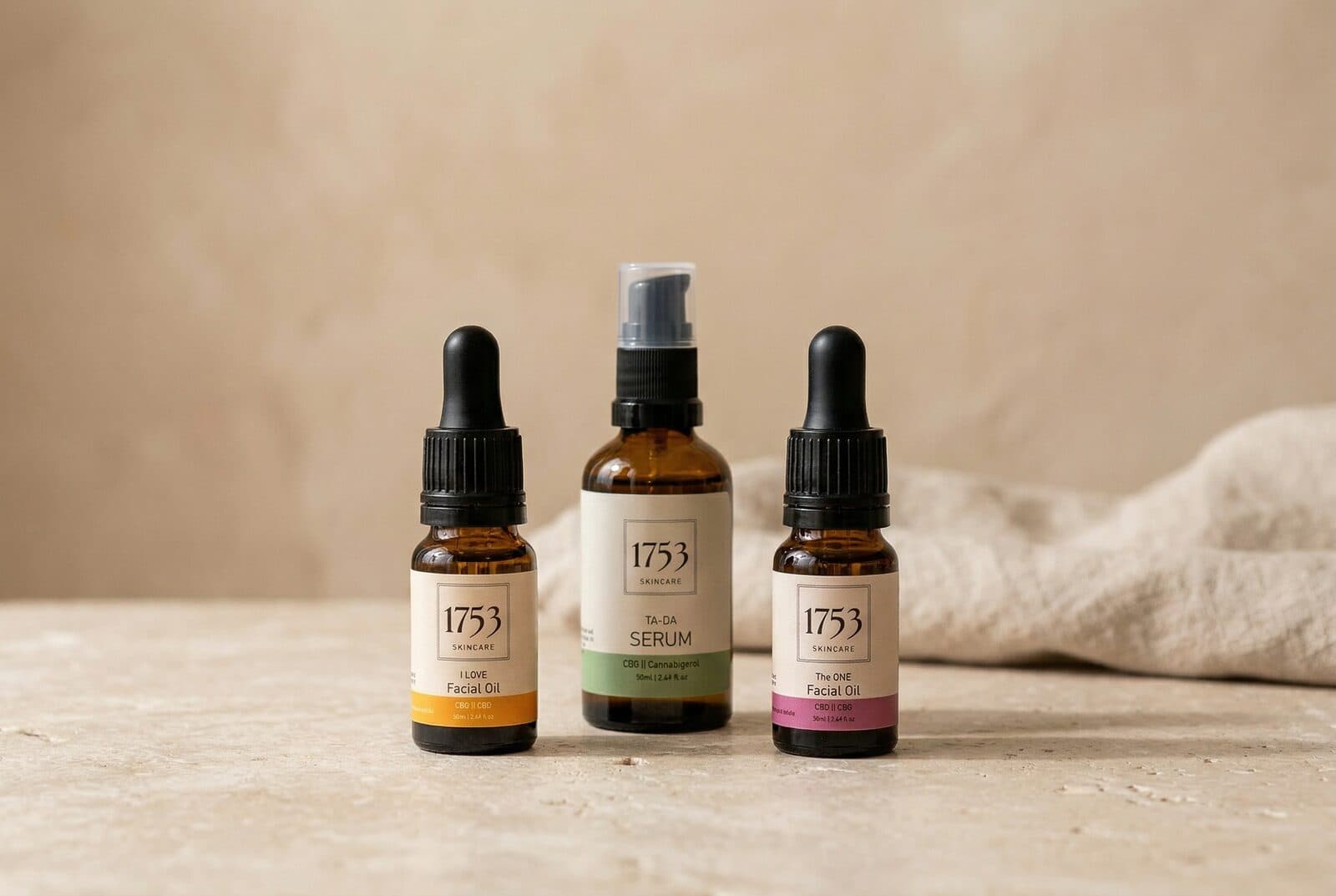
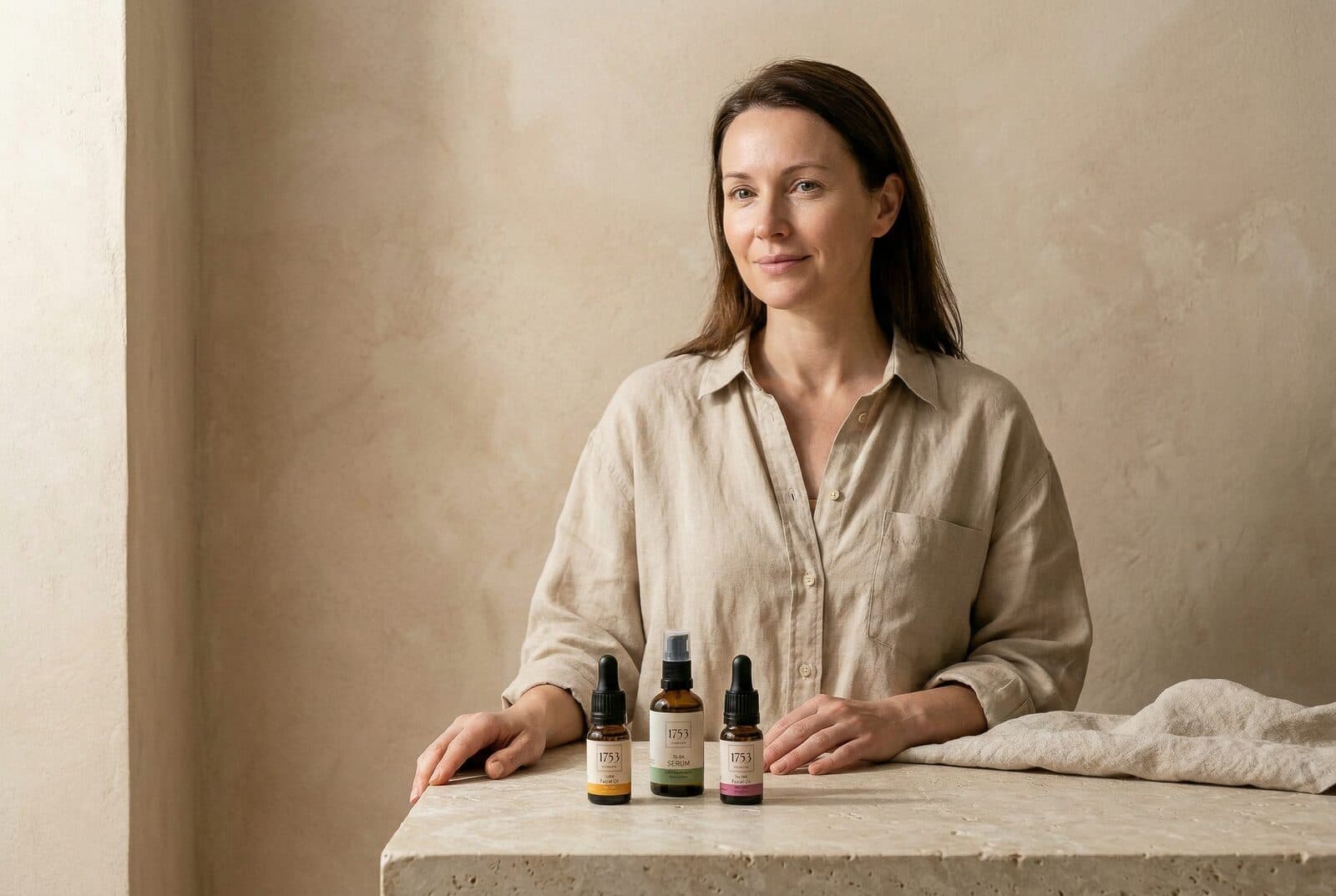 Save €60
DUO kit + TA-DA Serum
The full routine in one: three products that help skin become calmer, stronger and more resilient.
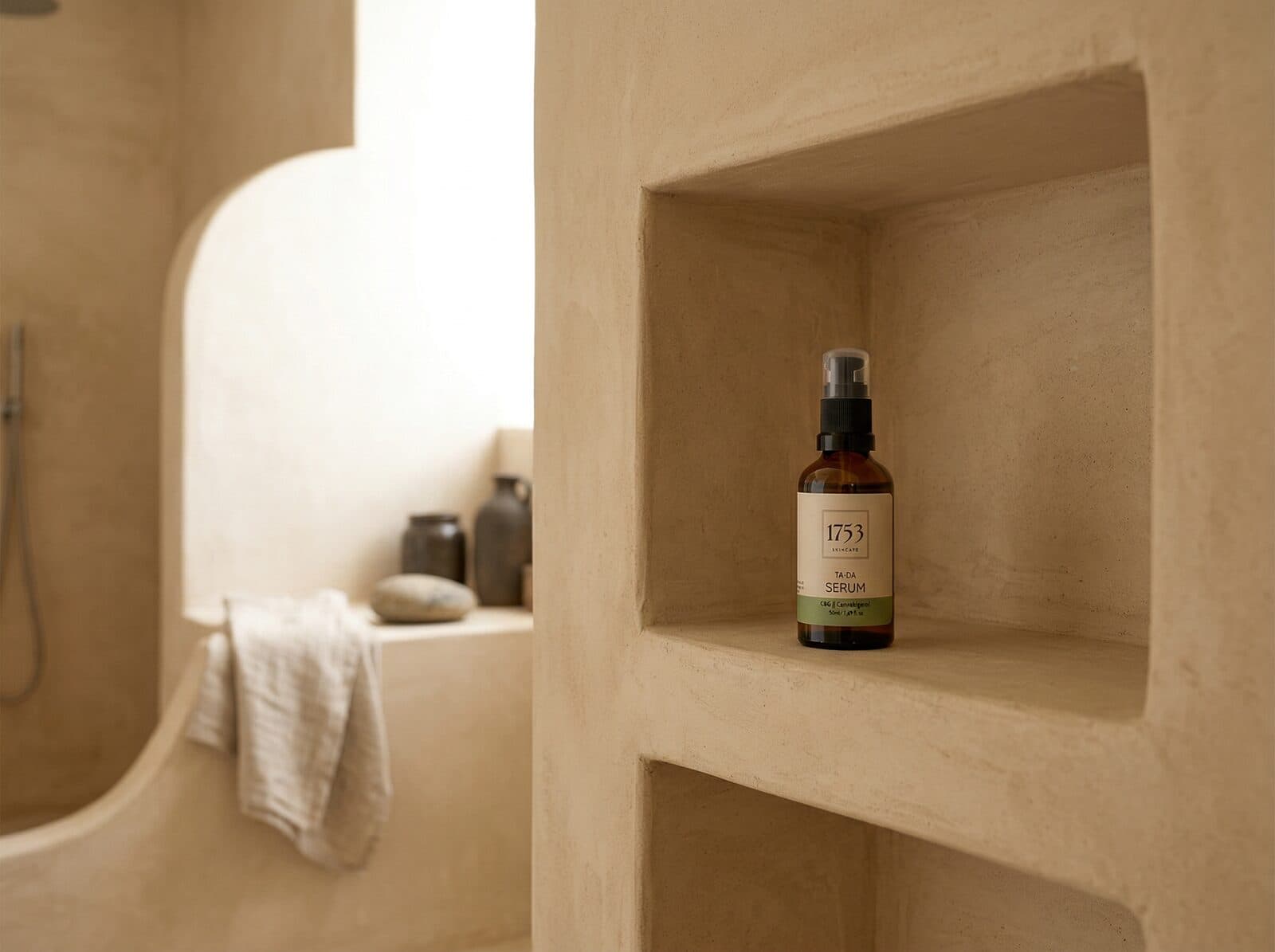
TA-DA Serum
A CBG-powered serum that seals in moisture and adds glow, whatever the season.
Frequently asked questions
Can gut health really affect acne?
Absolutely. Studies show that people with acne often have lower microbiome diversity and higher levels of inflammatory gut bacteria. Probiotics have been shown in controlled studies to significantly reduce acne lesions.
How long does it take to improve gut flora?
Dietary changes affect gut flora within days, but stable changes take 8–12 weeks of consistent effort. Patience pays off – the effects on skin come gradually but lastingly.
What does Fungtastic do for the gut?
Lion's mane supports the intestinal lining barrier and has shown anti-inflammatory effects in studies. Chaga contributes antioxidants, and reishi balances the immune system, which is largely governed from the gut.
Can I take probiotics and CBD at the same time?
Yes, they work through different mechanisms and complement each other well. Probiotics address gut flora directly, while CBD supports the endocannabinoid system that helps the body manage inflammatory signals.
Sources
- Chen Y, Lyga J. Brain-skin connection: stress, inflammation and skin aging. Inflamm Allergy Drug Targets 2014;13(3):177–190.
- Walker MP, van der Helm E. Overnight therapy? The role of sleep in emotional brain processing. Psychol Bull 2009;135(5):731–748.
- Katta R, Desai SP. Diet and Dermatology: The Role of Dietary Intervention in Skin Disease. J Clin Aesthet Dermatol 2014;7(7):46–51.
Article reviewed by Christopher Genberg, founder of 1753 SKINCARE.
Related articles
Lifestyle
Perimenopause and skin – when everything shifts at once
One day your skin feels drier, thinner and suddenly touchy. Adult acne may show up, fine lines look ...
Lifestyle & Skin
Stress and skin – your body keeps the score
You can have the world's best skincare routine and still wake up with breakouts, dark circles, and d...
Lifestyle & Skin
Sleep and skin – your most important skincare routine happens in bed
No serum in the world can compensate for sleep deprivation. At night, your skin repairs, renews, and...
Skincare for mature skin
Skincare for mature skin – aging is not a disease to treat
Your skin has lived. It has laughed, cried, seen sun and wind. It doesn't deserve products that trea...
Skincare in your 40s
Skincare in your 40s – your skin needs an upgrade, not a revolution
Your forties are when skin starts telling truths. Collagen declines faster, hormonal changes affect ...
Skincare after 50
Skincare after 50 – your skin has lived a life, give it a good next chapter
After 50, skin has seen it all. Hormones have shifted, collagen has decreased, and skin is thinner a...