
PROFESSION
Tanning bed skin – when glow comes with a cost
Tanning bed skin often looks evenly bronzed, but underneath, the story is different: UVA deep damage, a strained barrier and slow, subclinical burning the body keeps trying to repair. That’s not being dramatic. That’s just skin doing too much, too often.

Is your tanning bed skin just tired?
UVA reaches deeper than most people think. It hits the dermis, drives free-radical formation and breaks down collagen and elastin without always creating the obvious red alarm. That’s why tanning bed skin can seem “used to it” while photoaging accelerates quietly in the background.
This is also why subclinical burning matters. Skin does not need to be visibly red to be under pressure. Research links repeated UVA exposure with oxidative stress, uneven pigmentation and a higher melanoma risk over time. The mainstream answer has long been more exfoliation, more cleansing, more “actives” – but a skin barrier already under strain usually needs less attack, not more.
If you recognise tightness after showering, dryness that never quite settles, or skin that reacts despite being “tough,” you’re not imagining it. Those are often signs that the barrier and recovery cycle are lagging behind. The point is not to judge the habit; it’s to give the skin a better way to cope between sessions.
Three minutes that actually help
Cleanse less aggressively
In the morning, a gentle cleanse or just lukewarm water is enough if the skin feels fine. The goal is to avoid stripping away more than necessary when tanning bed skin is already dry and stressed.
Use oil as support
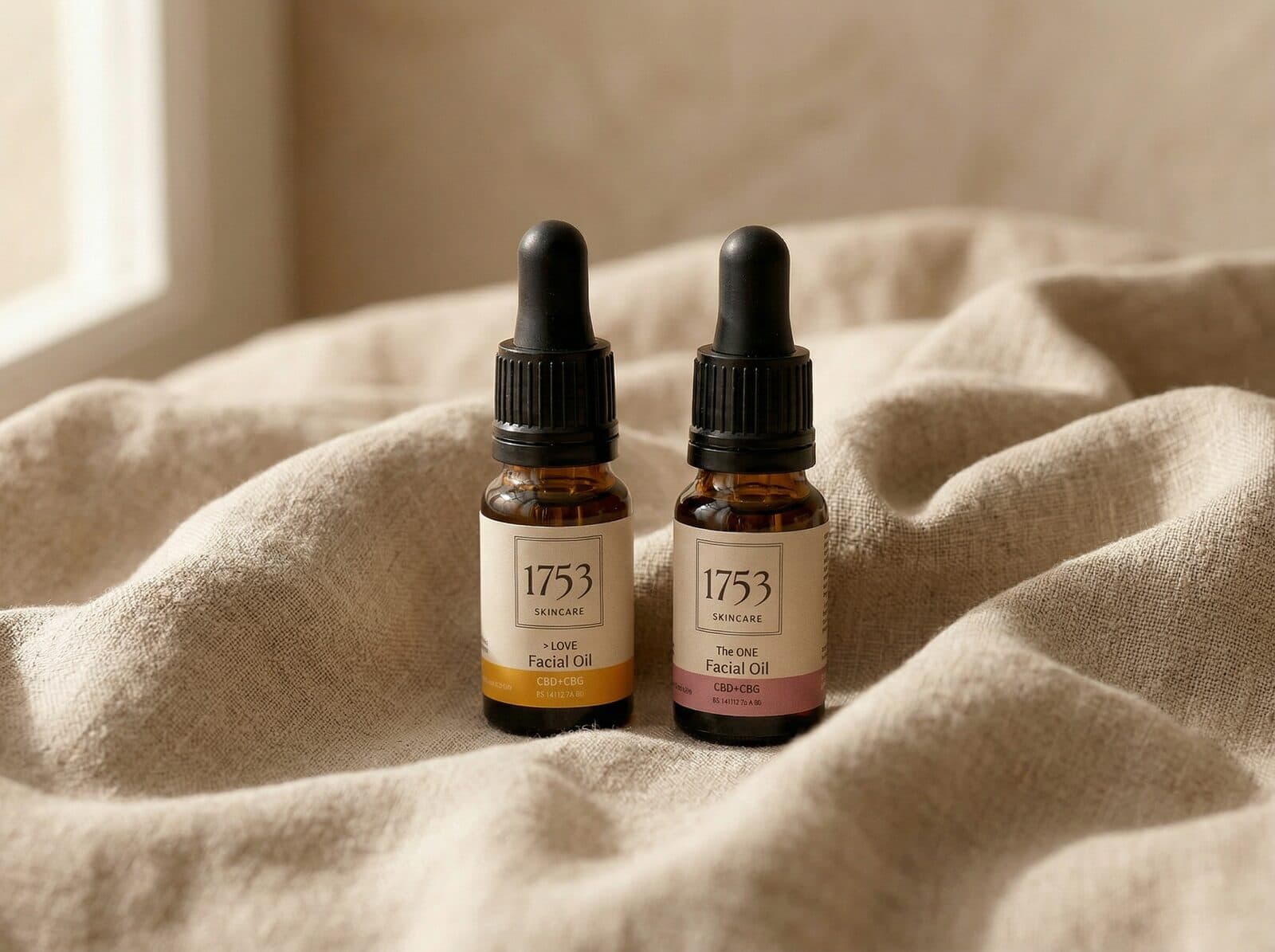
Reach for The ONE when skin feels tight or reactive. A skin-regulating facial oil helps reduce that worn-out feeling and makes it easier for the barrier to stay intact through the day.
Keep nights calm
After cleansing, the DUO-kit works well: I LOVE calms, The ONE softens and helps the skin settle. Two steps, no noise, just a more sensible answer to UVA stress.
Add antioxidant backup
Ta-DA serum makes sense when skin needs more than moisture and lipids. Antioxidants and adaptogens help support the skin’s defence against oxidative stress, which matters when photoaging is speeding up.
Make breakfast part of it
Fungtastic Mushroom Extract is easy to add with breakfast. Chaga, Reishi, Lion’s Mane and Cordyceps offer oral support that fits a skin living in recovery mode.

How to care for tanning bed skin properly
The most sensible response to tanning bed skin is not to over-treat it, but to unload it. In the morning: Au Naturel Makeup Remover with MCT oil for a gentle cleanse that doesn’t tear at an already stressed barrier. That matters when skin feels dry but sensitive – a classic outcome of repeated UVA exposure.
In the evening: the DUO-kit with The ONE and I LOVE. Together they bring the full cannabinoid spectrum from CBD and CBG, which suits skin that needs calm, balance and less reactivity. It’s not magic, just a smarter way to meet the oxidative burden that often comes with tanning bed use and accelerated photoaging.
At breakfast: Fungtastic Mushroom Extract as a simple oral support. Chaga, Reishi, Lion’s Mane and Cordyceps let you think about skin from the inside without turning mornings into a project. Three minutes is enough when the routine is built for real life, not perfect bathrooms and endless time.
Products we recommend
 Save €34
DUO kit
Two face oils, one for morning and one for evening. Simple skincare that works with your skin, not against it.
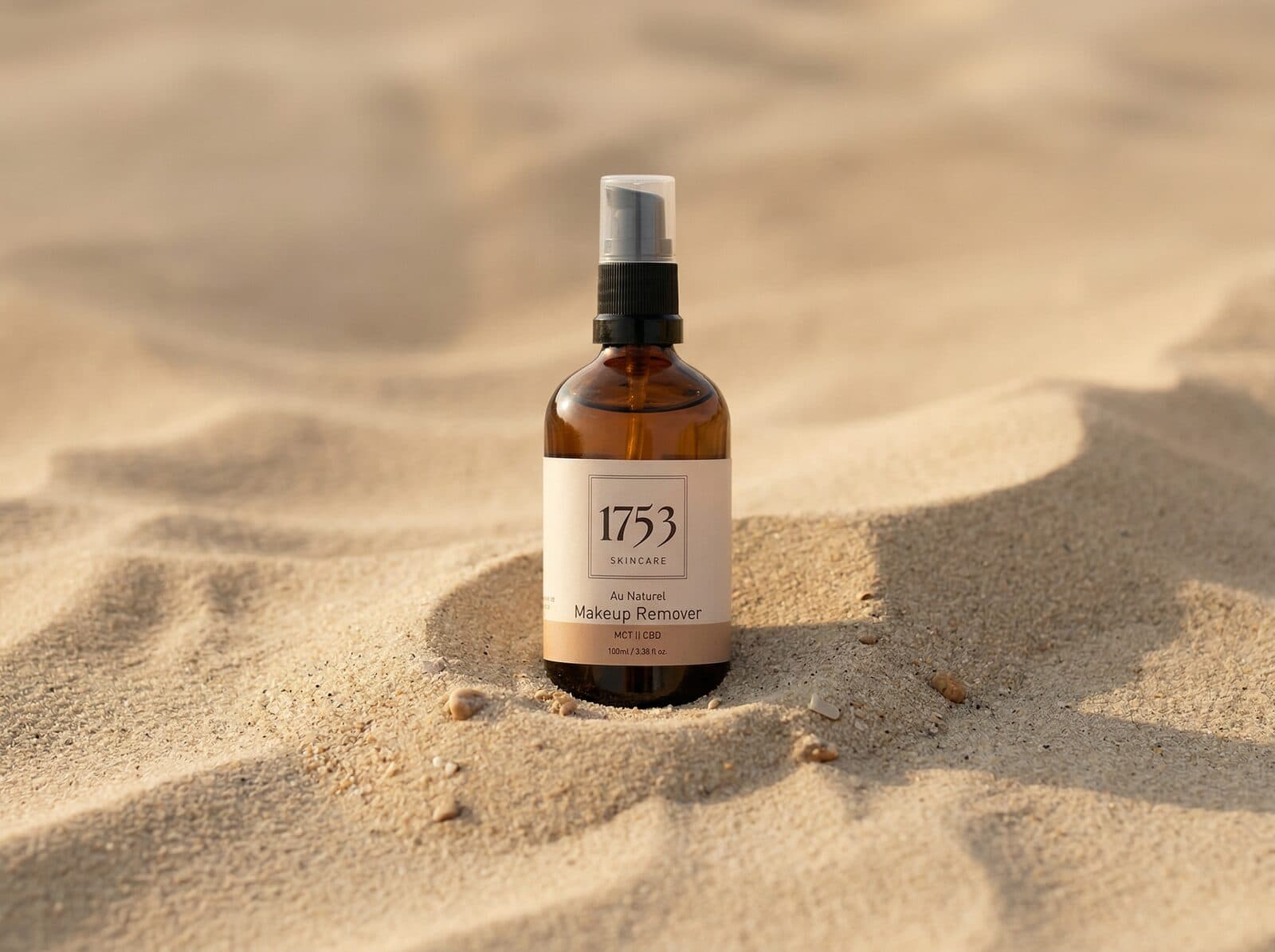
Au Naturel Makeup Remover
A cleansing oil with MCT and CBD that removes makeup and buildup without stripping your skin bare.
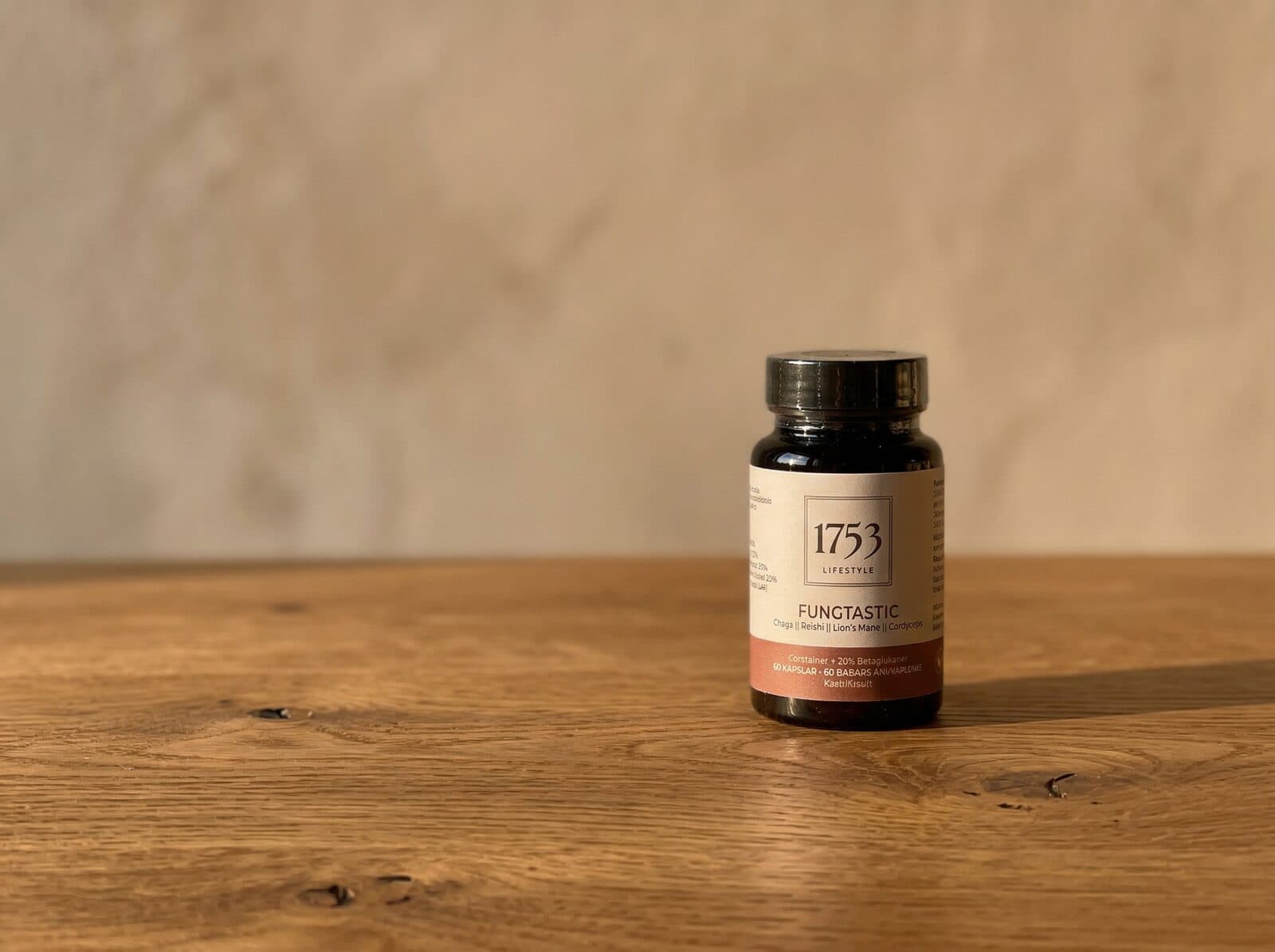
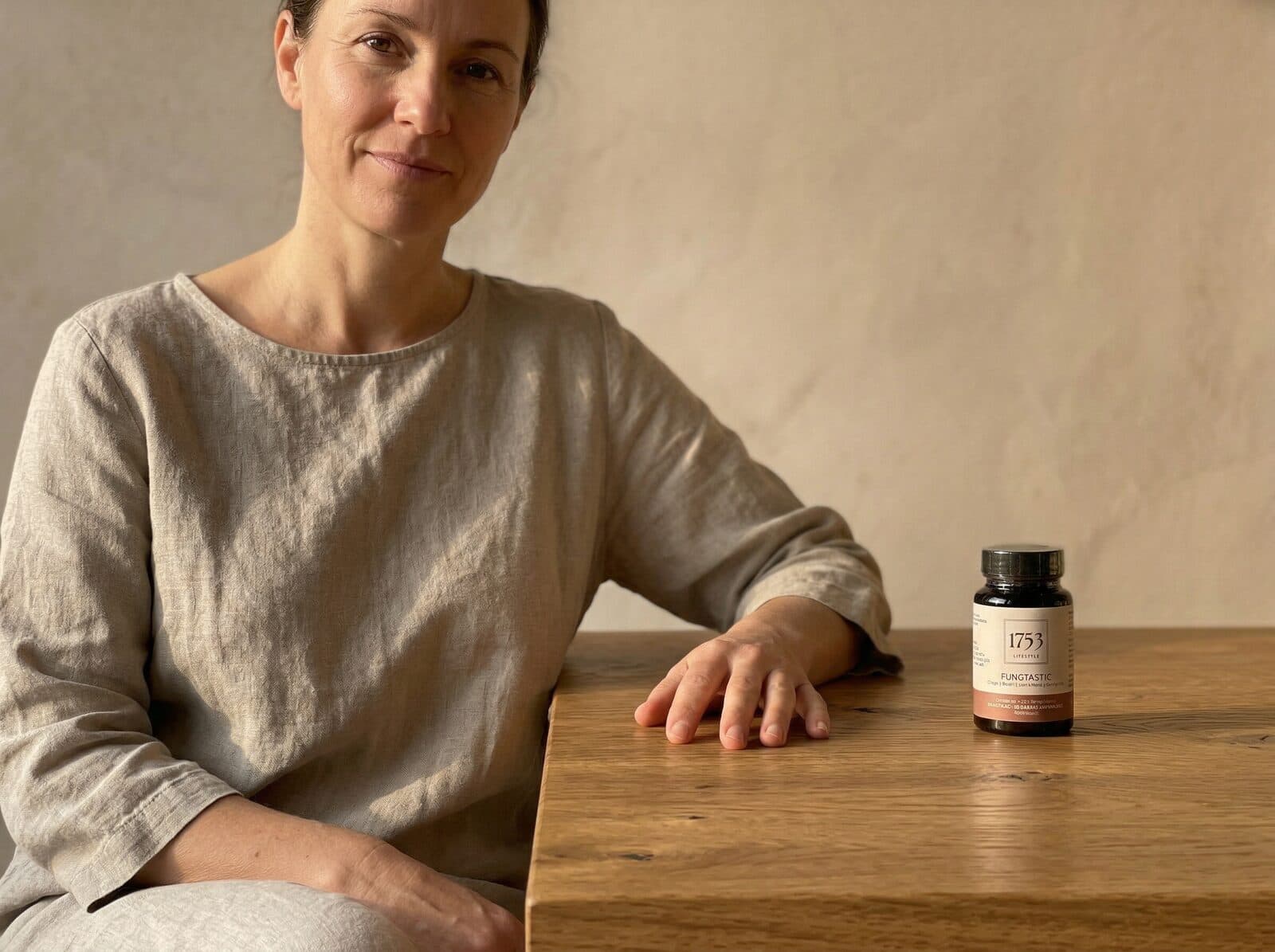
Fungtastic Mushroom Extract
Four mushrooms in one formula to support immunity, focus, energy and sleep from within.
Frequently asked questions
Is tanning bed skin always damaged?
Not always visibly, but often under pressure. UVA can create deep oxidative stress without obvious redness, so skin may look fine while still needing more recovery and less harsh care.
Do I have to stop tanning beds to care for my skin?
This page isn’t here to lecture you. If you keep going, it becomes even more important to support the barrier, reduce unnecessary exfoliation and give skin calmer products in between.
Why isn’t a regular moisturiser enough?
Because tanning bed skin is often about more than surface dryness. You also want barrier support, calm and oxidative-stress support. That’s where oil, CBG and antioxidants can matter more than just more humectants.
When will I notice a difference?
Many people notice less tightness and fewer reactive days within a few weeks. Deeper recovery takes longer, especially if UVA exposure continues, but the routine can change how skin feels right away.
Sources
- Chen Y, Lyga J. Brain-skin connection: stress, inflammation and skin aging. Inflamm Allergy Drug Targets 2014;13(3):177–190.
- Engebretsen KA, Johansen JD, Kezic S, Linneberg A, Thyssen JP. The effect of environmental humidity and temperature on skin barrier function and dermatitis. J Eur Acad Dermatol Venereol 2016;30(2):223–249.
Article reviewed by Christopher Genberg, founder of 1753 SKINCARE.
Related articles
SCREEN TIME
screen time skin – when work shows up on your face
Full days in front of a screen don’t just live in your calendar. They show up in your skin: tightnes...
SHIFT WORK
Shift work skin – when your body and skin fall out of sync
Night shifts, early starts, random meals and sleep that never quite lands. Shift work skin often sho...
WorkSkin
Flight crew skin – when the cabin takes it all
Cabin humidity, long shifts and zone hopping are a rough mix for skin. It can feel tight, dull and i...
SYMPTOM
Itchy skin – why nights make it worse
You finally lie down, and then it starts. The itch that was manageable all day suddenly takes over y...
Symptom
Flaky skin – when your skin starts shedding
When skin starts lifting in little flakes, it’s tempting to assume it needs a stronger cleanser, ano...
Symptom
Dry skin around mouth – when the skin pushes back
It often starts as tightness, flaking or tiny red patches right around the mouth. Sometimes it sting...