
Trend
Skin cycling - a neat name for simple logic
Skin cycling took off because it sounds like structure in a skincare world that often does too much. But Whitney Bowe’s 4-night routine is really just rotation logic: exfoliation, retinol and recovery instead of throwing everything at the skin at once.

Is skin cycling actually smart - or just repackaged routine logic?
The core idea behind skin cycling is pretty sensible: alternate active nights with rest nights to reduce irritation. Exfoliation can help lift dead skin cells and create a smoother surface, while retinol is known for influencing cell turnover and longer-term skin behavior. Dr Bowe popularized the format because so many people overdo actives, then wonder why their skin turns red, tight and annoyed.
But here’s the catch: what works for one face is not automatically magic for another. If you’re already using strong acids, multiple active serums and harsh cleansing, a 4-night plan may become more discipline than solution. Skin doesn’t always need more technique - sometimes it needs less friction, fewer layers and a bit of respect for the barrier.
The 1753 philosophy is simple: build from the base up. Be curious about trends, sure, but never let them replace skin that is getting calm, moisture and balance first. Try rotation if you want - just understand why you’re rotating, not only that you are.
How to try skin cycling without overdoing it
Start with gentle exfoliation
Put exfoliation on one night a week if your skin is sensitive. The point is to clear the path, not to polish a new face out of your skin every night.
Use retinol sparingly
Retinol belongs on skin that already feels stable, not stressed. Start with a small amount at night and keep the rest of the routine quiet.
Plan recovery nights
Recovery is not wasted time; it is the whole point of the rotation. Skip actives and focus on keeping skin calm, soft and unbothered.
Keep cleansing kind
An oil-based cleanser can go a long way if you don’t want to strip the barrier before you even begin. Over-cleansing often does more harm than skipping a trend night.
Watch the skin, not the calendar
If skin stings, flakes or feels thin, back off immediately. Skin cycling should help you read your skin better, not force it into a schedule it clearly dislikes.

How to build a routine that actually lasts
If you want to do skin cycling properly, don’t start with the trendy extras. Start with a gentle cleanse like Au Naturel Makeup Remover, so skin gets a soft beginning instead of being stripped raw. That’s where a lot of routines fall apart: people cleanse like skin is a plate that needs scraping clean.
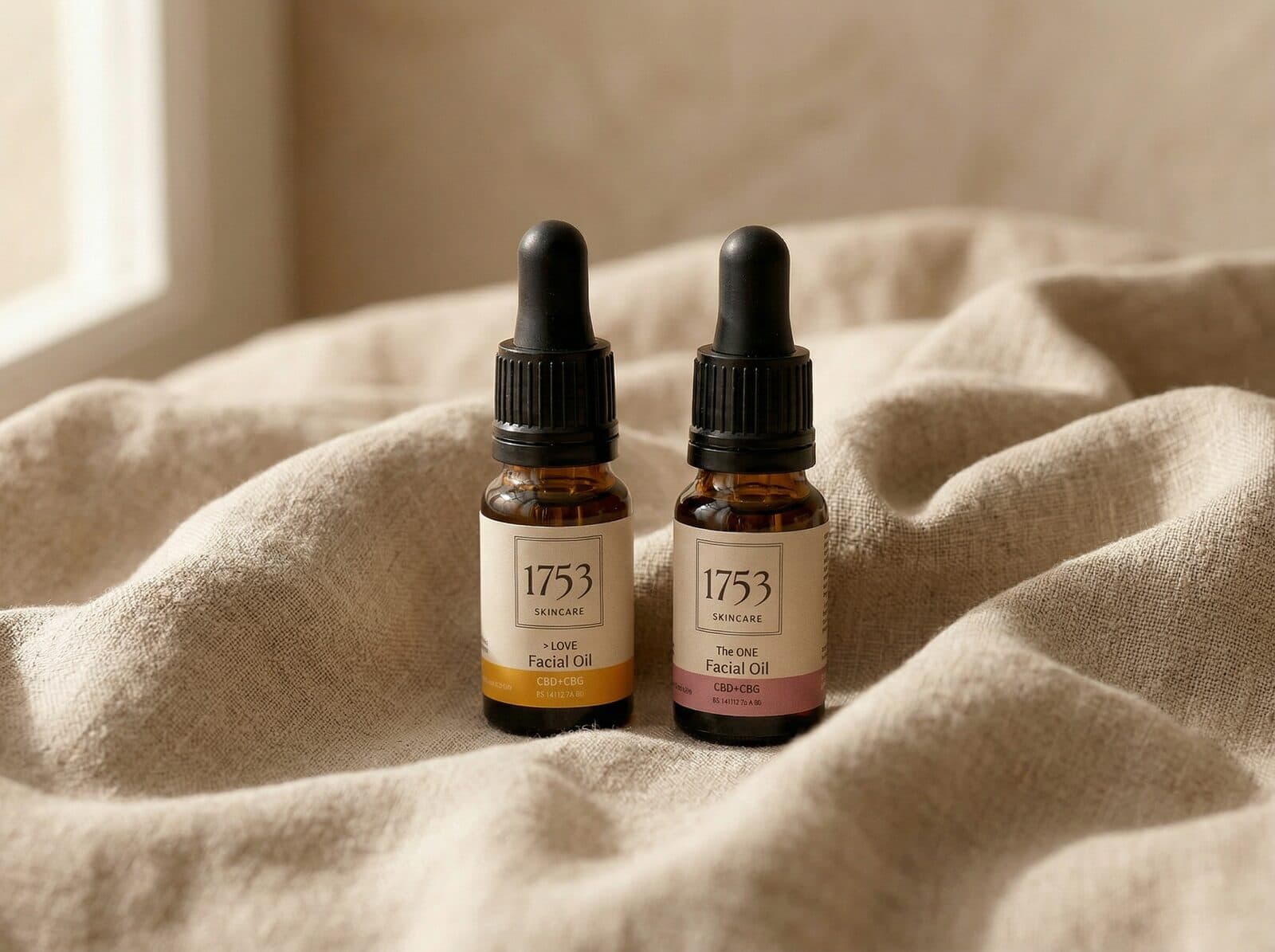
Then comes the foundation. The DUO kit - The ONE and I LOVE - gives you a minimalist base where a skin-regulating oil and a calming CBG serum can do their job without competing with five other actives. Honestly, that’s more logical than chasing a perfect 4-night template: first stable skin, then experiments if they still make sense.
If you want to add something on top, do it deliberately. Ta-DA serum fits when you want an antioxidant, more anti-aging-leaning evening, but it’s still an add-on - not the foundation. 1753’s view is straightforward: minimalist trio first, trend second if it earns its place. Skin cycling is optional; your barrier isn’t.
Products we recommend
 Save €34
DUO kit
Two face oils, one for morning and one for evening. Simple skincare that works with your skin, not against it.
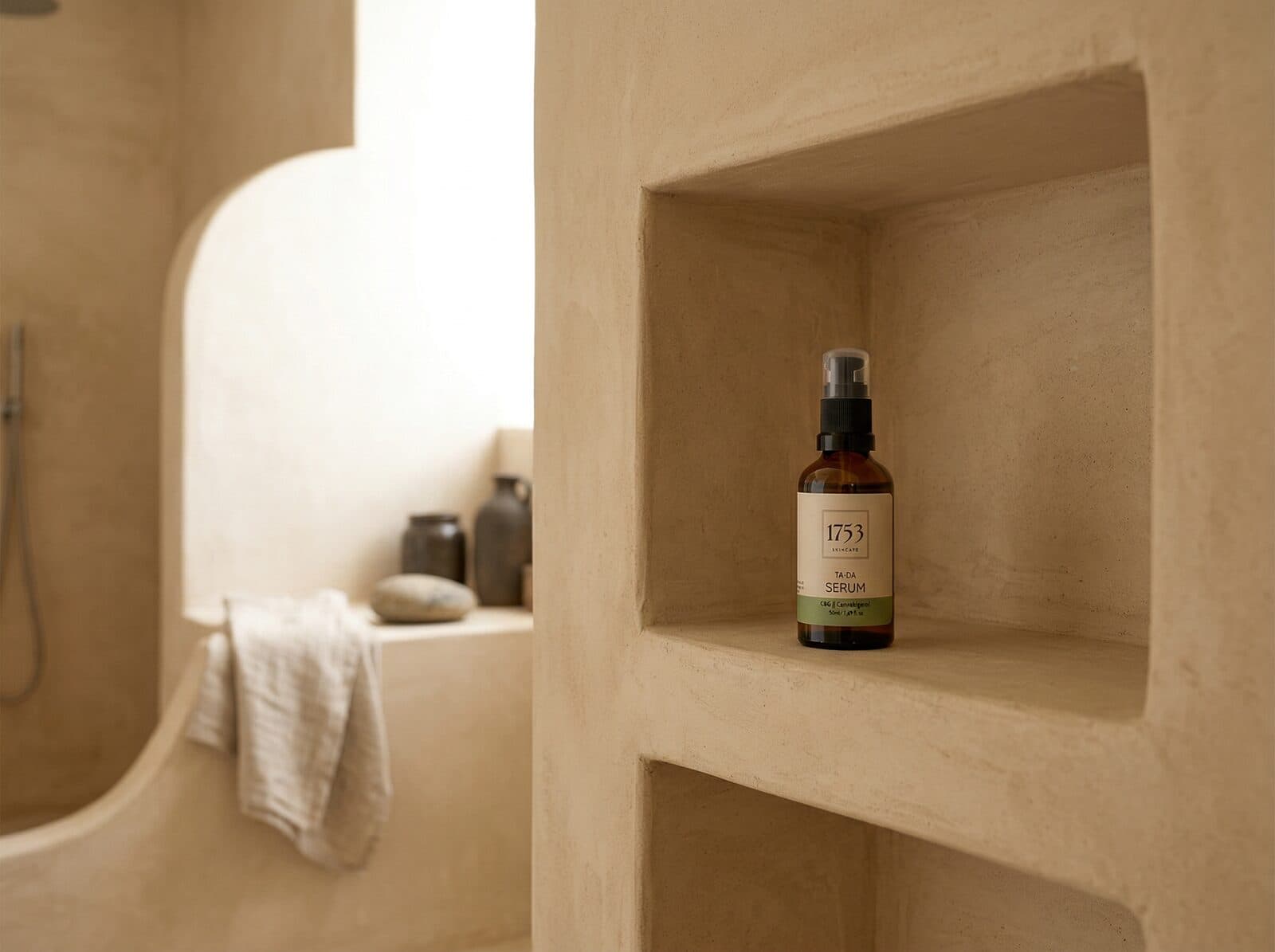
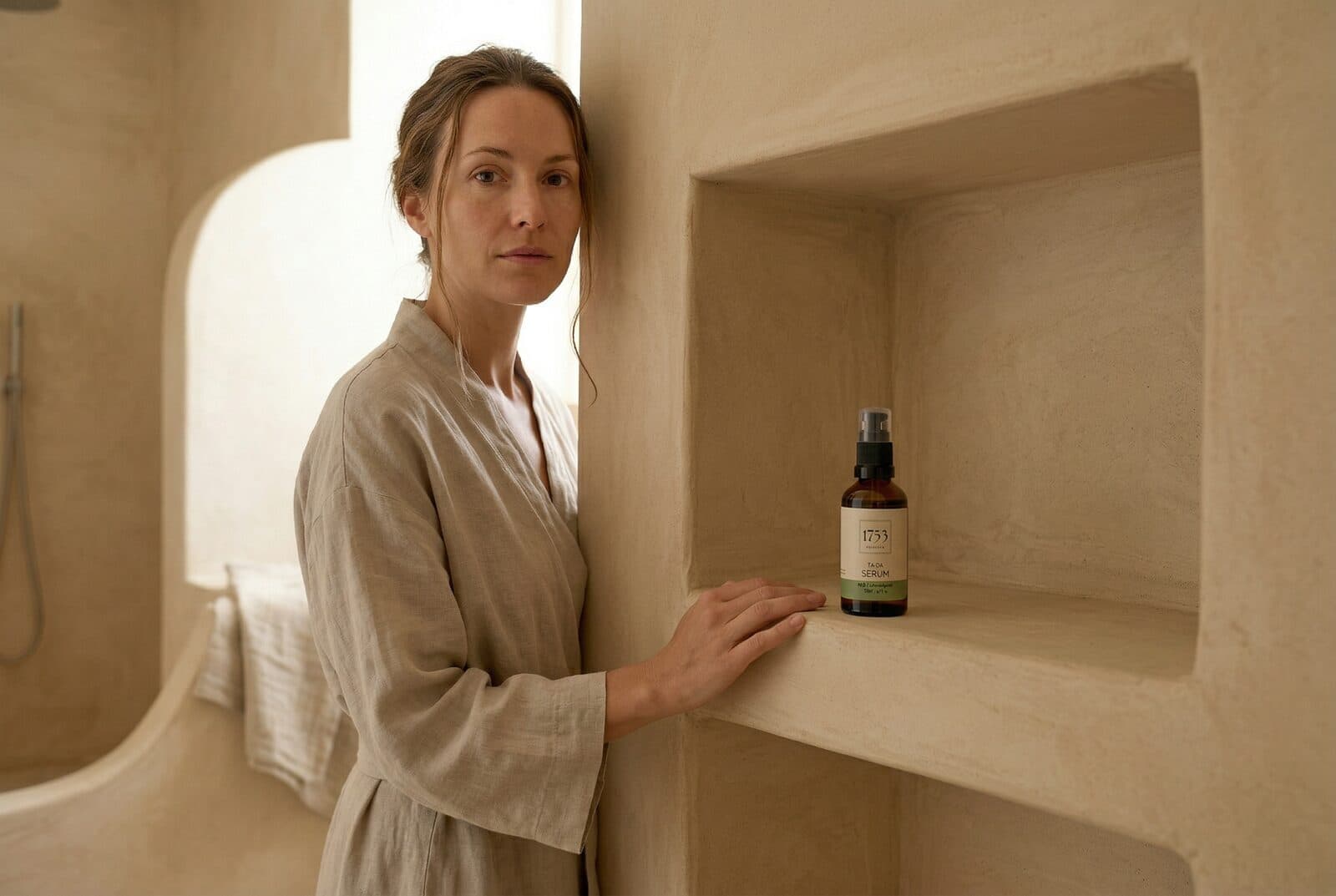
TA-DA Serum
A CBG-powered serum that seals in moisture and adds glow, whatever the season.
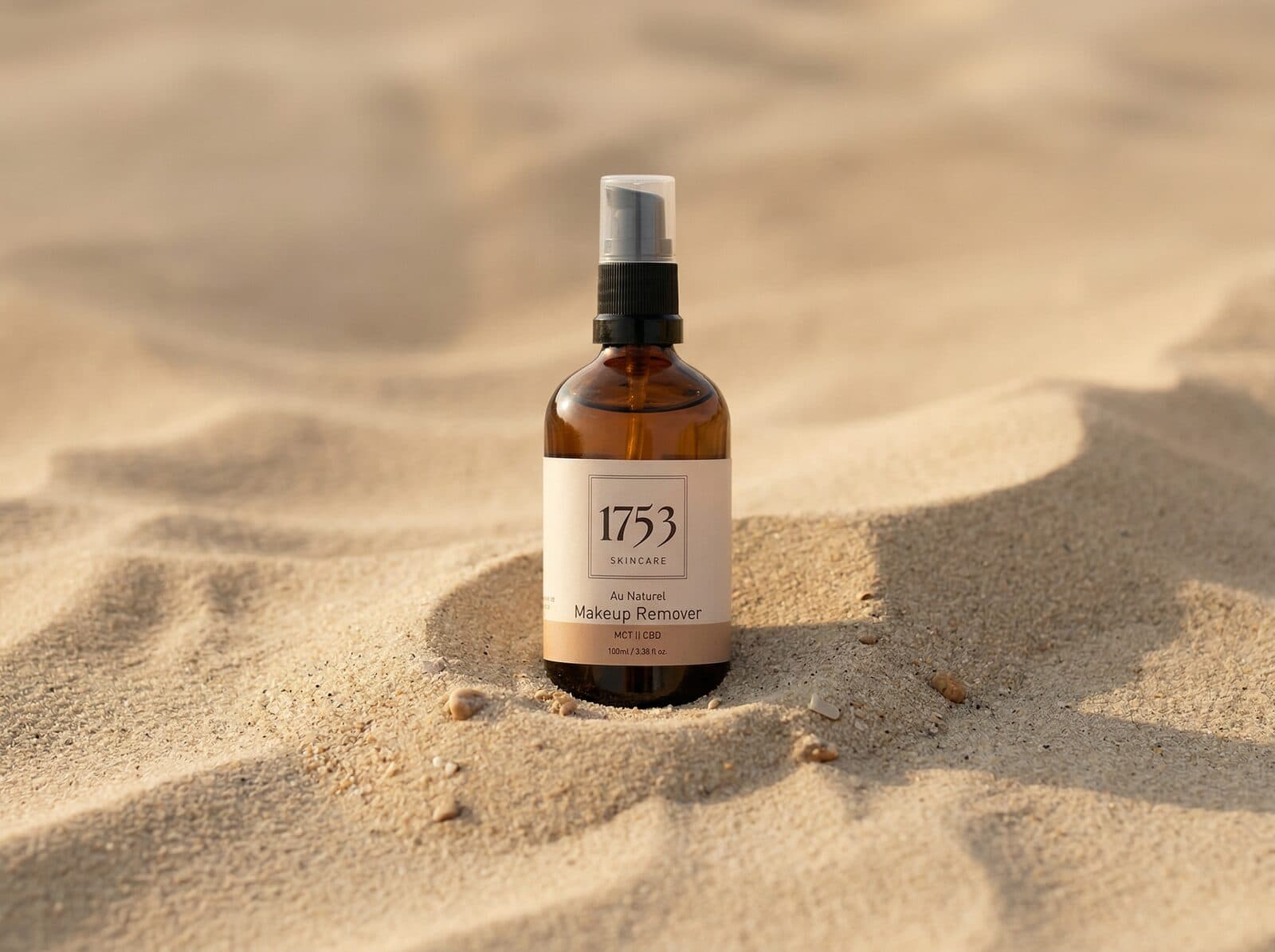
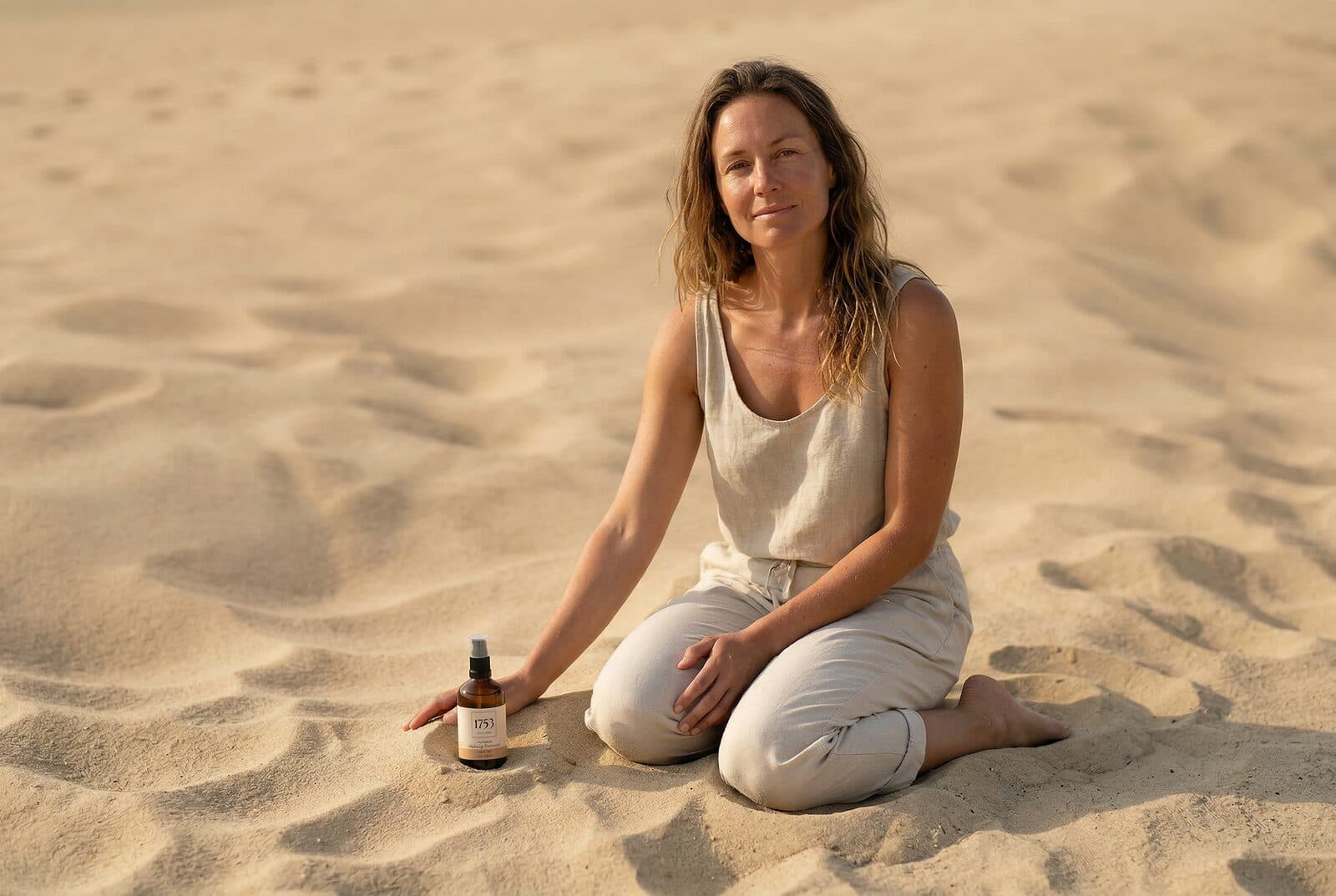
Au Naturel Makeup Remover
A cleansing oil with MCT and CBD that removes makeup and buildup without stripping your skin bare.
Frequently asked questions
Does skin cycling have to be four nights?
No, that’s just the popular template. Some skin types do better with fewer active nights and more recovery, especially if they get dry or reactive easily.
Is skin cycling good for sensitive skin?
It can be, but only if exfoliation and retinol stay very gentle. Sensitive skin usually prefers low frequency and clear rest nights over a hard schedule.
What’s the difference between recovery and doing nothing?
Recovery means you intentionally skip actives and let the skin settle. It’s not laziness - it’s often what makes the rest of the routine work better.
Do I need both exfoliation and retinol?
Not necessarily. Many people get better results by choosing one clear direction instead of stacking several strong steps. Skin cycling is about rotation, not cramming everything in.
Sources
- Bíró T, Tóth BI, Haskó G, Paus R, Pacher P. The endocannabinoid system of the skin in health and disease. Trends Pharmacol Sci 2009;30(8):411–420.
- Prescott SL, Larcombe DL, Logan AC, et al. The skin microbiome: impact of modern environments on skin ecology, barrier integrity, and systemic immune programming. World Allergy Organ J 2017;10(1):29.
Article reviewed by Christopher Genberg, founder of 1753 SKINCARE.
Related articles
Trend
Slugging skincare – moisture lock or trap?
Slugging sounds almost too easy: seal everything in at night and wake up softer. Sometimes that’s ex...
Trend
Skin flooding – when more starts to feel like less
Skin flooding became a fast favorite for serum lovers: layer after layer of hydration, often on damp...
TREND
Skin fasting – when less can finally feel like enough
Skin fasting sounds simple: stop everything, let the skin breathe, start over. For some, a break fro...
Ingredient Portrait
cbd for skin – less noise, more balance
CBD for skin is interesting because it doesn’t try to bully the skin into behaving. It works with th...
Ingredient Portrait
cbg for skin – the mother cannabinoid that calms and renews
CBG usually lives in CBD’s shadow, but skin can tell the difference. This is the cannabinoid that ma...
Ingredient Portrait
Jojoba oil skin – wax that works with you
Jojoba oil is not a regular oil, and that is exactly why people keep coming back to it. It comes fro...