
Trend
Skin flooding – when more starts to feel like less
Skin flooding became a fast favorite for serum lovers: layer after layer of hydration, often on damp skin, to trap water and create that plump, juicy feel. It can be brilliant for dry or thirsty skin. But when skin is already stressed, the same method can become one more layer too many.

Why did skin flooding blow up?
The idea behind skin flooding is straightforward: apply a hydrating product to slightly damp skin, follow with more serums rich in humectants like hyaluronic acid, glycerin, or panthenol, then seal things in with something that slows water loss. It’s classic humectant layering — water-binding ingredients that help the skin feel softer on the surface.
Does it work? Yes, especially when the barrier is basically fine but the skin feels tight from weather, travel, heating, or too much cleansing. That’s a big reason the trend took off: it gives a quick payoff without requiring a whole parade of acids and actives. But if you’re already over-exfoliating, using retinoids, or washing hard, more layers can just become a cosmetic fire drill.
1753’s philosophy is pretty simple: skin doesn’t want to be bullied, it wants to be respected. Skin flooding can be smart, but only if you’re not trying to fix a wrecked routine by piling on even more products. Plenty of people try it after a dry spell — and realize that less drama often gives steadier skin.
How to try it without overdoing it
Start on damp skin
Pat your skin mostly dry after cleansing, but leave a little moisture behind. Humectants work better there, and you avoid that tight, stripped feeling people often try to solve with too much product.
Keep the stack short
Two to three steps are often enough. If you pile on too many serums, skin can end up tacky instead of hydrated, especially in humid weather or when your routine already has actives.
Go wet-on-wet
Apply the next layer before the previous one fully dries. That’s the whole point of wet-on-wet: the products spread more evenly and help hold water at the surface.
Finish with something sealing
Humectants need backup to keep water from evaporating right back out. A gentle oil or a barrier-friendly finish usually does more than yet another serum.
Watch your skin’s response
If your skin feels hot, shiny, or reactive afterward, that’s not a sign to add more. It’s usually a sign to simplify, not intensify.

How 1753 keeps it grounded
Instead of building a full hydration storm, 1753 starts with the base: Au Naturel Makeup Remover for gentle cleansing that doesn’t leave skin stripped. When cleansing is soft, skin flooding becomes a choice, not a rescue mission.
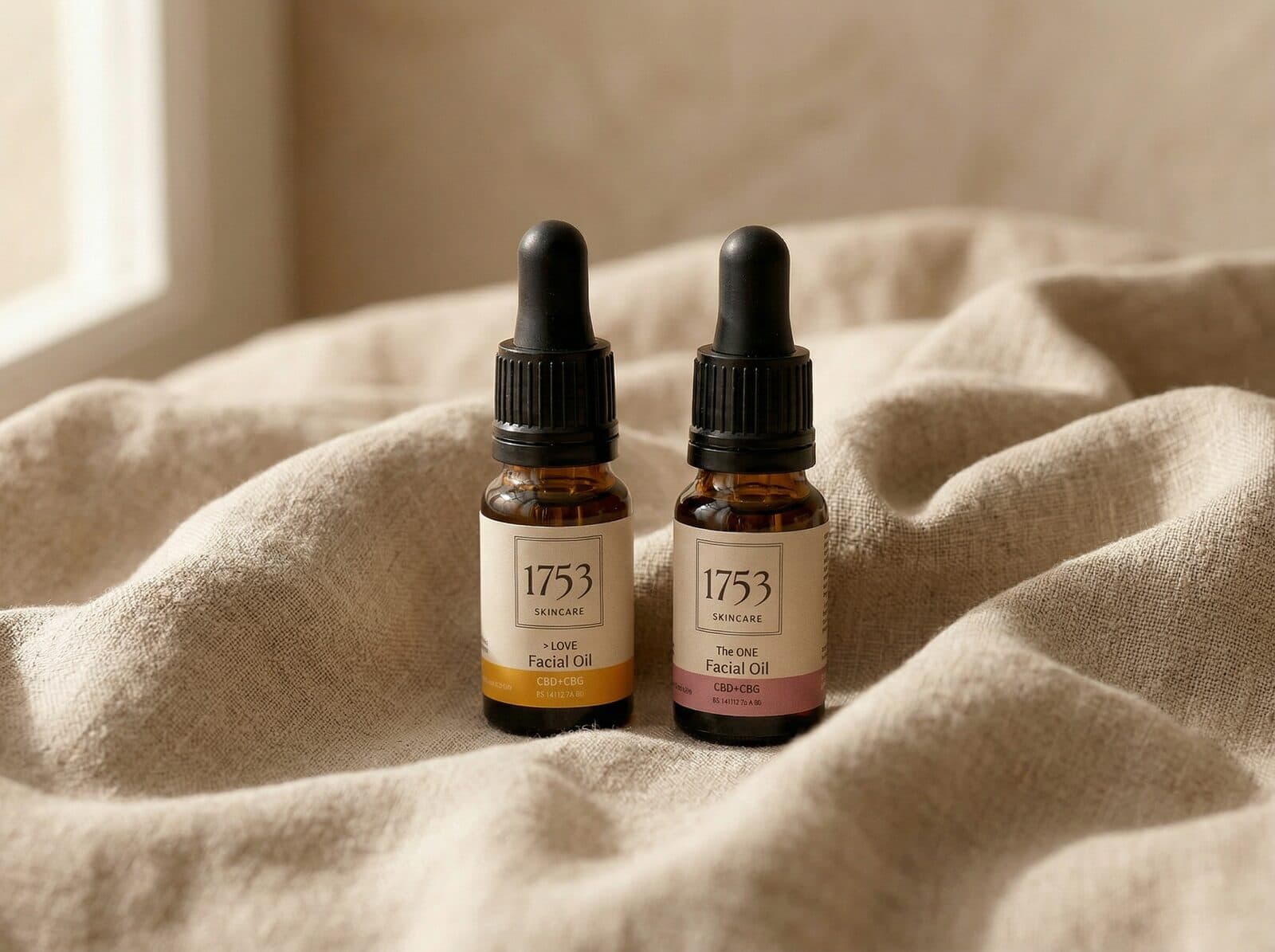
If you want a more thoughtful layering approach, the DUO kit is the obvious next step: The ONE and I LOVE create a skin-friendly foundation with CBD and CBG, giving room for comfort, balance, and calm without stacking five serums. That’s minimalism that actually feels rich.
And if you want something on top without turning your shelf into a lab bench, Ta-DA serum is the clean fit. Its antioxidant blend with CBG and adaptogens makes sense when your skin needs support against stress, not more noise. Skin flooding can be the trend — but 1753’s minimalist trio is the foundation. Everything else is optional.
Products we recommend
 Save €34
DUO kit
Two face oils, one for morning and one for evening. Simple skincare that works with your skin, not against it.
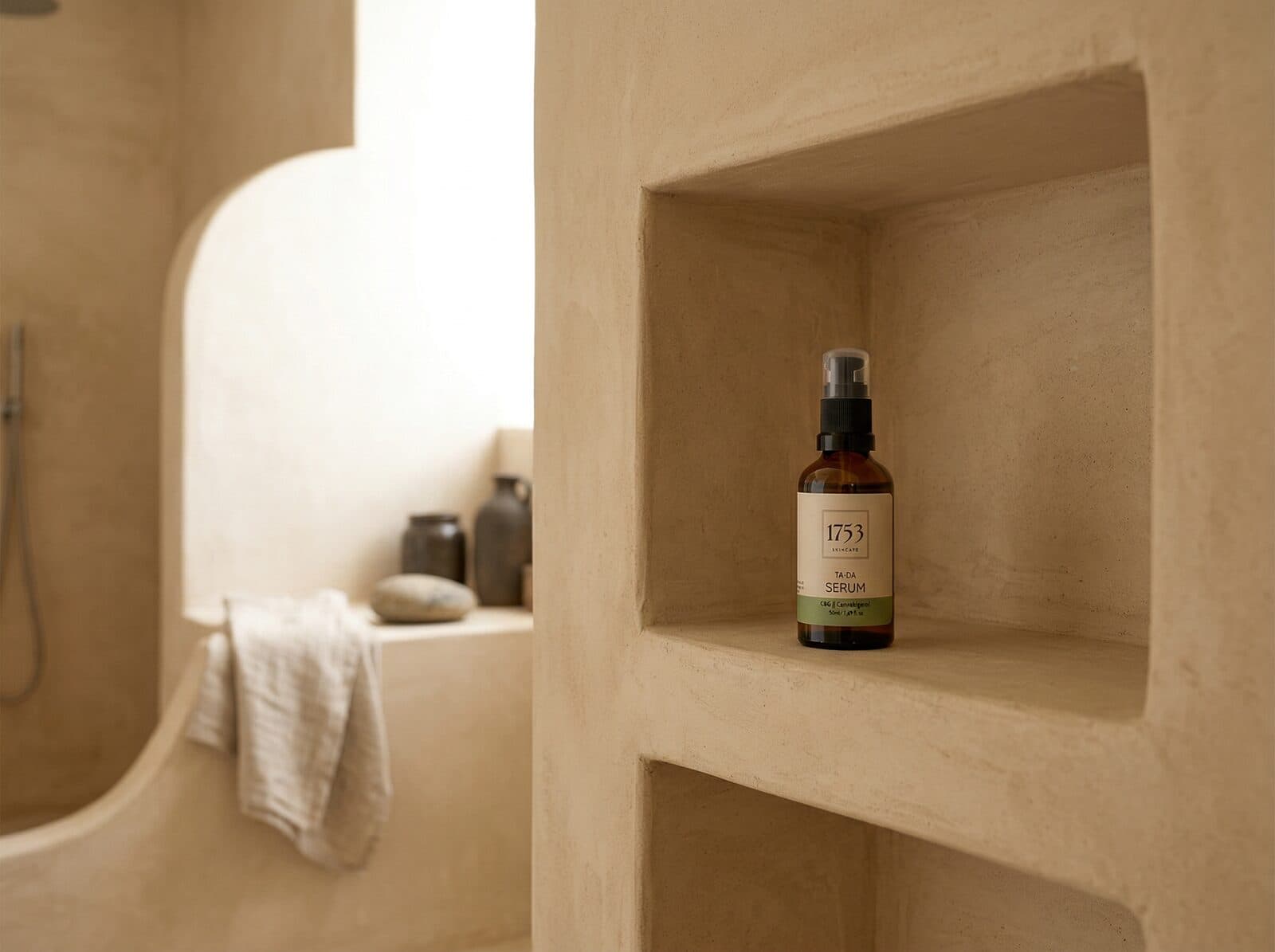
TA-DA Serum
A CBG-powered serum that seals in moisture and adds glow, whatever the season.
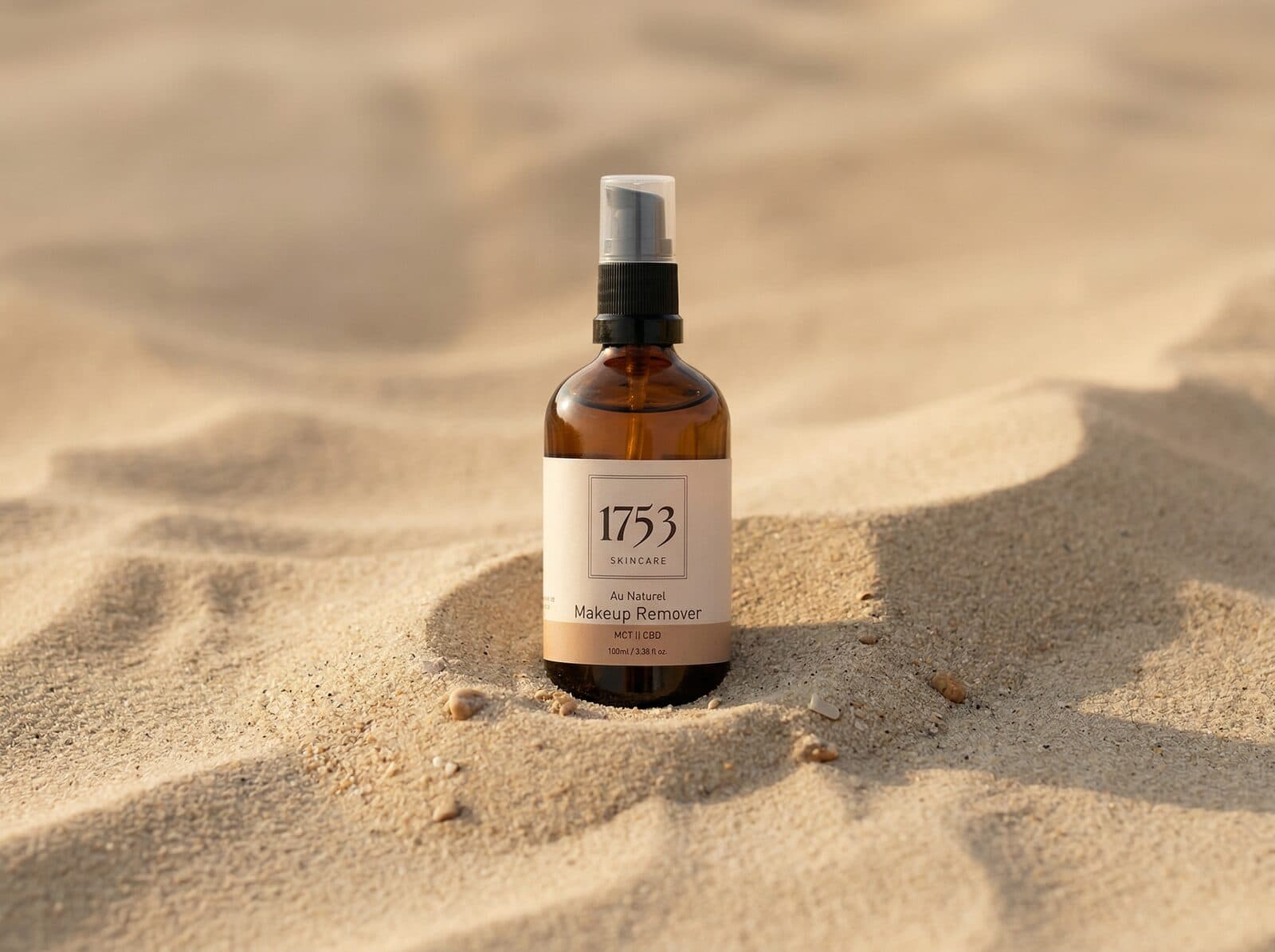
Au Naturel Makeup Remover
A cleansing oil with MCT and CBD that removes makeup and buildup without stripping your skin bare.
Frequently asked questions
What is skin flooding?
It’s a hydration method where you layer moisture-focused products, often on damp skin, to help hold water at the surface. The goal is softer, plumper-looking skin, not using the most products possible.
When does skin flooding work best?
It tends to work best when skin is dry, weather-beaten, or tight from over-cleansing. It’s also useful when you want quick comfort without strong actives. On oily or reactive skin, it can feel like too much.
Do I need hyaluronic acid?
No, but it’s a common humectant in skin flooding because it binds water well. The real point is combining water-binding ingredients with a routine that actually helps keep that moisture in place.
Can skin flooding hurt the skin?
Not by itself, but if you’re already over-cleansing, exfoliating hard, or using lots of actives, more layers can make skin feel even more confused. In that case, fewer steps, gentler cleansing, and better barrier support usually help more.
Sources
- Bíró T, Tóth BI, Haskó G, Paus R, Pacher P. The endocannabinoid system of the skin in health and disease. Trends Pharmacol Sci 2009;30(8):411–420.
- Prescott SL, Larcombe DL, Logan AC, et al. The skin microbiome: impact of modern environments on skin ecology, barrier integrity, and systemic immune programming. World Allergy Organ J 2017;10(1):29.
Article reviewed by Christopher Genberg, founder of 1753 SKINCARE.
Related articles
Trend
Slugging skincare – moisture lock or trap?
Slugging sounds almost too easy: seal everything in at night and wake up softer. Sometimes that’s ex...
Trend
Skin cycling - a neat name for simple logic
Skin cycling took off because it sounds like structure in a skincare world that often does too much....
TREND
Skin fasting – when less can finally feel like enough
Skin fasting sounds simple: stop everything, let the skin breathe, start over. For some, a break fro...
Ingredient Portrait
cbd for skin – less noise, more balance
CBD for skin is interesting because it doesn’t try to bully the skin into behaving. It works with th...
Ingredient Portrait
cbg for skin – the mother cannabinoid that calms and renews
CBG usually lives in CBD’s shadow, but skin can tell the difference. This is the cannabinoid that ma...
Ingredient Portrait
Jojoba oil skin – wax that works with you
Jojoba oil is not a regular oil, and that is exactly why people keep coming back to it. It comes fro...