
MYTH BUSTING
Sebum extraction – when pores push back
It is easy to see why sebum extraction looks tempting when skin feels shiny and pores look obvious. But skin is not a pipe you can simply empty. When you squeeze, pull, or vacuum, the skin may answer with more irritation and sometimes even more visible oil.

Can you really extract sebum?
The myth is straightforward: if you remove what is sitting in the pore, the skin should look cleaner, smoother, and less shiny. That can happen briefly, especially when what you are seeing is actually sebaceous filaments — natural lining inside the pore that refills quickly. But pore vacuums, extraction tools, and strips rarely solve the underlying issue.
Sebum is regulated by hormones, barrier health, and inflammation. When skin gets stripped or stressed, it can respond by feeling drier yet looking oilier, or by becoming more reactive overall. Research on mechanical irritation and over-cleansing keeps pointing in the same direction: a pressured barrier does not usually become calmer because you apply more pressure.
That is where the rebound effect shows up. You feel cleaner in the moment, then everything seems to return fast. Not because skin is “fighting back” emotionally, but because you have disturbed the surface while leaving the actual driver untouched. If you want to understand sebum extraction properly, separate temporary surface clearing from real skin balance.
What to do instead
Cleanse gently
Choose a cleanser that removes excess without stripping the skin. A short ingredient list often means fewer chances to add irritation to an already busy face.
Leave filaments alone
Sebaceous filaments are not dirt. They refill quickly, often within days, so the goal is to make them less obvious — not to keep chasing them with extraction.
Skip harsh exfoliation
Too much acid or scrubbing can leave skin more reactive and sometimes shinier. Fewer, smarter steps usually work better than trying to force results.
Give skin some calm
When skin is left alone for a few days, oiliness and redness often look less dramatic. A steady routine tends to beat the weekend “deep clean” mindset.
Focus on the barrier
A stronger barrier often means skin feels less chaotic. It is not flashy, but it is usually where the real change shows up.

How to actually fix it
The practical move is to stop treating sebum like something you need to extract from the skin. Sebum is part of the skin’s own system, and harsh pore vacuums or aggressive extraction mostly risk irritating the surface. Better to cleanse softly, lower the noise, and let skin work with you instead of against you.
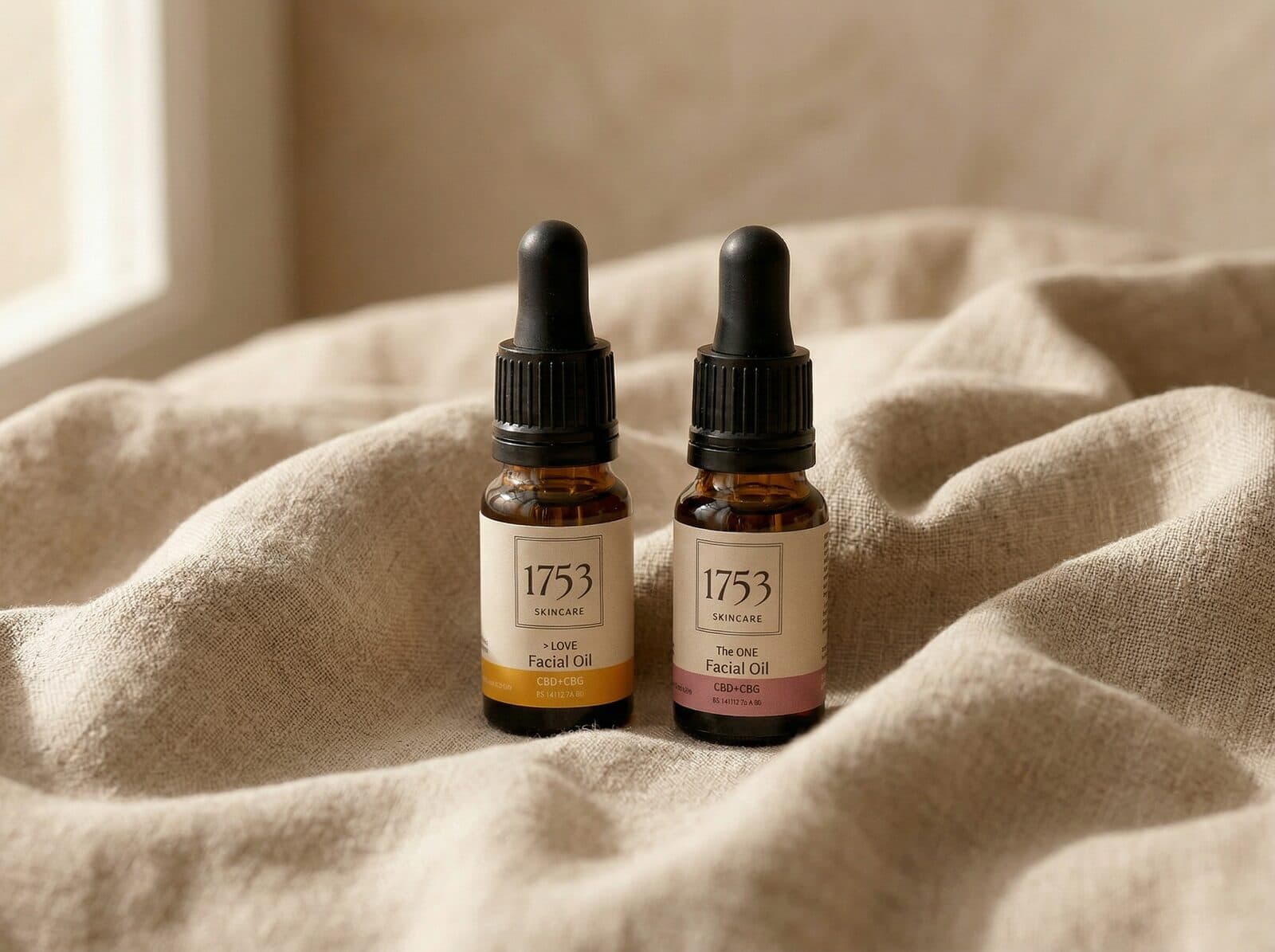
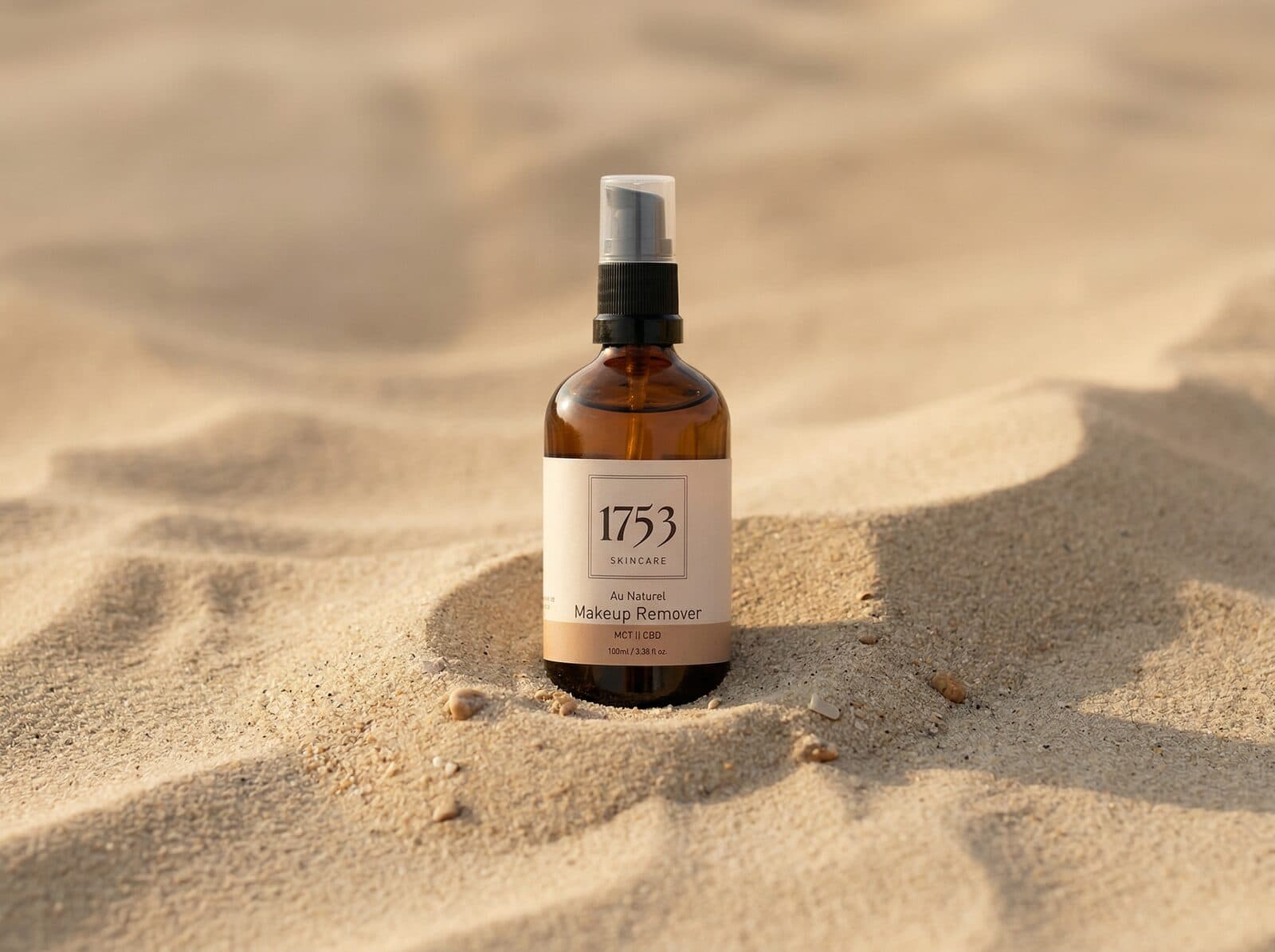
That is where Au Naturel Makeup Remover fits naturally: a mild MCT oil with a short ingredient list, no unnecessary preservatives, and none of the overcomplicated feel that many cleansers bring. After that, The ONE makes sense for skin that easily tips out of balance, while I LOVE is there when you want a calmer, more supportive daily base. If you want the fuller route, DUO-kit combines The ONE and I LOVE for a broad cannabinoid spectrum in one simple routine.
The 1753 approach is not about selling purity myths. It is about fewer questionable ingredients, shorter formulas, and less noise. When skin does not have to defend itself all the time, it often looks less oily — not because you sucked something out, but because you stopped provoking it.

Frequently asked questions
Are pore vacuums bad for skin?
Not always, but they can be too aggressive for many people. Frequent use or heavy pressure may irritate the barrier, which can make skin feel more reactive and look oilier afterward.
What are sebaceous filaments?
They are normal sebum-filled structures inside pores, not dirt. They can look more visible in certain lighting and usually come back quickly even after extraction.
Why does skin get shiny again so fast?
Sebum production is ongoing, and stressed skin can look oilier more quickly. That does not mean you failed — it usually means skin prefers balance over force.
What should I use if I get oily easily?
Start with gentle cleansing and a simple routine. Au Naturel Makeup Remover is a calm first step, and The ONE or I LOVE can help keep skin steadier without overloading it.
Sources
- Proksch E, Brandner JM, Jensen JM. The skin: an indispensable barrier. Exp Dermatol 2008;17(12):1063–1072.
- Byrd AL, Belkaid Y, Segre JA. The human skin microbiome. Nat Rev Microbiol 2018;16(3):143–155.
Article reviewed by Christopher Genberg, founder of 1753 SKINCARE.
Related articles
Myth Busting
Are parabens dangerous – or just overblamed?
Parabens have picked up a pretty heavy reputation in skincare conversations. People often hear about...
Myth Bust
Alcohol in skincare – not always the villain
A lot of people learn one simple rule: if they see alcohol on an ingredient list, they should avoid ...
Myth Buster
Sulfates skin – not the villain, not always the fit
Sulfates often get blamed for everything from dryness to breakouts. But the truth is more nuanced: S...
Ingredient Portrait
mct oil skin – light, clean, surprisingly clever
MCT oil is not just another oil sitting on top of your face. It’s fractionated coconut oil built aro...
Ingredient Portrait
Vitamin e skin – the quiet shield
Vitamin E is one of skincare’s most misunderstood ingredients. It doesn’t act like a flashy quick fi...
Ingredient Portrait
aha bha risks – when smooth skin becomes a bad deal
AHA, BHA and PHA can brighten skin fast, but they can also fool you. What looks like progress is som...