
Skin Condition
Seborrheic dermatitis – why skin flakes
Red, flaky, stubborn. Seborrheic dermatitis loves the places where skin is richest in sebum: the T-zone, around the nose, and along the hairline. It is not a sign that you’re dirty or that your skin needs harsher treatment. More often, it’s a stressed barrier, excess sebum, and Malassezia yeast all pulling in the wrong direction.

Why does oily skin turn red and flaky?
Seborrheic dermatitis is an inflammatory skin response in which Malassezia – a yeast naturally present on the skin – plays a real role. It thrives in sebum-rich areas, and when the barrier is compromised it can contribute to redness, itch, and visible flakes. Research points to a three-way interaction between the microbiome, sebum, and the immune system rather than simple “dirt”.
That is why harsh cleansing so often backfires. Over-stripping, too much exfoliation, and products loaded with irritating actives can leave skin drier, more reactive, and more likely to flare. The old advice to “dry it out” is often exactly what keeps the cycle going.
When needed, antifungal ingredients such as ketoconazole or zinc pyrithione are used to reduce yeast activity. But the everyday routine matters just as much: calm the skin, support the barrier, and avoid formulas that feed the problem with unnecessary heaviness or sugar-like ingredients. If this sounds familiar, you are in good company.
Five habits that calm skin
Cleanse gently
Pick a cleanser that leaves skin comfortable, not tight. You want sweat, grime, and excess oil gone without pushing the barrier into defense mode.
Skip the scrub
Grains, acids, and brushes can feel productive, but with seborrheic dermatitis they often do too much. If skin is already red and flaky, it usually needs less friction, not more.
Keep it simple
The more steps you stack, the more chances you have to irritate skin. A short routine with clear purpose is often more effective than chasing the next active.
Watch the hairline
Shampoo, styling products, and residue at the hairline can affect the skin around the forehead and temples. Rinse well and avoid letting hair products sit on skin longer than needed.
Support the barrier
When skin is out of balance, it needs signals of safety. Ingredients that soothe and hydrate without feeling heavy can help take the edge off that easily triggered feeling.

How to handle it without feeding yeast
The smarter move is not to attack harder, but to clean up the routine. Au Naturel Makeup Remover offers gentle cleansing with MCT oil, lifting away dirt and sunscreen without the stripped, chemically tight feeling that can make skin more defensive. Less friction, less fallout.
For the skin itself, the DUO kit is the obvious fit: The ONE and I LOVE work together to calm inflammation without feeding yeast. The formulas are intentionally lean, with very few sugars and no glycerin, so you are not handing Malassezia a free meal. It is support, not fuel.
If you want to think beyond the surface, Fungtastic Mushroom Extract can be a sensible addition. Chaga, Reishi, Lion’s Mane, and Cordyceps are used to support immune balance from within, which makes sense when skin tends to overreact. Not magic. Just a more thoughtful way to stop treating the skin like it needs punishment.
Products we recommend
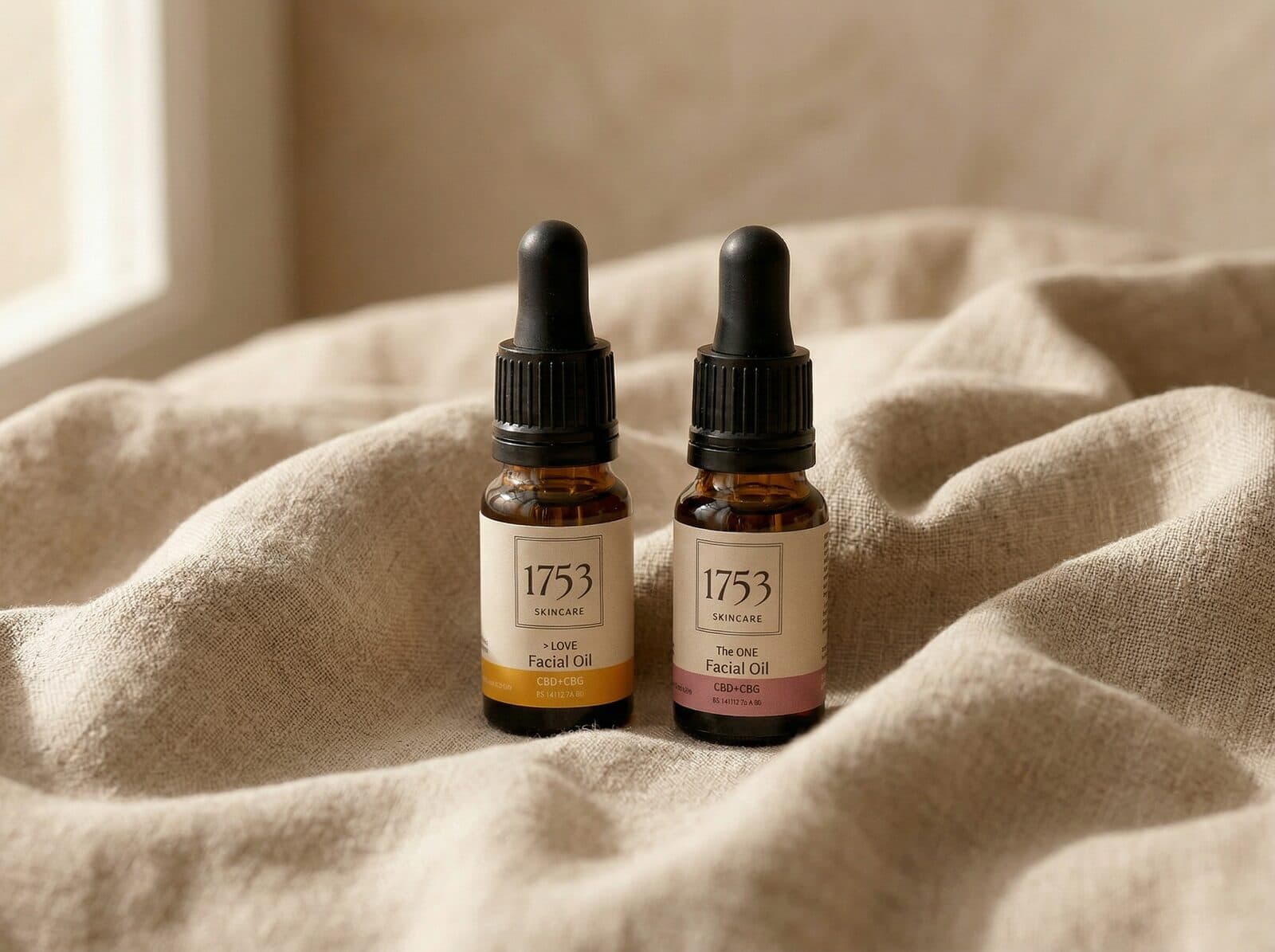
 Save €34
DUO kit
Two face oils, one for morning and one for evening. Simple skincare that works with your skin, not against it.
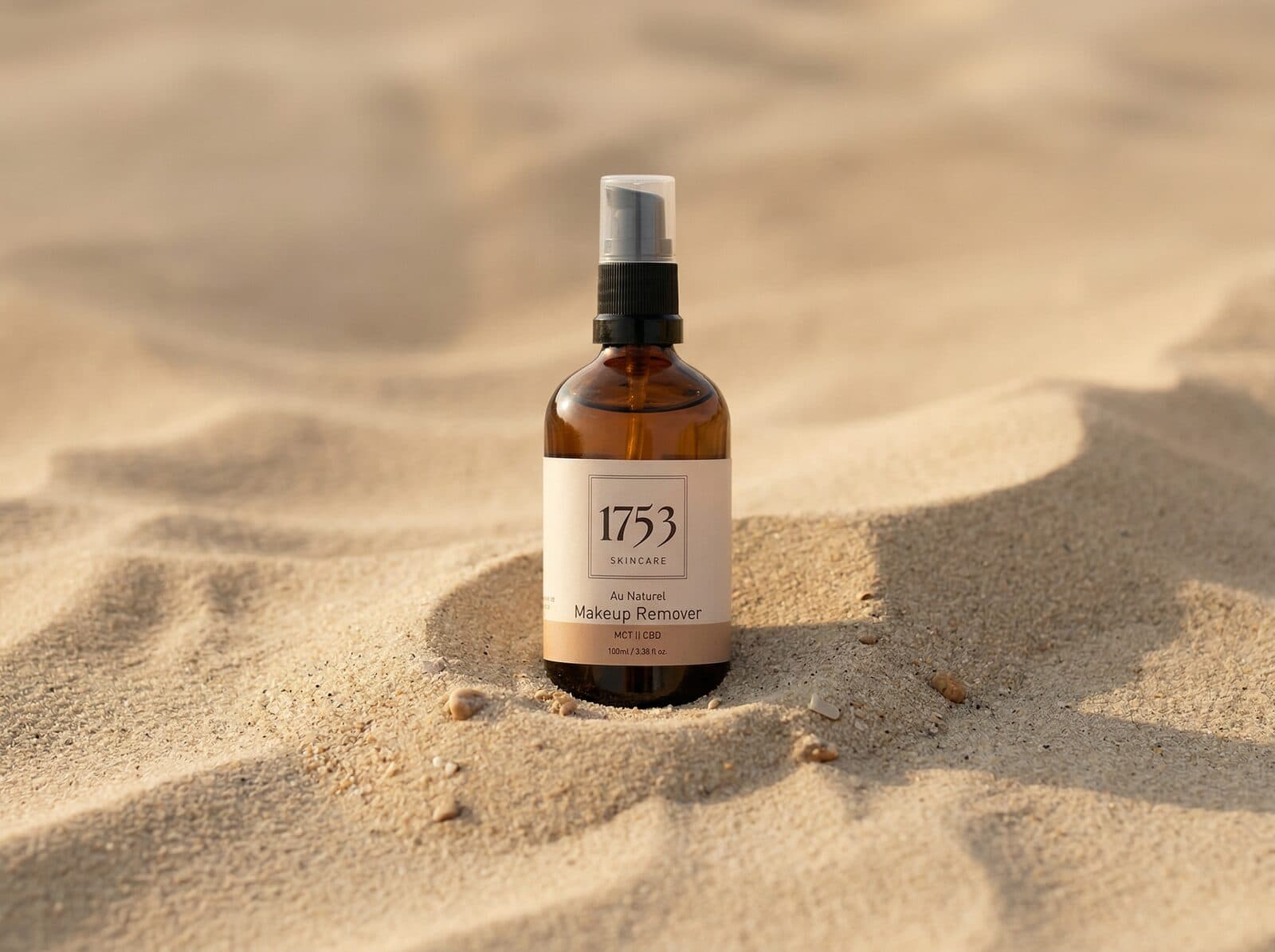
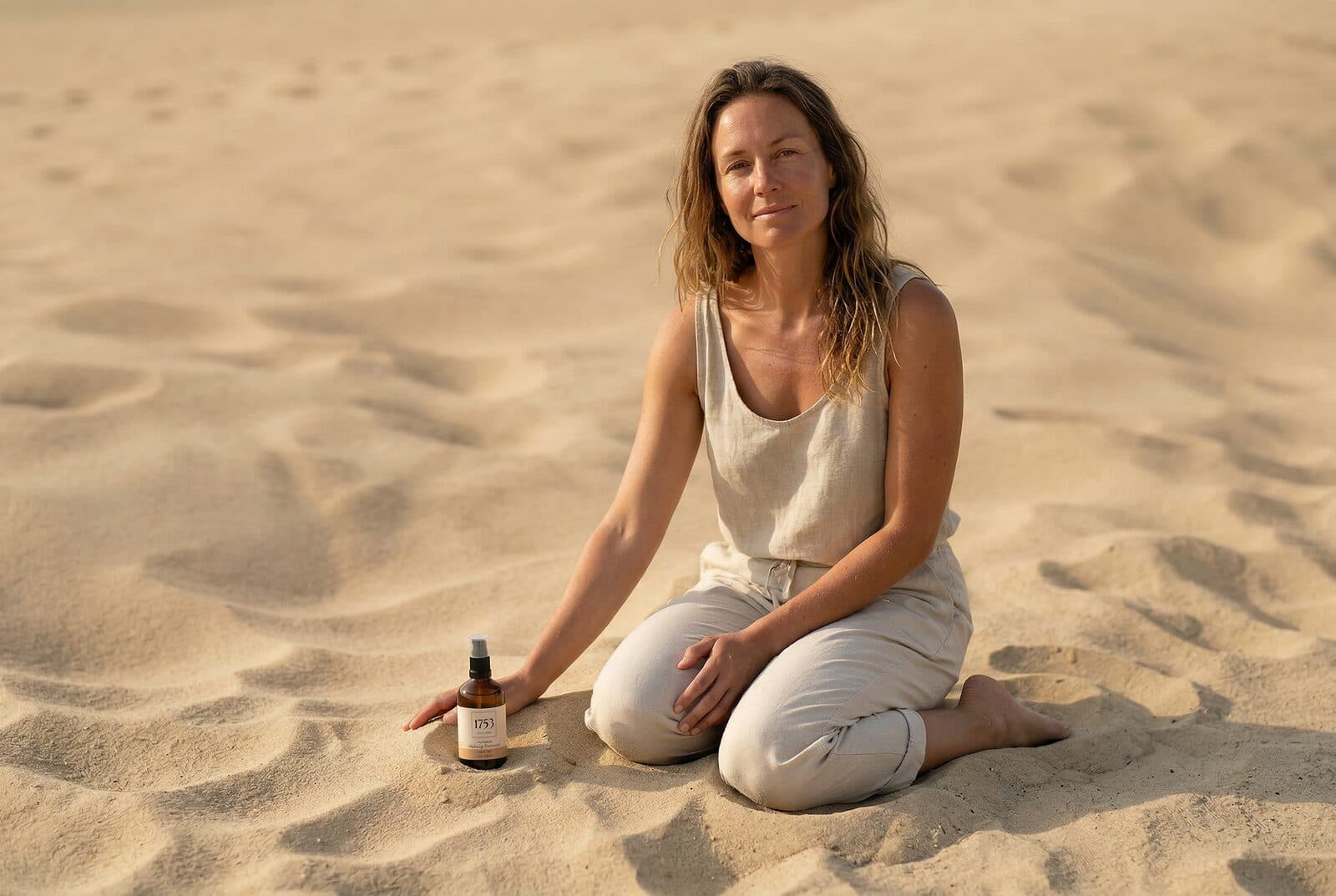
Au Naturel Makeup Remover
A cleansing oil with MCT and CBD that removes makeup and buildup without stripping your skin bare.
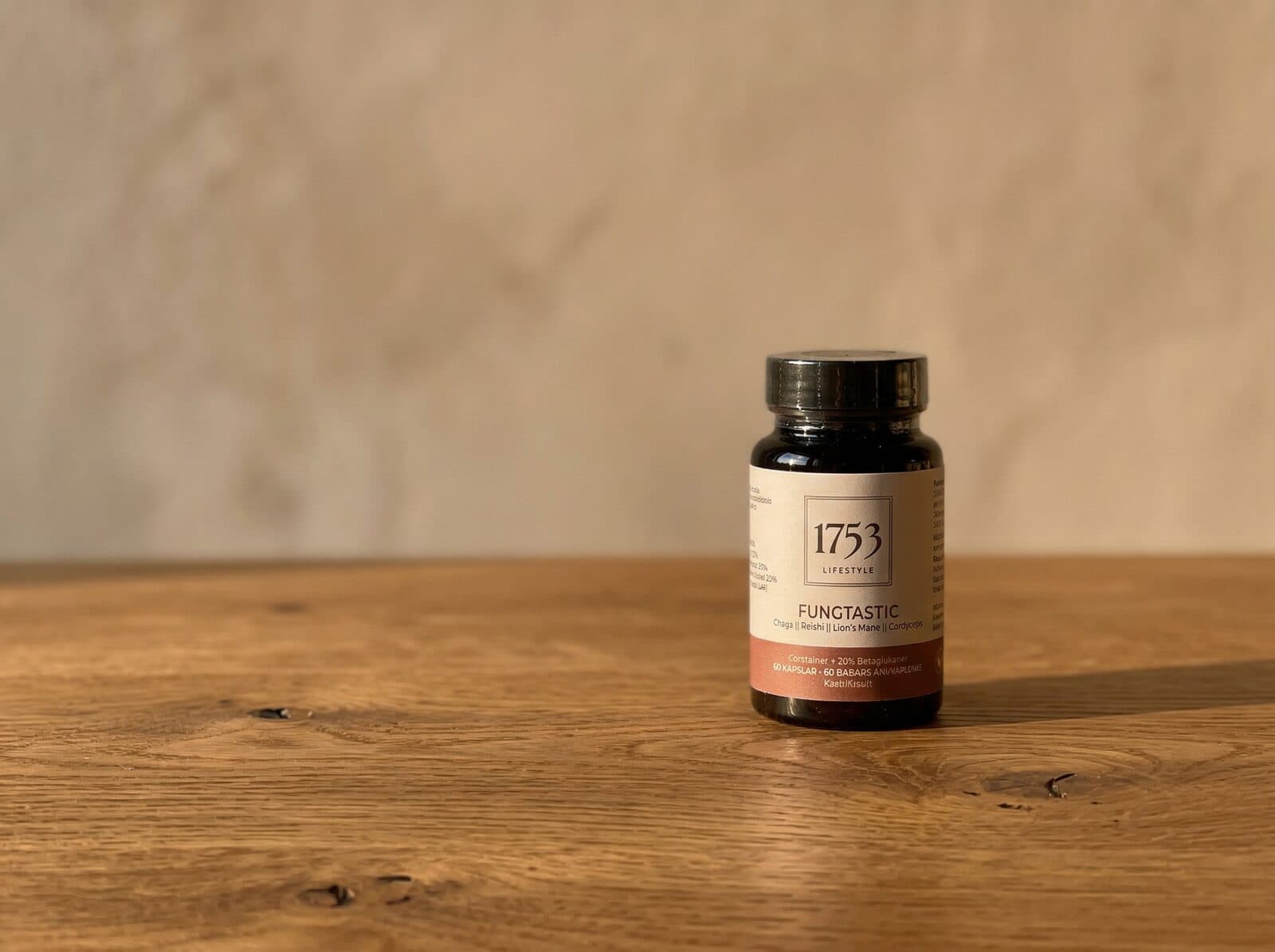
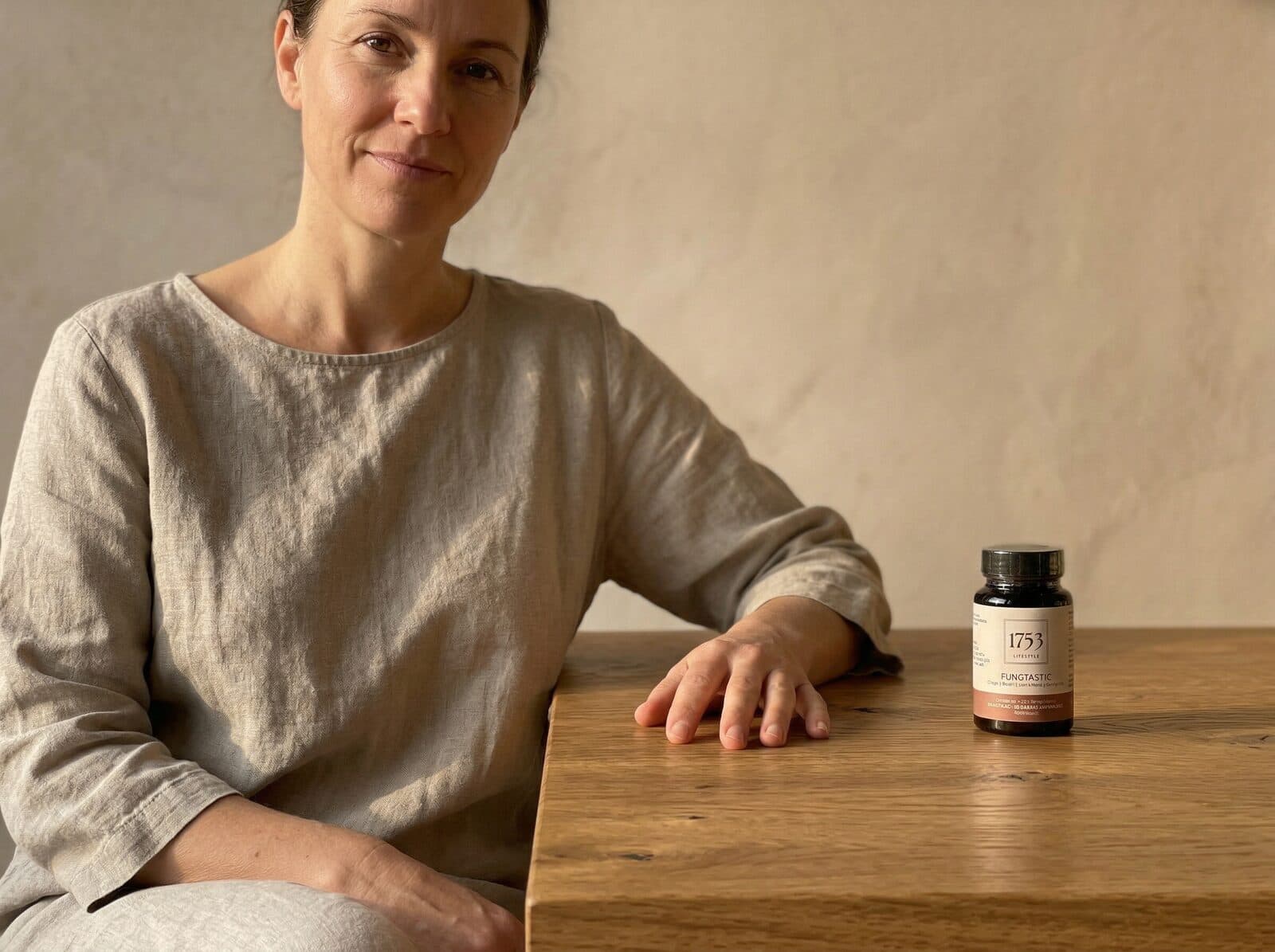
Fungtastic Mushroom Extract
Four mushrooms in one formula to support immunity, focus, energy and sleep from within.
Frequently asked questions
Is seborrheic dermatitis the same as dandruff?
Not exactly, but they’re related. Dandruff is often the milder scalp-only version, while seborrheic dermatitis can also show up as redness and flaking around the nose, eyebrows, and hairline.
Can the wrong products make it worse?
Yes. Harsh cleansing, aggressive exfoliation, and irritating formulas can weaken the barrier and make redness and flaking more noticeable.
Do I need antifungal products?
Sometimes, yes. Ketoconazole or zinc pyrithione are commonly used when yeast activity needs to be reduced. But a gentle daily routine is just as important for keeping skin calm.
Can I use oils if I have seborrheic dermatitis?
Yes, but choose wisely. Lightweight, skin-friendly oils and formulas that are not sugary or overly rich tend to work better than heavy products that sound nourishing but end up too much.
Sources
- Byrd AL, Belkaid Y, Segre JA. The human skin microbiome. Nat Rev Microbiol 2018;16(3):143–155.
- Salem I, Ramser A, Isham N, Ghannoum MA. The Gut Microbiome as a Major Regulator of the Gut-Skin Axis. Front Microbiol 2018;9:1459.
- Lin TK, Zhong L, Santiago JL. Anti-Inflammatory and Skin Barrier Repair Effects of Topical Application of Some Plant Oils. Int J Mol Sci 2017;19(1):70.
Article reviewed by Christopher Genberg, founder of 1753 SKINCARE.
Related articles
Skin Barrier
Skin microbiome – why balance changes everything
Your skin is not sterile. It’s an ecosystem where trillions of microbes help keep the barrier strong...
Condition
Hormonal acne – why it keeps coming back
Deep breakouts around the chin, jaw and lower face are rarely just “bad skin.” More often, they’re a...
Skin Conditions
Acne treatment – your skin is asking for help, not punishment
Acne isn't a sign you're doing something wrong. It's your skin signaling that something is out of ba...
Skin Streaming
Minimalist 5 step routine – why less can do more
Skincare has become too much of everything: too many steps, too much exfoliation, too much cleansing...
SYMPTOM
Itchy skin – why nights make it worse
You finally lie down, and then it starts. The itch that was manageable all day suddenly takes over y...
Symptom
Flaky skin – when your skin starts shedding
When skin starts lifting in little flakes, it’s tempting to assume it needs a stronger cleanser, ano...