
Shift Care
Healthcare worker skin – when your hands and face pay the price
You wash, sanitise, pull on a mask, take it off, then do it all again. No wonder healthcare worker skin often feels tight, red and worn down. This is not about doing more. It is about doing less, but doing it better.

Why does skin get worse when you are doing everything right?
Hand eczema, flaky cheeks and what many call mask acne are not signs that you are failing at skincare. They are often the result of antiseptic stripping: repeated handwashing, disinfectants and barrier stress that break down the skin’s own lipids. Once the barrier leaks, irritation rises and skin starts acting like it never gets a break.
Masks add heat, friction and trapped moisture. That combination can trigger congestion, redness and small inflamed bumps, especially when the skin is already depleted after long shifts. Barrier research consistently shows that repeated exposure to cleansing and antiseptics increases transepidermal water loss and makes skin more reactive.
The annoying part is that mainstream skincare often answers with more of everything: more acids, more scrubs, more “active” formulas. For healthcare worker skin, that logic backfires. What usually helps is the opposite: gentle cleansing, barrier support and products that do not create another battle on top of the one your job already creates.
Three minutes, real relief
Clean gently
Use lukewarm water and a mild cleanser when you actually need to remove dirt or SPF. Harsh cleansers can leave skin drier, tighter and more reactive after all that sanitiser and handwashing.
Moisturise right away
The best time is immediately after washing, while skin is still slightly damp. That helps seal in water before air, gloves and repeated washing pull it back out.
Keep evenings simple
After a long shift, skin usually needs calm, not a complicated routine. One steady evening habit will do more than a seven-step setup you abandon by Thursday.
Protect hands before work
Think prevention, not damage control. Dry, cracked hands tend to react more strongly to sanitiser and soap, so give them support before the shift starts.
Make breakfast count
If mornings are chaotic, let skincare be the easiest part of the day. The routine you actually repeat beats the one that looks impressive on the bathroom shelf.

How to actually help the skin
For healthcare worker skin, simple is not lazy. It is strategic. In the morning, Au Naturel Makeup Remover works as a gentle cleanser when skin feels coated with sweat, leftover product or the residue of an early shift. Its MCT base lifts grime without adding more stress to a barrier that is already dealing with sanitiser, gloves and constant handwashing.
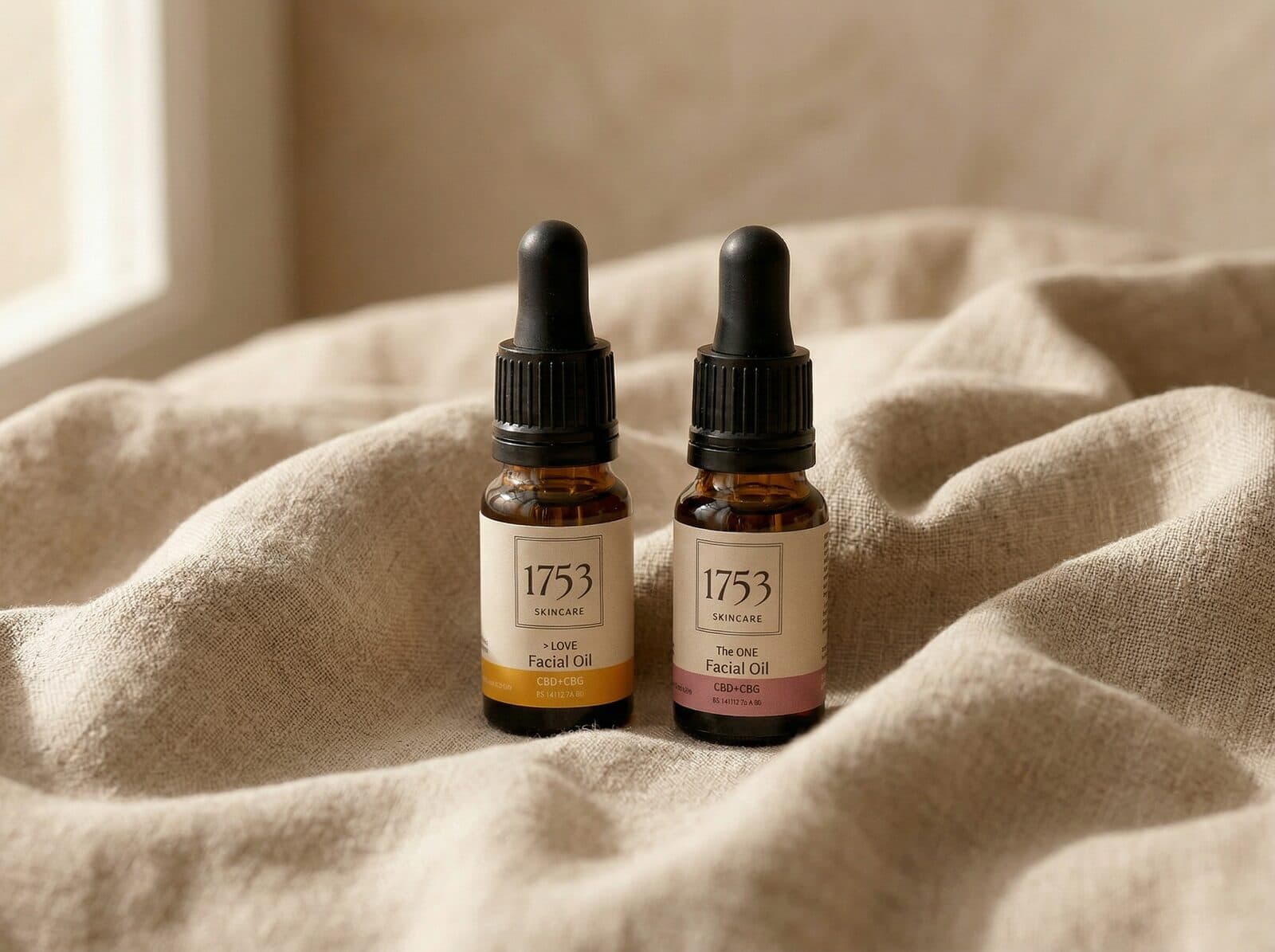
At night, the DUO kit is the obvious reset: The ONE, with CBD and MCT, helps skin settle; I LOVE, the CBG serum, is made for skin that feels irritated, congested or just plain over it. Together they give cannabinoid support in a routine that feels calm instead of complicated.
And at breakfast, Fungtastic Mushroom Extract fits the long game. Chaga, Reishi, Lion’s Mane and Cordyceps make sense in a life where recovery is often squeezed between shifts. Three minutes, three steps, and a routine that can survive nights, doubles and the commute home.
Products we recommend
 Save €34
DUO kit
Two face oils, one for morning and one for evening. Simple skincare that works with your skin, not against it.


Au Naturel Makeup Remover
A cleansing oil with MCT and CBD that removes makeup and buildup without stripping your skin bare.
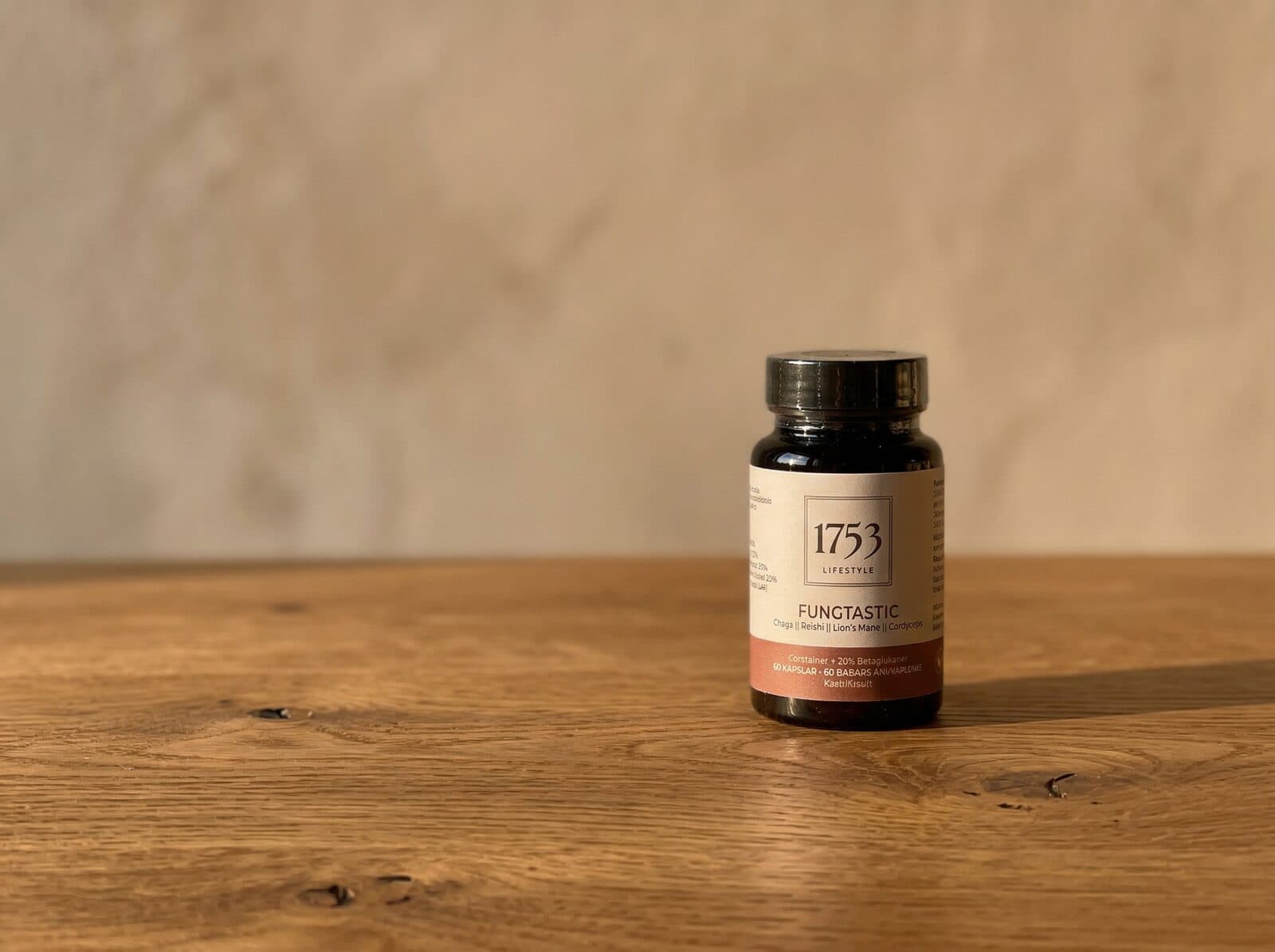

Fungtastic Mushroom Extract
Four mushrooms in one formula to support immunity, focus, energy and sleep from within.
Frequently asked questions
Can sanitiser really affect skin that much?
Yes, especially with repeated use. Alcohol and other antiseptic ingredients can contribute to antiseptic stripping, weakening the lipids that help the skin stay comfortable and resilient. The result is often dryness, stinging and more sensitivity.
Is mask acne the same as regular acne?
Not exactly. Masks create heat, humidity and friction, which can lead to congestion and inflammation in a different way from classic acne. That is why a gentler, less drying routine usually works better.
Why avoid heavy exfoliation?
Because healthcare worker skin is already under constant stress from washing, sanitiser and friction. More exfoliation often means more barrier damage, not better skin. Calm and consistency tend to work harder here.
Can sensitive skin use these products?
That is exactly the kind of skin this routine suits. If your skin is very reactive, introduce one product at a time and let it settle before adding the next step.
Sources
- Chen Y, Lyga J. Brain-skin connection: stress, inflammation and skin aging. Inflamm Allergy Drug Targets 2014;13(3):177–190.
- Engebretsen KA, Johansen JD, Kezic S, Linneberg A, Thyssen JP. The effect of environmental humidity and temperature on skin barrier function and dermatitis. J Eur Acad Dermatol Venereol 2016;30(2):223–249.
Article reviewed by Christopher Genberg, founder of 1753 SKINCARE.
Related articles
SCREEN TIME
screen time skin – when work shows up on your face
Full days in front of a screen don’t just live in your calendar. They show up in your skin: tightnes...
SHIFT WORK
Shift work skin – when your body and skin fall out of sync
Night shifts, early starts, random meals and sleep that never quite lands. Shift work skin often sho...
WorkSkin
Flight crew skin – when the cabin takes it all
Cabin humidity, long shifts and zone hopping are a rough mix for skin. It can feel tight, dull and i...
SYMPTOM
Itchy skin – why nights make it worse
You finally lie down, and then it starts. The itch that was manageable all day suddenly takes over y...
Symptom
Flaky skin – when your skin starts shedding
When skin starts lifting in little flakes, it’s tempting to assume it needs a stronger cleanser, ano...
Symptom
Dry skin around mouth – when the skin pushes back
It often starts as tightness, flaking or tiny red patches right around the mouth. Sometimes it sting...