
Symptom
Post sun redness – when “just a little color” is too much
You feel it fast: your skin is hot, tight, red, and suddenly more reactive after a day outside. What looks like a harmless glow is often more than color – sometimes it’s a subclinical burn that starts stressing the skin before you’d ever call it sunburn.

Why does skin go red after sun – and why does a “small burn” age you most?
Post sun redness is not just about pigment. When UV hits the skin, it triggers reactive oxygen species, inflammatory signaling, and direct DNA damage in cells. That process can start before the skin feels truly burned – a subclinical burn that quietly adds up.
What people call a “healthy tan” is often the same pathway behind photoaging: collagen breakdown, uneven pigmentation, and a barrier that becomes more fragile and reactive. The skin may look fine in the mirror, but at a cellular level it’s spending energy repairing damage that accumulates over time.
And no, this is not a call to panic every time you step into sunlight. But mainstream skincare loves to cover up the signals with aggressive cleansing and over-exfoliation. When skin turns red after sun, it usually needs calm, moisture, and less friction – not more actives piled on top.
What to do right now
Cool it down gently
Use a cool, soft compress for short intervals. Skip ice directly on skin and avoid hot showers that can intensify redness.
Remove sweat and SPF softly
If you need to cleanse, keep it mild. Au Naturel Makeup Remover lifts grime and sunscreen without scrubbing the skin into more irritation.
Pause acids and retinoids
After sun exposure, skin is often more permeable and less resilient. Put peeling acids, strong exfoliants, and “quick fix” actives on hold until things settle.
Moisturize without the drama
Choose something that helps skin downshift. A simple regulating oil or serum is usually smarter than a five-step routine that adds more stress.
Protect better next time
Seek shade, wear clothing, and reapply sunscreen more often than you think you need to. Photoaging is usually built from small doses over time, not one vacation.

How to actually fix it – not just today
When skin is already red after the sun, the job is to calm, support, and stop the irritation cycle. The DUO kit with The ONE and I LOVE makes sense when skin feels overstimulated: The ONE helps regulate the surface, while I LOVE brings in CBG for a soothing, antibacterial touch. Not magic – just a more respectful way to meet skin that’s had enough.
If you want to remove sweat, SPF, and the day’s grime without kicking up more stress, Au Naturel is the obvious choice over harsh cleansers that leave skin tight and grumpy. And think beyond the mirror: Fungtastic Mushroom Extract can support immunity and the gut from the inside, because skin rarely thrives when it’s treated like an isolated project.
1753’s approach is simple: less aggression, more skin logic. Build a routine that helps skin return to balance after sun instead of trying to scrub your way to health. That’s often where the gap between temporary redness and long-term photoaging starts.
Products we recommend
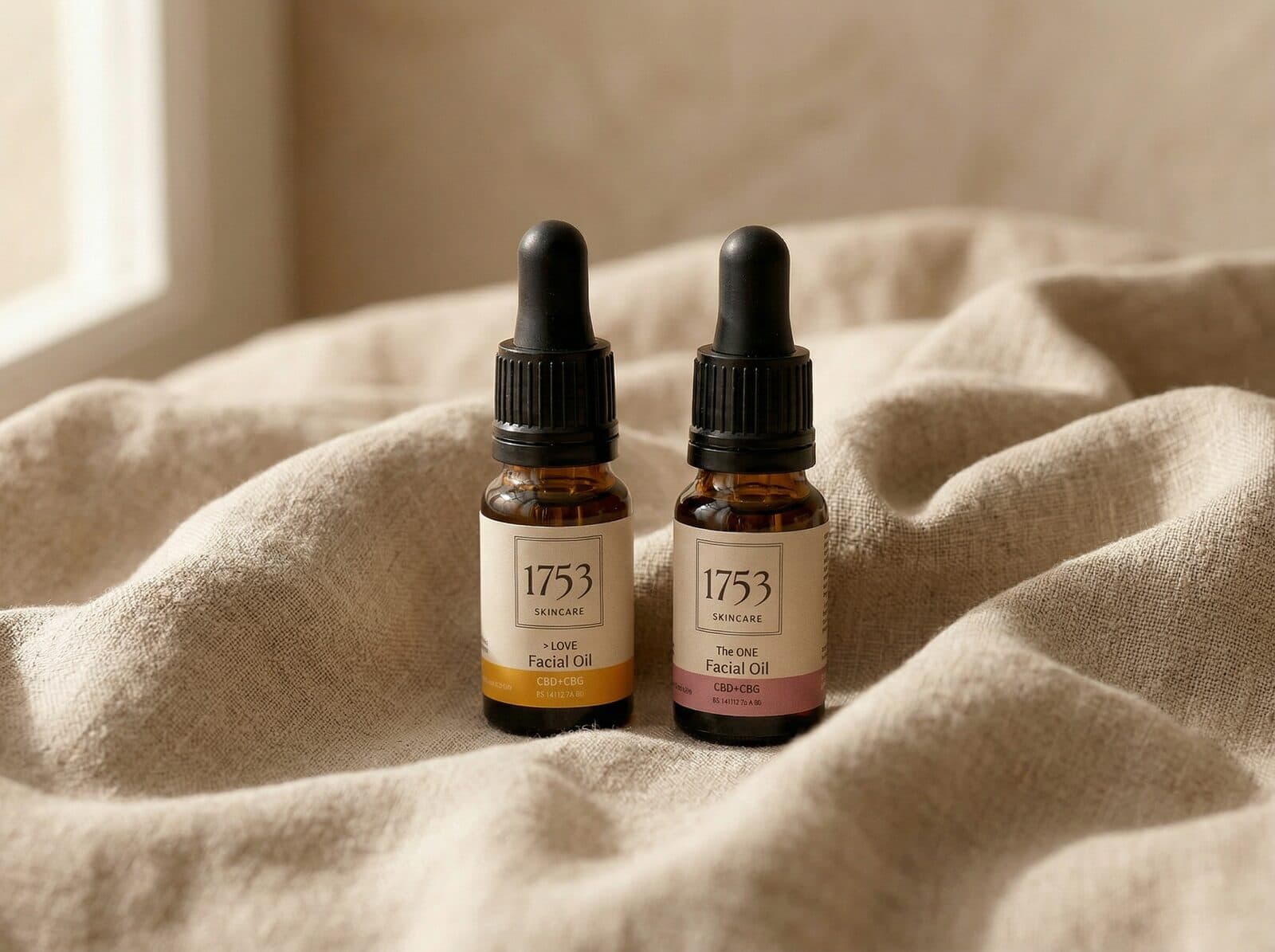
 Save €34
DUO kit
Two face oils, one for morning and one for evening. Simple skincare that works with your skin, not against it.
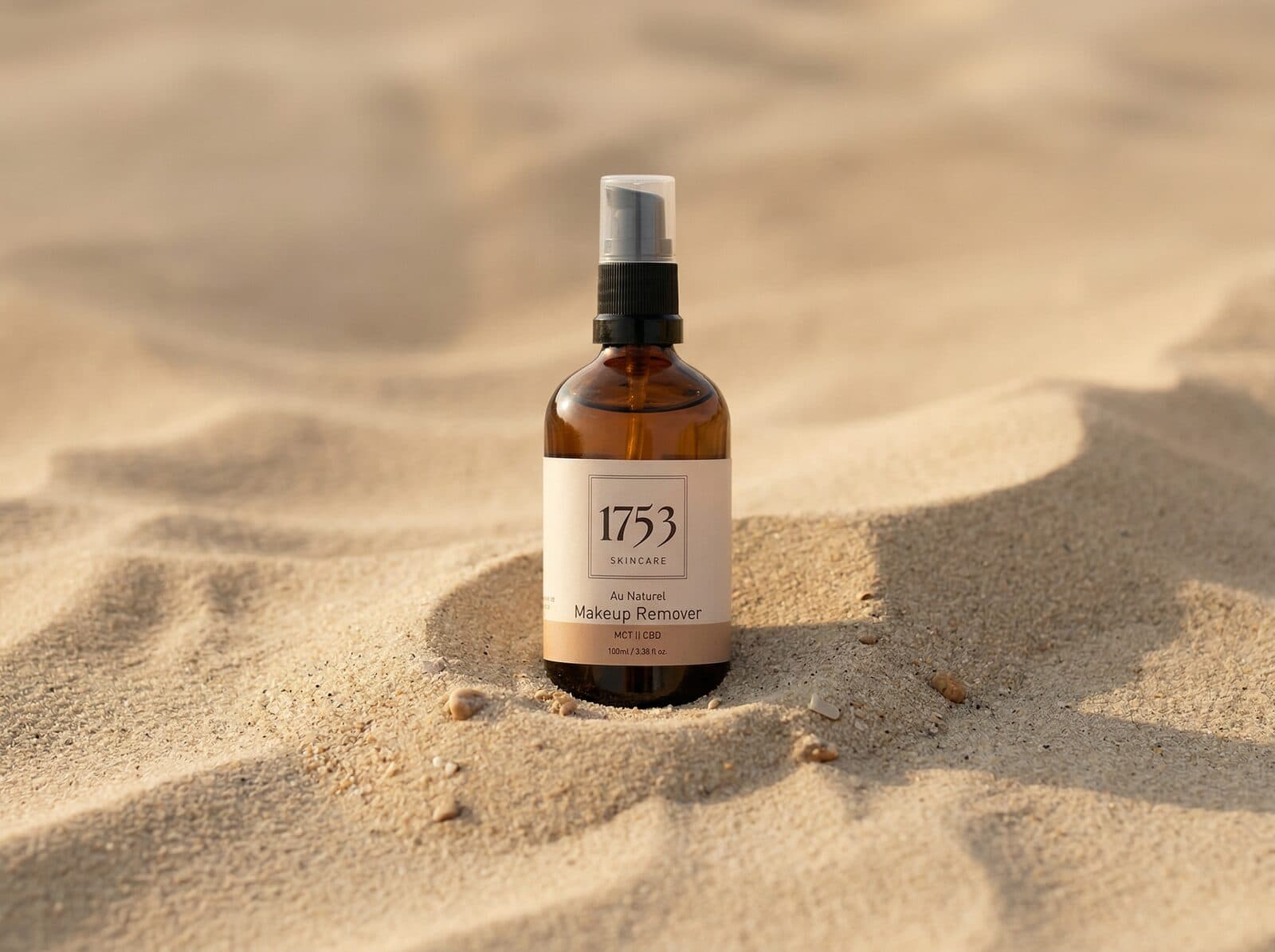
Au Naturel Makeup Remover
A cleansing oil with MCT and CBD that removes makeup and buildup without stripping your skin bare.
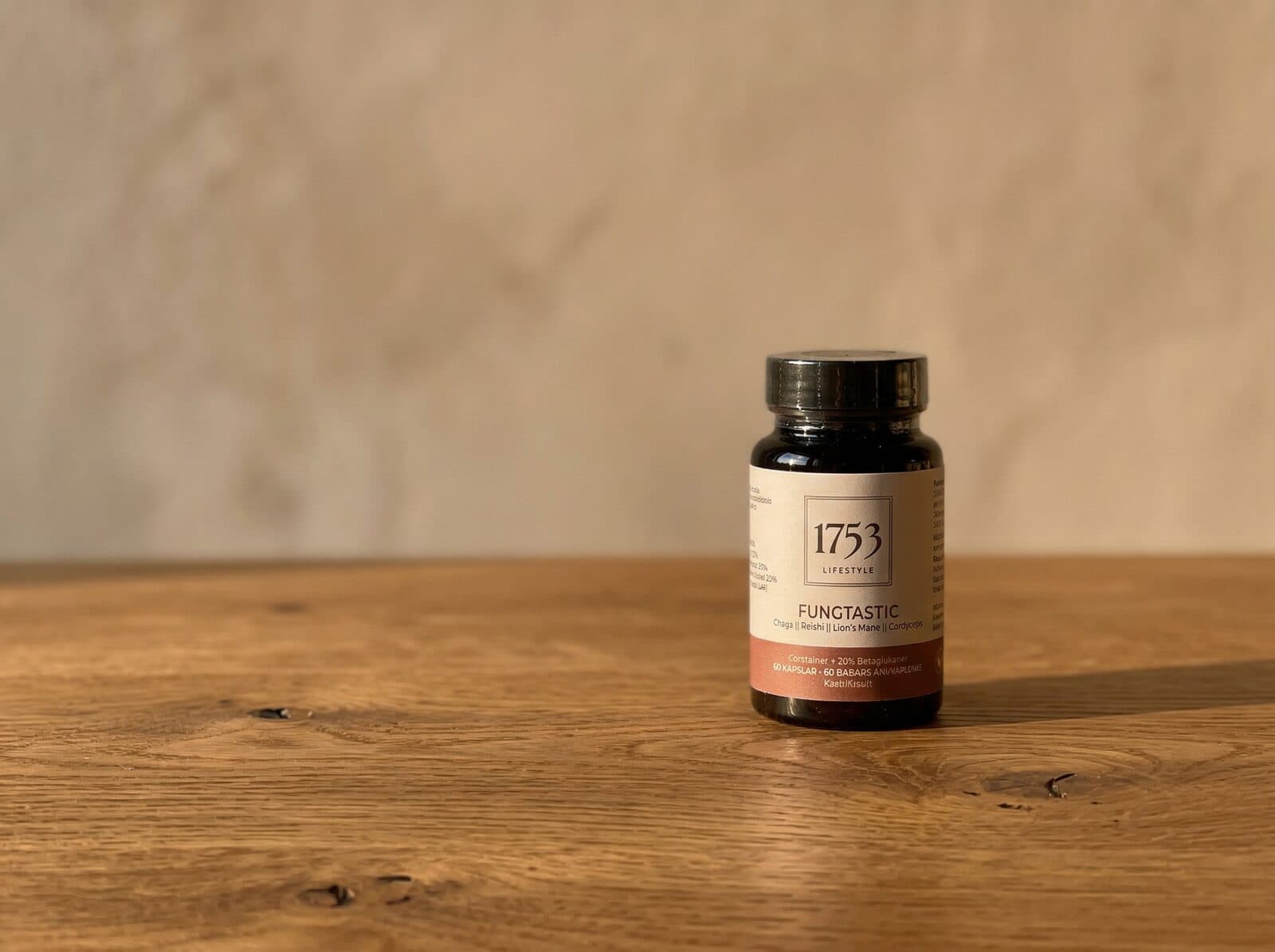
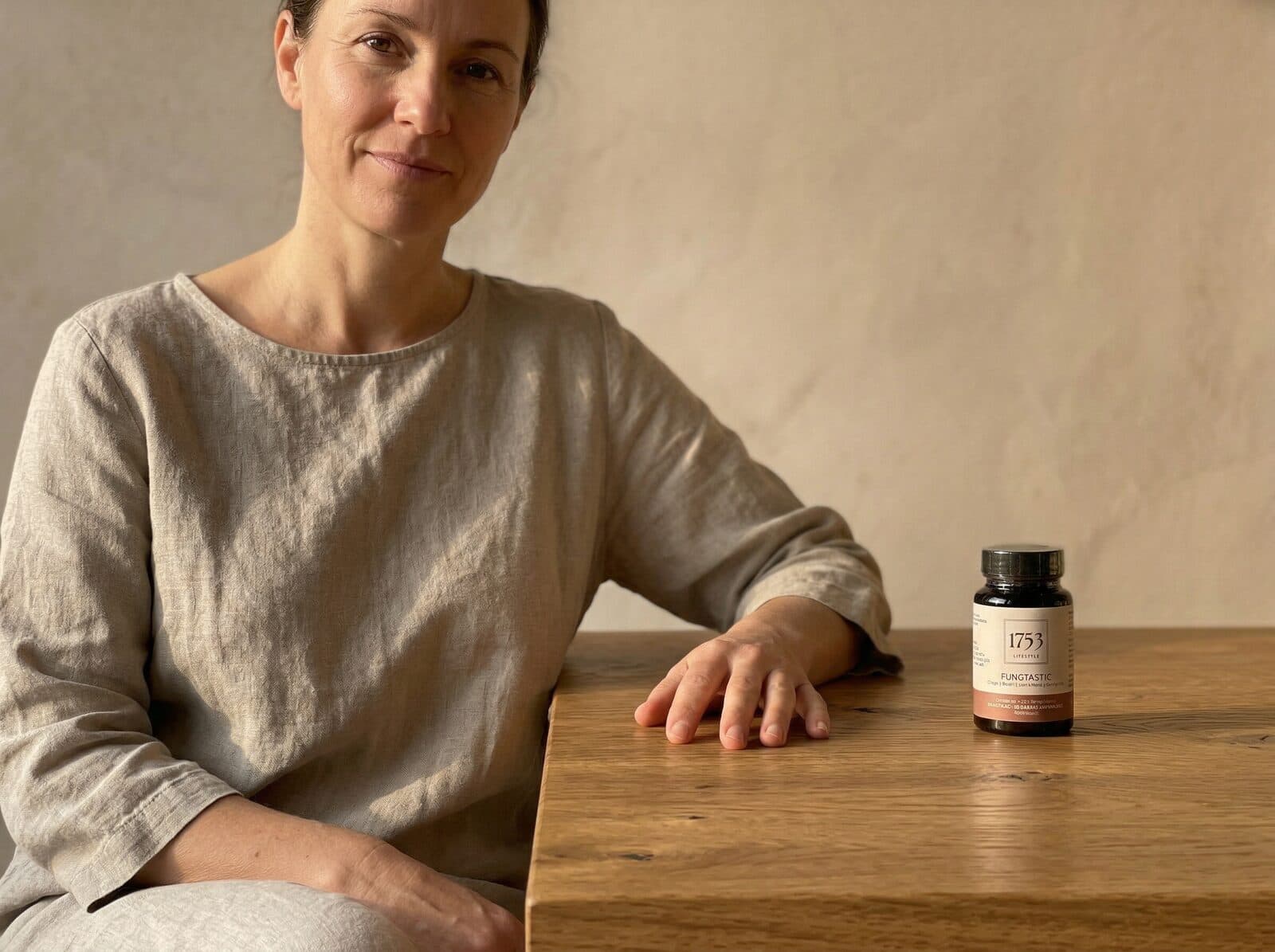
Fungtastic Mushroom Extract
Four mushrooms in one formula to support immunity, focus, energy and sleep from within.
Frequently asked questions
Is post sun redness always a real burn?
Not always, but it often signals a subclinical burn: UV stress has already triggered inflammation and DNA damage, even if the skin doesn’t feel fully sunburned yet. Redness is your cue to ease off.
Why does a small burn age skin?
Because repeated UV exposure drives photoaging over time. It’s not just color changes – it’s collagen loss, uneven pigment, and a barrier that becomes weaker and more reactive.
Should I exfoliate redness away?
Usually not. After sun exposure, skin needs rest and recovery, not more friction or acids that can worsen irritation and slow down repair.
When should I see a doctor?
Seek medical advice if you get blisters, fever, severe pain, nausea, or unusually widespread redness. We don’t diagnose, but clear warning signs should never be ignored.
Sources
- Byrd AL, Belkaid Y, Segre JA. The human skin microbiome. Nat Rev Microbiol 2018;16(3):143–155.
- Salem I, Ramser A, Isham N, Ghannoum MA. The Gut Microbiome as a Major Regulator of the Gut-Skin Axis. Front Microbiol 2018;9:1459.
- Chen Y, Lyga J. Brain-skin connection: stress, inflammation and skin aging. Inflamm Allergy Drug Targets 2014;13(3):177–190.
Article reviewed by Christopher Genberg, founder of 1753 SKINCARE.
Related articles
SYMPTOM
Itchy skin – why nights make it worse
You finally lie down, and then it starts. The itch that was manageable all day suddenly takes over y...
Symptom
Flaky skin – when your skin starts shedding
When skin starts lifting in little flakes, it’s tempting to assume it needs a stronger cleanser, ano...
Symptom
Dry skin around mouth – when the skin pushes back
It often starts as tightness, flaking or tiny red patches right around the mouth. Sometimes it sting...
Skin Barrier
Skin microbiome – why balance changes everything
Your skin is not sterile. It’s an ecosystem where trillions of microbes help keep the barrier strong...
Condition
Hormonal acne – why it keeps coming back
Deep breakouts around the chin, jaw and lower face are rarely just “bad skin.” More often, they’re a...
Skin Condition
Seborrheic dermatitis – why skin flakes
Red, flaky, stubborn. Seborrheic dermatitis loves the places where skin is richest in sebum: the T-z...