
Myth Busting
Retinol side effects – when skin pushes back
Retinol is often treated like the only serious way to improve skin. But many people also run into irritation, tightness and the classic question: is this a purge, or is my skin simply not happy? It often comes down to strength, frequency and barrier health more than the idea of retinol itself.

Are retinol side effects always proof that it works?
The common myth is that redness, peeling and stinging mean retinol is “doing its job”. In reality, they often mean the skin is being asked to tolerate more than it can comfortably handle. Retinization is the adjustment period when skin gets used to retinoids, but ideally it should be gradual and fairly mild.
Purging and breakouts get mixed up all the time. A purge can happen when an active speeds up cell turnover so clogged pores surface faster, but it usually shows up where you already break out. If the spots appear in new areas, look more inflamed or keep going for a long time, irritation or a mismatch is more likely.
Light sensitivity is mentioned a lot too. Retinoids can make skin more reactive, especially at the start, but that does not mean you need to hide indoors. It means the dose, night routine and sunscreen need to be sensible. And if you are pregnant or trying to conceive, retinoids are a different conversation altogether – that is a moment for extra caution and proper medical guidance.
Five smarter moves
Start lower
Stronger is not always better. If you try retinol, begin slowly and let your skin show you what it can handle before you increase the frequency.
Separate purge from breakout
Look at where the spots appear and how they feel. A purge is usually shorter and sticks to your usual trouble zones, while irritation often spreads and stings more.
Cut back on other actives
Retinol plus acids plus scrubs is often too much at once. Keep the routine simple instead of pushing skin with everything, everywhere.
Give the barrier a break
If skin feels hot, dry or flaky, back off. A calm night without actives can do more than chasing results every single day.
Think about pregnancy
During pregnancy or when planning it, retinoids deserve extra caution. Choose gentler routines and check with a healthcare professional if you are unsure.

How to calm skin, for real
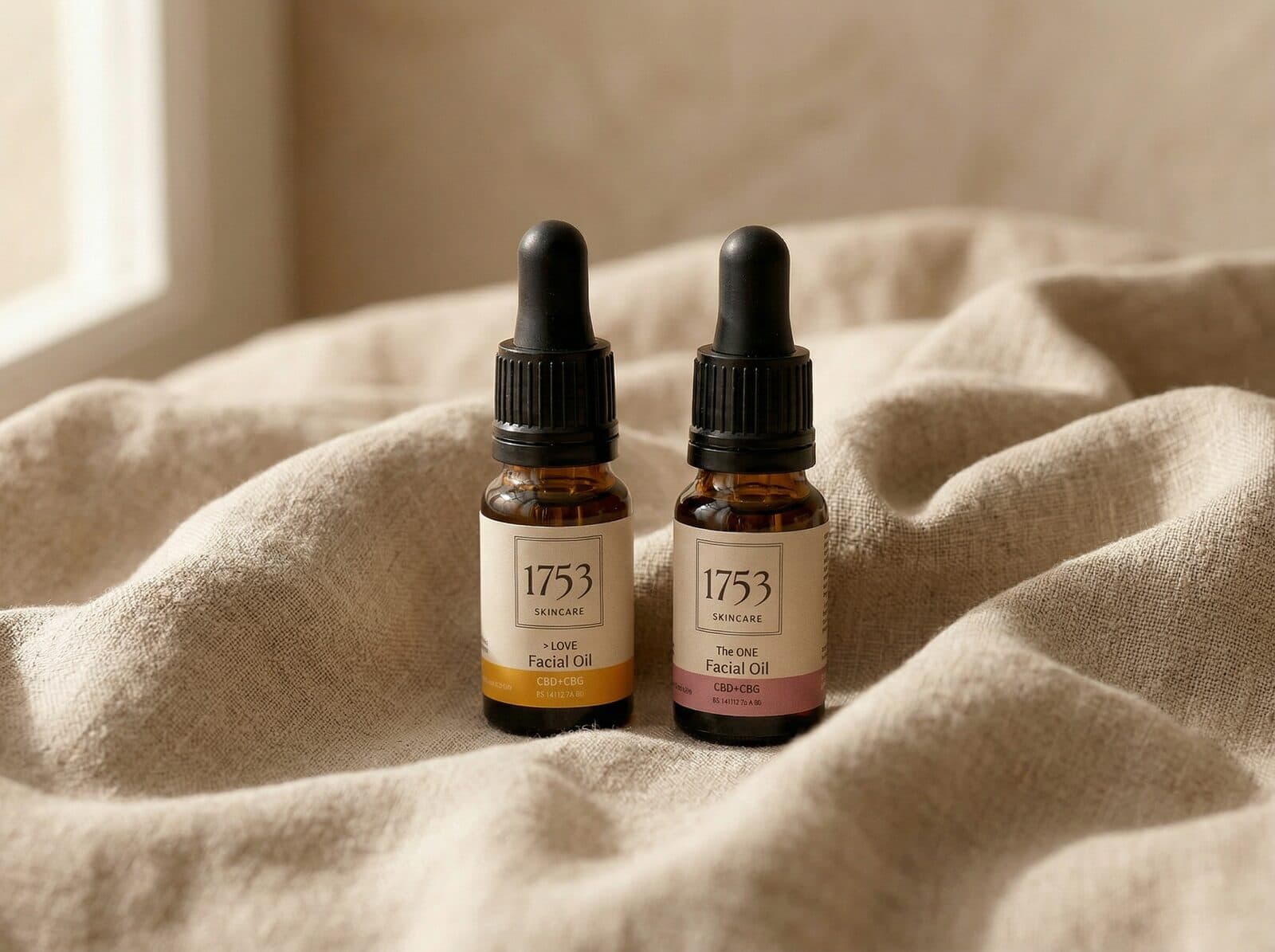
If you want skin that behaves in real life, the goal is rarely to force tolerance. The goal is to choose ingredients that work with the skin, not against it. That is where The ONE and I LOVE fit naturally: a skin-regulating CBD oil and a soothing CBG serum that support a steadier routine without unnecessary noise.
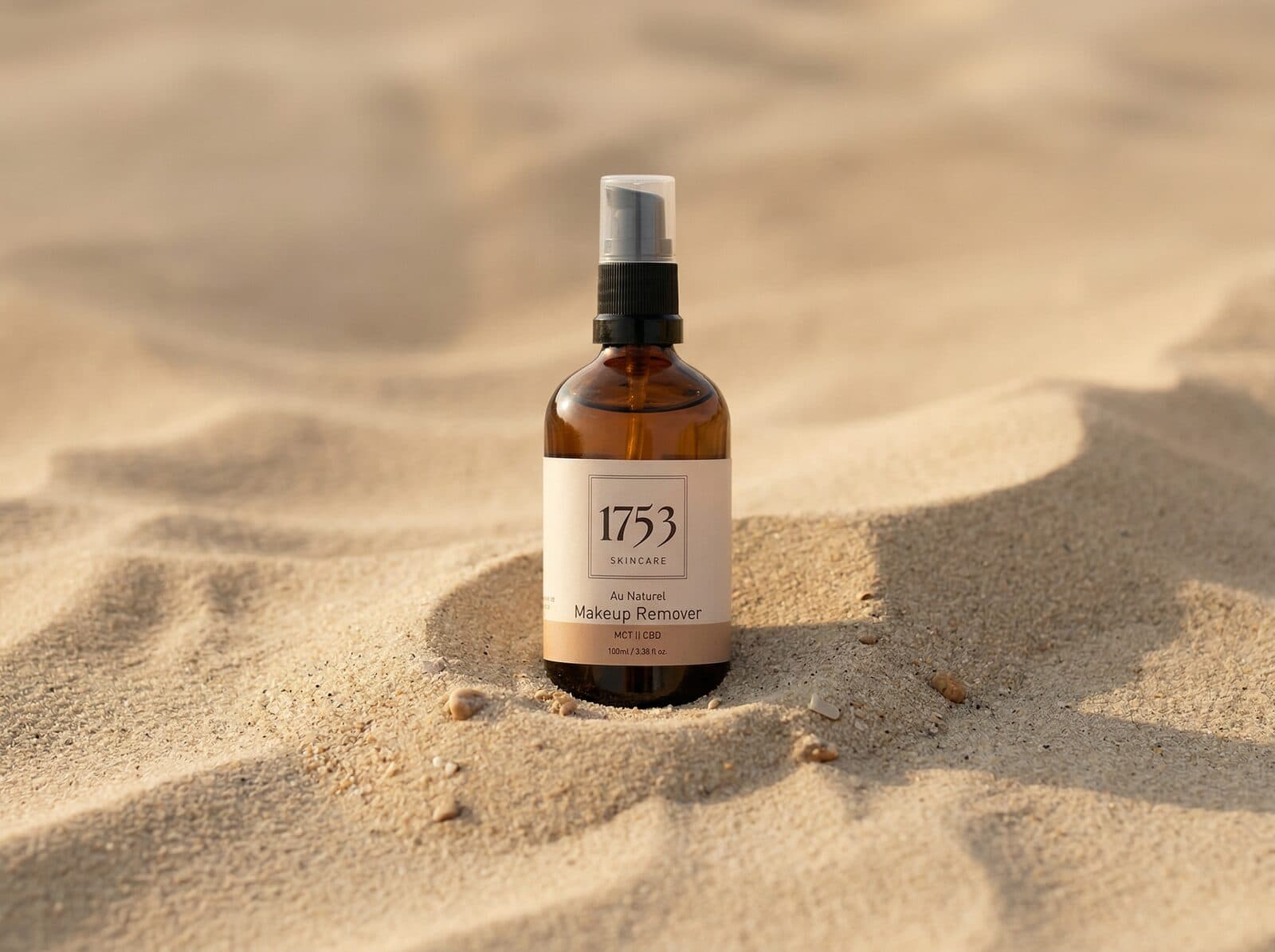
For cleansing, Au Naturel Makeup Remover is just as obvious when skin is already sensitive. It is built on MCT oil and keeps the ingredient list short, deliberately free from most disputed ingredients and without unnecessary preservatives. It is not flashy. It is simply less likely to annoy skin that is already trying to recover.
The 1753 view is straightforward: use retinol if you want, but do not treat side effects as the price of entry. A short routine with DUO-kit or a gentle cleanse with Au Naturel Makeup Remover can be the smarter way to build skin that feels stable, not constantly triggered.
Frequently asked questions
How do I know if it is a purge or irritation?
Look at timing, location and sensation. A purge often starts early, stays in your usual breakout areas and is more contained. Irritation feels more burning, spreads more easily and can last longer than a few weeks.
Is redness a normal retinol side effect?
Some redness can happen at the start, especially with stronger formulas or too-frequent use. But if skin stays red, tight or sore, it often means the routine is too aggressive.
Do I have to stop retinol if I get light sensitivity?
Not necessarily, but you may need to be more careful with dose, nighttime use and sunscreen. If skin becomes unusually reactive, it can be wise to pause and rebuild tolerance more slowly.
Can I use retinol during pregnancy?
Retinoids should be handled with extra caution during pregnancy and while trying to conceive. The safest move is to follow medical advice and choose other skincare strategies in the meantime.
Sources
- Proksch E, Brandner JM, Jensen JM. The skin: an indispensable barrier. Exp Dermatol 2008;17(12):1063–1072.
- Byrd AL, Belkaid Y, Segre JA. The human skin microbiome. Nat Rev Microbiol 2018;16(3):143–155.
Article reviewed by Christopher Genberg, founder of 1753 SKINCARE.
Related articles
Myth Busting
Are parabens dangerous – or just overblamed?
Parabens have picked up a pretty heavy reputation in skincare conversations. People often hear about...
Myth Bust
Alcohol in skincare – not always the villain
A lot of people learn one simple rule: if they see alcohol on an ingredient list, they should avoid ...
Myth Buster
Sulfates skin – not the villain, not always the fit
Sulfates often get blamed for everything from dryness to breakouts. But the truth is more nuanced: S...
Ingredient Portrait
mct oil skin – light, clean, surprisingly clever
MCT oil is not just another oil sitting on top of your face. It’s fractionated coconut oil built aro...
Ingredient Portrait
Vitamin e skin – the quiet shield
Vitamin E is one of skincare’s most misunderstood ingredients. It doesn’t act like a flashy quick fi...
Ingredient Portrait
aha bha risks – when smooth skin becomes a bad deal
AHA, BHA and PHA can brighten skin fast, but they can also fool you. What looks like progress is som...