
MYTH BUSTING
Sunscreen health – protection with nuance
The myth is neat: sunscreen is either perfectly safe or something to worry about. Reality is less tidy. It depends on the filter, the amount you use, your skin, and how you live in the sun. The real question is not black and white, but what makes sense for your face.

Is sunscreen always healthy – or does the filter matter?
It is easy to assume all sunscreens behave the same way, but they do not. Certain chemical filters, such as oxybenzone and avobenzone, have been debated because they can be absorbed through the skin and have raised questions in studies about hormone effects. That does not automatically make them unsafe for everyone, but it is a fair reason to choose carefully.
At the same time, skipping protection altogether is not the smarter alternative. UV exposure drives inflammation, breaks down collagen, and increases the risk of sun damage. Mineral filters like zinc oxide and titanium dioxide have a different profile and are often preferred when someone wants a more straightforward option, especially for reactive skin.
Then there is the awkward vitamin D question. Yes, sunlight helps the body make vitamin D, but most people do not need to choose between burning and hiding indoors forever. Often, the answer is smarter sun habits rather than perfect exposure or blind trust in a bottle. We are not into dogma – we are into skin that stays in the game.
Five smarter moves
Read the filter list
Check the ingredients before you buy. If you want to avoid the most debated filters, mineral filters are often the simpler route than formulas with oxybenzone or avobenzone.
Use enough product
Too little sunscreen creates false security. Apply generously to exposed areas and reapply after swimming, sweating, or long stretches in strong sun.
Think beyond sunscreen
Shade, clothing, and time of day all matter. On intense summer days, those basics can do as much work as the bottle in your bag.
Do not panic about vitamin D
Vitamin D deficiency is rarely solved by tanning your face on purpose. If you are concerned, test and discuss it with a professional instead of guessing.
Cleanse gently afterwards
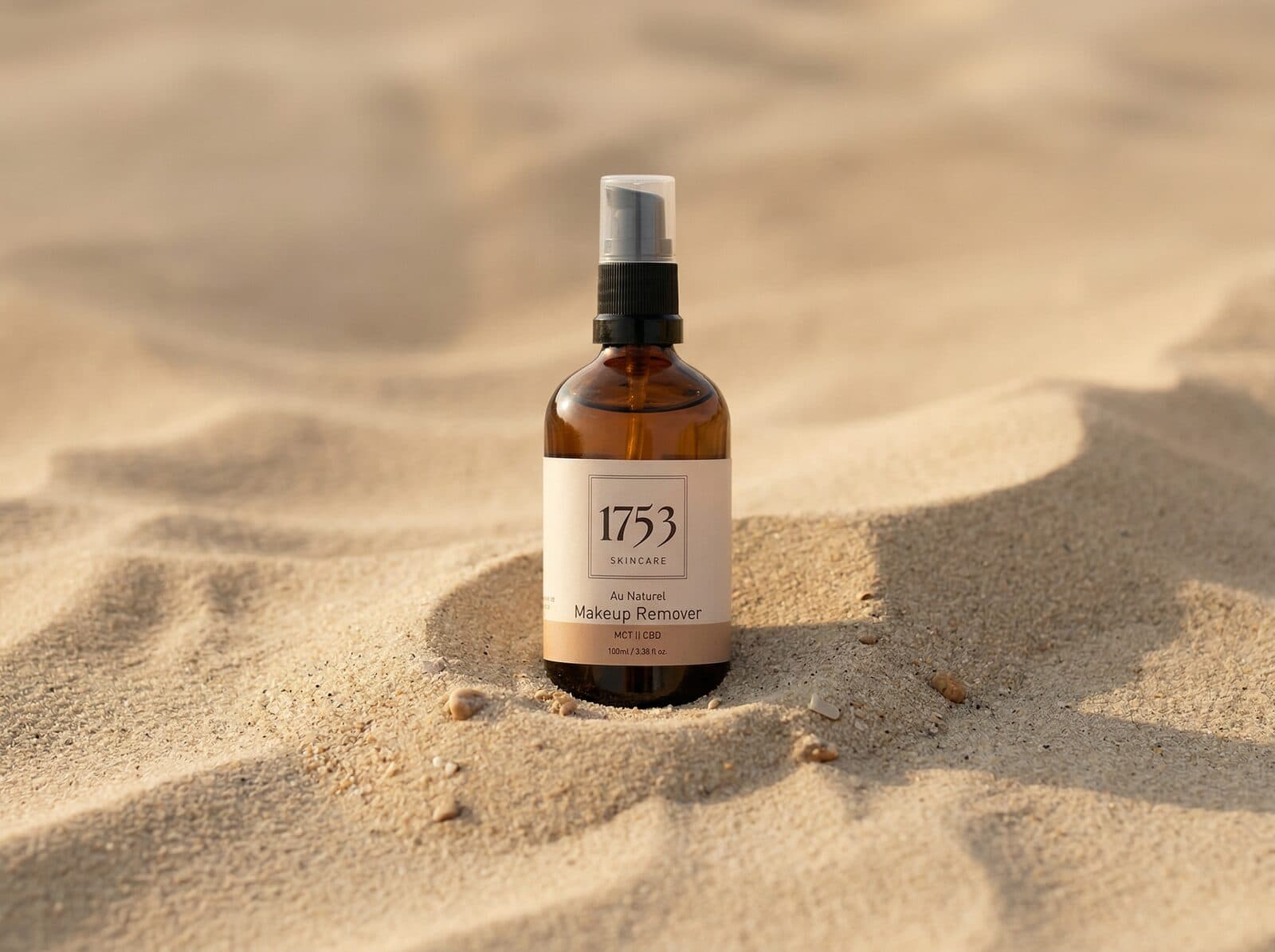
Choose a cleanser that removes sunscreen without stripping your skin. Au Naturel Makeup Remover with MCT oil is a soft way to do that.

How to protect skin without the noise
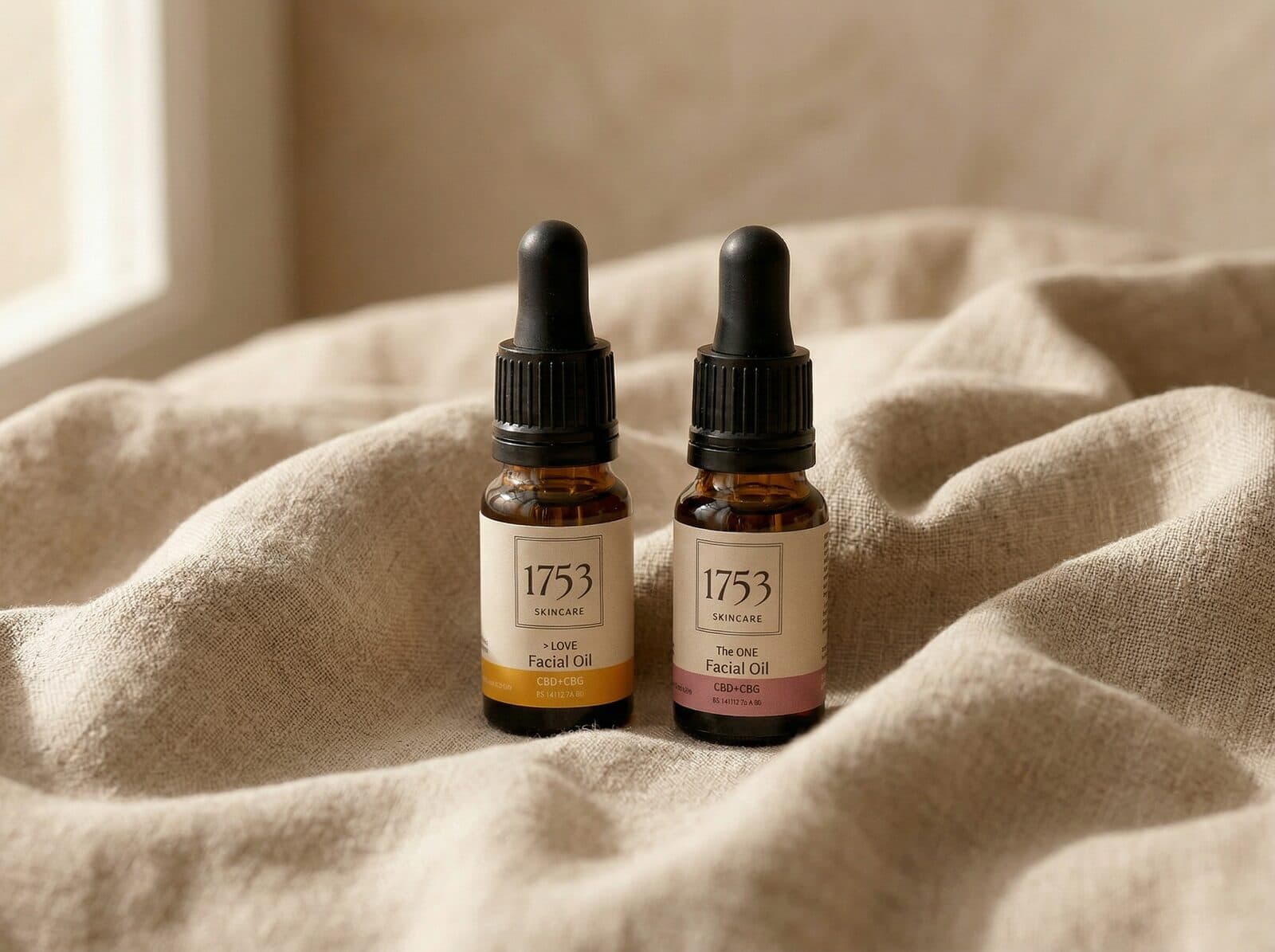
If you like things simple, a short ingredient list and fewer unnecessary preservatives often make life easier for your skin. That is not a miracle; it is just less to react to. This is where the DUO kit fits naturally for people who prefer skincare with less clutter and more intention.
After a day in sunscreen, many people want a cleanser that does not leave the skin tight and annoyed. Au Naturel Makeup Remover with MCT oil is a calm way to lift residue without aggressive cleansing. Skin barrier first, drama last.
Our view is straightforward: use protection when the sun calls for it, but do not add more skin stress than needed. Fewer controversial ingredients, less fragrance, and a cleanser that actually respects the skin usually beat the latest trend. That is how we think about sunscreen health – practical, not preachy.
Frequently asked questions
Is oxybenzone bad for you?
Not necessarily for everyone, but it is one reason some people prefer to avoid more debated chemical filters. Think in terms of risk profile and personal preference, not panic.
Are mineral filters always better?
They are often a good choice for sensitive skin and for people who want to avoid certain filters. But “better” depends on your skin and how consistently you use the product.
Does sunscreen cause vitamin D deficiency?
Sunscreen reduces UV exposure, yes. But vitamin D is also influenced by season, diet, skin tone, and how much time you spend outdoors. If you are worried, testing is smarter than guessing.
How do I remove sunscreen gently?
Start with a mild oil-based cleanser and avoid scrubbing. Au Naturel Makeup Remover is made to dissolve residue without making skin feel stripped.
Sources
- Proksch E, Brandner JM, Jensen JM. The skin: an indispensable barrier. Exp Dermatol 2008;17(12):1063–1072.
- Byrd AL, Belkaid Y, Segre JA. The human skin microbiome. Nat Rev Microbiol 2018;16(3):143–155.
Article reviewed by Christopher Genberg, founder of 1753 SKINCARE.
Related articles
Myth Busting
Are parabens dangerous – or just overblamed?
Parabens have picked up a pretty heavy reputation in skincare conversations. People often hear about...
Myth Bust
Alcohol in skincare – not always the villain
A lot of people learn one simple rule: if they see alcohol on an ingredient list, they should avoid ...
Myth Buster
Sulfates skin – not the villain, not always the fit
Sulfates often get blamed for everything from dryness to breakouts. But the truth is more nuanced: S...
Ingredient Portrait
mct oil skin – light, clean, surprisingly clever
MCT oil is not just another oil sitting on top of your face. It’s fractionated coconut oil built aro...
Ingredient Portrait
Vitamin e skin – the quiet shield
Vitamin E is one of skincare’s most misunderstood ingredients. It doesn’t act like a flashy quick fi...
Ingredient Portrait
aha bha risks – when smooth skin becomes a bad deal
AHA, BHA and PHA can brighten skin fast, but they can also fool you. What looks like progress is som...