
Myth Busting
propylene glycol skin – the antifreeze myth, calmly unpacked
Propylene glycol has picked up a strange reputation in skincare. Some people hear “antifreeze” and stop there, while others see a useful ingredient that helps skin hold onto moisture. The truth is less dramatic than the myth, but more nuanced than “always harmless.”

Is propylene glycol actually a skin problem?
The myth usually starts with the fact that propylene glycol shows up in technical contexts outside skincare, so it can sound harsh or industrial. In cosmetics, though, it mainly works as a humectant – a moisture-binding ingredient that helps water stay in the formula and on the skin’s surface.
What matters more is that propylene glycol can also act as a penetration enhancer. That means it can help certain ingredients move through the skin barrier more easily. That is not automatically bad, but on sensitive or eczema-prone skin it can be too much. Research and everyday clinical experience suggest irritation can happen, especially at higher levels or when the skin barrier is already stressed.
So the issue is not “toxic versus safe.” It is context. Some skin tolerates it well, some skin stings, flushes, or feels tight. If your skin tends to flare up or you suspect it is an eczema-trigger, it makes sense to be selective instead of forcing it to “adapt.”
How to choose more wisely
Check the full formula
Look at where propylene glycol sits in the ingredient list and what else is in the product. One ingredient rarely tells the whole story.
Patch test first
If your skin is reactive, try the product on a small area for a few days. It is a simple way to see whether it feels calm or starts to sting.
Protect the barrier
When skin is dry, over-exfoliated, or eczema-prone, it has less room for error. Gentle cleansing and fewer actives often work better than adding more.
Simplify the routine
You do not need a crowded shelf to get better skin. Often, the best move is reducing the number of things your skin has to negotiate with.
Choose pg-free if needed
If propylene glycol clearly bothers your skin, go pg-free. That is not anti-science; it is just sensible skincare.

What actually works in real life
If irritation is part of your story, the smartest move is often to choose products with short, clear ingredient lists rather than chasing another “high-performance” formula. For many skin types, the win comes from fewer possible irritants, not more added complexity.
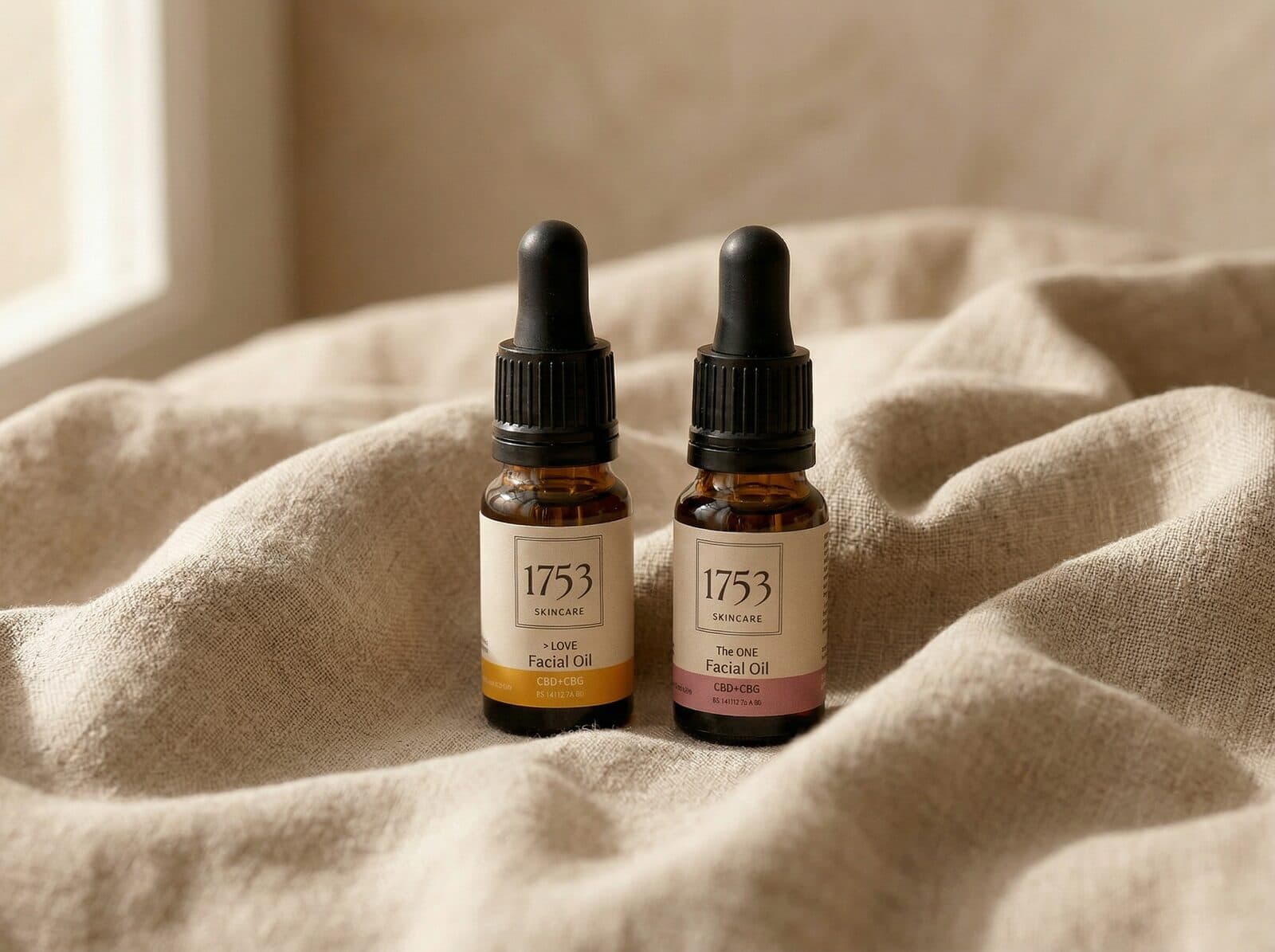
That is where the DUO-kit fits naturally: The ONE and I LOVE are built around hemp-derived cannabinoids and are intentionally free from most controversial ingredients. It is a straight path for people who want skincare with fewer question marks, no unnecessary preservatives, and less of the “let’s see how your skin reacts” energy.
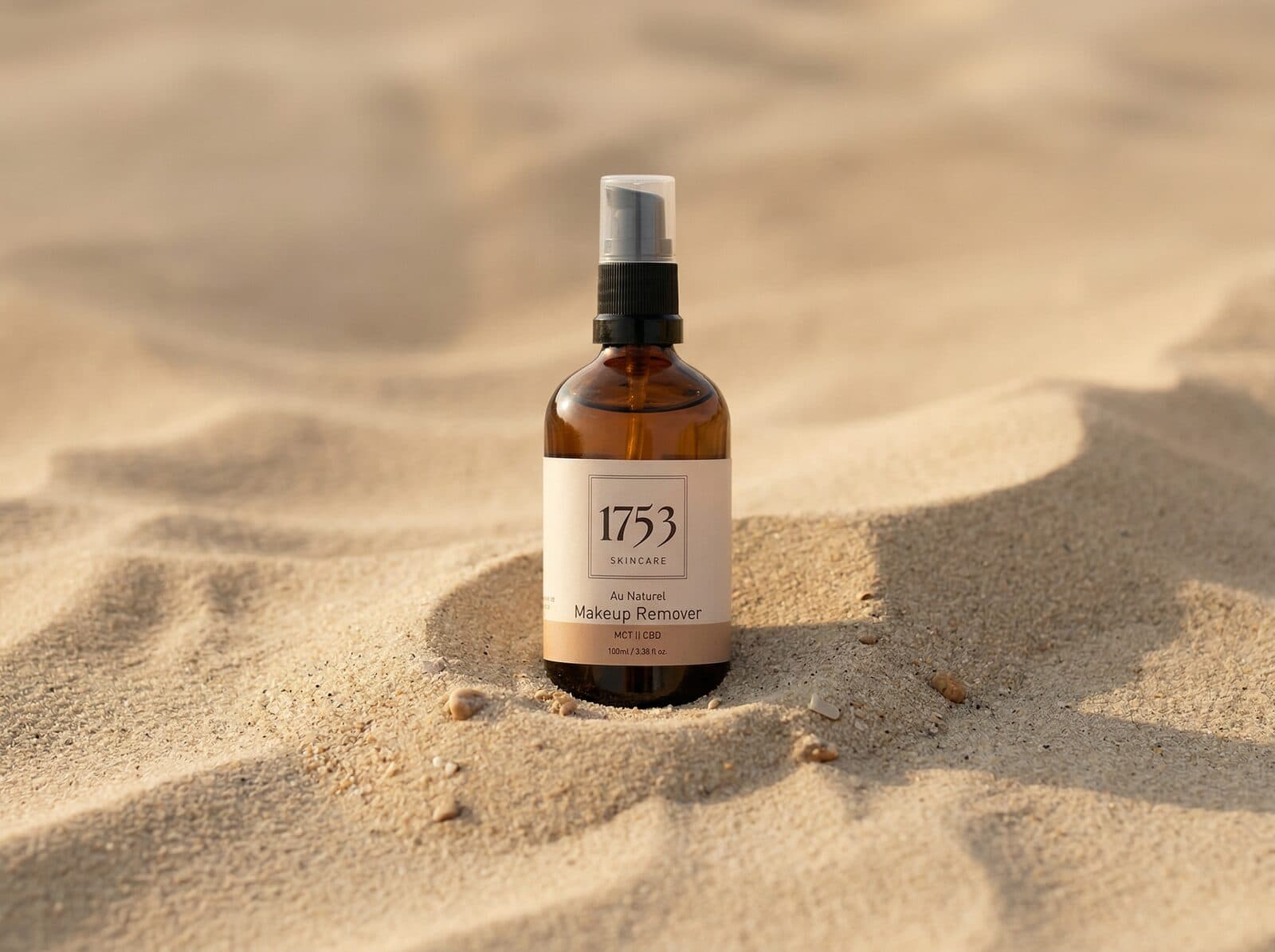
For cleansing, Au Naturel Makeup Remover follows the same logic: MCT oil, gentle cleansing, no drama. When skin gets a calmer baseline, it becomes much easier to tell what it actually likes. Very 1753: less noise, more respect for the skin you already have.
Frequently asked questions
Is propylene glycol always bad for skin?
No. Many people tolerate it just fine in low concentrations. The problem is more common in sensitive, eczema-prone, or already irritated skin, where it can feel stingy or drying.
Why is propylene glycol used in skincare?
It helps bind moisture and can improve how a formula spreads and feels. In some products, it also helps other ingredients penetrate more easily.
Is propylene glycol the same as antifreeze?
No. That is a popular misconception. In skincare, it is used for its formulation benefits, not because the skin needs anything related to antifreeze.
What should I use if my skin reacts easily?
Go for simple formulas and, if you know you react to it, choose pg-free products. A short ingredient list and gentle cleansing make it easier to keep skin calm.
Sources
- Proksch E, Brandner JM, Jensen JM. The skin: an indispensable barrier. Exp Dermatol 2008;17(12):1063–1072.
- Byrd AL, Belkaid Y, Segre JA. The human skin microbiome. Nat Rev Microbiol 2018;16(3):143–155.
Article reviewed by Christopher Genberg, founder of 1753 SKINCARE.
Related articles
Myth Busting
Are parabens dangerous – or just overblamed?
Parabens have picked up a pretty heavy reputation in skincare conversations. People often hear about...
Myth Bust
Alcohol in skincare – not always the villain
A lot of people learn one simple rule: if they see alcohol on an ingredient list, they should avoid ...
Myth Buster
Sulfates skin – not the villain, not always the fit
Sulfates often get blamed for everything from dryness to breakouts. But the truth is more nuanced: S...
Ingredient Portrait
mct oil skin – light, clean, surprisingly clever
MCT oil is not just another oil sitting on top of your face. It’s fractionated coconut oil built aro...
Ingredient Portrait
Vitamin e skin – the quiet shield
Vitamin E is one of skincare’s most misunderstood ingredients. It doesn’t act like a flashy quick fi...
Ingredient Portrait
aha bha risks – when smooth skin becomes a bad deal
AHA, BHA and PHA can brighten skin fast, but they can also fool you. What looks like progress is som...