
Myth Busting
Phenoxyethanol skin – harmful or just common?
Phenoxyethanol shows up in everything from moisturizers to cleansers, often as a paraben alternative. For some people that feels reassuring; for others it raises questions about sensitive skin and unnecessary additives. The truth usually sits somewhere in the middle.

Is phenoxyethanol in skincare a problem, or just a preservative?
The myth is not that phenoxyethanol is automatically dangerous, but that every reaction to it means the same thing. In cosmetics, it is typically allowed up to 1%, and at that level it is considered safe for most people. That is a big reason it has become such a common paraben alternative.
But safe for the majority does not mean ideal for everyone. People with eczema, very reactive skin, or a damaged skin barrier may notice stinging, redness, or irritation. Often it is the formula as a whole that creates the issue, but phenoxyethanol can absolutely be an eczema trigger for some.
The interesting part is that modern skincare does not need to rely on long ingredient lists and heavy preservation systems. Some products are designed to be self-preserving or simply so stripped back that the skin has less to argue with. Then the question becomes less “is phenoxyethanol always bad?” and more “does my skin need this at all?”
How to choose smarter
Read the full INCI list
Don’t stop at phenoxyethanol. If the product also contains strong acids, fragrance, or lots of actives, your skin may be carrying too much at once.
Patch test first
If you have eczema or react easily, try the product along the jawline or behind the ear for a few days. A calm test beats gambling on your whole face.
Choose shorter formulas
A short ingredient list is not magic, but it often lowers the chance of overwhelming the skin. That matters even more when your barrier is already dry or stressed.
Remove the extras
You rarely need harsh cleansing, exfoliation, and multiple active steps all at once. The less you disturb the barrier, the less the preservative question matters in practice.
Prioritize what you use
A gentle product you use every day beats a “perfect” one that sits untouched. Skincare works best when it is simple enough to stick with.

What actually makes it easier
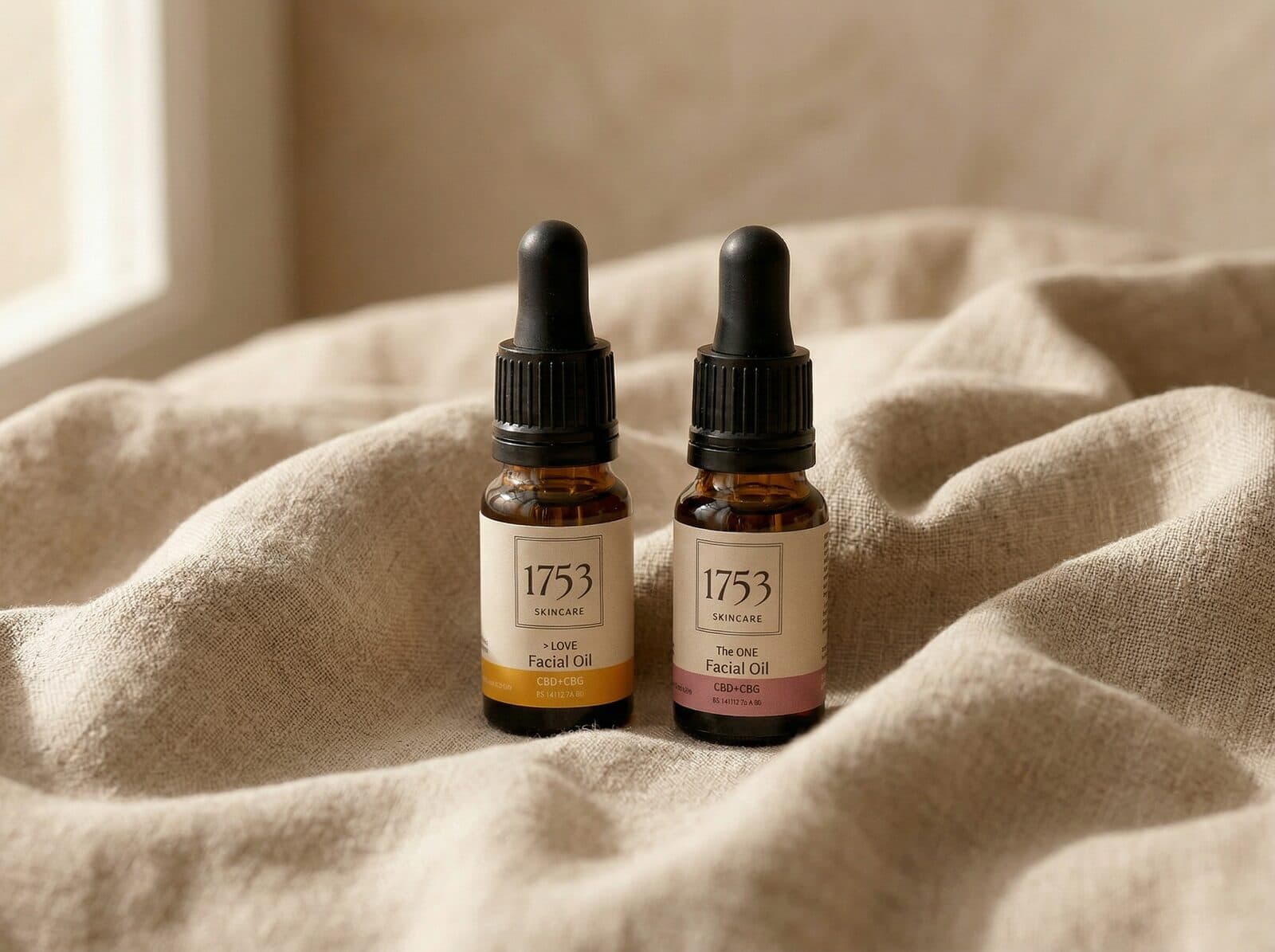
If you want fewer controversial ingredients, the first move is usually to simplify what your skin meets every day. The DUO-kit is built around The ONE and I LOVE, with focused formulas and no unnecessary preservative drama at the center. Less noise, more skin sense.
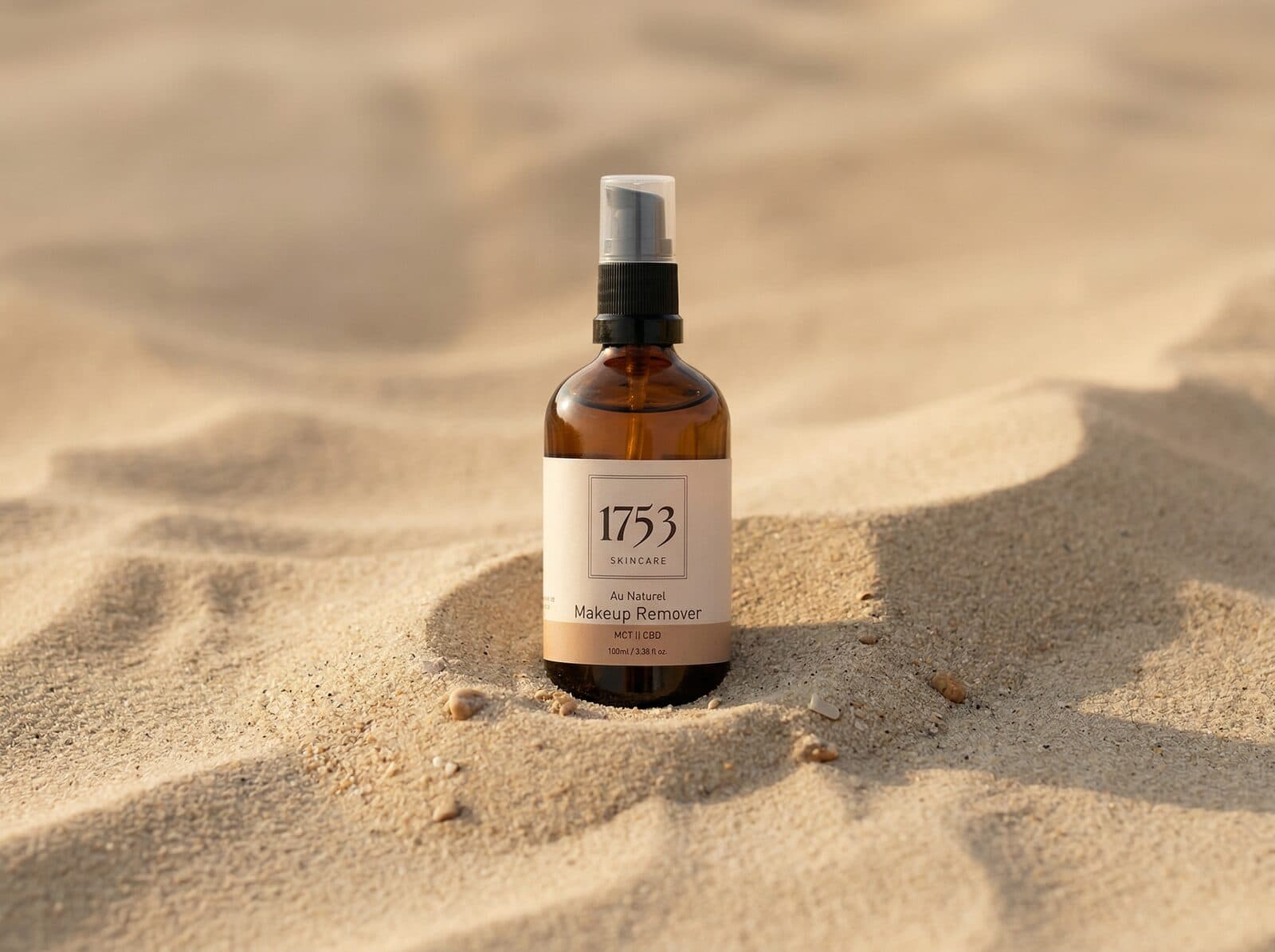
For cleansing, Au Naturel Makeup Remover uses MCT oil for a gentle clean that does not force another aggressive step into your routine. For many sensitive skin types, that kind of simplicity matters more than chasing the next anti-everything ingredient.
The 1753 point is not to shout no at every preservative. It is to choose products that are thoughtful, gentle, and straightforward in how they are made. When skin is already stressed, a calm routine is often worth more than a long list of promises.
Frequently asked questions
Is phenoxyethanol bad for skin?
For most people, no, not at the levels used in cosmetics. But if you have eczema or very sensitive skin, it can still irritate, especially in a formula packed with other strong ingredients.
Why is phenoxyethanol used so much?
It is a common preservative that helps products stay stable and free from microbial growth. It is often used as a paraben alternative.
Can I be sensitive to phenoxyethanol?
Yes. Some people get redness, stinging, or itching, especially if the skin barrier is already compromised. In that case, a milder, simpler product is often a better fit.
Are there phenoxyethanol-free options?
Yes, some products are formulated to be more self-preserving or simply made with fewer ingredients. That can be a smart path if your skin reacts often.
Sources
- Proksch E, Brandner JM, Jensen JM. The skin: an indispensable barrier. Exp Dermatol 2008;17(12):1063–1072.
- Byrd AL, Belkaid Y, Segre JA. The human skin microbiome. Nat Rev Microbiol 2018;16(3):143–155.
Article reviewed by Christopher Genberg, founder of 1753 SKINCARE.
Related articles
Myth Busting
Are parabens dangerous – or just overblamed?
Parabens have picked up a pretty heavy reputation in skincare conversations. People often hear about...
Myth Bust
Alcohol in skincare – not always the villain
A lot of people learn one simple rule: if they see alcohol on an ingredient list, they should avoid ...
Myth Buster
Sulfates skin – not the villain, not always the fit
Sulfates often get blamed for everything from dryness to breakouts. But the truth is more nuanced: S...
Ingredient Portrait
mct oil skin – light, clean, surprisingly clever
MCT oil is not just another oil sitting on top of your face. It’s fractionated coconut oil built aro...
Ingredient Portrait
Vitamin e skin – the quiet shield
Vitamin E is one of skincare’s most misunderstood ingredients. It doesn’t act like a flashy quick fi...
Ingredient Portrait
aha bha risks – when smooth skin becomes a bad deal
AHA, BHA and PHA can brighten skin fast, but they can also fool you. What looks like progress is som...