
MYTH BUSTING
Petrolatum skin – less fear, more context
Petrolatum often carries more suspicion than it deserves. The myth is that anything linked to “petroleum” must be dirty or bad for skin. A better question is what it actually does, how pure it is, and when an occlusive is exactly what the skin needs.

Is petrolatum skin really a problem – or just a word that sounds wrong?
The myth around petrolatum skin usually starts with the name. Because it comes from petroleum, many people assume it is too heavy, too chemical, or somehow unclean. In skincare, though, we use highly refined petrolatum, often USP-grade, which means it has been purified to meet strict quality standards.
Scientifically, petrolatum is a classic occlusive: it forms a protective layer that reduces transepidermal water loss. That is why slugging can work so well on dry, irritated, or barrier-damaged skin. Studies show occlusives can help skin retain moisture and support recovery, but it depends on skin type, amount, and what you put underneath.
The acne story is more nuanced than people think. Petrolatum is not inherently comedogenic for most people, but if you already run hot, shiny, or use too many layers, it can feel wrong. The same logic applies to tattoo aftercare: a thin, clean occlusive can sometimes help more than “actives” that sting. The question is not whether skin should be punished – it is what it actually needs.
Use it the smart way
Choose the right moment
Use petrolatum when skin feels tight, flaky, or needs moisture sealed in. It often works best at night or in dry weather, not as a default on already overloaded skin.
Keep the layer thin
Slugging rarely works better because you use more. A very thin layer is often enough to reduce water loss without making skin feel trapped.
Prioritize barrier care
If your skin is irritated, skip strong acids and harsh cleansing the same night. An occlusive helps most when it sits on top of a calm routine.
Use after tattooing
For tattoo aftercare, a clean, simple occlusive can help protect skin while it heals. Always follow your artist’s advice on cleansing and amount.
Read the ingredient list
A short ingredient list is often a plus for sensitive skin. Less unnecessary content means less to react to, especially if your skin is already reactive.

How to solve it without skin drama
If you want to use petrolatum without getting lost in myths, start simple: treat it as a tool for reducing moisture loss, not a miracle fix. For many skin types, a clean, balanced routine with an occlusive used selectively or in thin layers is enough.
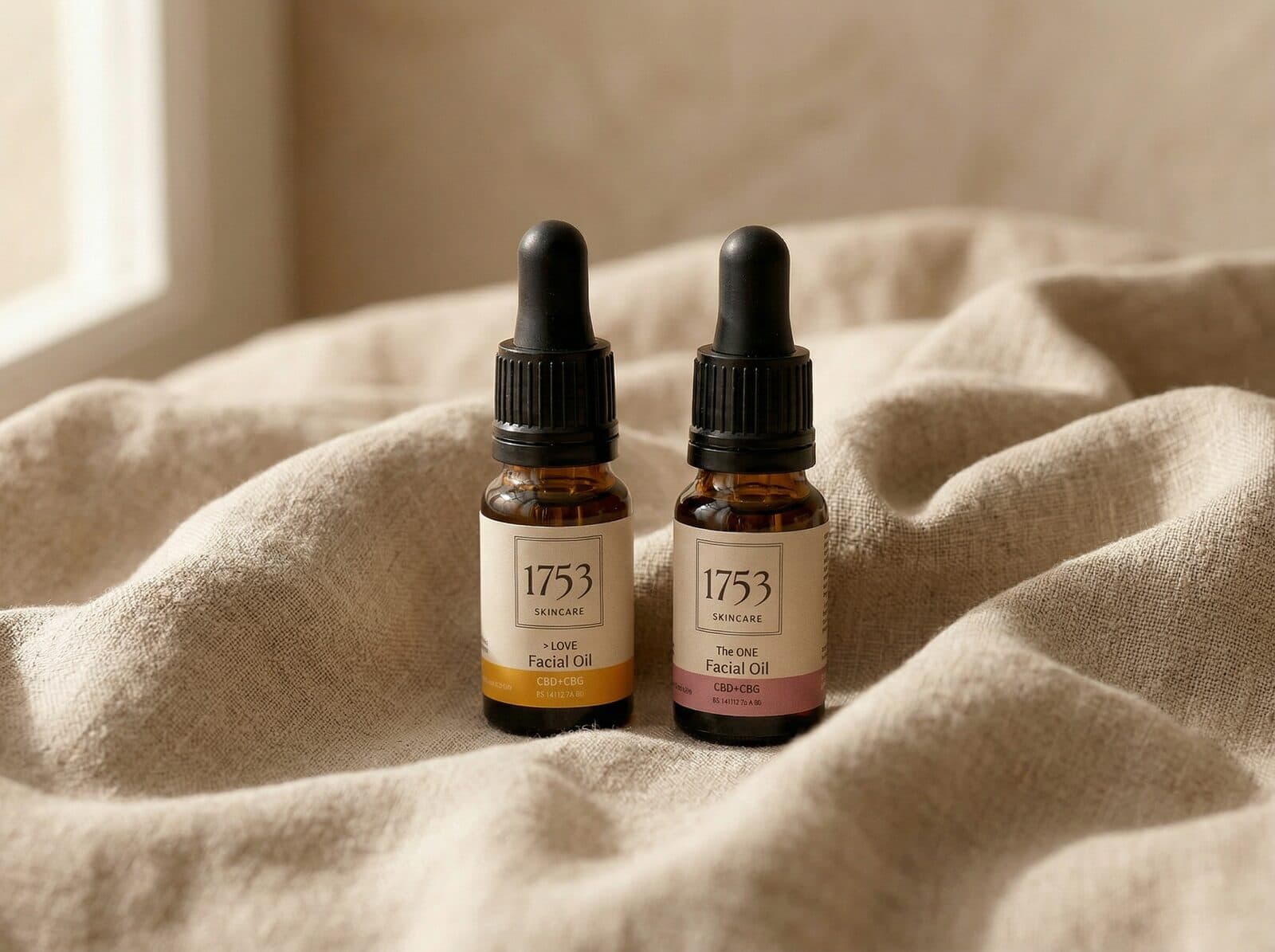
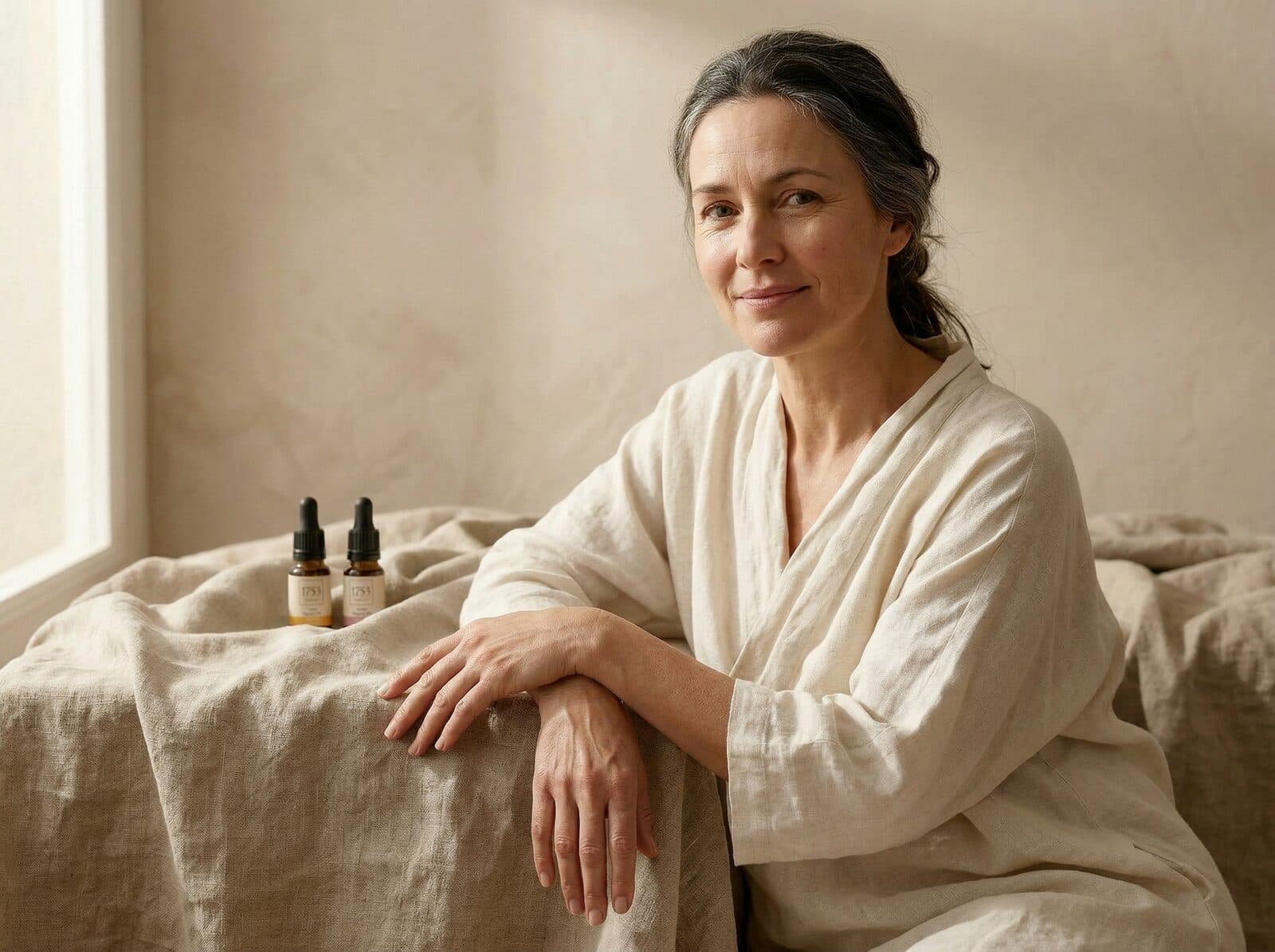
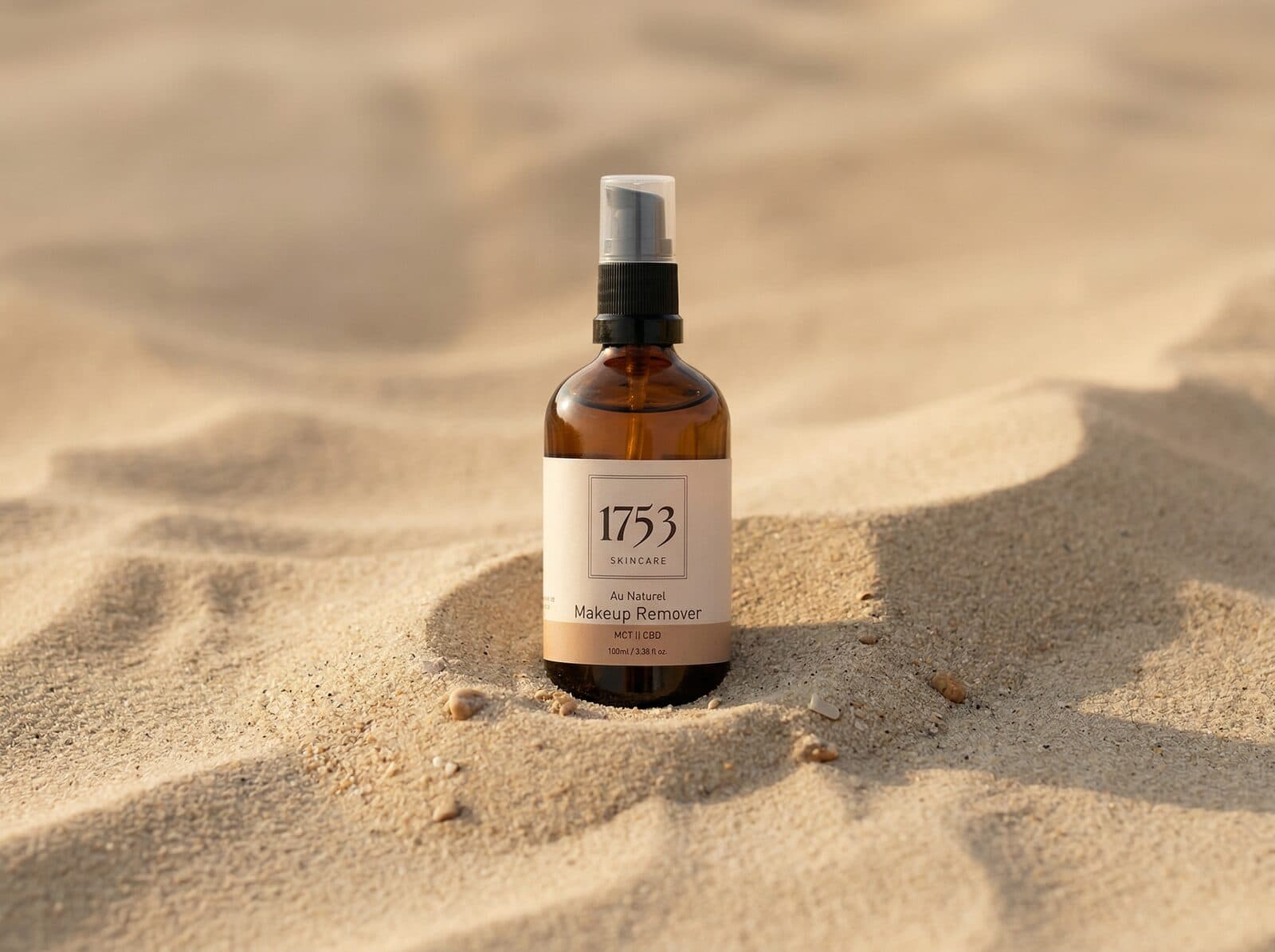
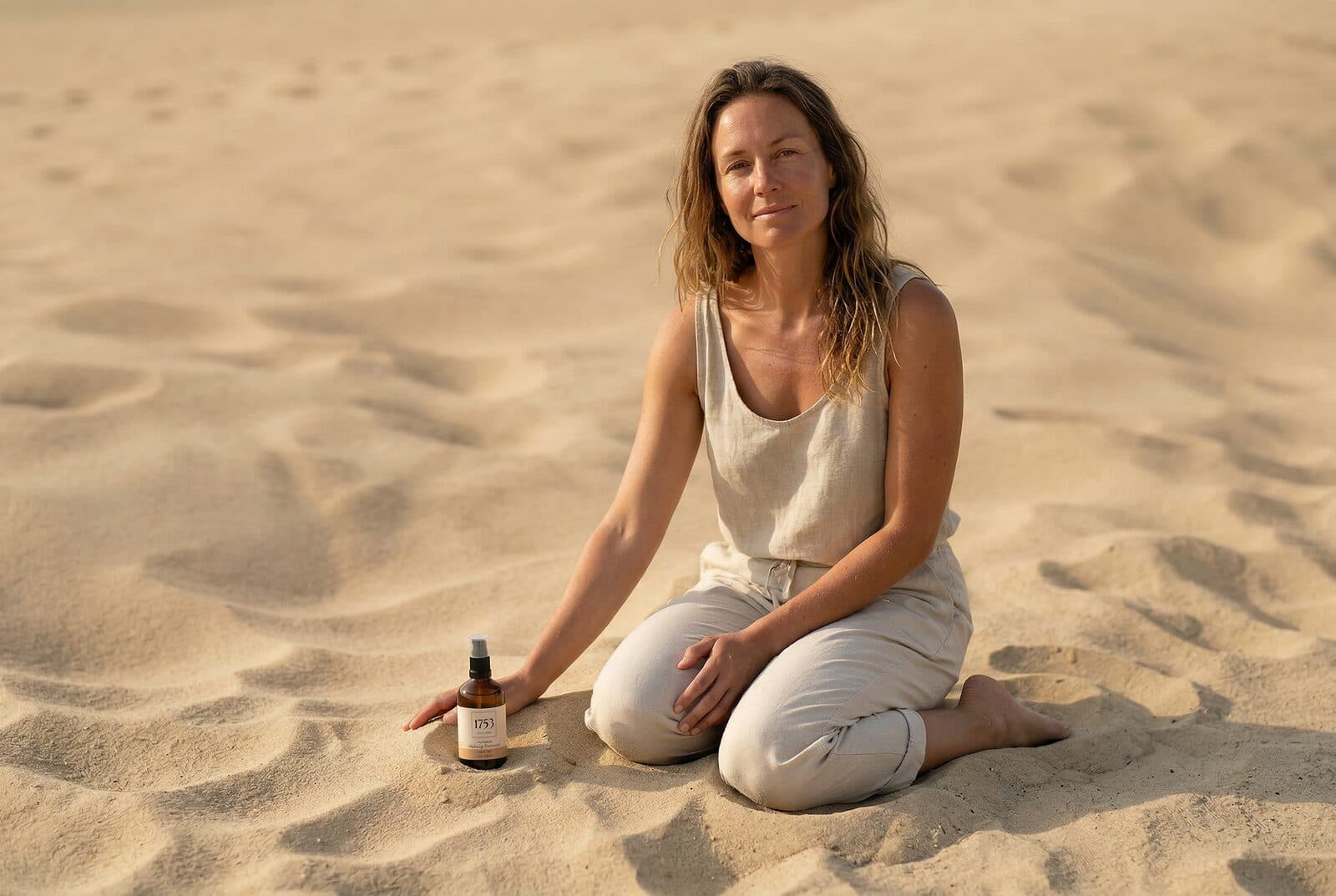
This is also where short ingredient lists matter in a real way. The DUO kit with The ONE and I LOVE gives skin a more considered option when you want barrier support without unnecessary noise. Au Naturel Makeup Remover is the same idea in cleansing form: MCT oil, gentle cleansing, and deliberately free from most controversial ingredients and unnecessary preservatives.
The point is not to demonize petrolatum or praise it blindly. The point is to use the right thing for the right moment. Sometimes a clean occlusive after a shower, sun exposure, or a tattoo is exactly what makes the biggest difference. Sometimes a skin-regulating oil like The ONE or a soothing CBG serum like I LOVE is a better way to keep skin balanced than piling on more layers.
Frequently asked questions
Is petrolatum safe for the face?
For most people, yes, especially when it is highly refined and used thinly. It is more about how your skin responds than the word petrolatum itself. If you clog easily, test it carefully.
Can petrolatum cause acne?
Not necessarily. Petrolatum is not a classic acne trigger on its own, but if you apply it over heavy makeup, sweat, or already irritated skin, it may feel like too much. Context matters more than the rumor.
What does USP-grade actually mean?
It means the petrolatum meets pharmaceutical purity standards. In other words, it is refined and controlled for skin use, not raw or unprocessed material.
Is slugging for everyone?
No, and that is fine. Slugging usually suits dry, stressed, or barrier-compromised skin best. If you run hot, get shiny, or break out easily, a thinner and more selective approach may work better.
Sources
- Proksch E, Brandner JM, Jensen JM. The skin: an indispensable barrier. Exp Dermatol 2008;17(12):1063–1072.
- Byrd AL, Belkaid Y, Segre JA. The human skin microbiome. Nat Rev Microbiol 2018;16(3):143–155.
Article reviewed by Christopher Genberg, founder of 1753 SKINCARE.
Related articles
Myth Busting
Are parabens dangerous – or just overblamed?
Parabens have picked up a pretty heavy reputation in skincare conversations. People often hear about...
Myth Bust
Alcohol in skincare – not always the villain
A lot of people learn one simple rule: if they see alcohol on an ingredient list, they should avoid ...
Myth Buster
Sulfates skin – not the villain, not always the fit
Sulfates often get blamed for everything from dryness to breakouts. But the truth is more nuanced: S...
Ingredient Portrait
mct oil skin – light, clean, surprisingly clever
MCT oil is not just another oil sitting on top of your face. It’s fractionated coconut oil built aro...
Ingredient Portrait
Vitamin e skin – the quiet shield
Vitamin E is one of skincare’s most misunderstood ingredients. It doesn’t act like a flashy quick fi...
Ingredient Portrait
aha bha risks – when smooth skin becomes a bad deal
AHA, BHA and PHA can brighten skin fast, but they can also fool you. What looks like progress is som...