
Lifestyle
Perimenopause and skin – when everything shifts at once
One day your skin feels drier, thinner and suddenly touchy. Adult acne may show up, fine lines look deeper, and sleep gets patchy. That’s not you failing at skincare – it’s often perimenopause showing up in the mirror first.

Why does skin change so much in perimenopause?
During perimenopause, estrogen doesn’t just drop neatly; it fluctuates. And skin notices. Estrogen helps skin hold onto moisture, supports collagen, and influences how efficiently the barrier repairs itself. When levels fall, skin can feel drier, more reactive and less elastic – sometimes within just a few years.
Research suggests collagen loss around menopause can be steep, with up to 30% lost over five years. That shows up not only as wrinkles, but also as thinner skin, more sensitivity and a lower tolerance for weather, stress and over-cleansing.
At the same time, progesterone may decline and sleep can get disrupted by hot flashes, anxiety and waking in the night. Poor sleep changes how skin recovers, and inflammation tends to be more visible. Perimenopause can feel like the skin has changed the rules overnight. It hasn’t become difficult. It’s adapting.
Five habits that calm skin now
Cleanse more gently
Swap harsh cleansing for something that respects the barrier. An MCT-based cleanser, like Au Naturel Makeup Remover, removes the day without leaving skin tight and irritated.
Moisturize fast
Apply hydration when skin is still slightly damp after washing or showering. It helps trap water before dry indoor air gets to work.
Cut back on exfoliation
If your skin is already dry, thin or flushed, it does not need acids every night. Keep exfoliation quiet and let the barrier do its job.
Protect your sleep
Hot flashes and broken sleep affect skin more than people think. A cooler room, regular timing and a calmer evening routine can help your whole system recover.
Support the inside too
Hormonal skin change is not only topical. A supplement like Fungtastic Mushroom Extract can be a simple way to support the body during a demanding phase.

How to actually help it
Perimenopausal skin does not need more punishment. It needs fewer irritants and more support. Start with gentle cleansing, steady hydration and products that help skin stay comfortable instead of pushing it into a fight it cannot win.
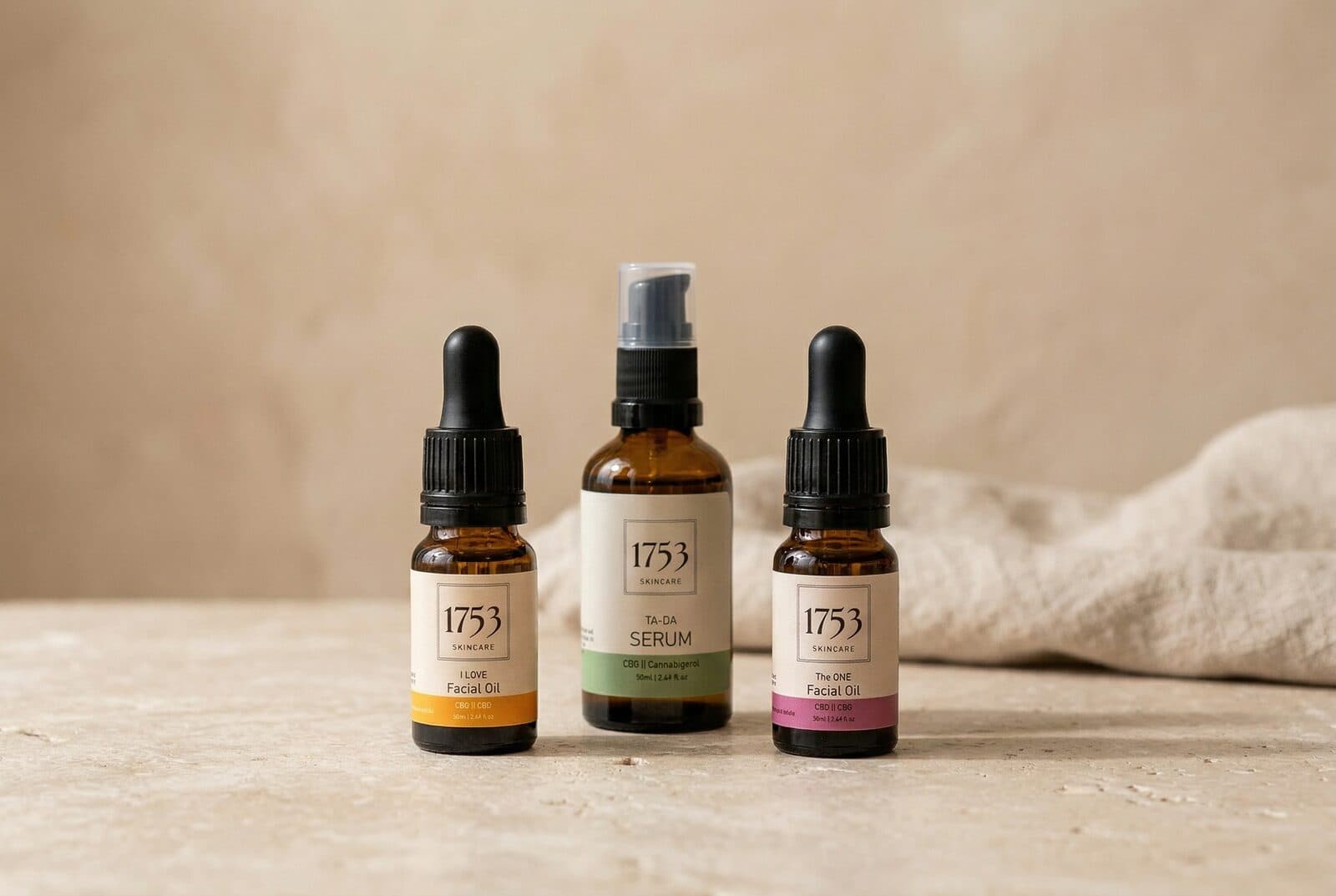
That’s where DUO Ta-DA fits naturally: The ONE and I LOVE give cannabinoid support to skin that swings between dryness, redness and breakouts. Add Ta-DA serum when dryness and wrinkles are getting louder; the antioxidant blend with CBG and adaptogens is a sensible response when hormones are making skin feel worn out.
If you want to think a step further, Fungtastic Mushroom Extract can be a simple inside-out companion for hormonal balance. Not magic, just a grounded way to support the body while perimenopause does its chaotic little dance. That’s the kind of routine changing skin usually prefers: calm, clear and free of unnecessary drama.
Products we recommend
 Save €60
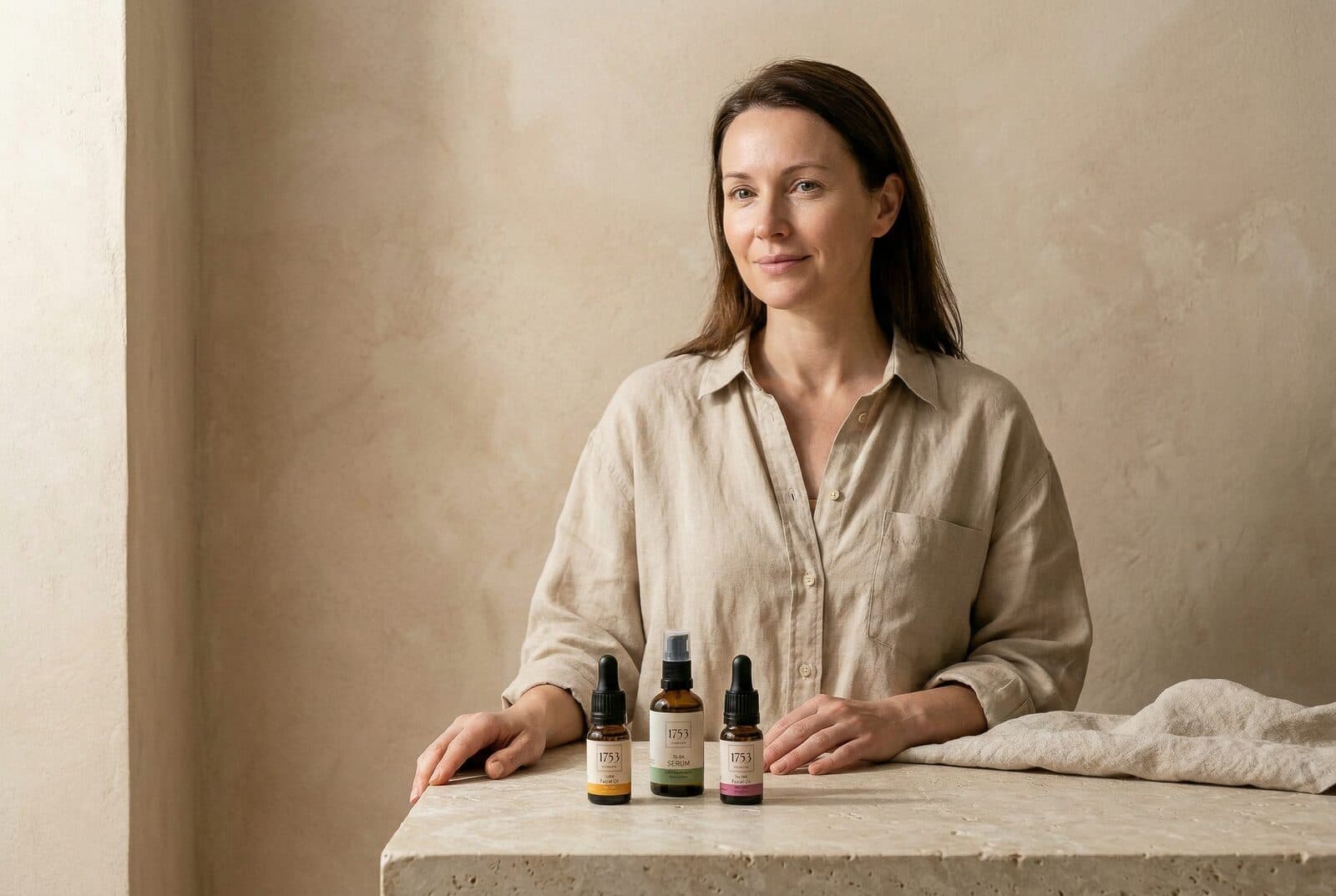
DUO kit + TA-DA Serum
The full routine in one: three products that help skin become calmer, stronger and more resilient.
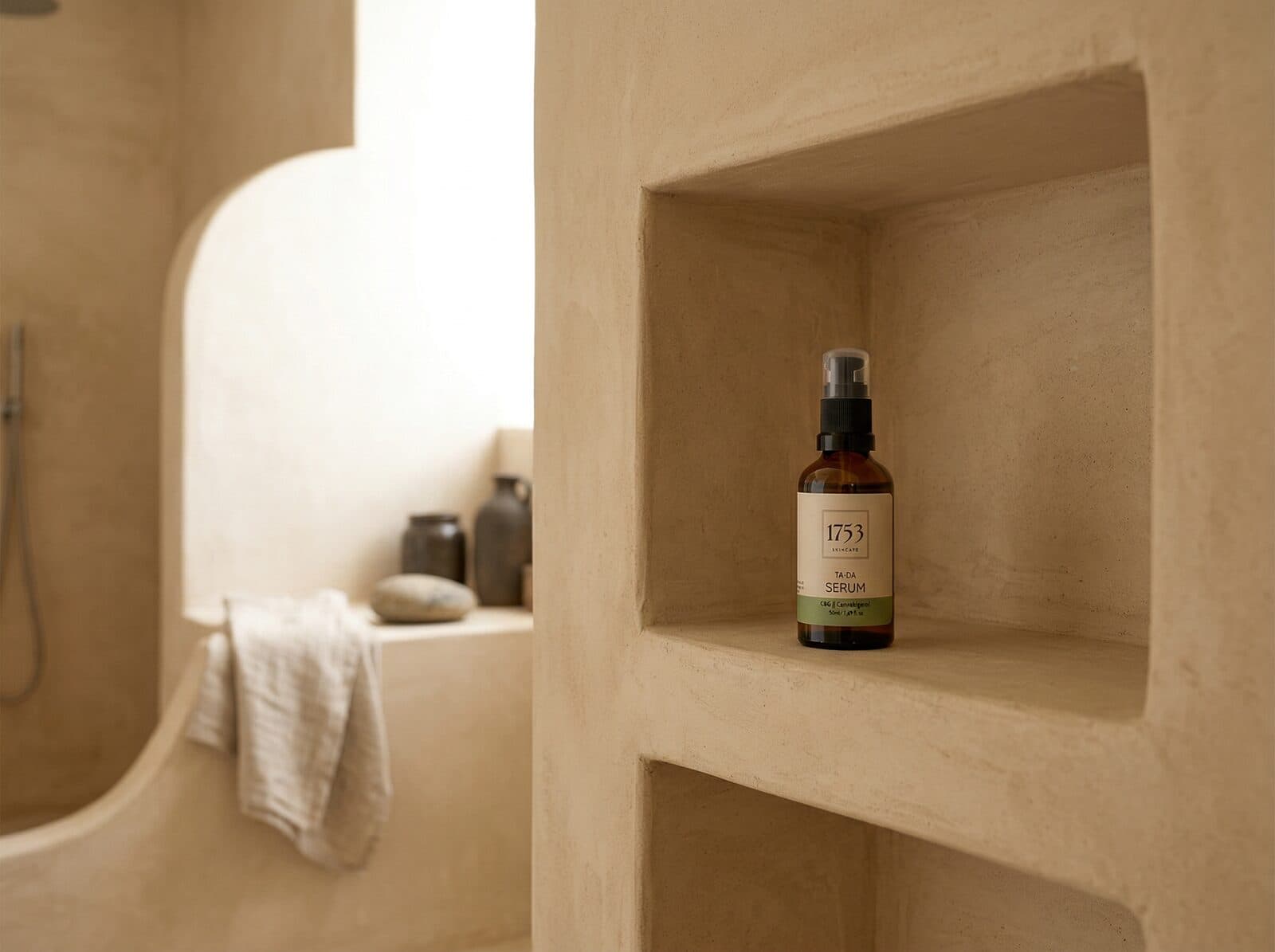
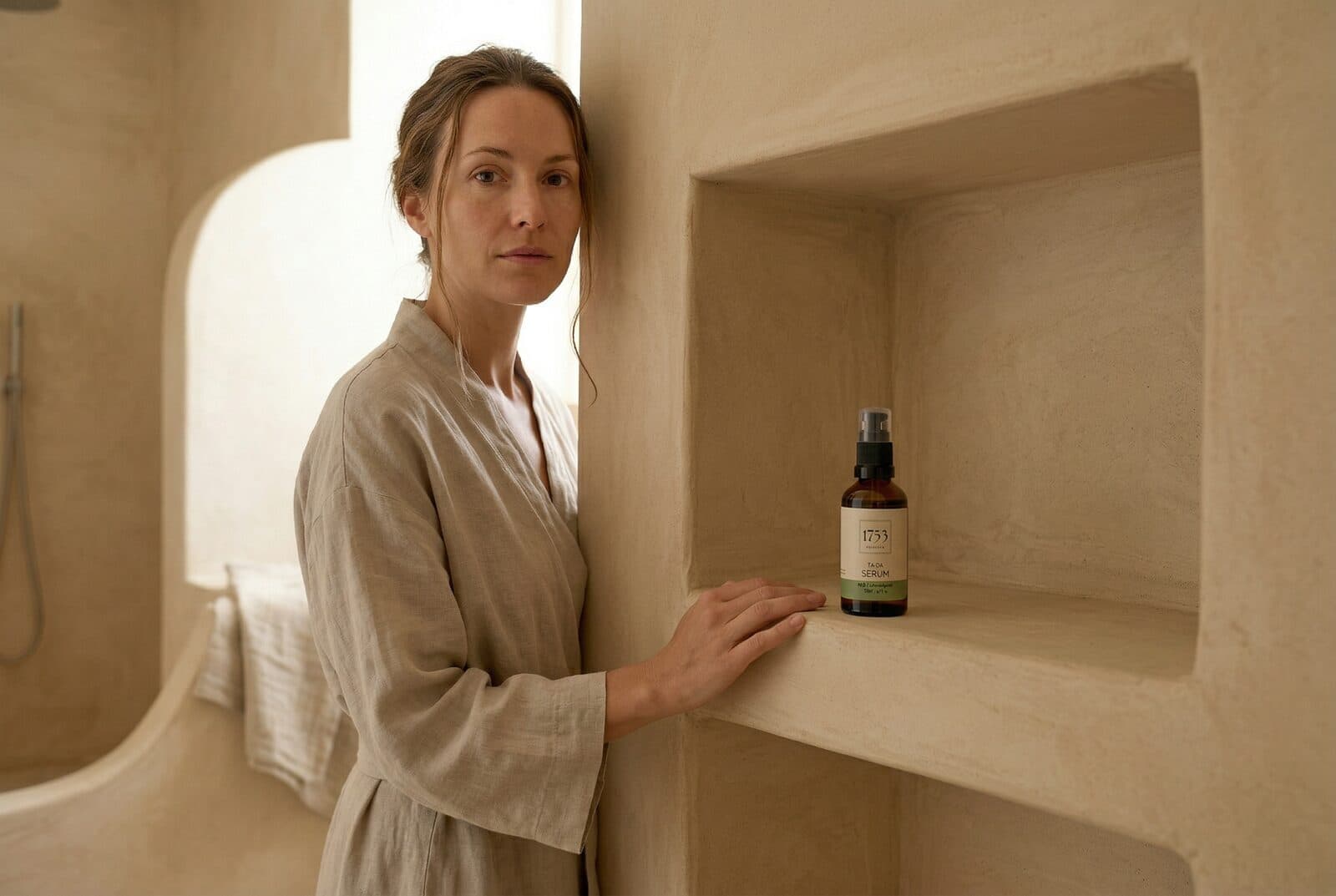
TA-DA Serum
A CBG-powered serum that seals in moisture and adds glow, whatever the season.
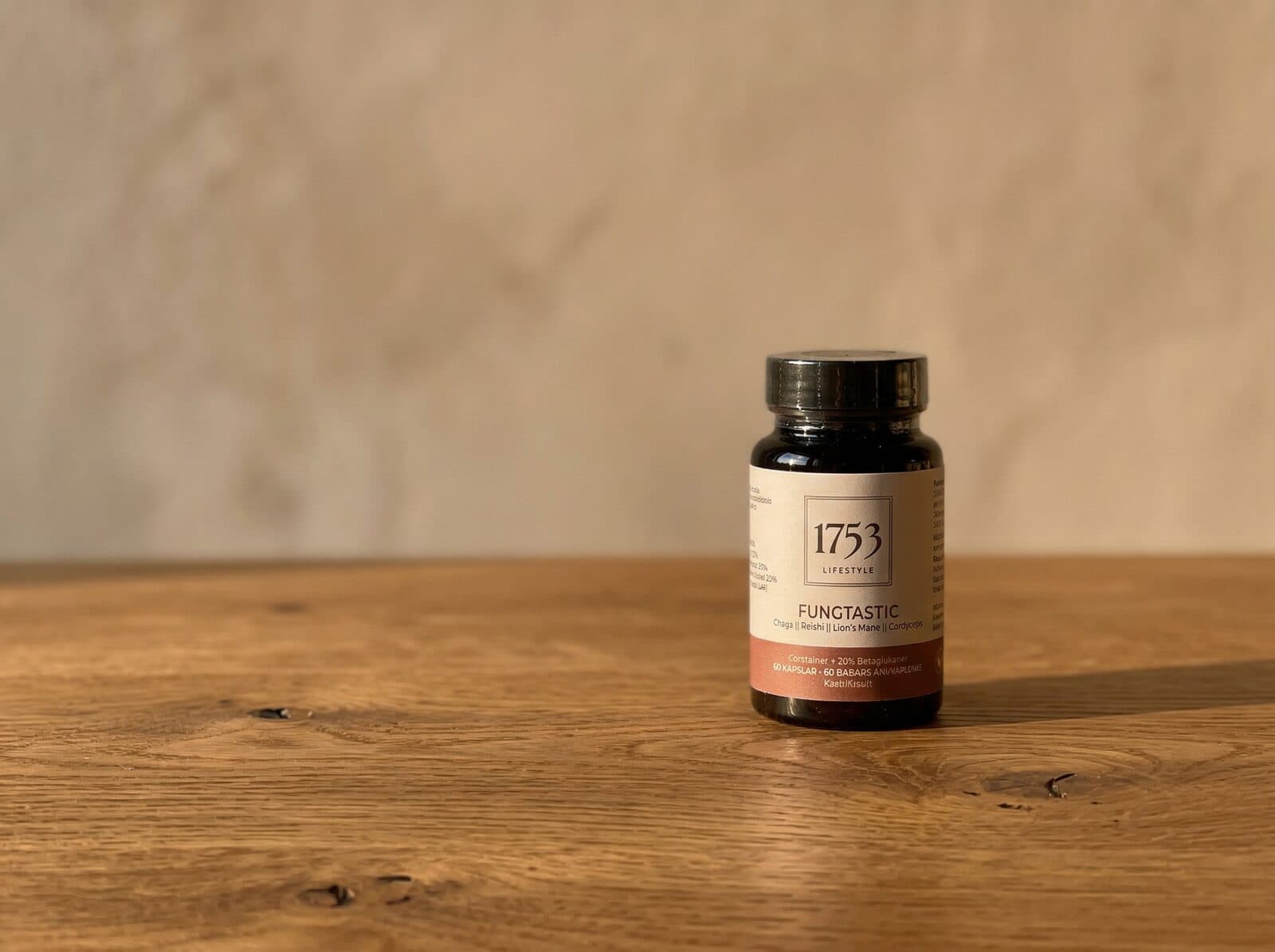
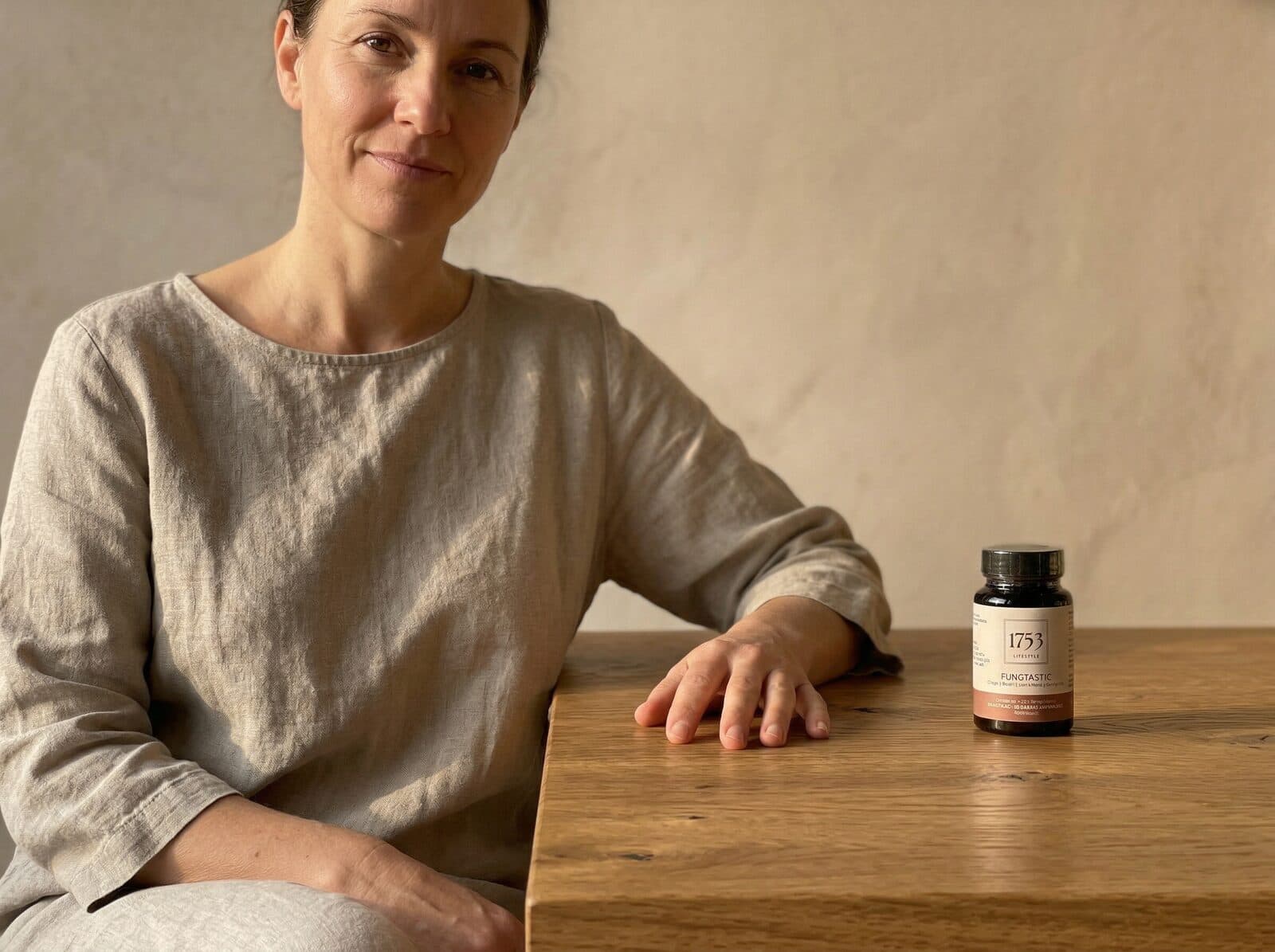
Fungtastic Mushroom Extract
Four mushrooms in one formula to support immunity, focus, energy and sleep from within.
Frequently asked questions
Why does skin get drier during perimenopause?
As estrogen falls, skin loses some of its ability to retain moisture and support collagen. The barrier can weaken, so water escapes faster and the skin feels tight, flaky or irritated.
Can I still get adult acne if my skin is dry?
Yes. Hormonal swings can cause dryness and breakouts at the same time. Perimenopause often makes skin more uneven, especially when the barrier is stressed and inflammation is higher.
Do I need stronger actives now?
Not necessarily. Many skin types do better by cutting back on harsh cleansing, over-exfoliation and too many actives. In perimenopause, consistency, barrier support and hydration often beat aggression.
Can skincare help with wrinkles in this phase?
Skincare cannot stop hormonal change, but it can help skin look and feel more stable. Products that support moisture, calm irritation and strengthen the barrier often make a real difference day to day.
Sources
- Chen Y, Lyga J. Brain-skin connection: stress, inflammation and skin aging. Inflamm Allergy Drug Targets 2014;13(3):177–190.
- Walker MP, van der Helm E. Overnight therapy? The role of sleep in emotional brain processing. Psychol Bull 2009;135(5):731–748.
- Katta R, Desai SP. Diet and Dermatology: The Role of Dietary Intervention in Skin Disease. J Clin Aesthet Dermatol 2014;7(7):46–51.
Article reviewed by Christopher Genberg, founder of 1753 SKINCARE.
Related articles
Lifestyle & Skin
Stress and skin – your body keeps the score
You can have the world's best skincare routine and still wake up with breakouts, dark circles, and d...
Lifestyle & Skin
Sleep and skin – your most important skincare routine happens in bed
No serum in the world can compensate for sleep deprivation. At night, your skin repairs, renews, and...
Lifestyle & Skin
Gut health and skin – it often starts in the gut
Scientists call it the gut-skin axis – a direct communication pathway between your gut flora and you...
Skincare for mature skin
Skincare for mature skin – aging is not a disease to treat
Your skin has lived. It has laughed, cried, seen sun and wind. It doesn't deserve products that trea...
Skincare in your 40s
Skincare in your 40s – your skin needs an upgrade, not a revolution
Your forties are when skin starts telling truths. Collagen declines faster, hormonal changes affect ...
Skincare after 50
Skincare after 50 – your skin has lived a life, give it a good next chapter
After 50, skin has seen it all. Hormones have shifted, collagen has decreased, and skin is thinner a...