
MYTH BUSTING
peg skin – risk or worry?
PEG ingredients often show up in conversations about safe skincare, and it makes sense to want clarity. The real question is usually not PEG itself, but how pure the raw materials are and what the manufacturing process leaves behind. Let’s sort out what actually matters.

Are PEGs in skincare really the issue?
The myth is often simple: if an ingredient contains PEG, it must be suspicious. That’s understandable, since many PEG compounds work as an emulsifier or solubilising aid and are used in everything from creams to cleansers. But their function alone does not tell you the risk level.
The scientific discussion is more about manufacturing. During production, trace amounts of ethylene oxide or 1,4-dioxane can be present as residuals, and that is where concern tends to settle. At the same time, analyses show that levels in finished products vary widely and depend on the maker’s purity standard, not just the ingredient name.
So this is not a black-and-white issue. One PEG-containing product can be tightly controlled, another can be less well purified. That is why it is smarter to look at the full formula rather than react to one word on an INCI list. Stay critical, yes—but be critical of process, not just labels.
How to read a PEG label
Look at the full formula
A PEG ingredient does not tell the whole story. Check what role it plays: emulsifier, cleanser support, or a stability helper in the formula.
Check purity controls
Brands that take purity standards seriously are often transparent about residual testing. That matters more than getting stuck on one ingredient name.
Judge by product type
A makeup remover and a leave-on cream are not the same. One is rinsed off, the other stays on the skin, so the ingredient choice carries different weight.
Read short lists wisely
A shorter ingredient list is not automatically better, but it often means fewer unnecessary extras. That makes it easier to see what is actually there.
Prioritise daily skin reality
If your skin is already stressed by harsh cleansing or too many actives, a simpler formula may be the most pragmatic choice. Less noise, more skin.

How to choose smarter skincare
If you want to avoid unnecessary uncertainty, it often makes sense to choose products with fewer ingredients and a clear purpose. That does not mean everything with PEG is bad; it means you have less to worry about when the formula is direct and thoughtful.
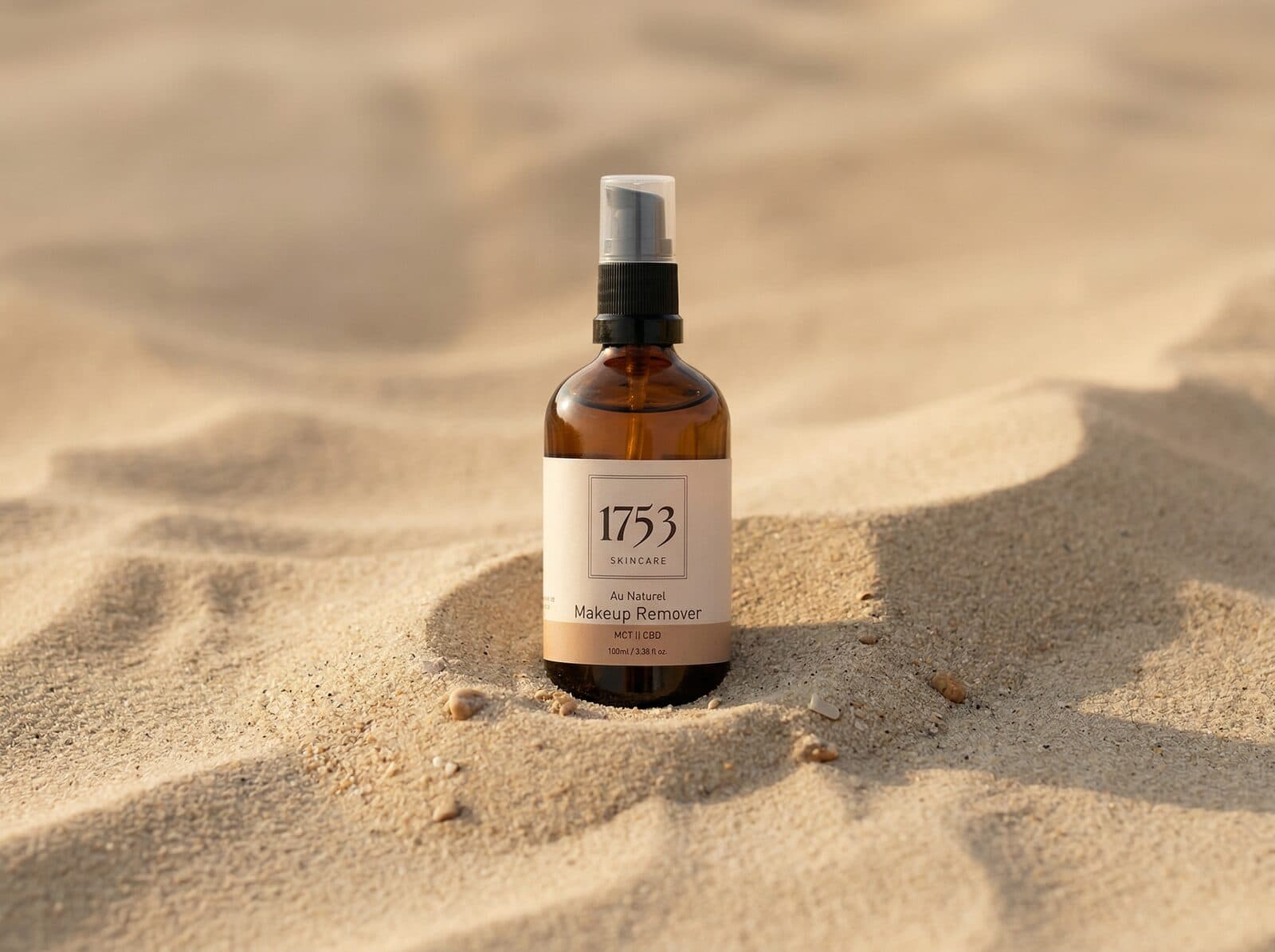
Au Naturel Makeup Remover fits that logic well: a gentle cleanser with MCT oil, without a long list of disputed additives and without unnecessary preservatives. For many skin types, it is a relief to use a cleanser that does only what it needs to do.
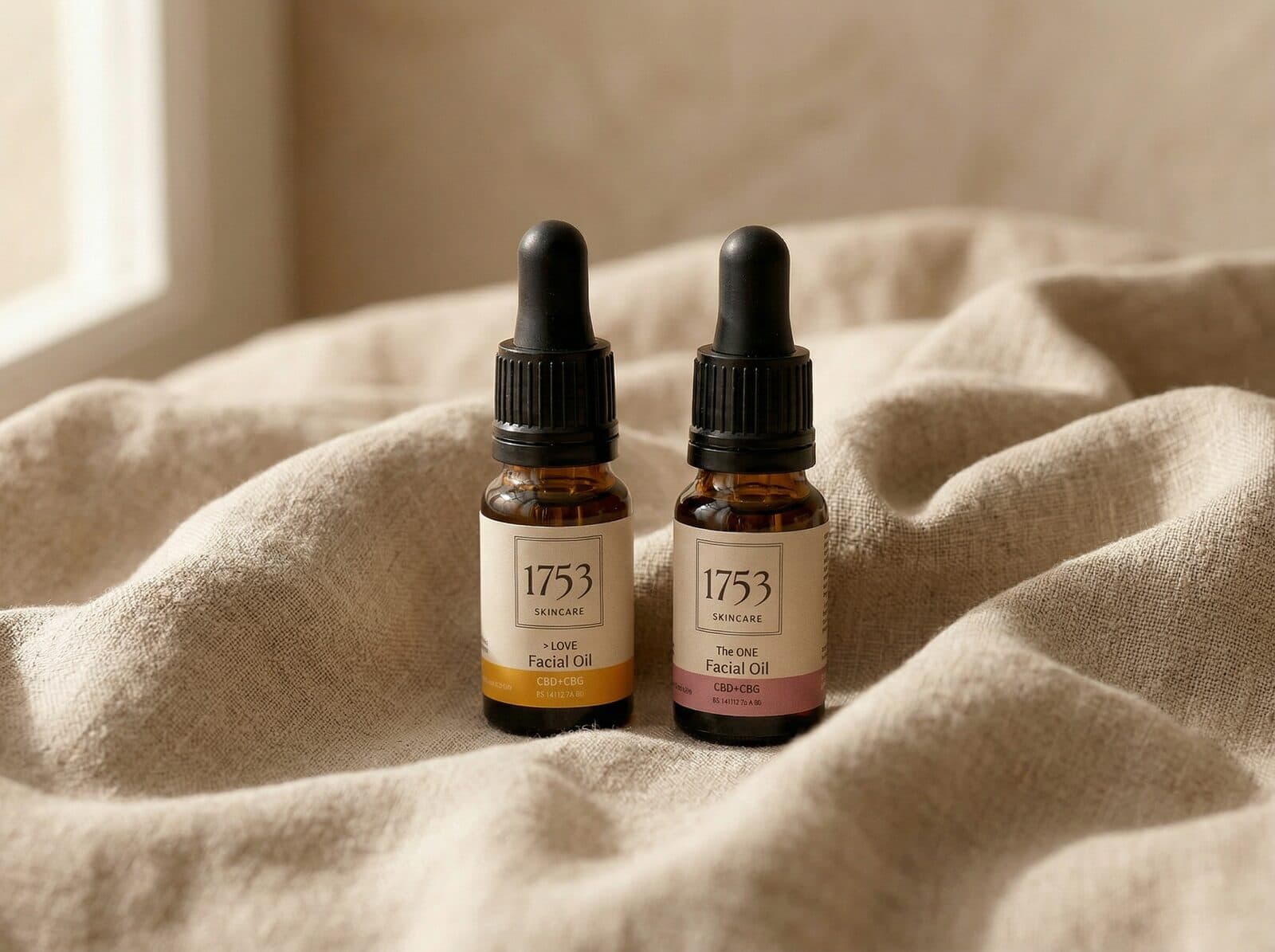
The same thinking runs through the DUO kit with The ONE and I LOVE: shorter ingredient lists, no pointless extras, and a focus on supporting skin instead of overworking it. For us, “free from” is not a marketing stunt—it is a way to keep skincare understandable.
Frequently asked questions
Are PEGs always bad in skincare?
No, not automatically. The concern is mainly about residuals from manufacturing, not that PEG ingredients themselves are always harmful. Purity and product use matter a lot.
What does 1,4-dioxane mean here?
It is an unwanted residual that can appear in certain production processes. That is why purity standards and manufacturing control matter, not just the ingredient name on the label.
Should I avoid all PEG products?
Not necessarily. If you want to be extra cautious, choose products with short ingredient lists and clear quality transparency. That is often the more nuanced approach.
Why does 1753 avoid many disputed ingredients?
To make skincare easier to understand and easier to trust. When a formula has fewer unnecessary ingredients, it is also easier to see what the skin is actually getting.
Sources
- Proksch E, Brandner JM, Jensen JM. The skin: an indispensable barrier. Exp Dermatol 2008;17(12):1063–1072.
- Byrd AL, Belkaid Y, Segre JA. The human skin microbiome. Nat Rev Microbiol 2018;16(3):143–155.
Article reviewed by Christopher Genberg, founder of 1753 SKINCARE.
Related articles
Myth Busting
Are parabens dangerous – or just overblamed?
Parabens have picked up a pretty heavy reputation in skincare conversations. People often hear about...
Myth Bust
Alcohol in skincare – not always the villain
A lot of people learn one simple rule: if they see alcohol on an ingredient list, they should avoid ...
Myth Buster
Sulfates skin – not the villain, not always the fit
Sulfates often get blamed for everything from dryness to breakouts. But the truth is more nuanced: S...
Ingredient Portrait
mct oil skin – light, clean, surprisingly clever
MCT oil is not just another oil sitting on top of your face. It’s fractionated coconut oil built aro...
Ingredient Portrait
Vitamin e skin – the quiet shield
Vitamin E is one of skincare’s most misunderstood ingredients. It doesn’t act like a flashy quick fi...
Ingredient Portrait
aha bha risks – when smooth skin becomes a bad deal
AHA, BHA and PHA can brighten skin fast, but they can also fool you. What looks like progress is som...