
Myth Buster
Fragrance skin – when perfume is more than a scent
A lot of people assume a little perfume in skincare is just about the experience. That can be true for some, but for others fragrance ingredients are a common trigger for irritation and sensitization. The real question is not whether it smells nice, but what the skin has to deal with over time.

Is fragrance in skincare always a problem?
The myth is often that “fragrance-free” automatically means gentle, and that a small amount of scent is harmless. Reality is more nuanced. Certain fragrance compounds, like limonene and linalool, can oxidize when exposed to air and form substances that are more likely to bother sensitive skin barriers.
Sensitization is not the same as an immediate reaction. Skin can tolerate something for a long time and then suddenly start objecting once it has had enough. That is why repeated exposure, especially in leave-on products, matters more than many people think. This is less about drama and more about biology.
That does not mean everyone must live completely scent-free. But if your skin is already stressed, reactive, or simply tired of unnecessary ingredient layers, it is reasonable to ask why perfume should be there at all. A good routine does not need to smell strong to work.
How to lower the risk wisely
Read the INCI list
Look for fragrance, parfum, limonene, or linalool. That tells you what you are dealing with. Pay extra attention to leave-on products that stay on the skin for hours.
Change one thing at a time
Do not swap your whole routine at once. If your skin reacts, it becomes impossible to tell what caused it. Give each new product a few days, not five new ones in one week.
Choose shorter formulas
A short ingredient list is not automatically better, but it often makes life easier for skin and for you. Fewer possible triggers mean fewer guesses when something feels off.
Be extra careful with reactive skin
If you have eczema, rosacea, or skin that stings easily, it is smart to avoid unnecessary fragrance. Skin often needs calmer conditions, not more stimulation.
Store products properly
Fragrance compounds like limonene and linalool become more problematic when products sit open, warm, and for too long. Keep skincare cool and close the lid well.

What actually makes sense
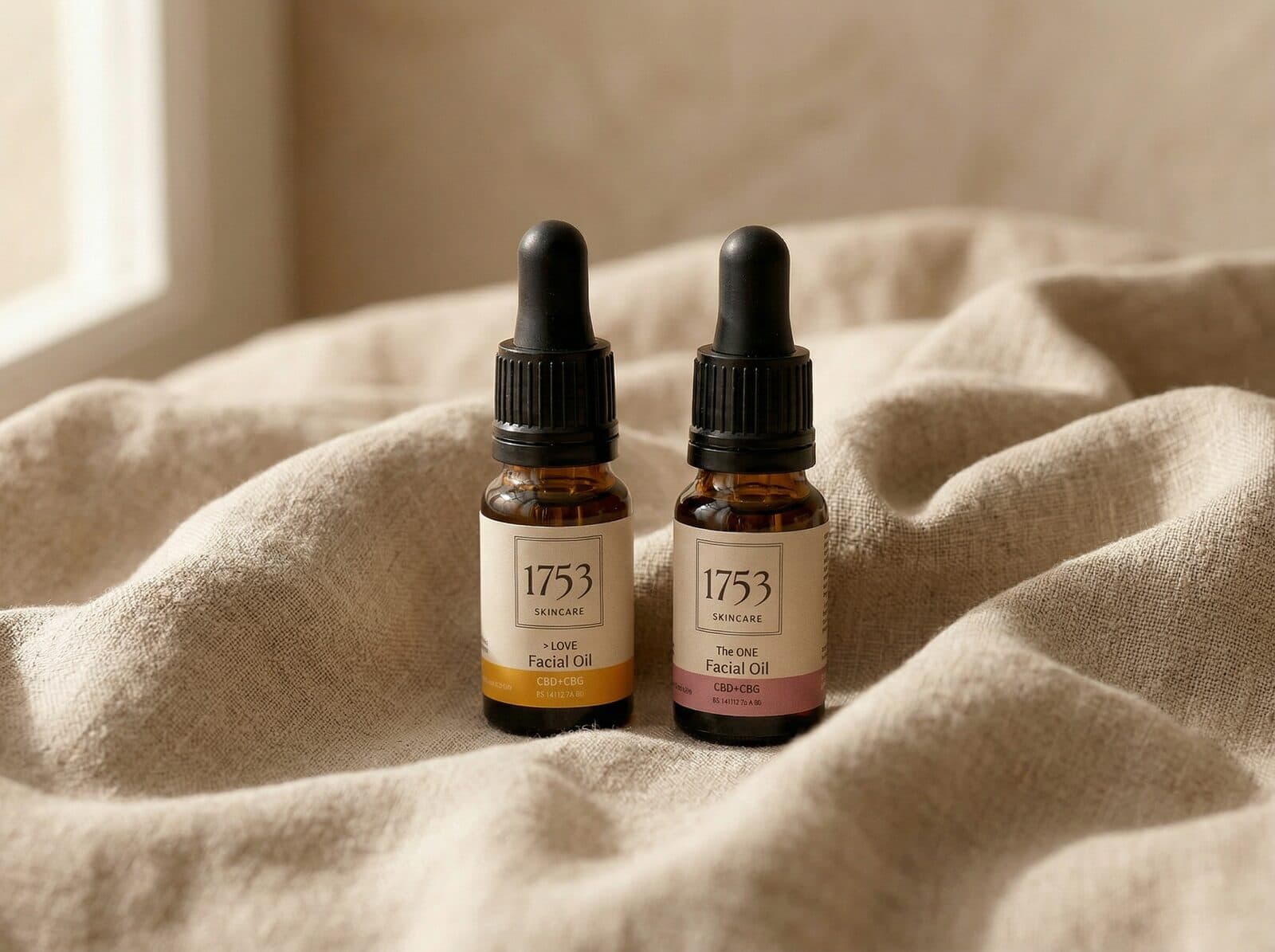
If you want to reduce the risk of unnecessary sensitization, it often makes sense to choose products that do not build their identity around scent. The DUO kit with The ONE and I LOVE is made with a short, thoughtful ingredient list and without extra layers that are mostly there to smell pleasant. It is skincare that lets skin be skin.
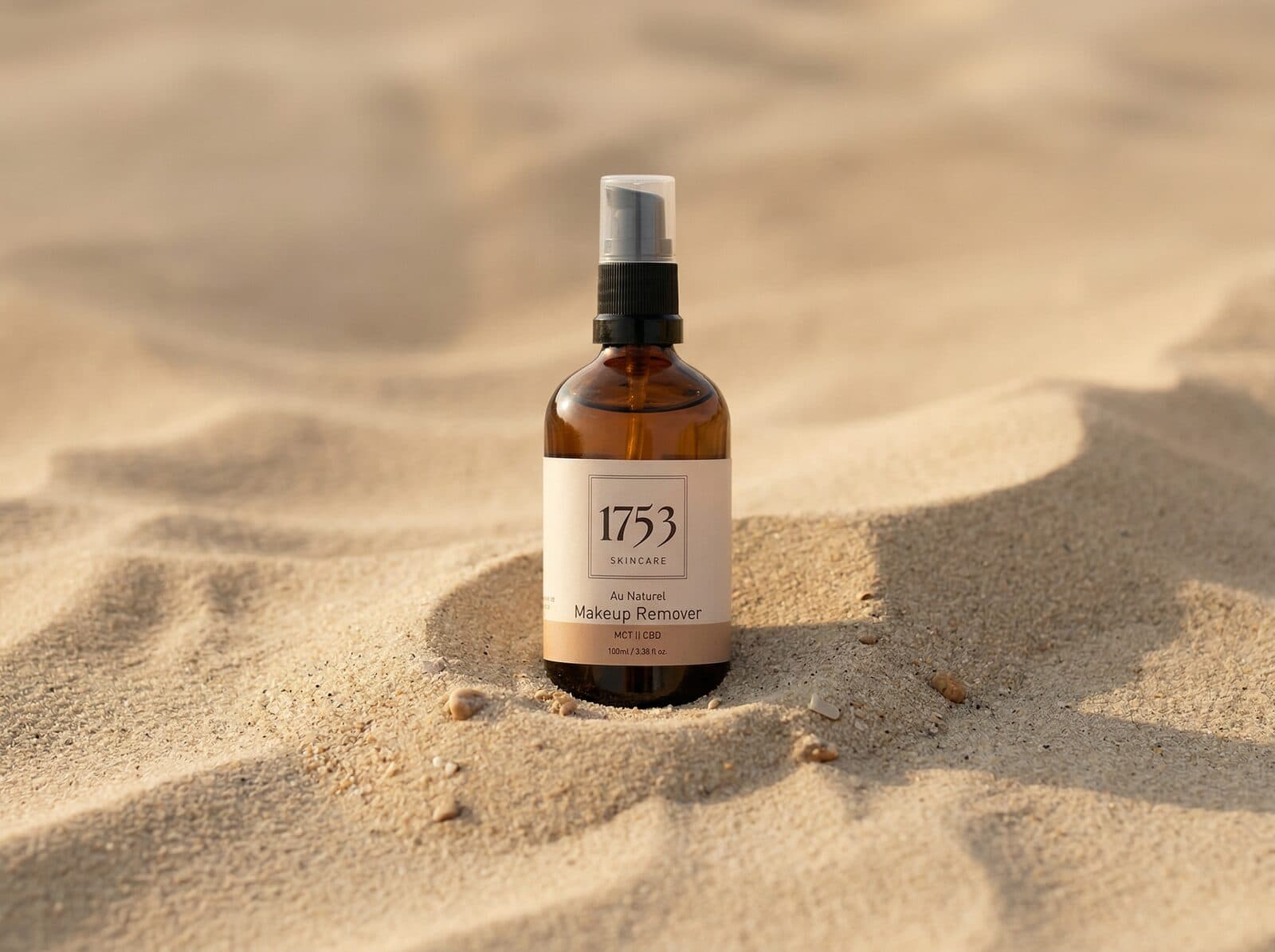
Au Naturel Makeup Remover follows the same logic: MCT oil, gentle cleansing, and a short ingredient list without unnecessary preservatives. For many people, that makes daily cleansing easier when it does not come with a fragrance parade or a long list of possible terpene friends and foes left to oxidize in the bottle.
1753’s view is simple: choose scent if you want it, but make it a choice, not the default. For skin that reacts easily, “fragrance-free” is not a trend label; it is often just common sense. Less noise. Fewer unknowns. More respect for the skin.
Frequently asked questions
Does fragrance-free mean completely odorless?
Not necessarily. A product can be free from added perfume and still have a faint natural smell from its raw ingredients. What matters is that it does not contain intentionally added fragrance compounds like limonene, linalool, or parfum.
Why does skin react more after a while?
That can be sensitization. The skin becomes more sensitive over time, especially with repeated exposure to the same substance. Something that once worked can suddenly start causing irritation.
Are natural fragrances always better?
No, not automatically. “Natural” and “gentle” are not the same thing. Some natural terpenes, including limonene and linalool, are exactly the compounds often discussed in allergy conversations.
What should I choose if my skin is reactive?
Pick products with short ingredient lists and no unnecessary fragrance. The DUO kit and Au Naturel Makeup Remover are good examples of a more stripped-back approach, where skin is not asked to deal with extra drama.
Sources
- Proksch E, Brandner JM, Jensen JM. The skin: an indispensable barrier. Exp Dermatol 2008;17(12):1063–1072.
- Byrd AL, Belkaid Y, Segre JA. The human skin microbiome. Nat Rev Microbiol 2018;16(3):143–155.
Article reviewed by Christopher Genberg, founder of 1753 SKINCARE.
Related articles
Myth Busting
Are parabens dangerous – or just overblamed?
Parabens have picked up a pretty heavy reputation in skincare conversations. People often hear about...
Myth Bust
Alcohol in skincare – not always the villain
A lot of people learn one simple rule: if they see alcohol on an ingredient list, they should avoid ...
Myth Buster
Sulfates skin – not the villain, not always the fit
Sulfates often get blamed for everything from dryness to breakouts. But the truth is more nuanced: S...
Ingredient Portrait
mct oil skin – light, clean, surprisingly clever
MCT oil is not just another oil sitting on top of your face. It’s fractionated coconut oil built aro...
Ingredient Portrait
Vitamin e skin – the quiet shield
Vitamin E is one of skincare’s most misunderstood ingredients. It doesn’t act like a flashy quick fi...
Ingredient Portrait
aha bha risks – when smooth skin becomes a bad deal
AHA, BHA and PHA can brighten skin fast, but they can also fool you. What looks like progress is som...