
Symptom
mask friction rash – when the mask starts a fight
It often starts as tiny red bumps, tenderness, or that odd mix of shine and tightness right where the mask sits. You may wash more, strip less, switch products again and again – and still the skin gets angrier. That makes sense. Friction, heat and trapped moisture can trigger both maskne and microtrauma.

Why does skin flare under a mask?
When a mask sits close to the face, it creates pressure, heat and rubbing. That disrupts the skin barrier, increases water loss and makes the skin more vulnerable to irritation. At the same time, sweat and sebum can mix in the pores – a small sebum-trap where bacteria and inflammation can settle in more easily.
This is not a sign that your skin needs harsher cleansing or more acids. In fact, research consistently shows that over-cleansing and over-exfoliating can make barrier function worse. If the skin is already stressed by friction, piling on actives usually just adds another problem.
So maskne is rarely about being “dirty.” It is a skin environment issue: mechanical irritation, humidity and occlusion working together. And yes, it can happen even if your skin is usually calm – especially if you wear a mask for long stretches, work out, commute or have anything else rubbing the same area.
What to do today
Choose a softer surface
If possible, go for a mask with a gentler inner layer or a silk lining feel against the skin. Less friction means less microtrauma, especially on cheeks and the chin.
Cleanse less, cleanse better
Use a gentle cleanse when you get home, not all day long. Au Naturel Makeup Remover lifts sunscreen and buildup without forcing you to scrub the skin clean.
Give the barrier a break
Pause strong acids and scrubs until the skin settles. Choose simple steps that reduce irritation instead of products that promise to “purge” everything.
Reduce the moisture trap
Change a damp mask and let the skin breathe between wear times. Sweat is not the villain on its own – it is the mix of moisture, friction and confinement that causes trouble.
Support from within
If your skin often acts up when your digestion or immunity feels off too, Fungtastic Mushroom Extract can be a simple internal support. Think whole system, not just surface.

How to actually fix it
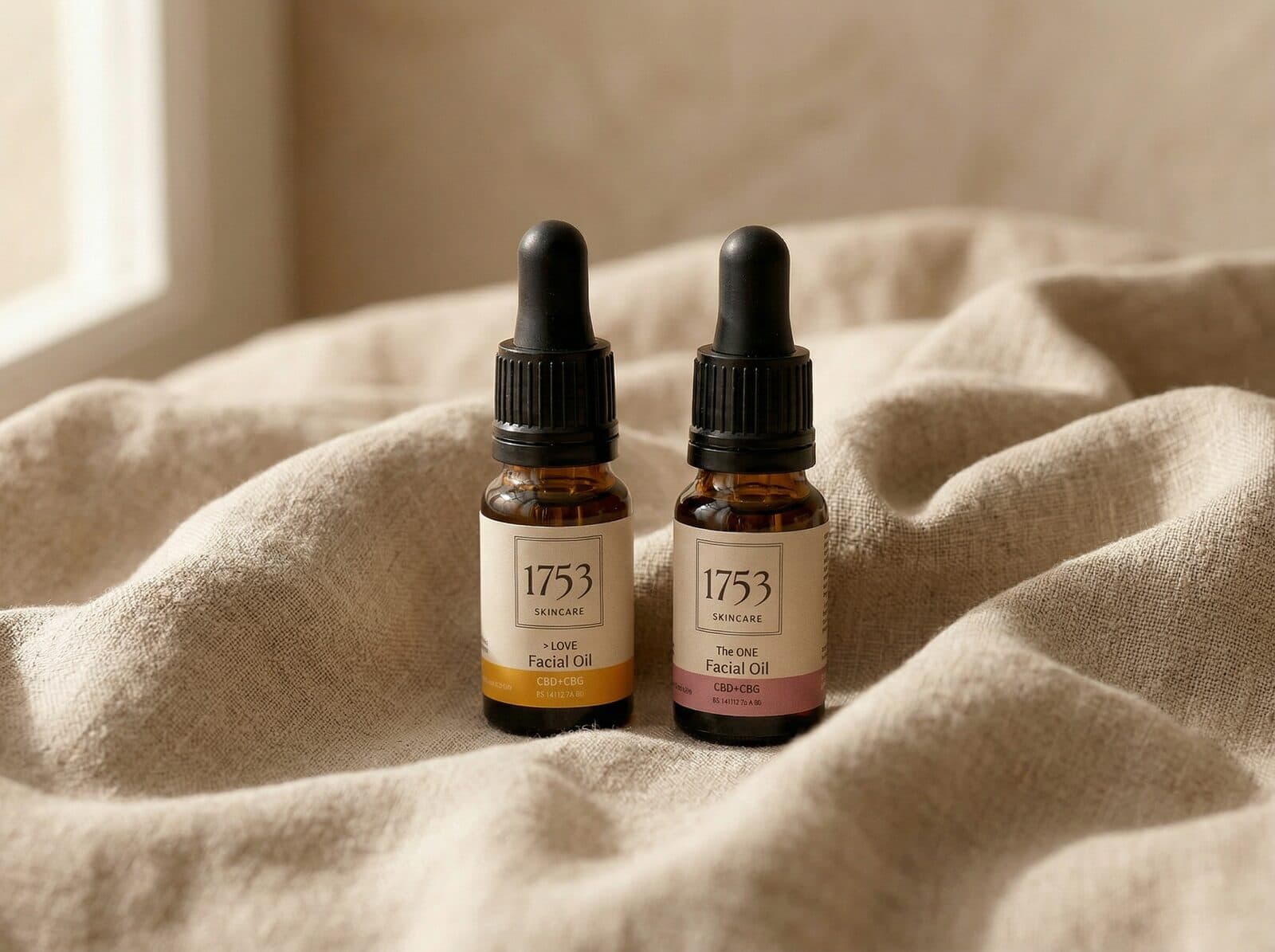
For skin reacting to mask wear, friction and mask friction rash, you need a routine that calms instead of pushes. The DUO kit with The ONE and I LOVE gives the skin a soft cannabinoid-rich signal, helping the surface feel less reactive when the barrier has been stressed.
Then keep cleansing simple. Au Naturel Makeup Remover is a mild MCT oil cleanser that removes the day without making you rub irritation off your face. That low-drama approach is often exactly what irritated skin is asking for after hours of being trapped under a mask.
And if you want to think beyond the cheeks: Fungtastic Mushroom Extract can be a natural support for immunity and gut health, the internal terrain that often shows up on the skin when things are out of balance. Not magic. Just a smarter way to support the system the skin lives in.
Products we recommend
 Save €34
DUO kit
Two face oils, one for morning and one for evening. Simple skincare that works with your skin, not against it.
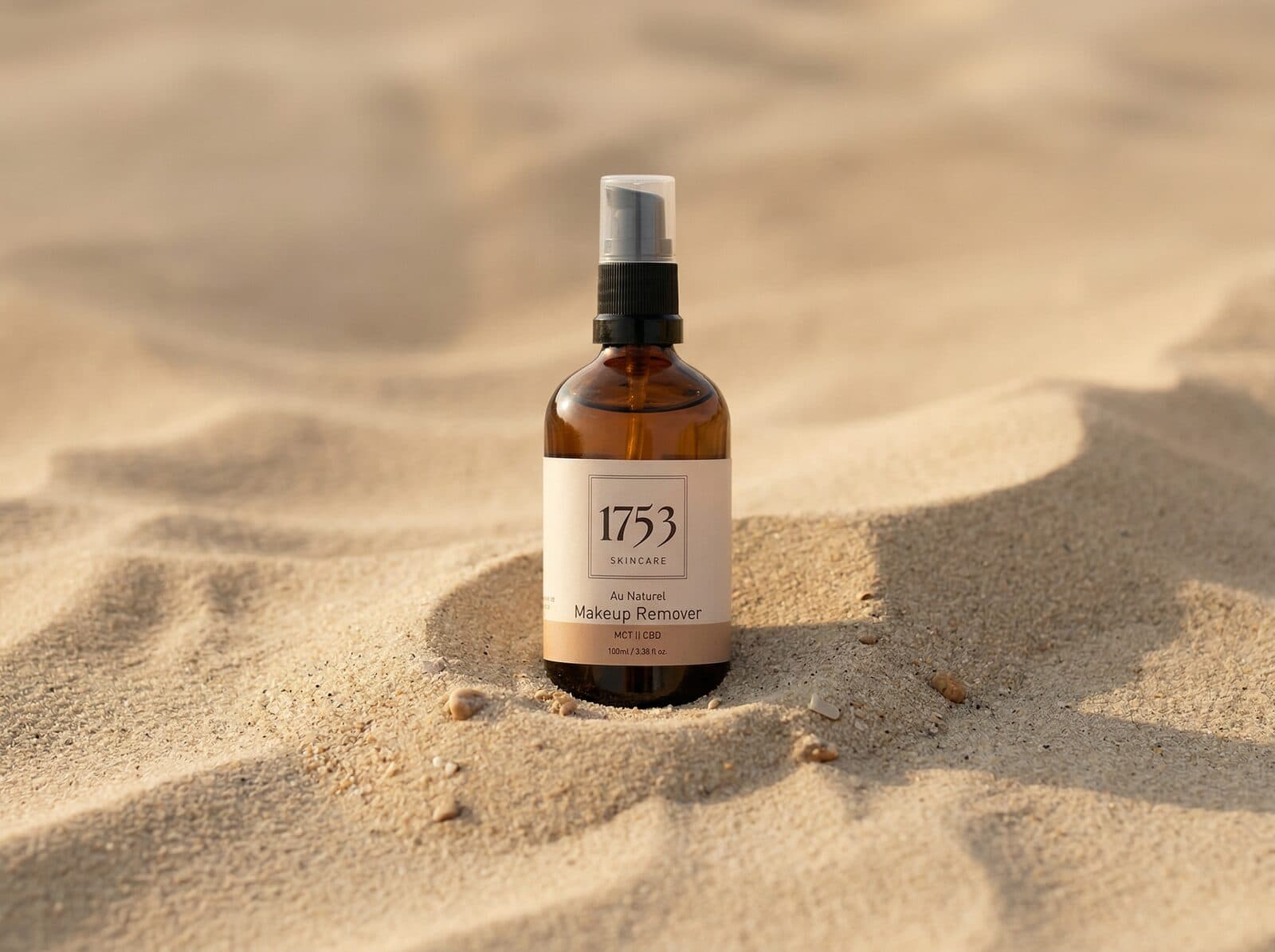
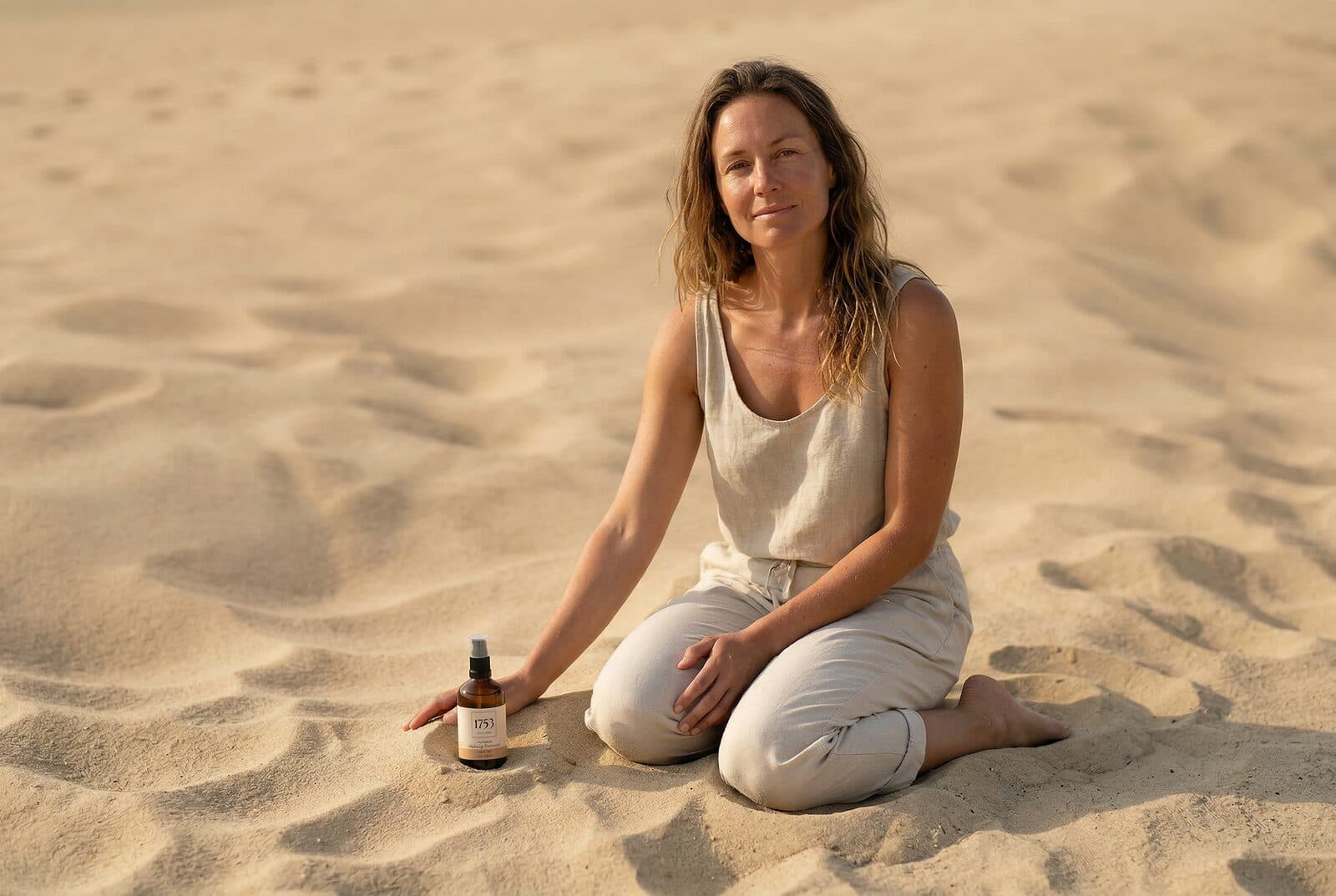
Au Naturel Makeup Remover
A cleansing oil with MCT and CBD that removes makeup and buildup without stripping your skin bare.
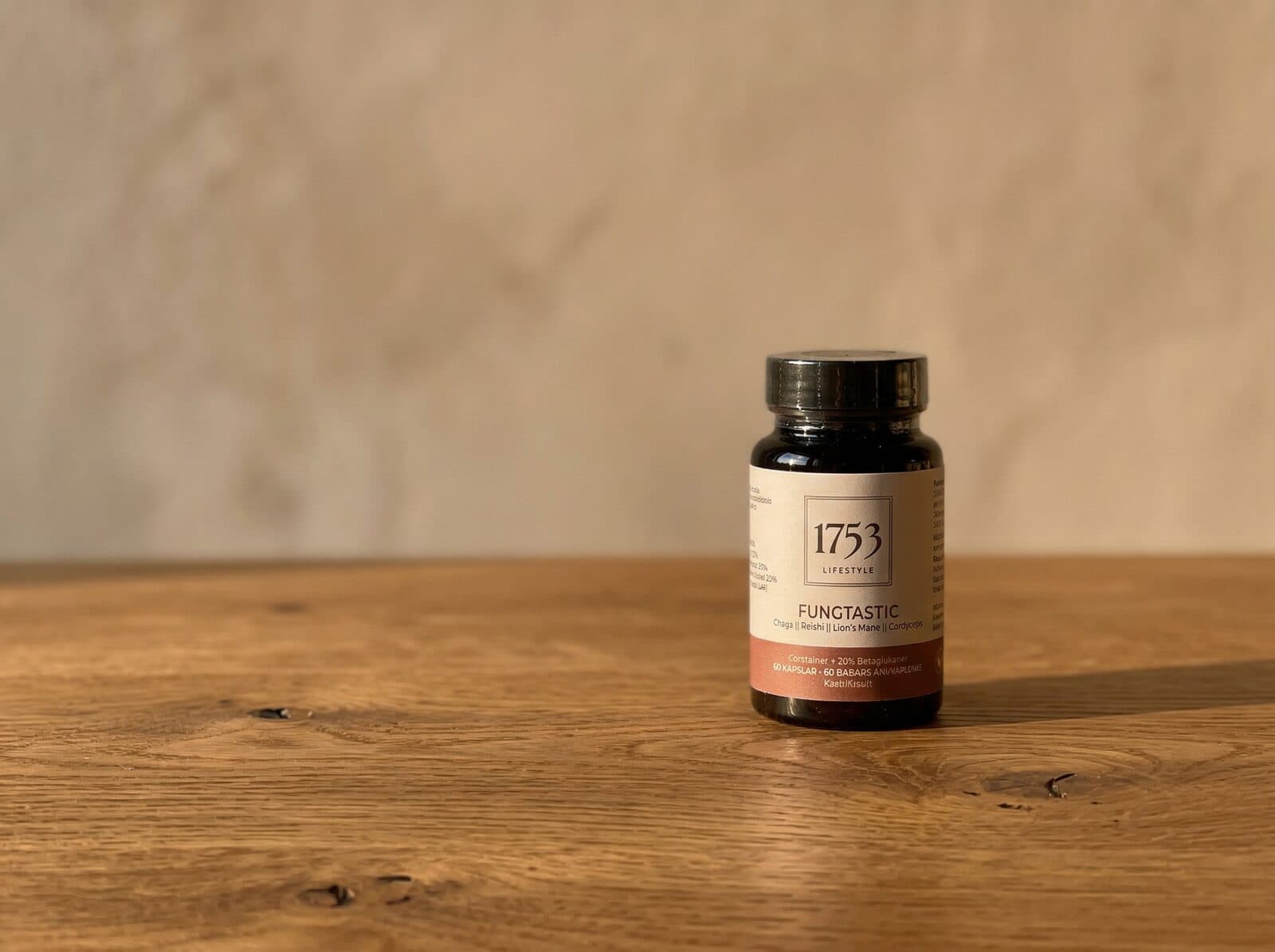

Fungtastic Mushroom Extract
Four mushrooms in one formula to support immunity, focus, energy and sleep from within.
Frequently asked questions
Is maskne the same as regular acne?
Not exactly. Maskne is often driven by friction, moisture and occlusion, while regular acne can have broader causes. The breakouts may look similar, but the mask environment makes the skin more vulnerable and reactive.
Should I use a stronger cleanser?
Usually no. When the skin is already irritated, harsh cleansing can make barrier damage worse. A gentle cleanser and less rubbing are typically the smarter move.
Does silk lining really help?
It can reduce rubbing because a smoother surface creates less mechanical stress on the skin. It will not solve everything, but for many people it is a simple change that helps a lot on cheeks and the bridge of the nose.
When should I see a doctor?
If the rash becomes painful, oozes, spreads quickly or does not improve with a gentle routine, it is wise to seek medical advice. We do not diagnose, but skin that keeps escalating should be checked.
Sources
- Byrd AL, Belkaid Y, Segre JA. The human skin microbiome. Nat Rev Microbiol 2018;16(3):143–155.
- Salem I, Ramser A, Isham N, Ghannoum MA. The Gut Microbiome as a Major Regulator of the Gut-Skin Axis. Front Microbiol 2018;9:1459.
- Chen Y, Lyga J. Brain-skin connection: stress, inflammation and skin aging. Inflamm Allergy Drug Targets 2014;13(3):177–190.
Article reviewed by Christopher Genberg, founder of 1753 SKINCARE.
Related articles
SYMPTOM
Itchy skin – why nights make it worse
You finally lie down, and then it starts. The itch that was manageable all day suddenly takes over y...
Symptom
Flaky skin – when your skin starts shedding
When skin starts lifting in little flakes, it’s tempting to assume it needs a stronger cleanser, ano...
Symptom
Dry skin around mouth – when the skin pushes back
It often starts as tightness, flaking or tiny red patches right around the mouth. Sometimes it sting...
Skin Barrier
Skin microbiome – why balance changes everything
Your skin is not sterile. It’s an ecosystem where trillions of microbes help keep the barrier strong...
Condition
Hormonal acne – why it keeps coming back
Deep breakouts around the chin, jaw and lower face are rarely just “bad skin.” More often, they’re a...
Skin Condition
Seborrheic dermatitis – why skin flakes
Red, flaky, stubborn. Seborrheic dermatitis loves the places where skin is richest in sebum: the T-z...