
Symptom
Dandruff – when your scalp pushes back
You notice white flakes on your shoulders, an itchy scalp, or skin that feels both greasy and irritated. It’s easy to assume you’re just dry, but dandruff can have more than one cause. Let’s sort out what may actually be behind it.

Is it dryness, Malassezia, or something else?
Dandruff is not one simple issue with one simple fix. For some people, it’s a dry, stressed skin barrier shedding fine, powdery flakes. For others, Malassezia globosa is part of the picture — a yeast that naturally lives on the skin and can drive inflammation when the scalp environment suits it.
That’s why the usual “scrub it harder” approach often backfires. Harsh washing, too much exfoliation, or stripping products can weaken the barrier further, making the scalp more reactive and less able to settle down. Dandruff is not always dirt; sometimes it’s skin signaling that it’s under pressure.
Seborrheic dermatitis can also cause dandruff, redness, and itching, especially on the scalp, around the nose, and behind the ears. Anti-fungal ingredients like ketoconazole and zn pyrithione are often used to reduce yeast-related overgrowth, but not every scalp needs that kind of heavy-handed approach. The trick is knowing what you’re actually dealing with before reaching for a routine that fights the wrong battle.
What to do today
Wash gently
Choose a mild cleanser and stop trying to scrub the scalp perfectly clean. Overwashing can worsen both dryness and irritation, especially when the skin is already reactive.
Pause the harsh stuff
Take a break from strong acids, peels, and styling products loaded with alcohol or fragrance. When the barrier gets a calmer environment, flakes and itch often ease with it.
Watch the pattern
Notice whether the flakes are fine and dry or larger, greasy, and paired with redness. That clue helps you tell dryness from yeast-driven dandruff or seborrheic dermatitis.
Reduce your triggers
Stress, poor sleep, and cold weather can all make dandruff worse. Small lifestyle adjustments can change how your scalp behaves over time.
Get checked if needed
If you have strong redness, sores, hair loss, or symptoms that keep escalating, it’s wise to see a clinician. We support skincare; we do not diagnose.

How to actually calm it down
The most sustainable way to handle dandruff is to stop treating the scalp like an enemy. Start by calming the surface and giving the barrier a better chance. Au Naturel Makeup Remover is a gentle MCT-based cleanse that helps lift residue without turning the scalp into a battlefield.
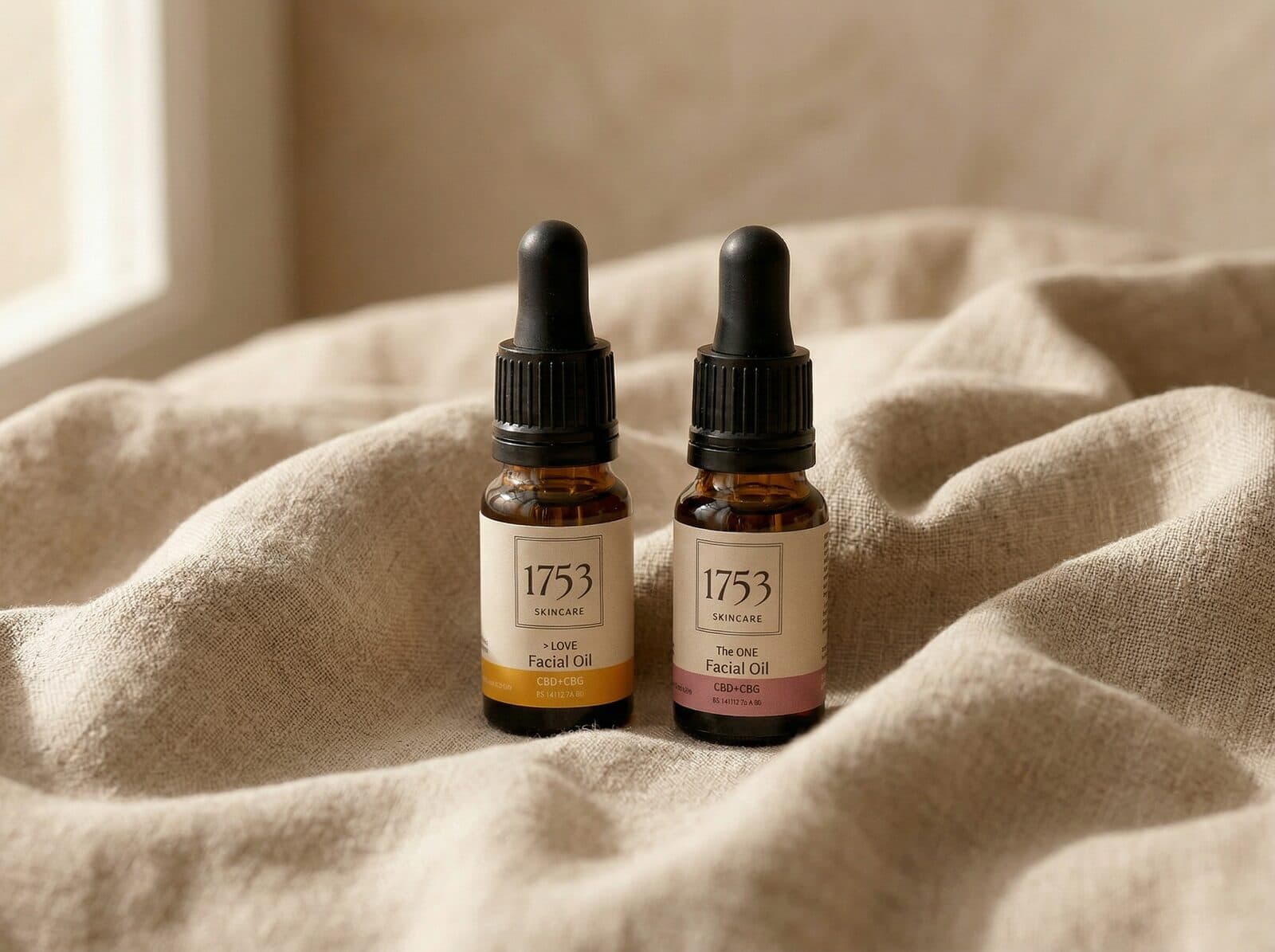
When skin feels tight, reactive, or flaky, The ONE and I LOVE make a lot of sense. The DUO kit combines CBD and CBG to support a more balanced skin environment, which is often exactly what an overworked scalp needs: less stress, less overreaction, more calm. Not aggressive anti-dandruff theatrics — just better skin behavior over time.
If you want to think beyond the surface, Fungtastic Mushroom Extract can support the body from within with chaga, reishi, lion’s mane, and cordyceps for immune and gut support. It’s not a quick fix, and that’s the point. Recurring dandruff usually needs a plan that respects both the barrier and the body behind it.
Products we recommend
 Save €34
DUO kit
Two face oils, one for morning and one for evening. Simple skincare that works with your skin, not against it.
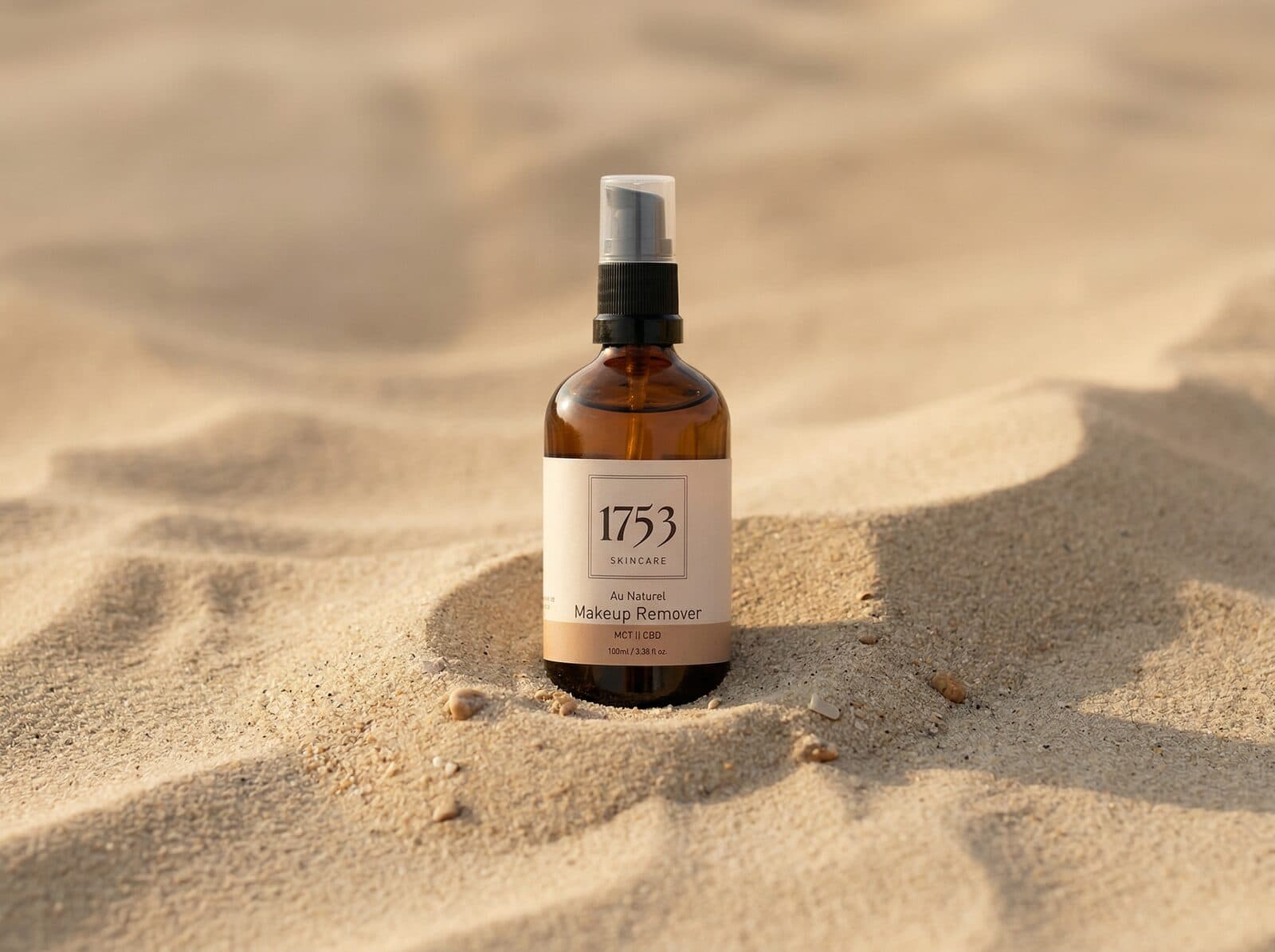
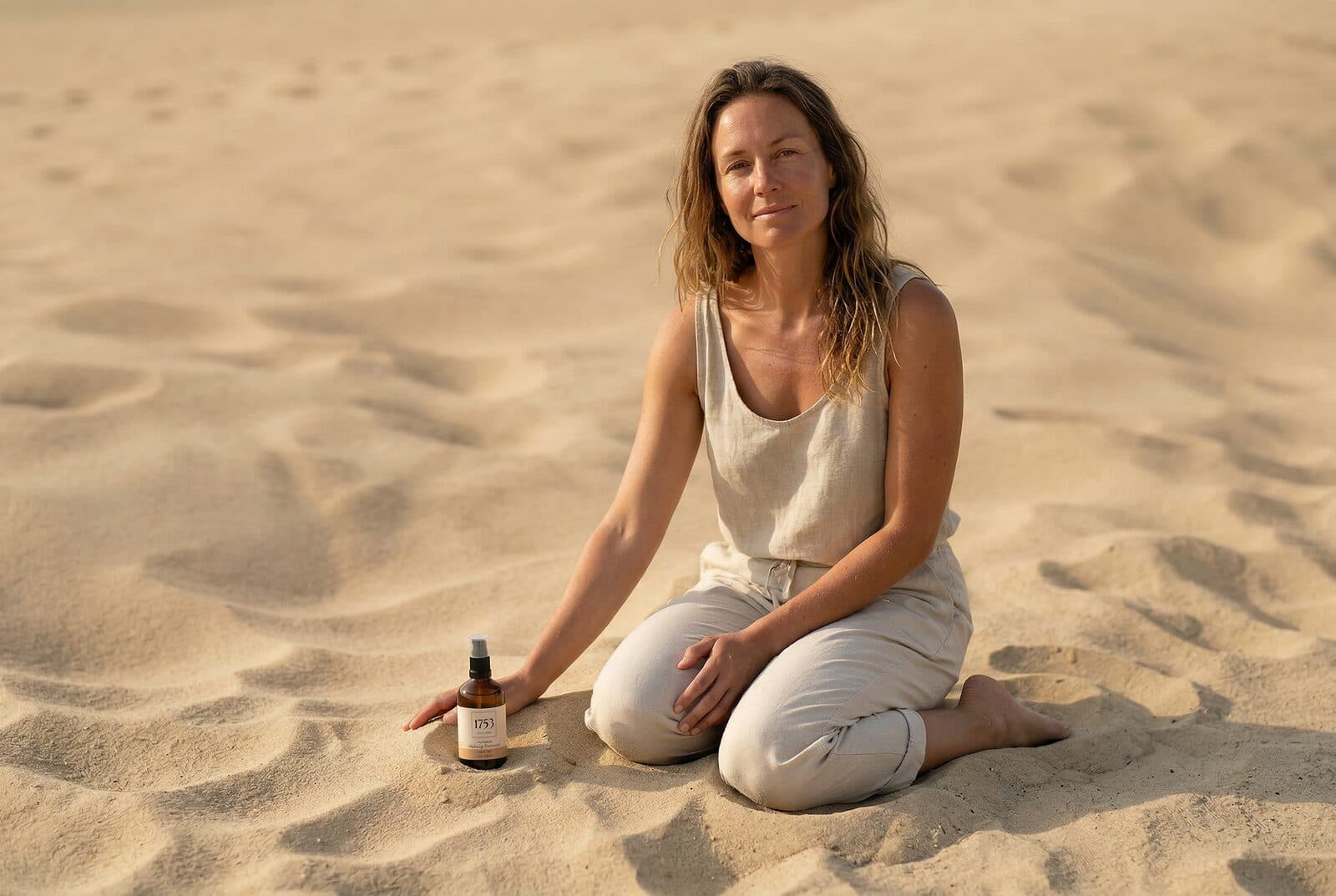
Au Naturel Makeup Remover
A cleansing oil with MCT and CBD that removes makeup and buildup without stripping your skin bare.
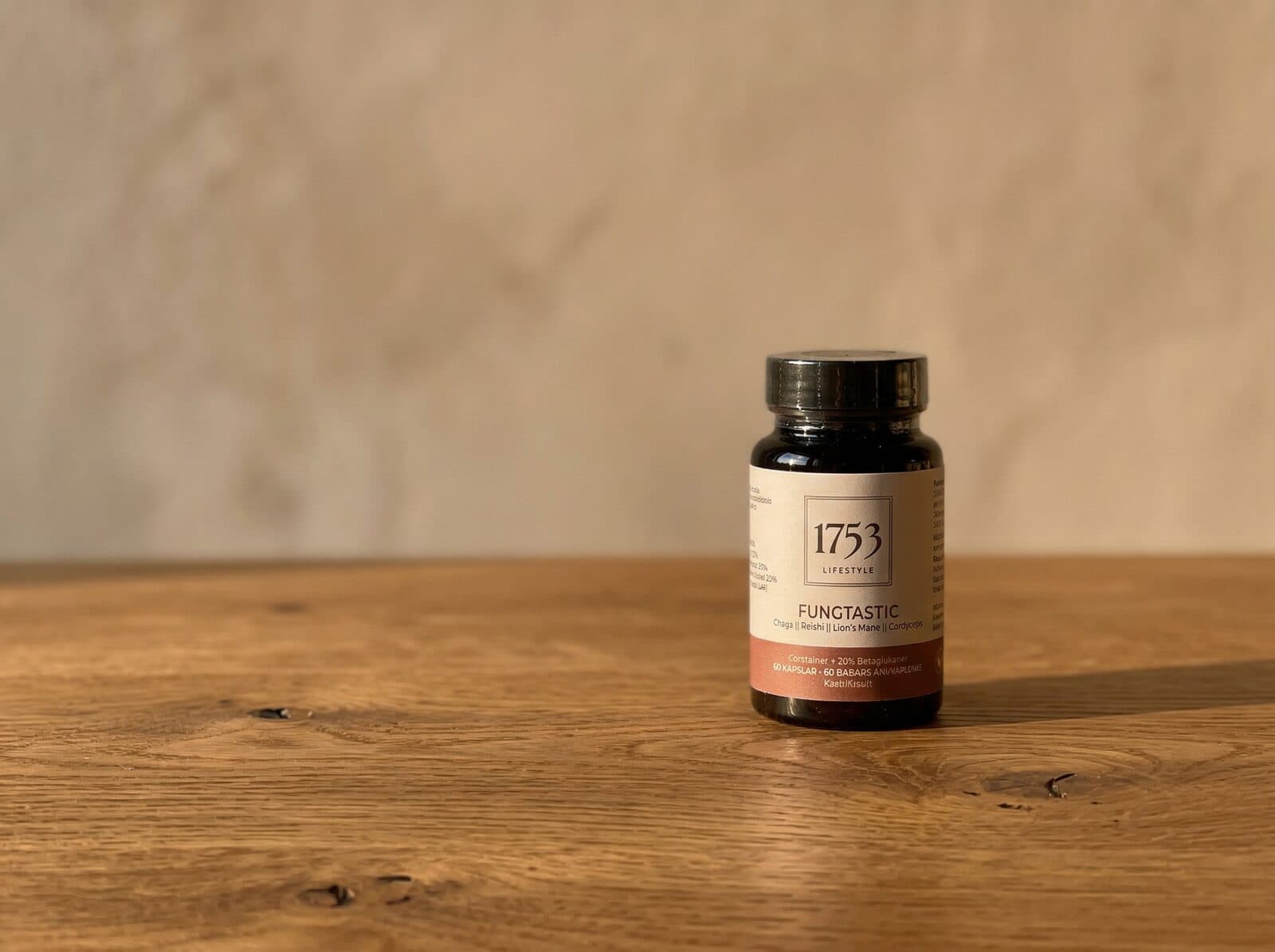
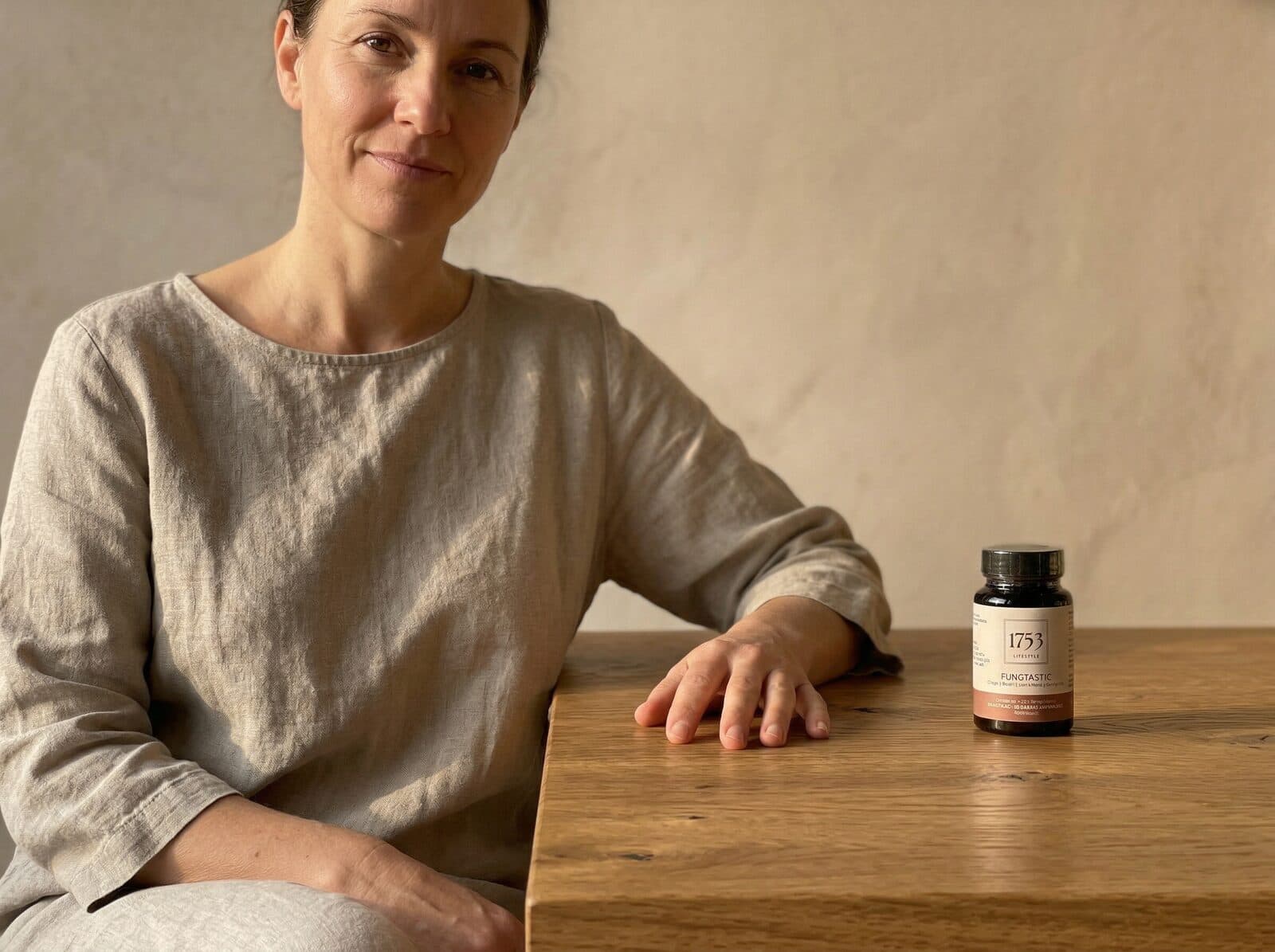
Fungtastic Mushroom Extract
Four mushrooms in one formula to support immunity, focus, energy and sleep from within.
Frequently asked questions
How do I know if it’s dry dandruff or seborrheic dermatitis?
Dry dandruff is often fine, white, and linked to tightness. Seborrheic dermatitis tends to be more yellowish or greasy, with redness and itch. If you’re unsure, or it keeps getting worse, a clinician should take a look.
Do anti-fungal shampoos always work for dandruff?
Not always. If dryness is the main issue, anti-fungal products may be more harsh than helpful. If Malassezia plays a bigger role, they can help, but the treatment should match the type of dandruff.
Are zn pyrithione and ketoconazole the same thing?
No. Both are used to reduce yeast-related scalp issues, but they work differently. The common goal is to address the microbial side of dandruff rather than dry skin barrier damage.
Can skincare really change dandruff?
Yes, especially by lowering irritation and supporting the barrier. Gentle cleansing and calming products can make a real difference, particularly if you tend to over-treat your scalp.
Sources
- Byrd AL, Belkaid Y, Segre JA. The human skin microbiome. Nat Rev Microbiol 2018;16(3):143–155.
- Salem I, Ramser A, Isham N, Ghannoum MA. The Gut Microbiome as a Major Regulator of the Gut-Skin Axis. Front Microbiol 2018;9:1459.
- Chen Y, Lyga J. Brain-skin connection: stress, inflammation and skin aging. Inflamm Allergy Drug Targets 2014;13(3):177–190.
Article reviewed by Christopher Genberg, founder of 1753 SKINCARE.
Related articles
SYMPTOM
Itchy skin – why nights make it worse
You finally lie down, and then it starts. The itch that was manageable all day suddenly takes over y...
Symptom
Flaky skin – when your skin starts shedding
When skin starts lifting in little flakes, it’s tempting to assume it needs a stronger cleanser, ano...
Symptom
Dry skin around mouth – when the skin pushes back
It often starts as tightness, flaking or tiny red patches right around the mouth. Sometimes it sting...
Skin Barrier
Skin microbiome – why balance changes everything
Your skin is not sterile. It’s an ecosystem where trillions of microbes help keep the barrier strong...
Condition
Hormonal acne – why it keeps coming back
Deep breakouts around the chin, jaw and lower face are rarely just “bad skin.” More often, they’re a...
Skin Condition
Seborrheic dermatitis – why skin flakes
Red, flaky, stubborn. Seborrheic dermatitis loves the places where skin is richest in sebum: the T-z...