
MYTH BUSTING
Mineral oil skin – petroleum on your face, or just calm moisture?
Mineral oil often gets framed as heavy, cheap, and a little suspicious. Yet it’s one of the most studied and most inert ingredients in skincare. The real question isn’t whether it sounds glamorous – it’s what your skin actually does with it.

Is mineral oil skin really the issue?
The myth that mineral oil “clogs” skin usually comes from a simplified idea of how skin works. Mineral oil and petrolatum mainly sit on top of the skin as a protective film and reduce transepidermal water loss. That helps moisture stay put, especially when the barrier is stressed.
The best evidence points to refined mineral oil being inert – chemically stable and unlikely to react with skin. That’s exactly why medical-grade petrolatum is used in ointments and barrier creams. The comedogenic myth is more complicated than a clean yes or no, because breakouts also depend on the formula, the amount used, and your own skin.
That doesn’t mean mineral oil suits everyone in every context. Some people prefer a lighter feel, others want an oil with more skin-signalling components. But dismissing it as “petroleum on your face” misses the point: for many skins, the benefit is less friction, less dryness, and more calm.
How to think smarter
Check the feel
Try it on clean, slightly damp skin instead of deciding from internet lore. If your skin feels softer and less tight after a few minutes, that matters more than the label drama.
Read the INCI
Short ingredient lists make it easier to understand what a product actually does. That’s especially useful if you want to avoid unnecessary preservatives and overbuilt formulas.
Think barrier, not trend
If your skin is dry, sensitive, or easily irritated, barrier support is often smarter than harsh exfoliation. Mineral oil can act like a simple seal that reduces water loss.
Look at the whole formula
Comedogenicity isn’t just one ingredient on paper. The way a product is formulated, how much you use, and what you layer it with matter more than many people think.
Choose for real life
If you just want to remove makeup and set the stage for calmer skin, a gentle cleanser is usually more relevant than an “active” formula that promises too much and irritates too fast.

What actually works in practice
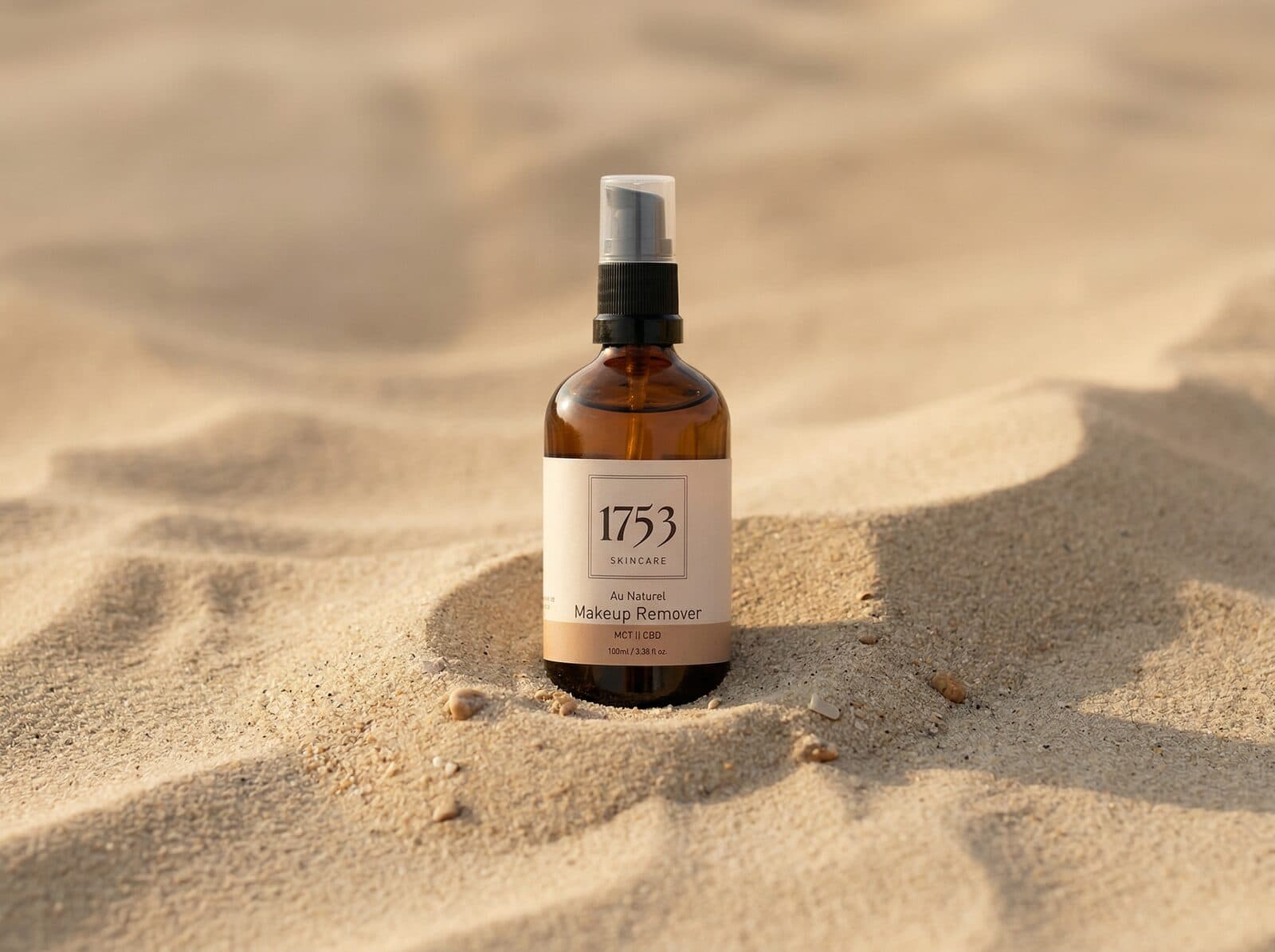
If you want something simple, honest, and easy to live with, 1753 keeps it pretty straightforward. Au Naturel Makeup Remover uses MCT oil for gentle cleansing, without the kind of unnecessary extras that make a cleanser more complicated than it needs to be.
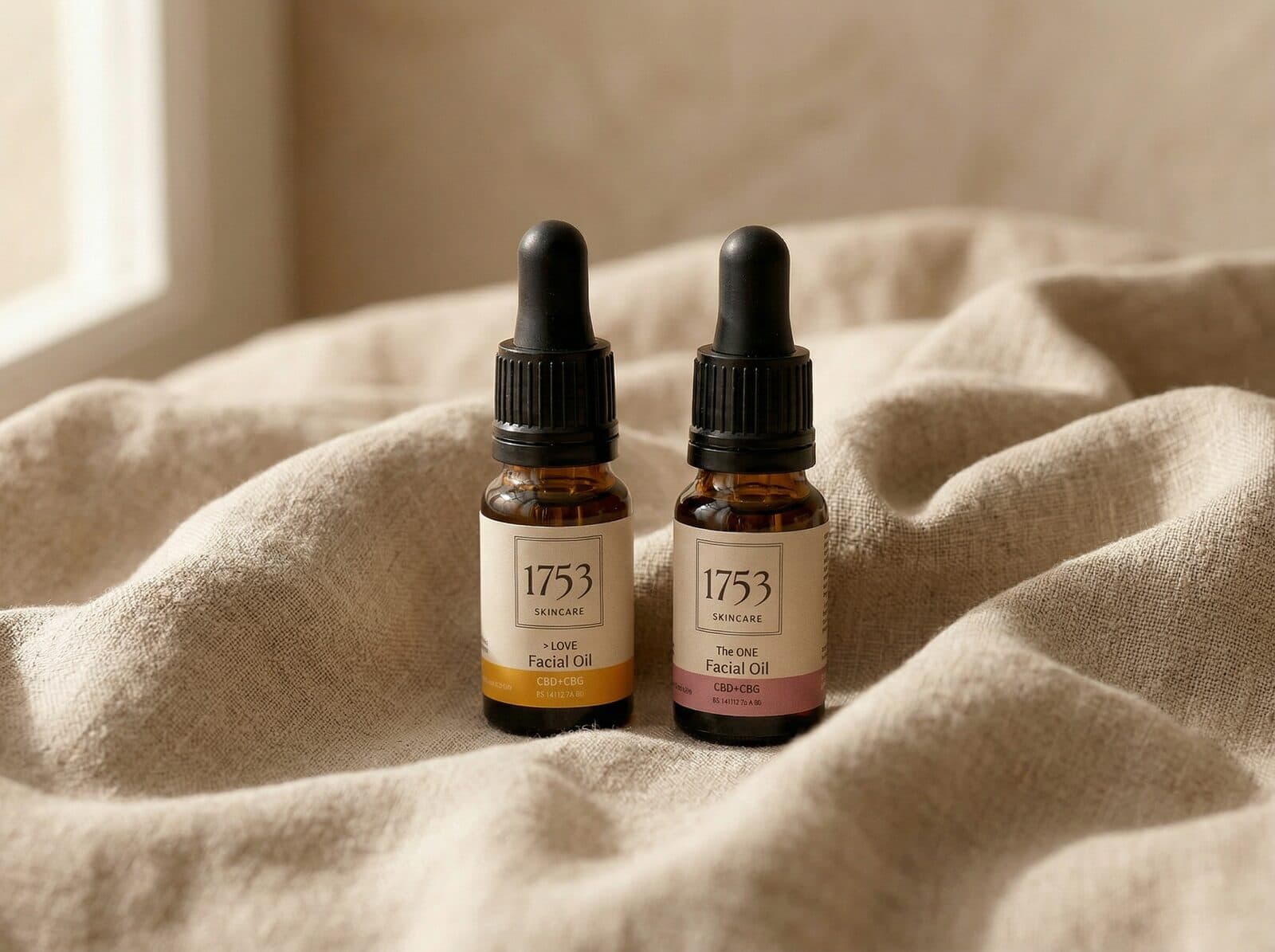
For moisture and balance, The ONE is the clear move: CBD + MCT in a skin-regulating face oil that works with skin, not against it. If your skin needs a calmer step, I LOVE, our CBG serum, fits well when things feel stressed, red, or reactive.
And if you want to think beyond a single ingredient, DUO kit is our simple path to a full cannabinoid-spectrum routine. Short ingredient list, no unnecessary preservatives, no cosmetic theatre – just products that let skin be less bothered.
Frequently asked questions
Is mineral oil comedogenic?
Not automatically. The comedogenic myth assumes one ingredient behaves the same on every face, but skin is more complex than that. Mineral oil and petrolatum are often low-reactivity choices, and many people tolerate them very well.
What’s the difference between mineral oil and petrolatum?
Mineral oil is a refined oil, while petrolatum is a more wax-like occlusive blend. Both are stable and used to reduce moisture loss, but petrolatum is often even more effective as a barrier protector.
Can mineral oil oxidize on skin?
That’s one of its strengths: it’s very inert and generally doesn’t oxidize the way many plant oils can. That’s why people who want a stable, simple ingredient often like it.
Is mineral oil better than natural oils?
It depends on the goal. Mineral oil is often more stable and less reactive, while some plant oils offer extra cosmetic benefits but also more variability. For sensitive or stressed skin, simplicity can be an advantage.
Sources
- Proksch E, Brandner JM, Jensen JM. The skin: an indispensable barrier. Exp Dermatol 2008;17(12):1063–1072.
- Byrd AL, Belkaid Y, Segre JA. The human skin microbiome. Nat Rev Microbiol 2018;16(3):143–155.
Article reviewed by Christopher Genberg, founder of 1753 SKINCARE.
Related articles
Myth Busting
Are parabens dangerous – or just overblamed?
Parabens have picked up a pretty heavy reputation in skincare conversations. People often hear about...
Myth Bust
Alcohol in skincare – not always the villain
A lot of people learn one simple rule: if they see alcohol on an ingredient list, they should avoid ...
Myth Buster
Sulfates skin – not the villain, not always the fit
Sulfates often get blamed for everything from dryness to breakouts. But the truth is more nuanced: S...
Ingredient Portrait
mct oil skin – light, clean, surprisingly clever
MCT oil is not just another oil sitting on top of your face. It’s fractionated coconut oil built aro...
Ingredient Portrait
Vitamin e skin – the quiet shield
Vitamin E is one of skincare’s most misunderstood ingredients. It doesn’t act like a flashy quick fi...
Ingredient Portrait
aha bha risks – when smooth skin becomes a bad deal
AHA, BHA and PHA can brighten skin fast, but they can also fool you. What looks like progress is som...