
Skin Symptom
Milia white bumps – tiny dots that refuse to move
You spot them in the mirror and think: why won’t they go away? Milia white bumps are tiny, firm bumps that often show up around the eyes and feel maddening precisely because they can’t be squeezed out like a regular pimple. This is not about dirt. It’s about keratin getting trapped beneath the surface.

Why can’t milia white bumps be squeezed out?
Milia are small epidermal cysts filled with keratin, not oil plugs like acne. That’s why they often sit beneath a thin layer of skin, especially around the eyes where the skin is thinnest and most delicate. If you try to squeeze them yourself, you usually just irritate the area more.
They can form when the skin’s natural shedding slows down, after friction, sun damage, overuse of acids, or too much aggressive cleansing. For some people they show up in a juvenile skin pattern, for others after the barrier has been stressed by over-treatment. Mainstream skincare loves to shout “exfoliate more,” but milia often mean the skin needs less force, not more.
There is no reliable at-home treatment that will empty them. A dermatologist may, if needed, use a tiny sterile dermatologist needle to open the cyst properly. If you’re unsure, if the bumps spread quickly, or if the area becomes red, sore, or inflamed, it’s smart to get it checked.
What to do today
Leave them alone
Don’t pick, press, or try to pop milia at home. That only raises the risk of redness, tiny scars, and more irritation around the eyes.
Cleanse gently
Choose a soft cleanser without harsh friction. Au Naturel Makeup Remover with MCT oil lifts makeup and grime without scraping the thin skin around the eyes.
Ease off acids
If you’re using strong acids or too many actives, take a break. Milia often show up when the barrier is pushed too hard, too often.
Keep the eye area light
Avoid heavy products too close to the lash line if you’re prone to white bumps there. Think light layers, not thick occlusion.
Get it assessed
If the bumps linger or you’re not sure they’re milia, book a dermatologist. A proper look saves time and prevents unnecessary irritation.

How to actually deal with it
The long game is not a fight against your skin. It’s creating conditions where it can settle down. Start with a simple, low-drama routine: Au Naturel Makeup Remover for gentle cleansing, so you’re not rubbing the thin skin around the eyes raw every night.
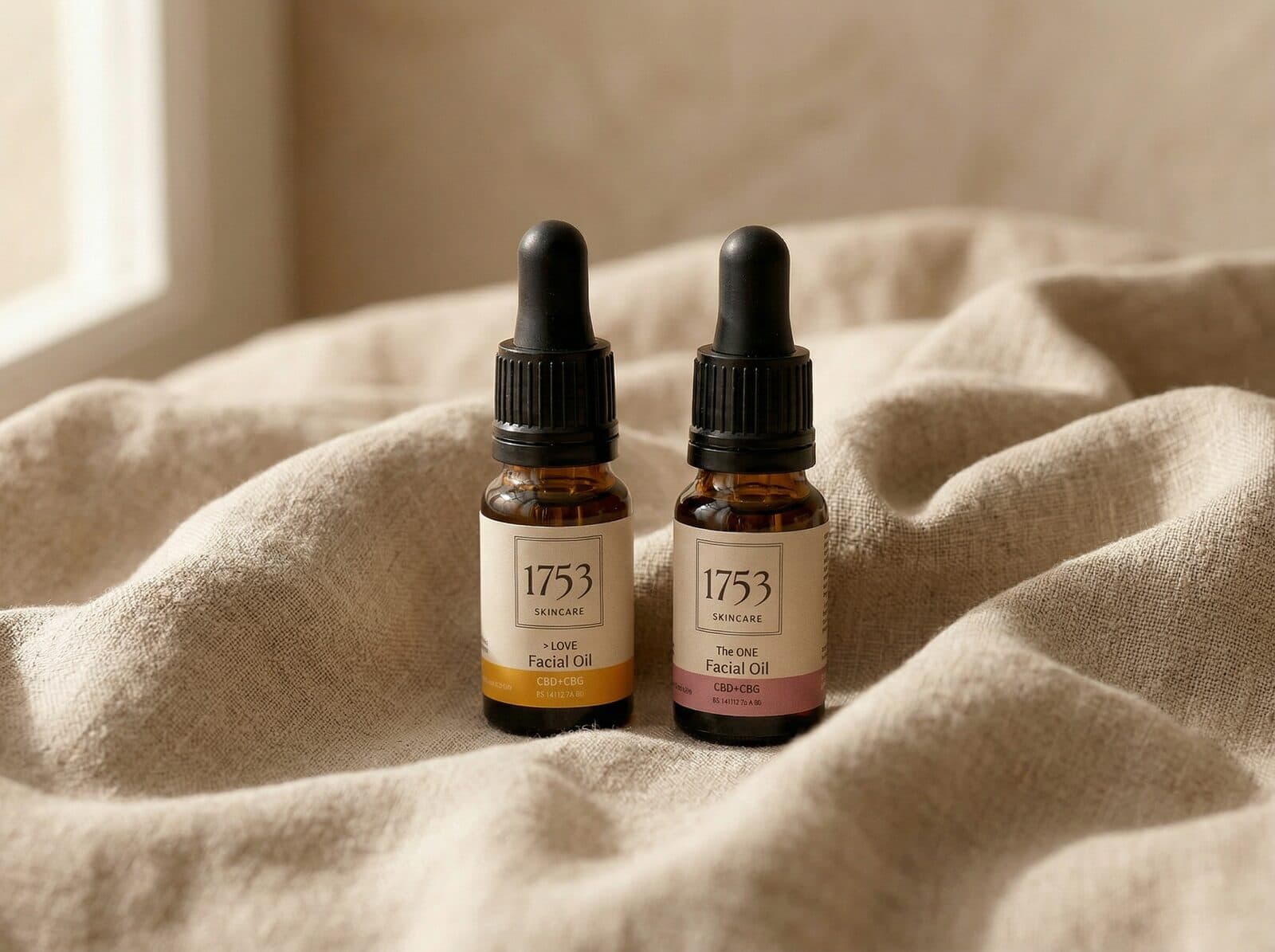
If your skin is reactive or easily stressed, the DUO kit is a more sensible move than another harsh “treatment.” The ONE and I LOVE work together to calm the surface and support balance, instead of attacking every bump with more friction and more actives.
And because skin never lives in a vacuum, you can also support the bigger picture from within with Fungtastic Mushroom Extract. It’s an oral supplement with chaga, reishi, lion’s mane, and cordyceps for people who want to support immunity and gut health as part of the whole routine. Not magic. Just a less frantic way to care for skin over time.
Products we recommend
 Save €34
DUO kit
Two face oils, one for morning and one for evening. Simple skincare that works with your skin, not against it.
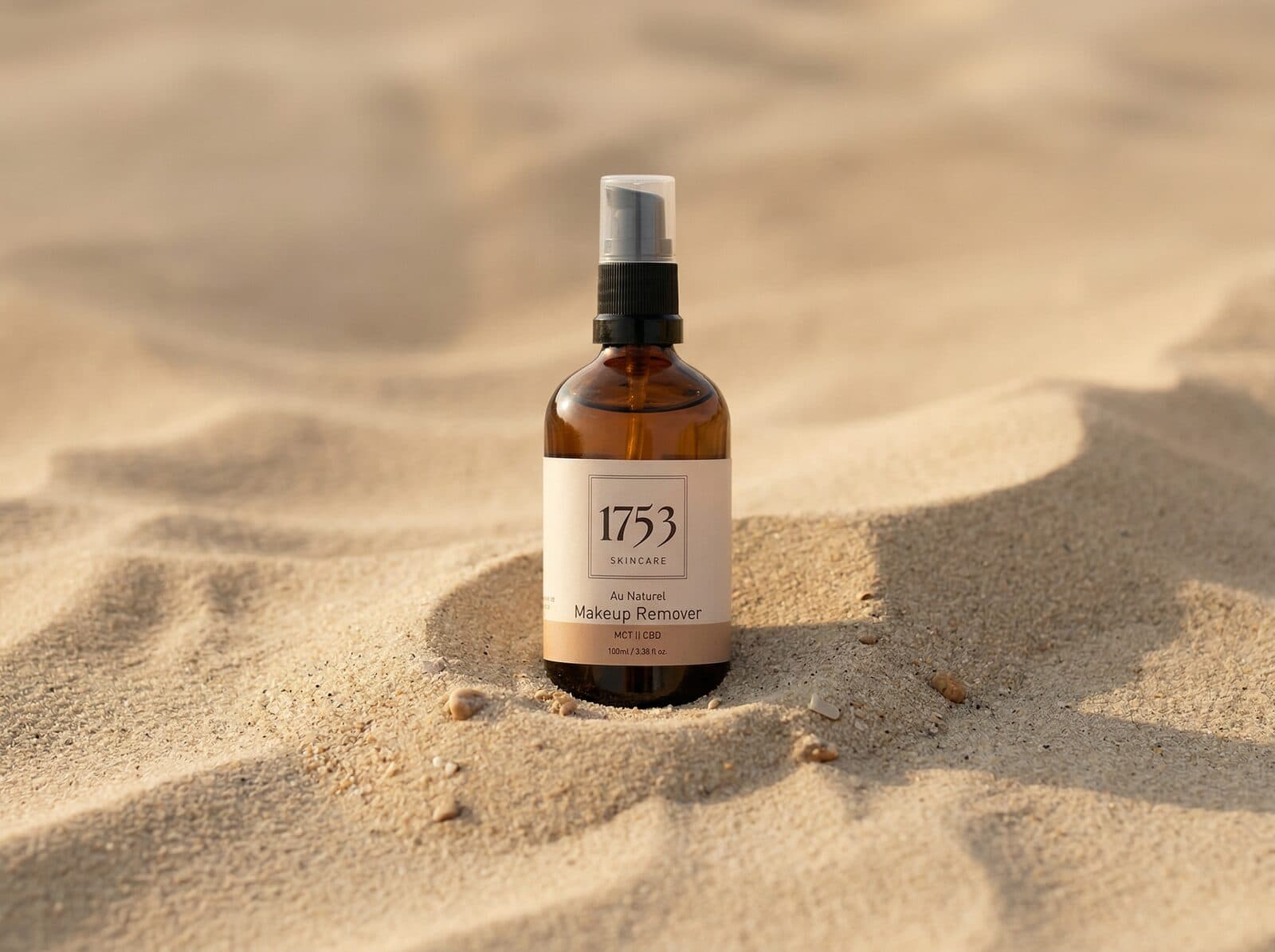

Au Naturel Makeup Remover
A cleansing oil with MCT and CBD that removes makeup and buildup without stripping your skin bare.
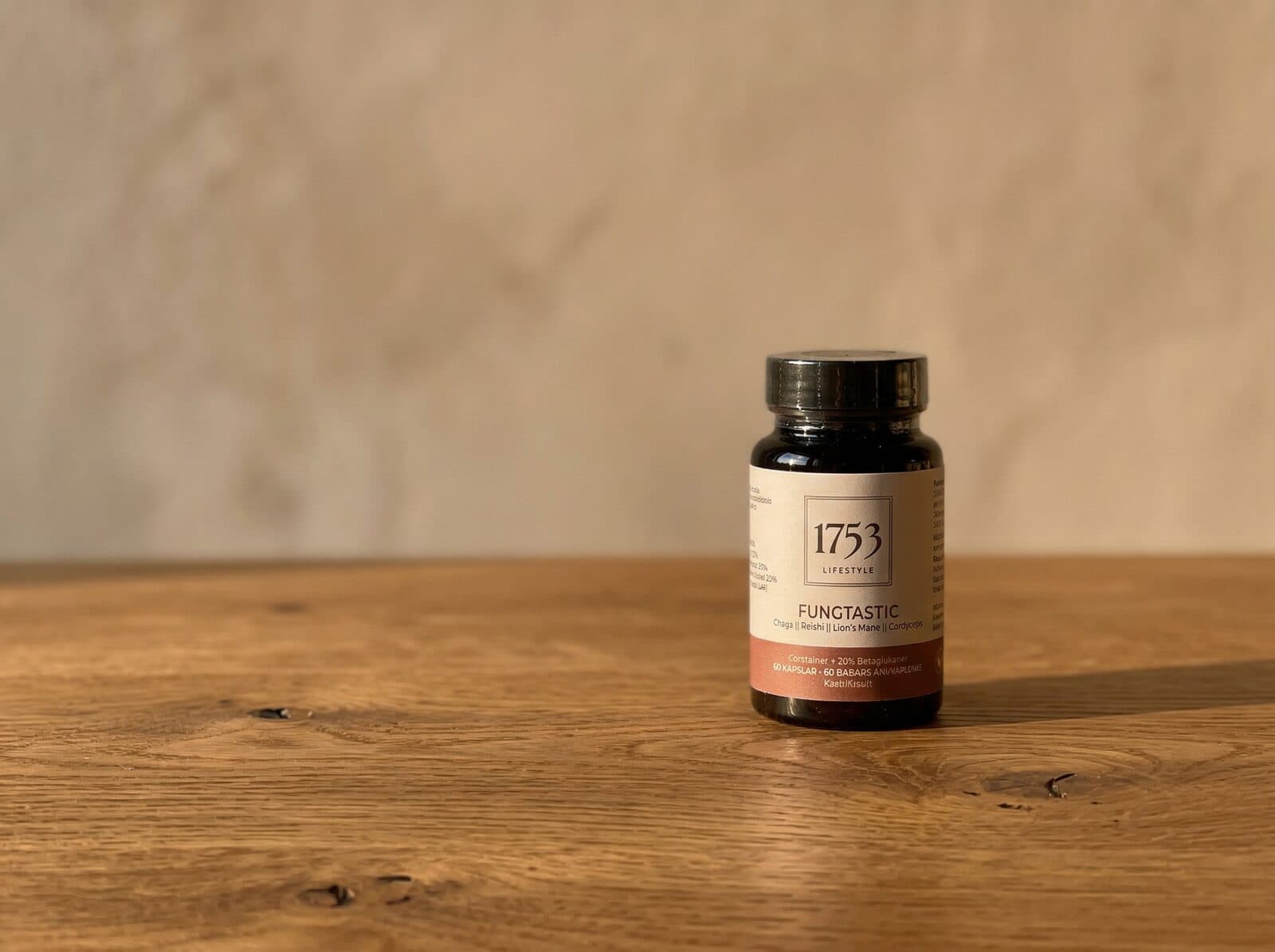

Fungtastic Mushroom Extract
Four mushrooms in one formula to support immunity, focus, energy and sleep from within.
Frequently asked questions
Are milia the same as acne?
No. Milia are small epidermal cysts filled with keratin, while acne is usually about oil, inflammation, and clogged pores. That’s why treating them like pimples often doesn’t help.
Why do milia show up around the eyes?
The skin there is thin, delicate, and easy to irritate. Milia can be triggered by occlusion, friction, sun damage, or overly aggressive skincare that disrupts normal turnover.
Can I remove milia at home?
It’s not a good idea to squeeze or puncture them yourself. A dermatologist can, if needed, open them safely with a sterile needle, but at home you risk damage.
When should I see a doctor?
Seek help if the bumps change quickly, become red, sore, or inflamed, or if you’re unsure what they are. That’s especially important around the eyes.
Sources
- Byrd AL, Belkaid Y, Segre JA. The human skin microbiome. Nat Rev Microbiol 2018;16(3):143–155.
- Salem I, Ramser A, Isham N, Ghannoum MA. The Gut Microbiome as a Major Regulator of the Gut-Skin Axis. Front Microbiol 2018;9:1459.
- Chen Y, Lyga J. Brain-skin connection: stress, inflammation and skin aging. Inflamm Allergy Drug Targets 2014;13(3):177–190.
Article reviewed by Christopher Genberg, founder of 1753 SKINCARE.
Related articles
SYMPTOM
Itchy skin – why nights make it worse
You finally lie down, and then it starts. The itch that was manageable all day suddenly takes over y...
Symptom
Flaky skin – when your skin starts shedding
When skin starts lifting in little flakes, it’s tempting to assume it needs a stronger cleanser, ano...
Symptom
Dry skin around mouth – when the skin pushes back
It often starts as tightness, flaking or tiny red patches right around the mouth. Sometimes it sting...
Skin Barrier
Skin microbiome – why balance changes everything
Your skin is not sterile. It’s an ecosystem where trillions of microbes help keep the barrier strong...
Condition
Hormonal acne – why it keeps coming back
Deep breakouts around the chin, jaw and lower face are rarely just “bad skin.” More often, they’re a...
Skin Condition
Seborrheic dermatitis – why skin flakes
Red, flaky, stubborn. Seborrheic dermatitis loves the places where skin is richest in sebum: the T-z...