
Myth Busted
Microplastics skin – when the scrub goes too far
Microplastics in skincare can sound like a simple villain: scrubs, glitter and certain film-formers often take all the blame. But the reality is more nuanced than that. It depends on the ingredient, how it’s used and what your skin actually needs.

Are microplastics skin always a skin issue?
The common myth is that every synthetic particle touching the skin is automatically a problem. In practice, polyethylene and acrylates copolymer do different jobs in a formula: one may add scrub texture or structure, while the other creates a smooth film. For skin, the bigger question is tolerance, friction and whether the product causes unnecessary wear.
The more debated part is the environmental side. Microplastics can enter wastewater, which turns them into a question of marine ecosystems and possible bioaccumulation down the line. The EU’s phased restrictions through 2027 show the issue is being taken seriously, but also that sensible regulation is different from panic over every synthetic word on an INCI list.
So no, it’s not simply good versus bad. A product can feel fine on skin and still be less wise for the environment. That’s where the better question starts: do you actually need that abrasive scrub, or would a gentler option do the job with less collateral damage?
Five smarter moves today
Drop the harsh scrub
If your cleanser feels like sandpaper, your skin probably doesn’t need more abrasion. Choose a milder formula that lifts away dirt without scraping the barrier.
Read INCI calmly
Spot terms like polyethylene and acrylates copolymer without spiraling. Then ask why the ingredient is there, and whether a simpler product could do the same job.
Cut the glitter
Glitter in skincare and makeup is rarely essential to results. If you want to reduce plastic load, start with the products you use daily and rinse away often.
Prefer shorter lists
A short ingredient list is not magic, but it often means fewer unnecessary trade-offs. It also makes it easier to understand what you’re putting on your skin.
Think about runoff
What you wash off your face doesn’t disappear. A more considered routine also means paying attention to waterways and what ends up in the system.

How to do better without overthinking it
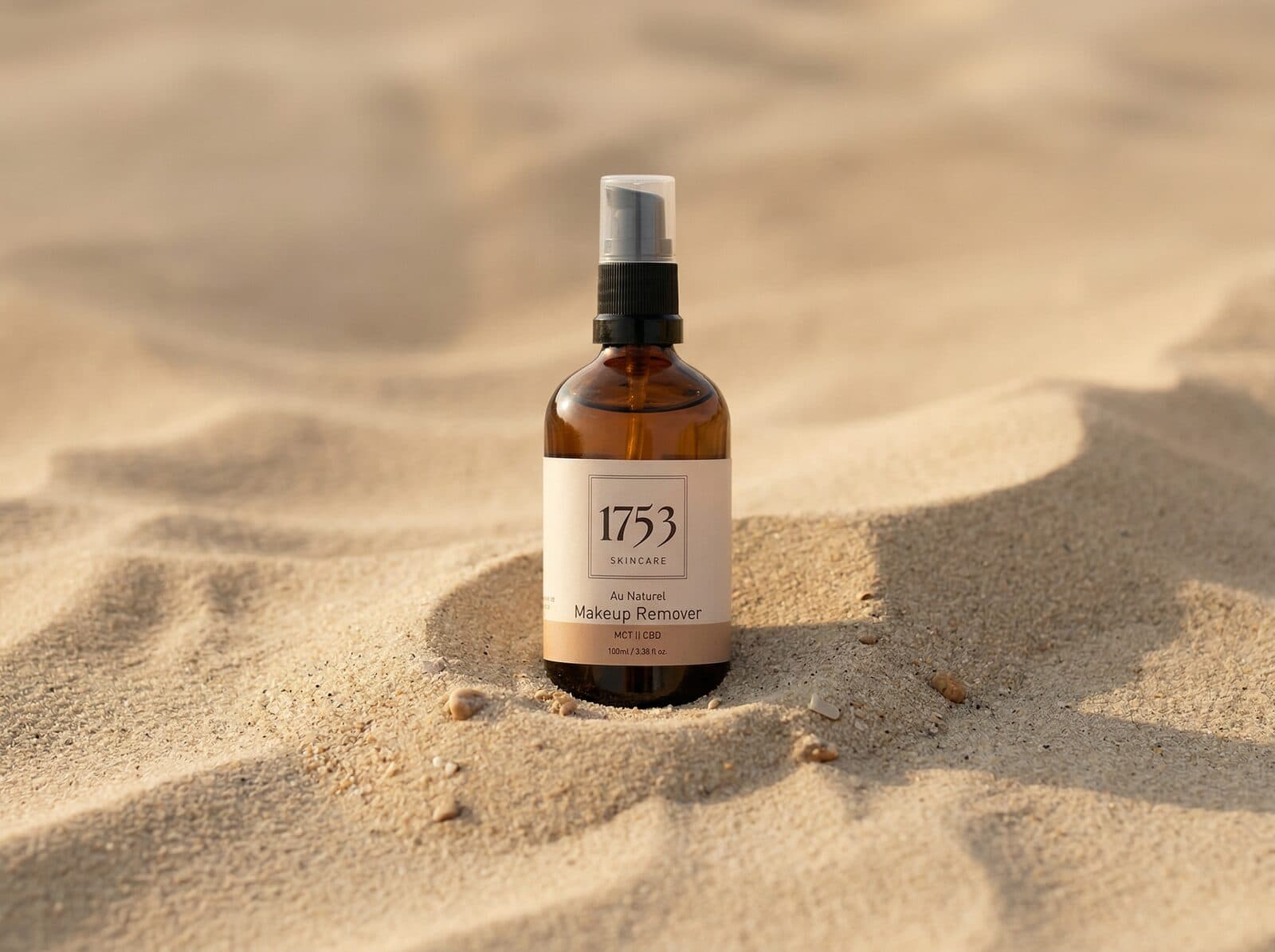
The pragmatic answer is not to hunt down every synthetic on a label, but to choose products that do the job without extra baggage. Au Naturel Makeup Remover is a good example: MCT oil, gentle cleansing and a deliberately short ingredient list. No unnecessary preservatives, no plastic effect for the sake of it.
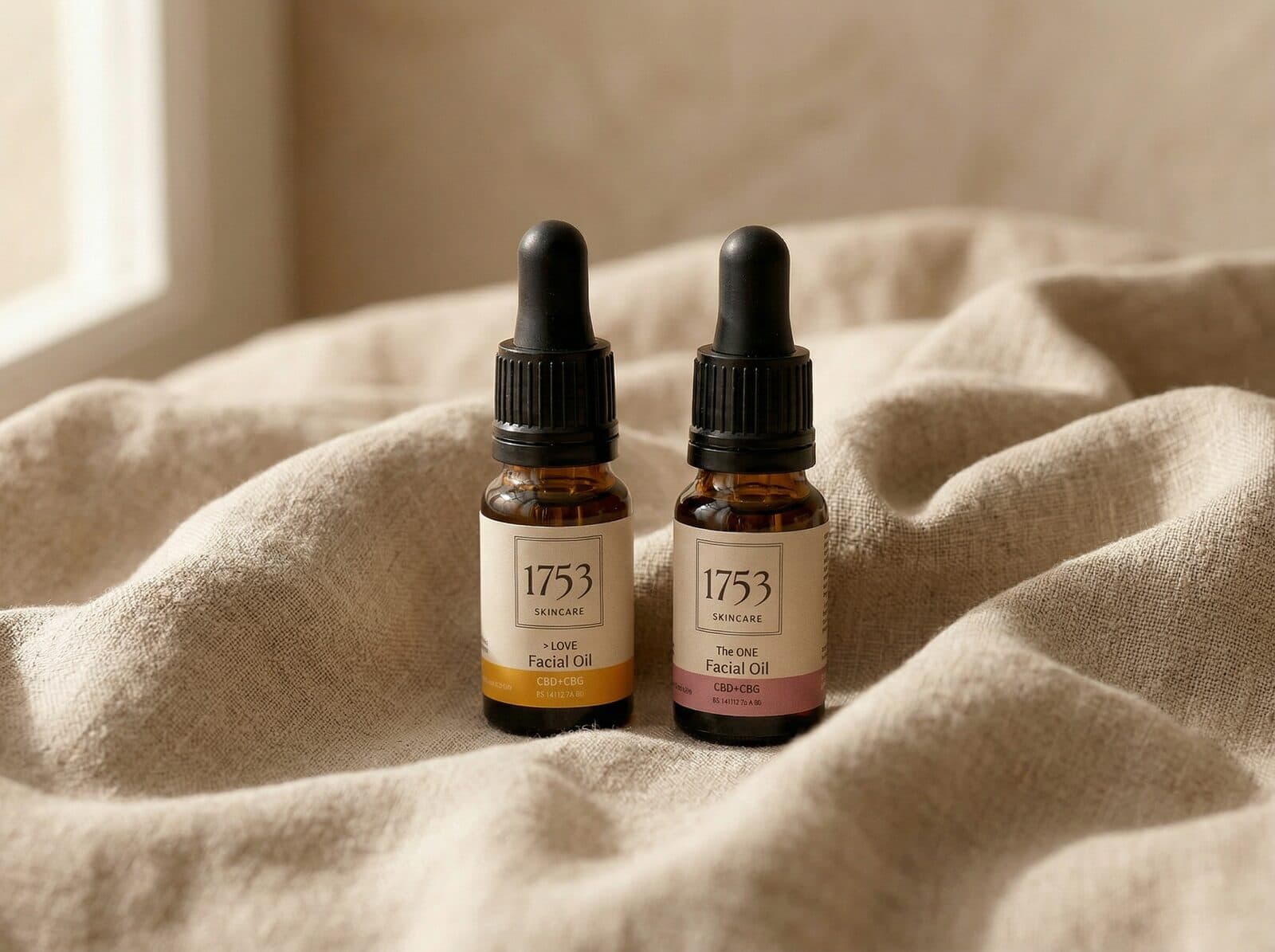
For skincare that should feel genuinely kind, the same logic matters even more. The DUO kit with The ONE and I LOVE is built on a simpler idea: a skin-regulating oil and a calming CBG serum instead of harsh cleansing and overactive routines. Less noise, more function. Not a moral badge, just a better way to give skin room to breathe.
If you want a routine that feels good on skin and still makes sense outside the bathroom, start with the easiest changes. Remove unnecessary clutter, reduce wear and choose formulas that don’t rely on questionable extras to look effective. That’s where 1753 makes the most sense.
Frequently asked questions
Are microplastics in skin care bad for skin?
Not automatically. For skin, irritation, friction and overall formula design matter more than the word microplastics itself. Some synthetic ingredients are functional, but that doesn’t mean they’re always necessary.
Why is everyone talking about the EU ban in 2027?
Because the EU is phasing in restrictions on intentionally added microplastics across several product categories through 2027. It’s mainly an environmental move, not proof that every such ingredient is harmful to skin.
Is polyethylene always a problem?
No, it depends on context and use. It can serve a function in a formula, but if you want to reduce plastic load, it’s reasonable to skip it when cleaner options exist.
What should I choose instead?
Go for gentle cleansing and shorter formulas. Au Naturel Makeup Remover and the DUO kit are good examples of products that avoid a lot of the disputed extras and focus on what skin actually needs.
Sources
- Proksch E, Brandner JM, Jensen JM. The skin: an indispensable barrier. Exp Dermatol 2008;17(12):1063–1072.
- Byrd AL, Belkaid Y, Segre JA. The human skin microbiome. Nat Rev Microbiol 2018;16(3):143–155.
Article reviewed by Christopher Genberg, founder of 1753 SKINCARE.
Related articles
Myth Busting
Are parabens dangerous – or just overblamed?
Parabens have picked up a pretty heavy reputation in skincare conversations. People often hear about...
Myth Bust
Alcohol in skincare – not always the villain
A lot of people learn one simple rule: if they see alcohol on an ingredient list, they should avoid ...
Myth Buster
Sulfates skin – not the villain, not always the fit
Sulfates often get blamed for everything from dryness to breakouts. But the truth is more nuanced: S...
Ingredient Portrait
mct oil skin – light, clean, surprisingly clever
MCT oil is not just another oil sitting on top of your face. It’s fractionated coconut oil built aro...
Ingredient Portrait
Vitamin e skin – the quiet shield
Vitamin E is one of skincare’s most misunderstood ingredients. It doesn’t act like a flashy quick fi...
Ingredient Portrait
aha bha risks – when smooth skin becomes a bad deal
AHA, BHA and PHA can brighten skin fast, but they can also fool you. What looks like progress is som...