
Trend Explanation
Home microneedling – clever shortcut or skin barrier gamble?
Dermarollers at home sound neat: a little sting, a little glow, a little “something is happening.” But skin doesn’t care about hype. The real question is what you’re doing to the barrier, which serums end up on the wrong side of tiny channels, and when a trend is just irritation with good branding.

Is home microneedling actually the shortcut it claims to be?
Microneedling works by creating tiny controlled microchannels that can trigger the skin’s repair response. In professional settings, that’s paired with strict hygiene and technique. At home, the difference is often cleanliness, pressure, and timing. A 0.5 mm roller can affect the skin more than many people expect, especially if you’re already sensitive, inflamed, or dealing with a weak barrier.
This is where people confuse “active skincare” with “helpful skincare.” Right after needling, the skin is more permeable, which means acids, retinoids, fragrance-heavy formulas, and some vitamin C products can feel like pouring salt into a scratch. More stimulation is not the same as better results; often it’s just more irritation.
And yes, infection is the boring but real downside. A dirty roller, poor cleaning, or too much pressure can carry bacteria into those tiny channels. If you’ve ever tried it and wondered why your skin stayed angry for days, that’s usually where the story starts.
How to do it better at home
Stick to the length
If you’re doing this at home at all, keep it to 0.5 mm or shorter. Longer needles leave less room for mistakes, and skin punishes mistakes fast.
Roller or stamp?
A stamp gives more controlled pressure and less dragging than a roller. Rollers can pull across the surface, especially around cheeks and the jawline.
Clean it properly
Disinfect the tool before and after use according to the instructions. If you can’t keep it clean, it’s not skincare anymore — it’s a bacteria invitation.
Pause the actives
Skip acids, retinoids, and strong exfoliants around the treatment. Think calm, simple, barrier-friendly for at least a day after.
Time your products
Use only gentle, minimal formulas right after. Save the more complex serums for when your skin feels normal again, not when it’s open and easy to annoy.

How to handle it without overdoing it
The 1753 philosophy is simple: start with skin, not trends. If you want a routine that stays clean and low-drama, Au Naturel Makeup Remover is a better foundation than harsh cleansing, because a gentle MCT-based cleanse respects the barrier instead of stripping everything in sight.
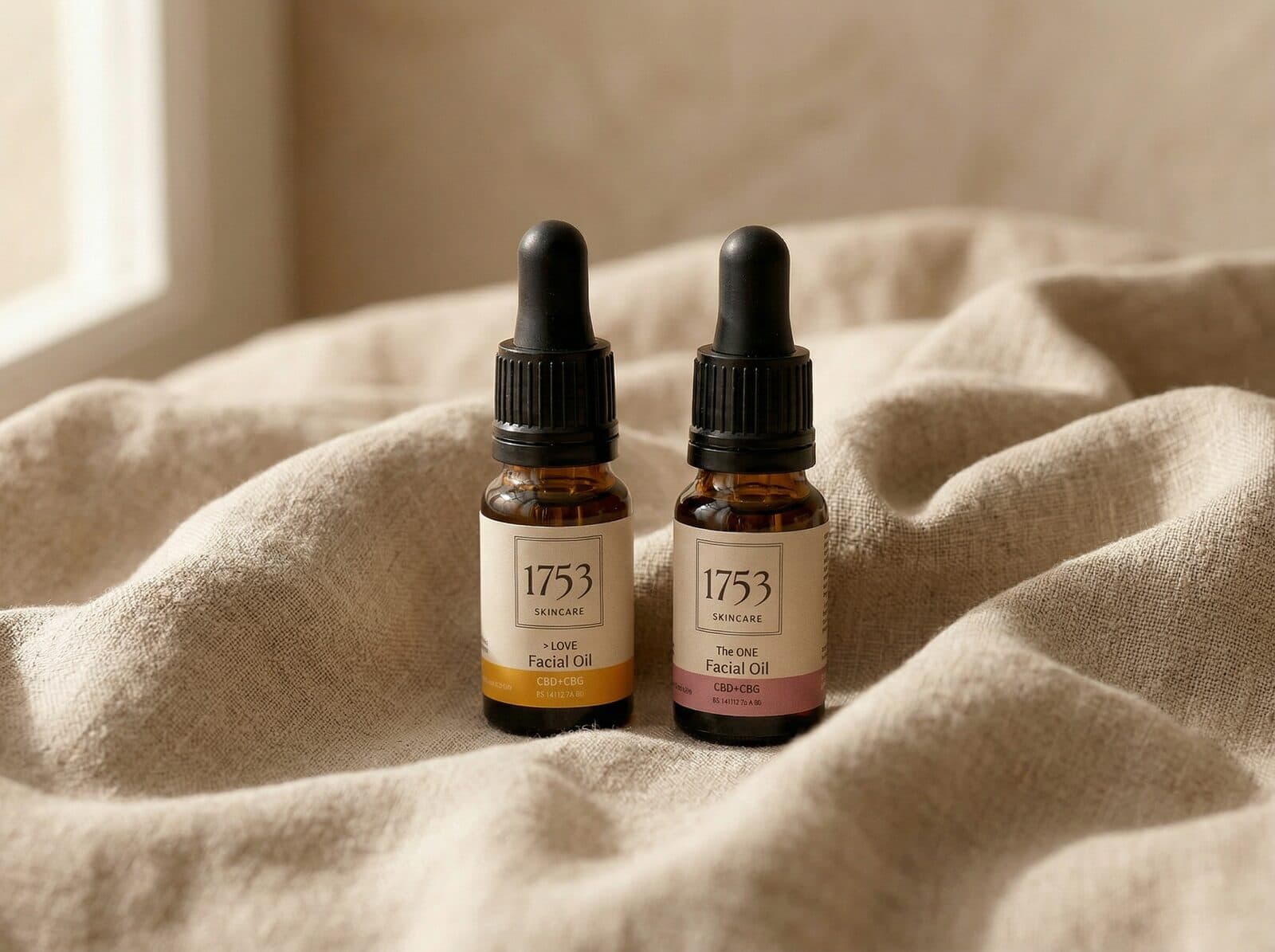
If you still want to try home microneedling, product timing is the whole game. Right after treatment, skin wants calm, not an active science project. That’s where The ONE and I LOVE make sense as a quiet, skin-regulating support once the skin has settled. In the DUO kit, they give you a fuller cannabinoid spectrum without crowding the routine.
When your skin feels stable and you want something more long-term, Ta-DA serum is the obvious next move: antioxidant cocktail, CBG and adaptogens in a routine that thinks prevention, not panic. In other words: gentle base first. Trend on top only if it earns its place.
Products we recommend
 Save €34
DUO kit
Two face oils, one for morning and one for evening. Simple skincare that works with your skin, not against it.
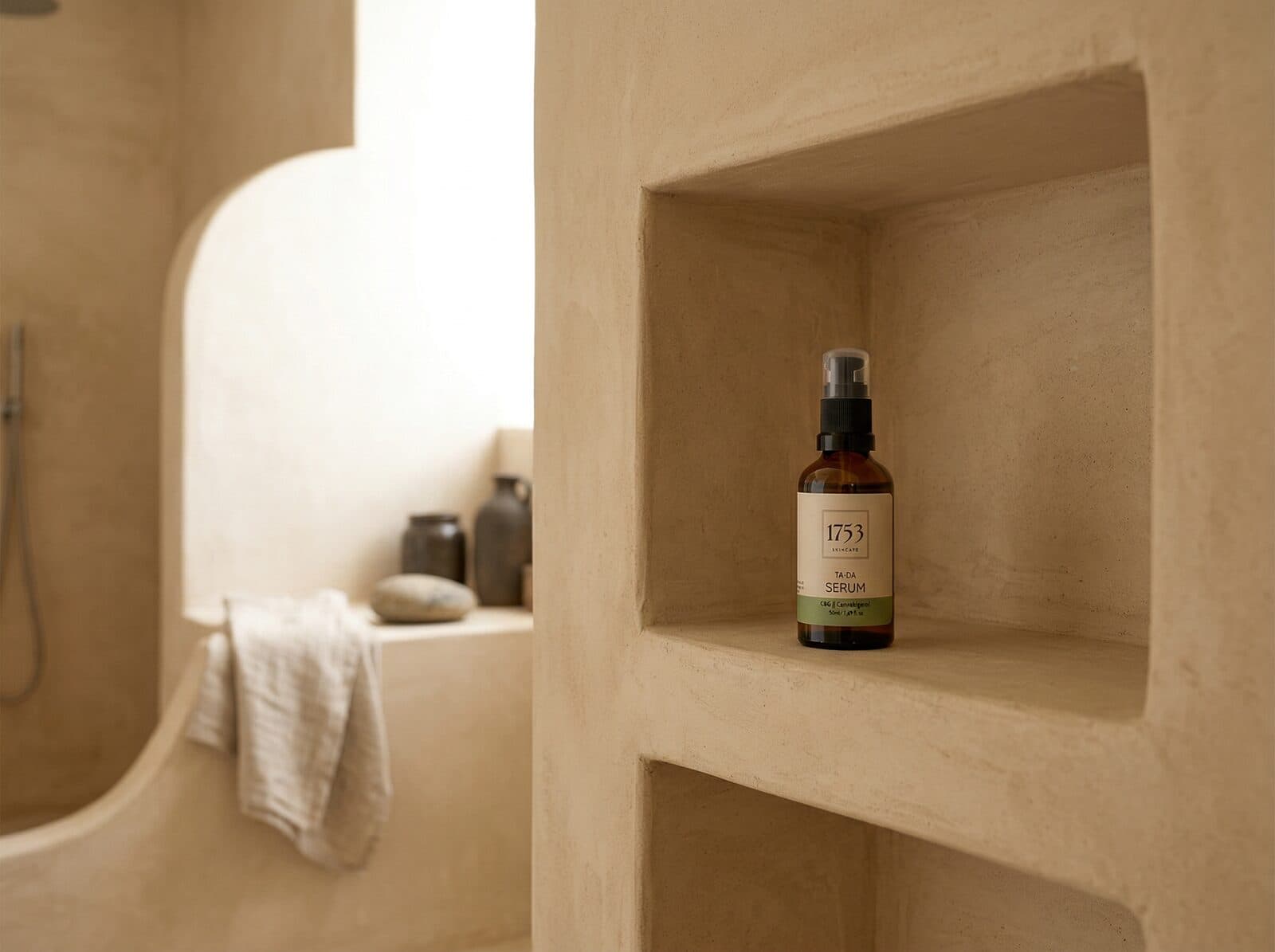
TA-DA Serum
A CBG-powered serum that seals in moisture and adds glow, whatever the season.
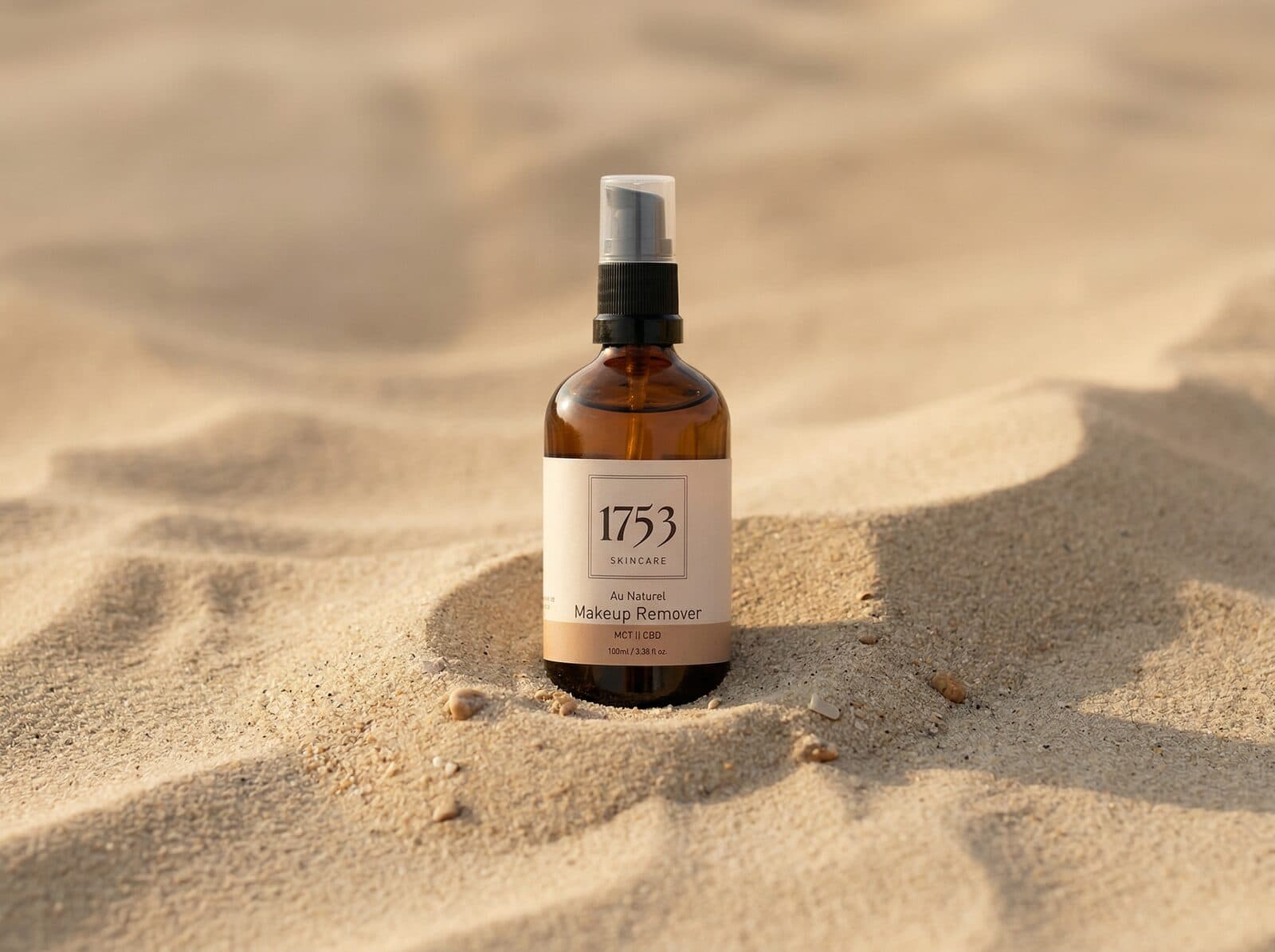
Au Naturel Makeup Remover
A cleansing oil with MCT and CBD that removes makeup and buildup without stripping your skin bare.
Frequently asked questions
Can I do home microneedling with 0.5 mm?
That’s the length most often discussed for at-home use, but “possible” does not mean “smart for everyone.” Sensitive skin, active acne, eczema, or a tendency to pigment can raise the risk.
Which serums should I not mix right after?
Avoid acids, retinoids, heavily fragranced products, and strong exfoliants right after microneedling. The skin is more open then, and formulas that usually feel fine can suddenly be too much.
Is a roller better than a stamp?
Usually not. A stamp can give more controlled application and less drag, while a roller can scrape more easily and be harder to keep even.
How long should I wait before using actives?
It depends on how your skin reacts, but think at least a day of very simple care. If it still stings, feels hot, or stays red, wait longer.
Sources
- Bíró T, Tóth BI, Haskó G, Paus R, Pacher P. The endocannabinoid system of the skin in health and disease. Trends Pharmacol Sci 2009;30(8):411–420.
- Prescott SL, Larcombe DL, Logan AC, et al. The skin microbiome: impact of modern environments on skin ecology, barrier integrity, and systemic immune programming. World Allergy Organ J 2017;10(1):29.
Article reviewed by Christopher Genberg, founder of 1753 SKINCARE.
Related articles
Trend
Slugging skincare – moisture lock or trap?
Slugging sounds almost too easy: seal everything in at night and wake up softer. Sometimes that’s ex...
Trend
Skin cycling - a neat name for simple logic
Skin cycling took off because it sounds like structure in a skincare world that often does too much....
Trend
Skin flooding – when more starts to feel like less
Skin flooding became a fast favorite for serum lovers: layer after layer of hydration, often on damp...
Ingredient Portrait
cbd for skin – less noise, more balance
CBD for skin is interesting because it doesn’t try to bully the skin into behaving. It works with th...
Ingredient Portrait
cbg for skin – the mother cannabinoid that calms and renews
CBG usually lives in CBD’s shadow, but skin can tell the difference. This is the cannabinoid that ma...
Ingredient Portrait
Jojoba oil skin – wax that works with you
Jojoba oil is not a regular oil, and that is exactly why people keep coming back to it. It comes fro...