
Trend
microdosing retinol – less force, more sense
Microdosing retinol is the move for anyone who wants results without making skin pay the full bill. The idea is simple: start extremely low, often around 0.01%, and let tolerance build in a gradual way. That’s not hesitation. That’s strategy.

Is more retinol actually better?
Retinol works by converting into retinoic acid in the skin, which influences cell turnover, collagen-related signaling, and how quickly the surface renews itself. That’s why it can improve texture and radiance. But the same mechanism can also trigger redness, flaking, and a barrier that feels personally offended.
This is where mainstream skincare advice often gets messy: people start too strong, too often, and too fast. Sensitive skin does not need a shock plan. Clinical experience and the broader research landscape point toward gradual tolerance building, especially with low concentrations, encapsulated formulas, and spaced-out use at the beginning.
Microdosing retinol is not a trend for the impatient. It’s a way to find out whether your skin actually likes retinol when it’s given room to adapt, recover, and learn in stages. If you’ve tried the all-in approach and ended up irritated, you’re in very common company.
How to microdose it properly
Start ridiculously low
Choose a low strength, ideally around 0.01% if the formula is designed for sensitive skin. The point is to observe, not to win a toughness contest against your own barrier.
Use encapsulated formulas
Encapsulated retinol releases the active more slowly and can feel kinder on skin. It doesn’t make retinol weak, just more gradual in delivery instead of hitting all at once.
Build tolerance step by step
Start with two nights a week and only increase when your skin feels calm the next day. If you get tight or red, step back rather than pushing through.
Keep the routine simple
Skip extra acids, scrubs, and other strong actives on the same night. Microdosing is about making room for retinol, not stacking reasons for your skin to complain.
Read the skin’s feedback
Some dryness can be normal early on, but stinging and persistent irritation are signs to adjust. Think gradual training for skin, not an all-or-nothing challenge.

How to do it without overworking skin
The 1753 philosophy starts with a skin base that isn’t already stressed. Au Naturel Makeup Remover uses MCT oil for gentle cleansing and less friction than aggressive cleansing routines. That matters if you want to test microdosing retinol without first annoying the barrier with too much cleansing power.
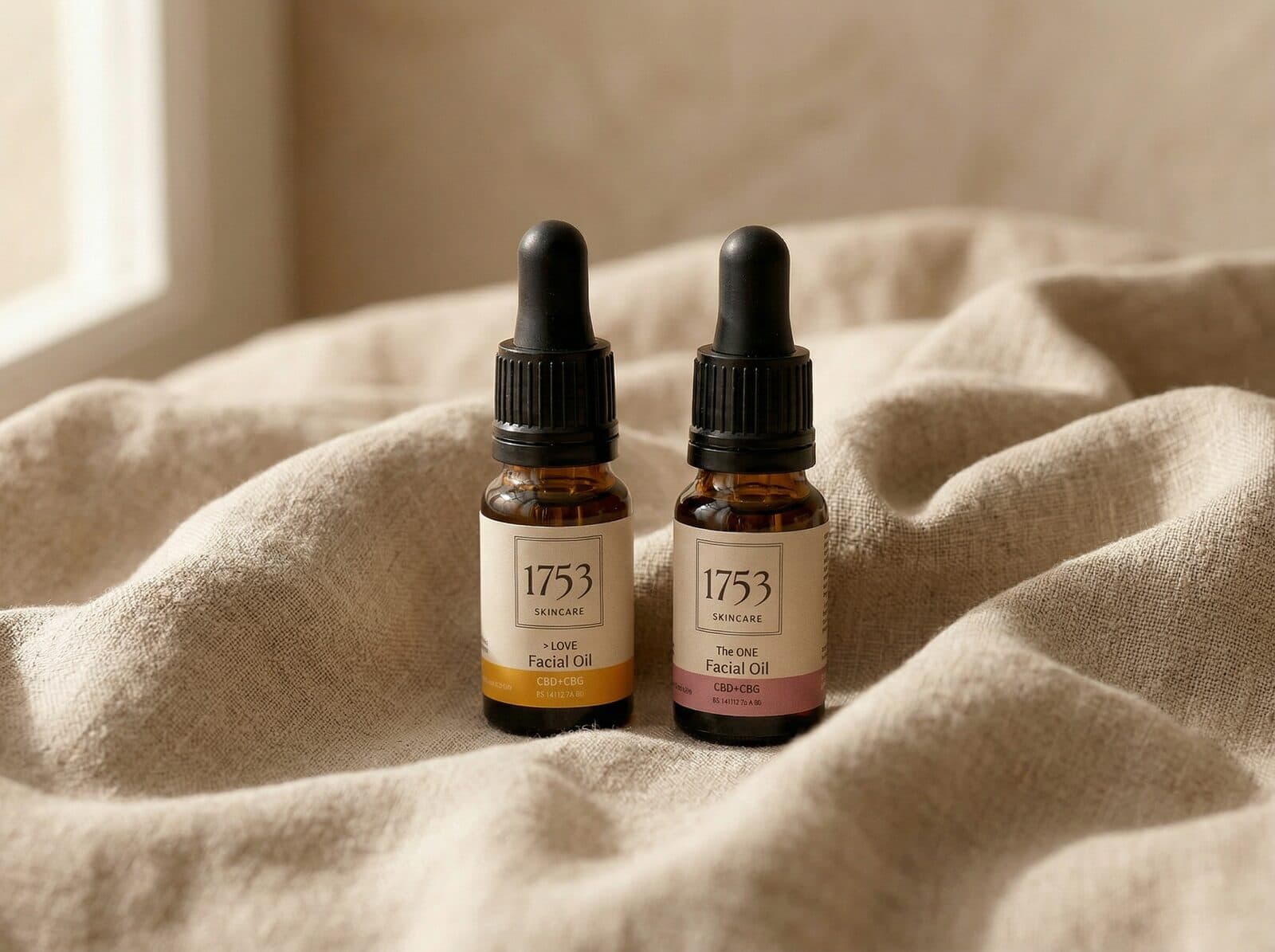
Once skin is calm enough to take on a trend, the DUO kit with The ONE and I LOVE becomes the minimalist foundation that does the heavy lifting behind the scenes. The ONE helps skin feel more regulated, while I LOVE brings CBG and soothing support. Together, they create the kind of environment where retinol can be an optional trend, not the whole routine.
For a longer-game approach, Ta-DA serum is the next natural layer: an antioxidant cocktail with CBG and adaptogens that supports skin without overloading it. In 1753 terms, microdosing retinol is a choice, not a rule. The base comes first. Everything else is optional.
Products we recommend
 Save €34
DUO kit
Two face oils, one for morning and one for evening. Simple skincare that works with your skin, not against it.
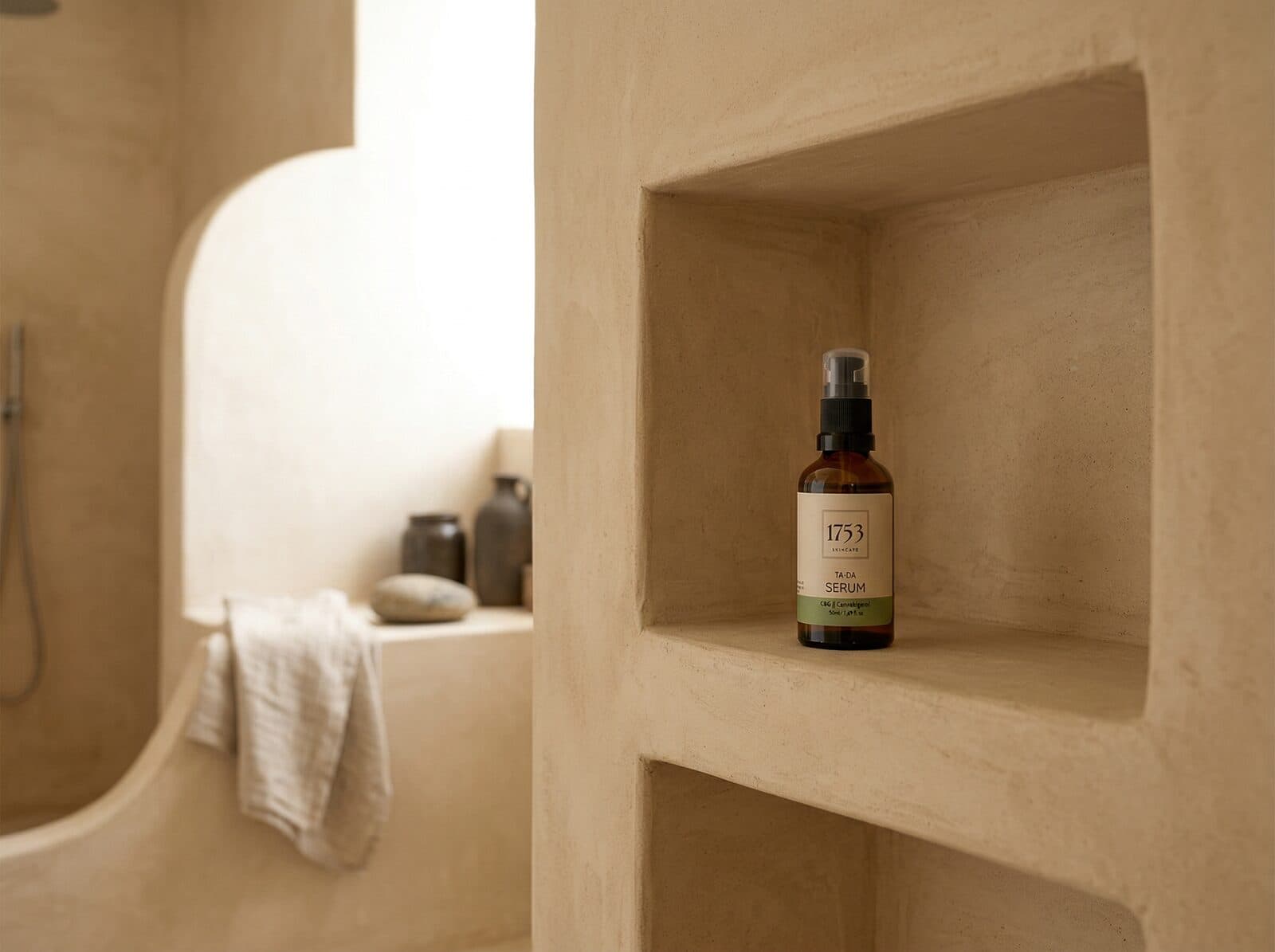
TA-DA Serum
A CBG-powered serum that seals in moisture and adds glow, whatever the season.
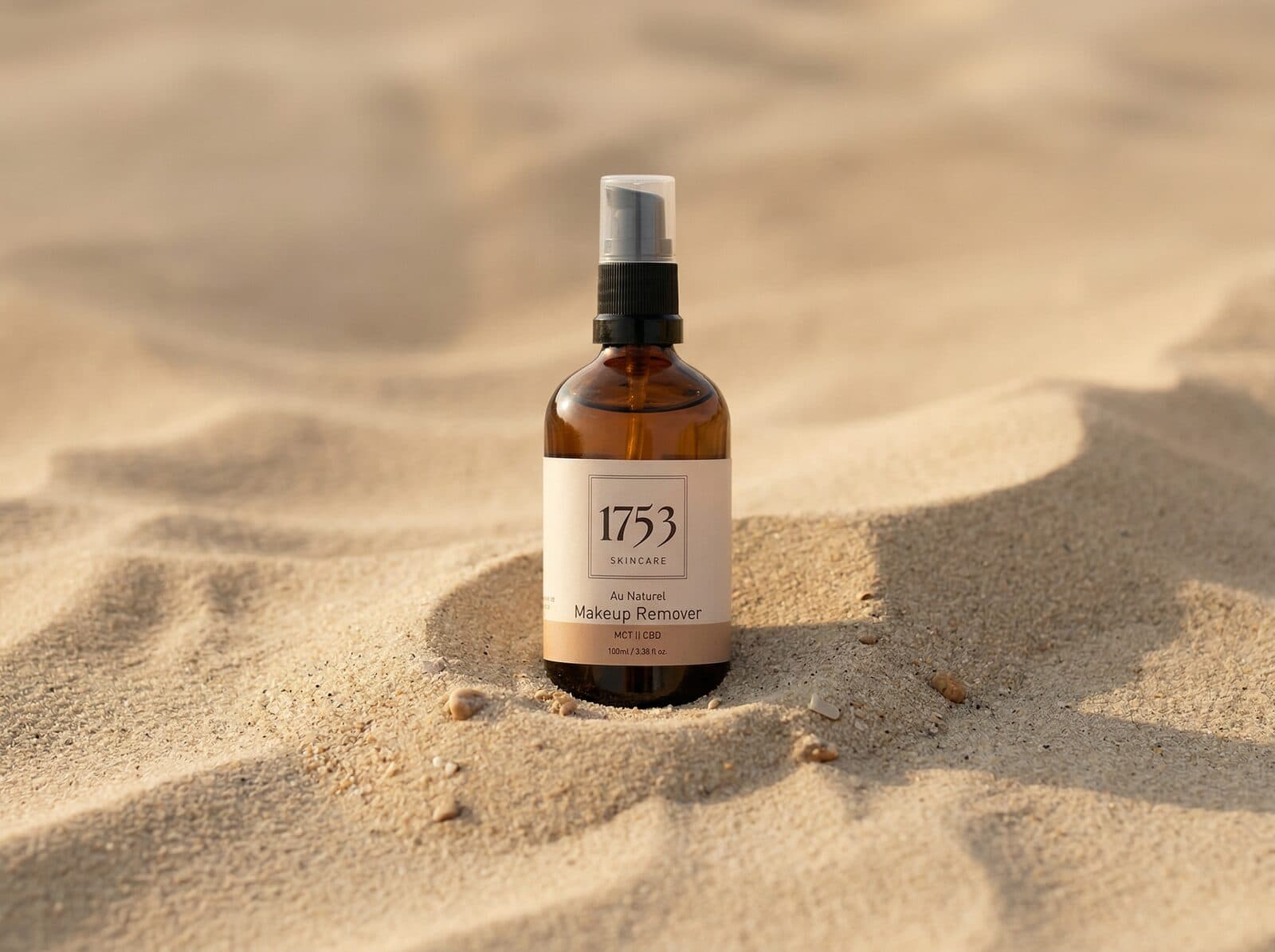
Au Naturel Makeup Remover
A cleansing oil with MCT and CBD that removes makeup and buildup without stripping your skin bare.
Frequently asked questions
How often should I start microdosing retinol?
Two evenings a week is a sensible starting point for many people with sensitive skin. If your skin stays calm after a few weeks, you can gradually increase, but only if tolerance is actually there.
Is 0.01% really enough?
For sensitive skin, a very low dose can be exactly what you need to test the effect without tipping into irritation. The goal is to build tolerance slowly, not to chase the biggest number on the label.
What does encapsulated retinol mean?
It means the retinol is wrapped in a delivery system that releases it more slowly. Many people find that gentler because the skin isn’t hit with everything at once.
Can I use other actives at the same time?
You can, but it’s rarely smart at the beginning. If you want to understand how your skin reacts to microdosing retinol, keep the rest of the routine calm and easy to read.
Sources
- Bíró T, Tóth BI, Haskó G, Paus R, Pacher P. The endocannabinoid system of the skin in health and disease. Trends Pharmacol Sci 2009;30(8):411–420.
- Prescott SL, Larcombe DL, Logan AC, et al. The skin microbiome: impact of modern environments on skin ecology, barrier integrity, and systemic immune programming. World Allergy Organ J 2017;10(1):29.
Article reviewed by Christopher Genberg, founder of 1753 SKINCARE.
Related articles
Trend
Slugging skincare – moisture lock or trap?
Slugging sounds almost too easy: seal everything in at night and wake up softer. Sometimes that’s ex...
Trend
Skin cycling - a neat name for simple logic
Skin cycling took off because it sounds like structure in a skincare world that often does too much....
Trend
Skin flooding – when more starts to feel like less
Skin flooding became a fast favorite for serum lovers: layer after layer of hydration, often on damp...
Ingredient Portrait
cbd for skin – less noise, more balance
CBD for skin is interesting because it doesn’t try to bully the skin into behaving. It works with th...
Ingredient Portrait
cbg for skin – the mother cannabinoid that calms and renews
CBG usually lives in CBD’s shadow, but skin can tell the difference. This is the cannabinoid that ma...
Ingredient Portrait
Jojoba oil skin – wax that works with you
Jojoba oil is not a regular oil, and that is exactly why people keep coming back to it. It comes fro...