
Skin Condition
Melasma treatment – why the patches keep coming back
Melasma is not just “a bit of pigmentation.” It’s the skin reacting to hormones, UV and sometimes even blue light with overactive melanocytes. That’s why harsh scrubs and strong acids usually miss the point. You need a routine that calms, protects and supports the skin’s own defence system.

Why does melasma get worse in the sun — and with too much treatment?
Melasma appears when melanocytes produce too much melanin, often across the cheeks, forehead and upper lip. Estrogen can make skin more reactive, and UV exposure is a well-known trigger. There is also growing evidence that visible blue light, especially when paired with heat and sun, can deepen pigmentation in susceptible skin.
What often makes it worse is the urge to “scrub it off.” Aggressive cleansing, over-exfoliation and piling on actives can stress the skin barrier, which in turn fuels inflammation and more pigment. Melasma is rarely a skin issue that needs more pressure. It needs less noise.
Modern strategies increasingly focus on slowing melanogenesis and lowering inflammation rather than pushing the skin harder and harder. Ingredients such as tranexamic acid and azelaic acid are often used in clinical settings for exactly that reason. The takeaway is simple: melasma treatment works best as a slow, methodical process that takes sun, hormones and antioxidant defence seriously.
Five habits that calm pigment
Switch to gentle cleansing
Remove SPF, makeup and the day without stripping your skin. A soft oil cleanser like Au Naturel Makeup Remover helps you cleanse without leaving the skin tight and stressed.
Protect against light daily
UV is the obvious one, but visible light matters too. Be consistent with sunscreen, a hat and shade when the sun is strongest. The boring routine is the one that actually pays off.
Use fewer actives
More is not better when the skin is already reactive. If you use actives, be strategic and avoid stacking too many at once. Calmer skin often means less pigment drama.
Build antioxidant defence
Oxidative stress drives pigment pathways. Antioxidants help the skin handle that load better, especially when you’re dealing with sun, stress and shifting hormones.
Stay consistent, not brutal
Melasma hates chaos. A calm routine you can actually keep for months beats a harsh short-term push that leaves the skin needing recovery.

How to build a routine skin can live with
The best melasma treatment strategy combines protection, calm and long-term skin resilience. That does not mean doing more of everything. It means choosing what helps the skin respond less dramatically to sun, heat and the hormonal signals that can drive pigment.
This is where Ta-DA serum fits naturally. It brings antioxidants and CBG, which is interesting because CBG may help dial down melanogenesis in a way that makes sense for skin that goes into defence mode easily. If you want a more complete setup, DUO Ta-DA gives you a broader approach without crossing into over-treatment.
Au Naturel Makeup Remover also makes the routine easier: it cleanses gently with MCT oil and avoids unnecessary ingredients that can make skin more light-sensitive. Paired with a calm facial oil like The ONE or a CBG serum like I LOVE, you get a routine that respects the skin’s pace. Not magic. Just better logic.
Products we recommend
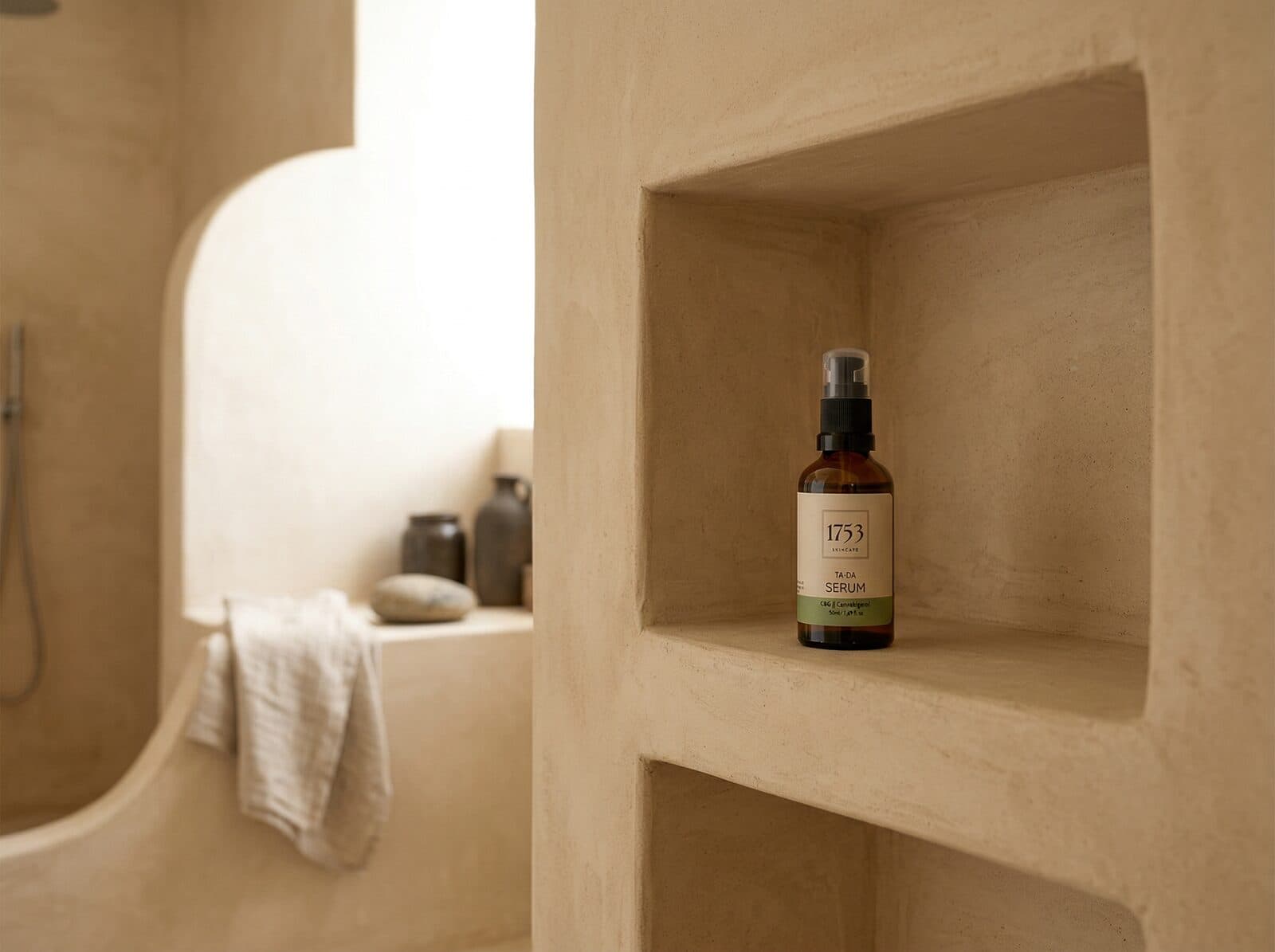
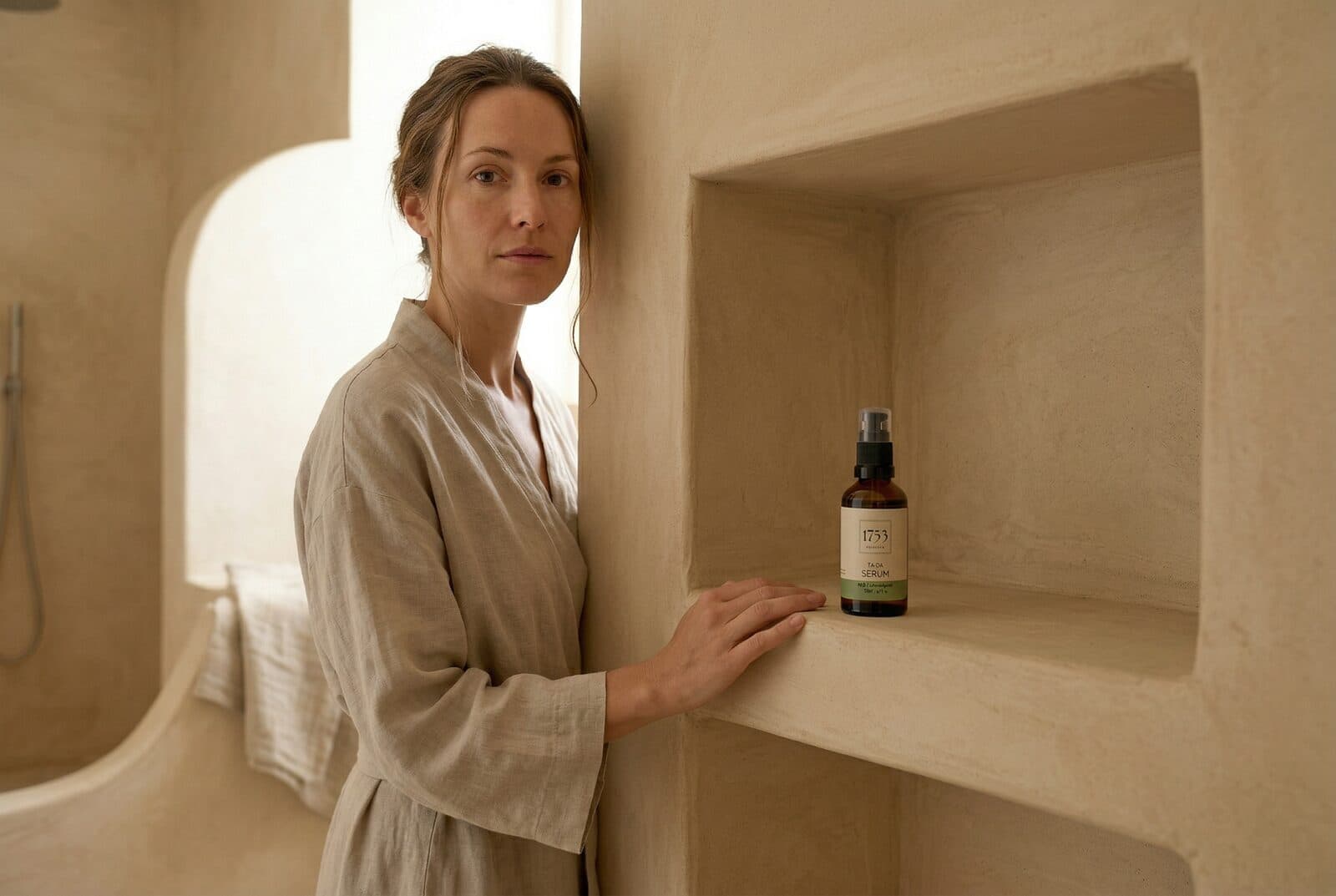
TA-DA Serum
A CBG-powered serum that seals in moisture and adds glow, whatever the season.
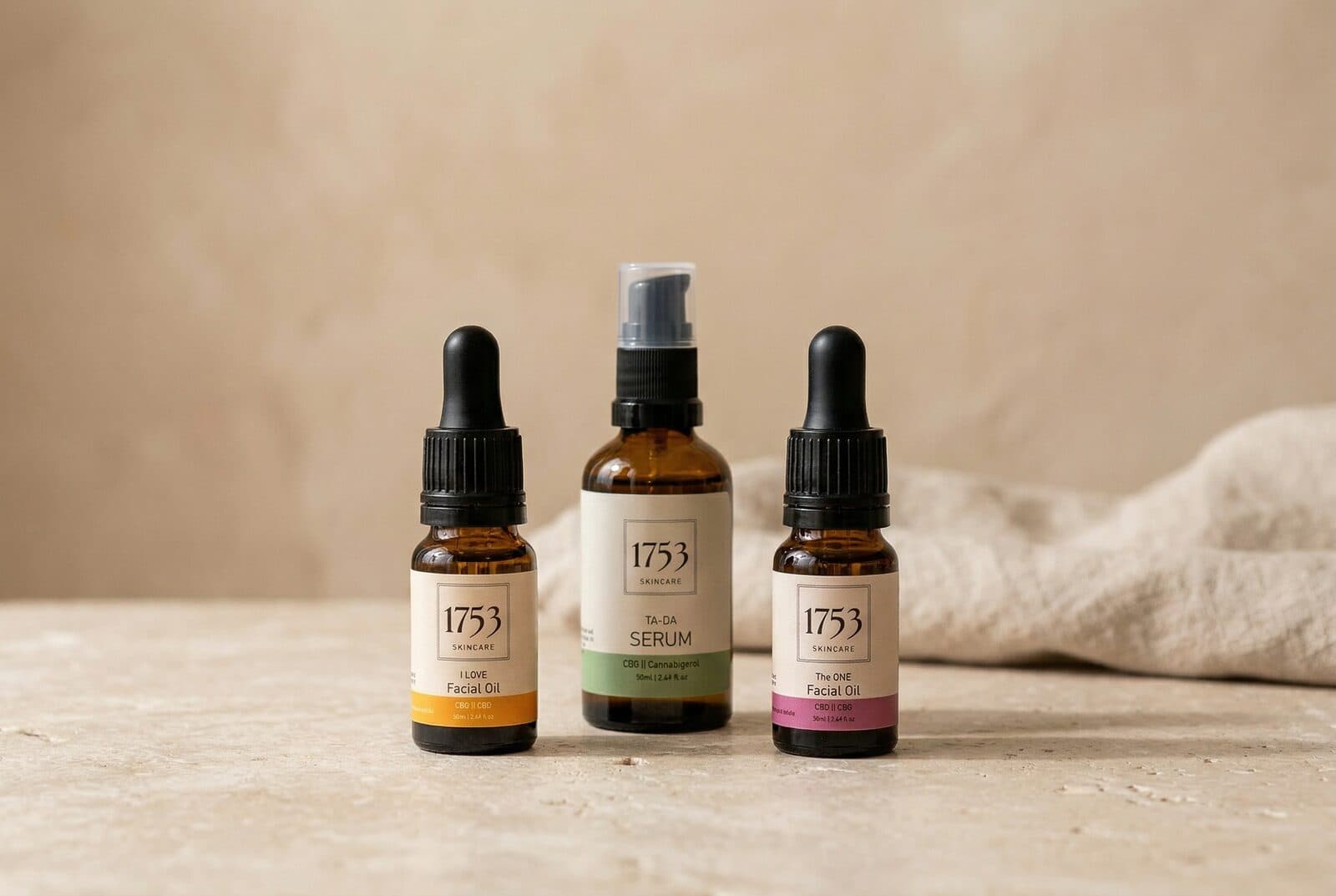
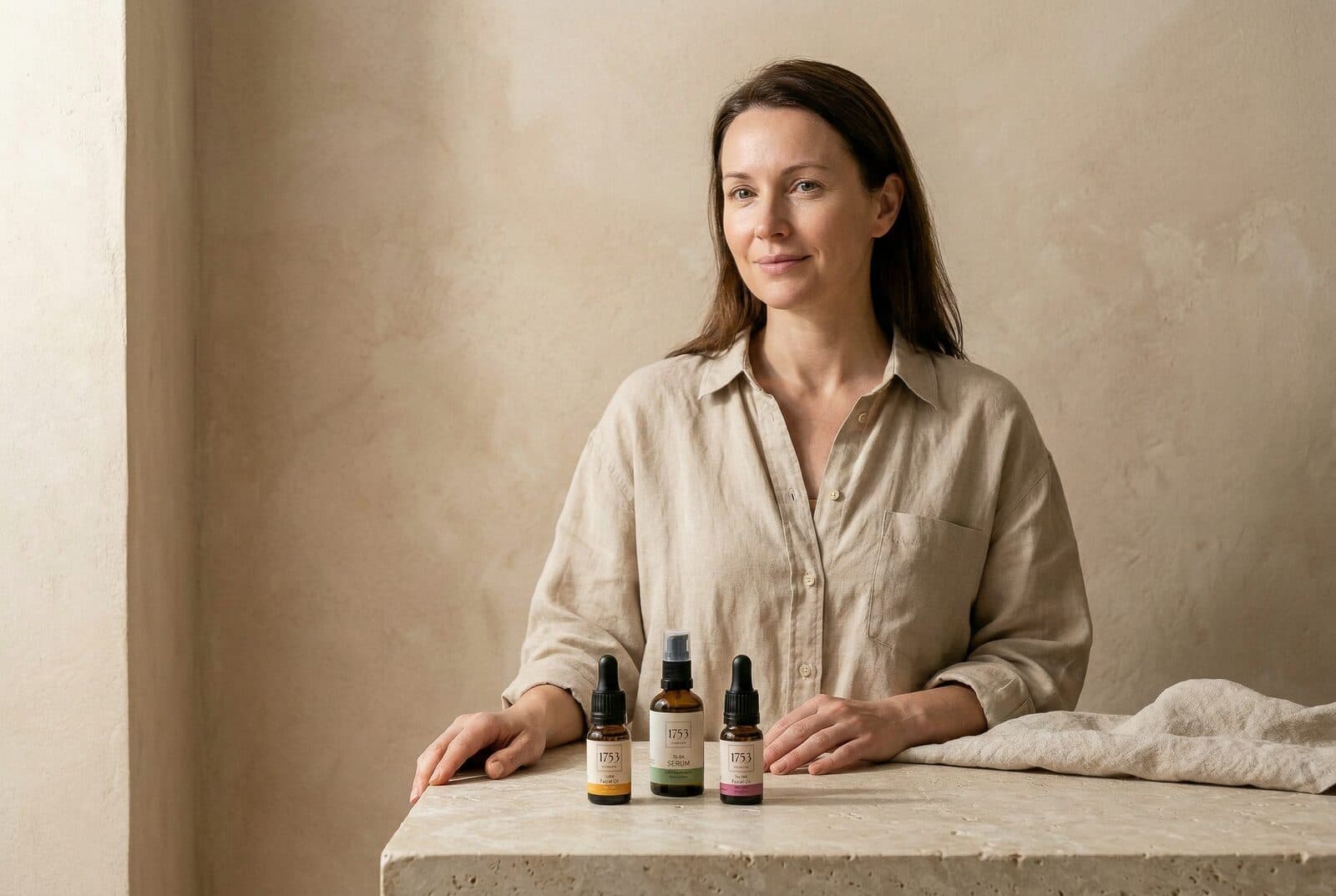 Save €60
DUO kit + TA-DA Serum
The full routine in one: three products that help skin become calmer, stronger and more resilient.
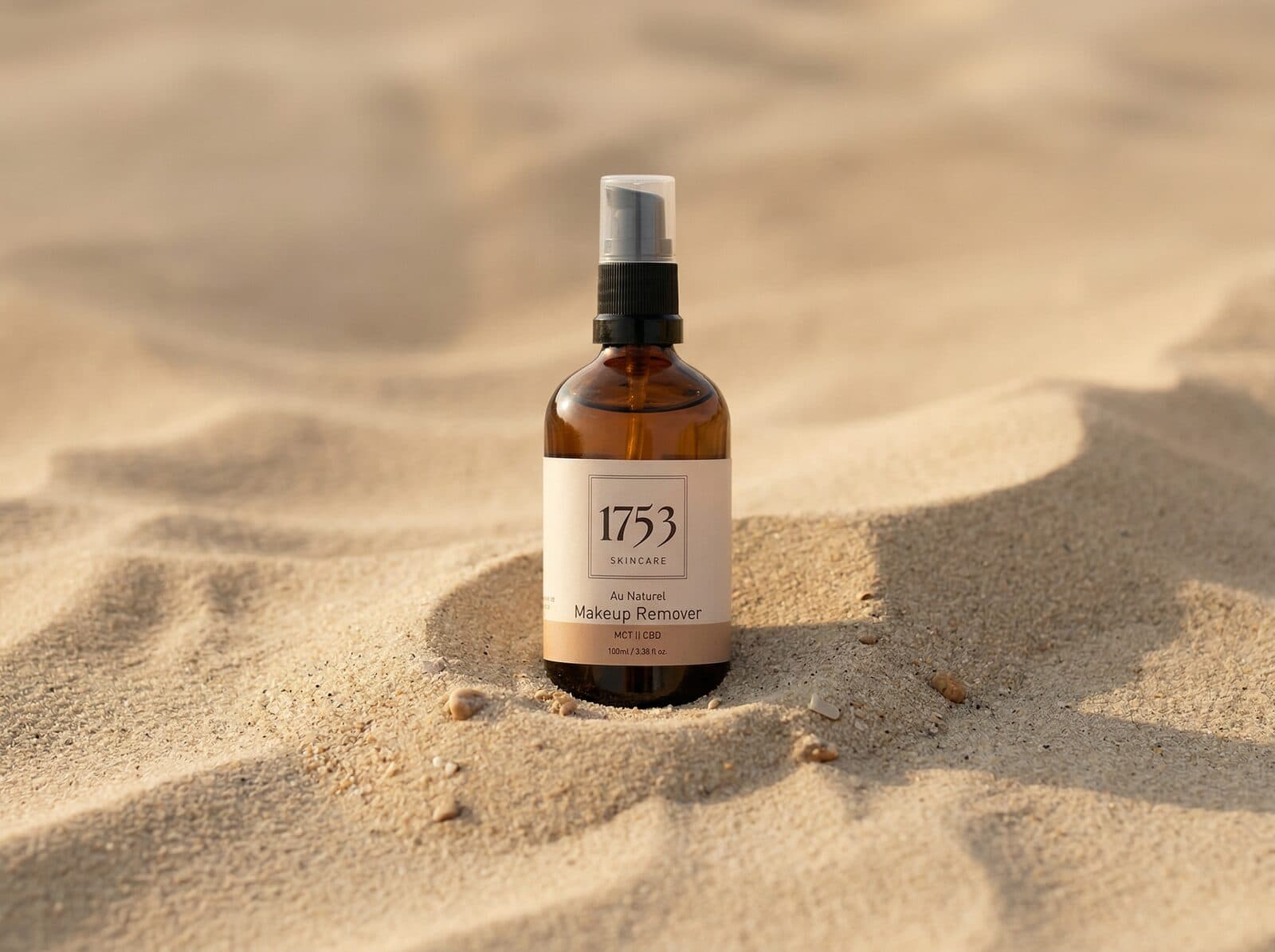
Au Naturel Makeup Remover
A cleansing oil with MCT and CBD that removes makeup and buildup without stripping your skin bare.
Frequently asked questions
Can melasma disappear completely?
Melasma can fade a lot, but it often returns if the triggers stay in place. That’s why management matters just as much as improvement.
Do tranexamic acid or azelaic acid help?
Yes, they’re commonly used because they can influence pigment and inflammation pathways. They work best when sunscreen and a gentle routine are already in place.
Is blue light really a problem?
For some skin types, yes, especially when the skin is already prone to pigmentation. UV remains the main trigger, but visible light can add to the load.
Should I avoid oils entirely?
No, but choose wisely. A gentle cleansing oil or a skin-friendly facial oil can work well. What you want to avoid is anything that stresses the skin or makes it unnecessarily light-sensitive.
Sources
- Byrd AL, Belkaid Y, Segre JA. The human skin microbiome. Nat Rev Microbiol 2018;16(3):143–155.
- Salem I, Ramser A, Isham N, Ghannoum MA. The Gut Microbiome as a Major Regulator of the Gut-Skin Axis. Front Microbiol 2018;9:1459.
- Lin TK, Zhong L, Santiago JL. Anti-Inflammatory and Skin Barrier Repair Effects of Topical Application of Some Plant Oils. Int J Mol Sci 2017;19(1):70.
Article reviewed by Christopher Genberg, founder of 1753 SKINCARE.
Related articles
Skin Conditions
Sensitive skin treatment – for those who react to everything
You've tried everything. Hypoallergenic, fragrance-free, dermatologically tested – and your skin sti...
Skin Barrier
Restore Skin Barrier – stop stripping, start rebuilding
A damaged barrier is rarely a mystery. More often, the stratum corneum has lost its mortar-model bal...
Skin Condition
Keratosis pilaris – why skin turns bumpy
Tiny bumps on the upper arms, thighs, or buttocks are not proof that your skin is failing. Keratosis...
Lifestyle & Skin
Sun protection and skincare – the only anti-aging you truly need
UV radiation accounts for up to 80 percent of visible skin aging. Wrinkles, dark spots, sagging – th...
Skincare Routine
Best skincare routine – your skin needs less than you think
The skincare industry wants you to believe you need ten steps, twelve products, and half an hour in ...
Evening Routine
Evening skincare routine – give your skin the best conditions to repair
While you sleep, your skin works at full capacity. Cell renewal accelerates, blood flow increases, a...