
Lifestyle & Skin
Sun protection and skincare – the only anti-aging you truly need
UV radiation accounts for up to 80 percent of visible skin aging. Wrinkles, dark spots, sagging – the sun is the biggest culprit. But it's not about hiding indoors. It's about being smart.

What does the sun do to your skin?
The sun's UV radiation comes in two main types: UVA and UVB. UVB causes sunburn and damage to the skin's outer layers. UVA penetrates deeper, breaking down collagen and elastin in the dermis – that's what gives you wrinkles, fine lines, and pigmentation changes. UVA reaches you even through cloud cover and window glass, year-round.
Photoaging, as it's called, is a cumulative process. Every minute in the sun without protection adds to the total exposure. DNA damage accumulates in skin cells, and eventually the body's repair mechanisms can't keep up. The results often don't show until 10–20 years later – but by then the damage is already done.
The paradox is that the sun is also vital. Vitamin D, produced in the skin during UVB exposure, is crucial for immune function, bone health, and mood. Never going outside isn't the solution. But exposing yourself carelessly – or relying solely on chemical sunscreens with questionable ingredients – isn't the answer either.
Smart sun strategy for your skin
Mineral sunscreen over chemical
Zinc oxide and titanium dioxide sit on top of the skin and reflect UV instead of absorbing it. They don't break down in sunlight, rarely irritate sensitive skin, and contain no hormone-disrupting substances like oxybenzone.
Avoid the sun from 11 AM to 3 PM
Midday is when the UV index peaks. Plan outdoor activities for morning and afternoon. Just 15–20 minutes of forearm and face exposure is enough to produce vitamin D.
Hat and clothing first
Physical sun protection always beats chemical. A wide-brimmed hat protects face, neck, and ears. Dense fabrics with UPF ratings block UV more effectively than any cream.
Apply enough
Most people apply only 25–50 percent of the recommended amount of sunscreen. Your face requires half a teaspoon, and you need to reapply every two hours outdoors – more often if you sweat or swim.
Antioxidants boost sun protection
Vitamin C, vitamin E, and niacinamide applied under sunscreen provide an extra layer of protection against free radicals created by UV radiation. They don't replace sunscreen but amplify it.

Repair sun-damaged skin with CBD
Even with the best sunscreen, some UV radiation reaches the skin and creates free radicals and inflammation. This is where CBD enters as a powerful ally. Studies show that cannabinoids have antioxidant properties that neutralize free radicals and reduce UV-induced inflammatory response in skin cells.
Ta-Da Serum with 10% CBD applied after sun exposure helps the skin cope with oxidative stress and supports the repair process. CBD's anti-inflammatory action is especially valuable for sun-sensitive skin that tends to redden and react. Duo Ta-Da adds an oil component that restores the lipid barrier that UV may have weakened.
Au Naturel Makeup Remover is perfect for gently removing sunscreen in the evening without stressing already sun-exposed skin. The MCT oil dissolves mineral sunscreen effectively while nourishing.
Products we recommend
 Save €60
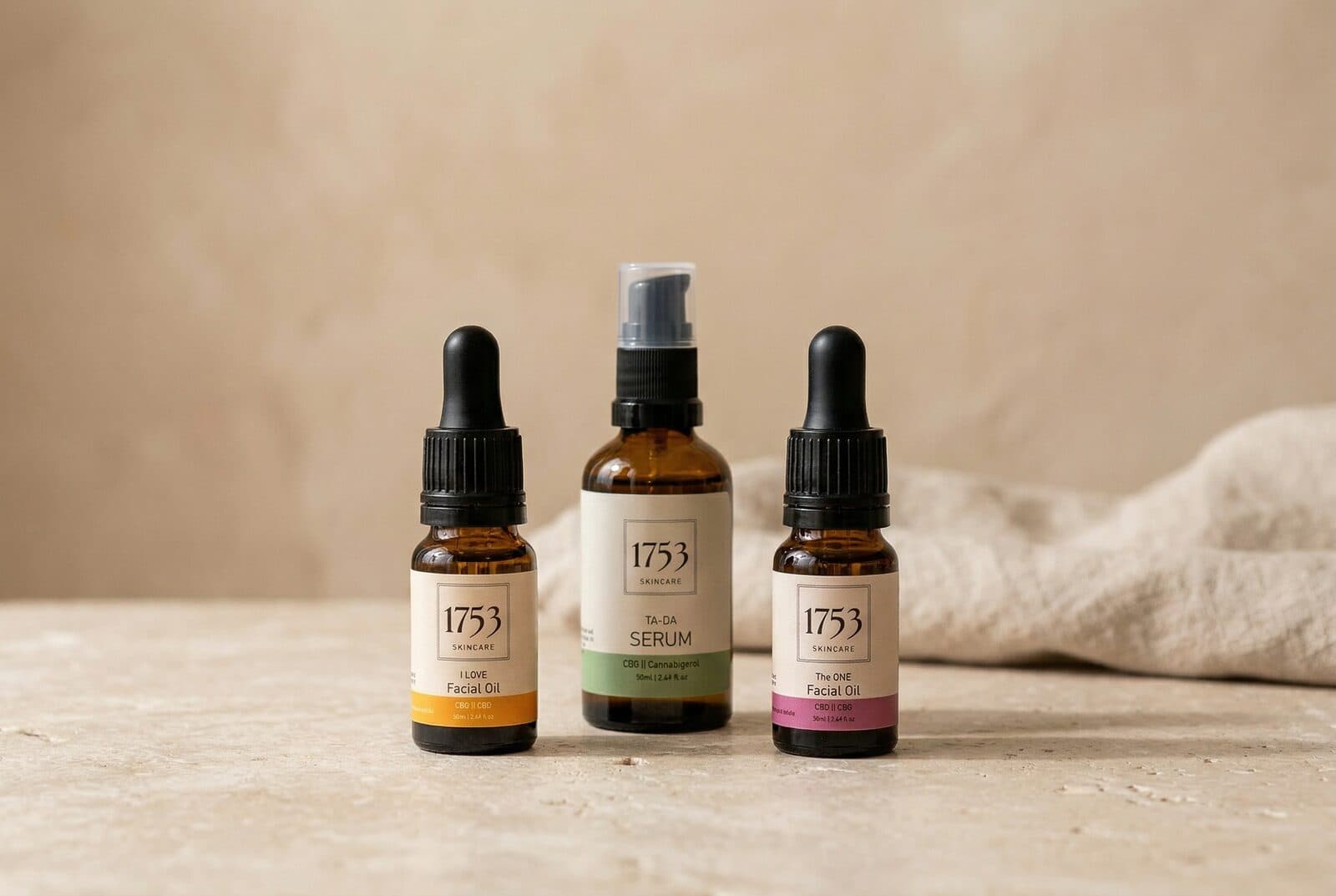
DUO kit + TA-DA Serum
The full routine in one: three products that help skin become calmer, stronger and more resilient.
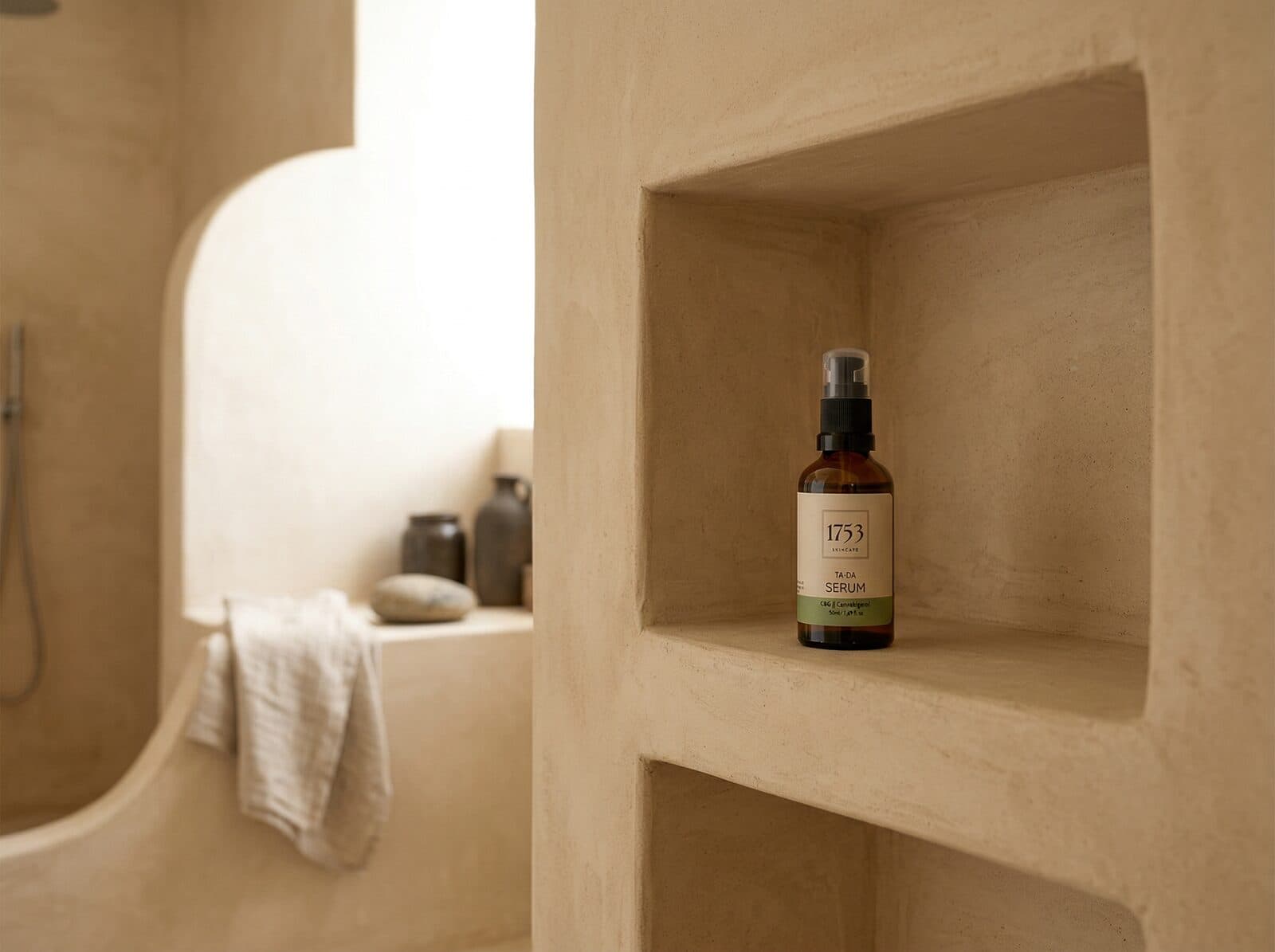
TA-DA Serum
A CBG-powered serum that seals in moisture and adds glow, whatever the season.
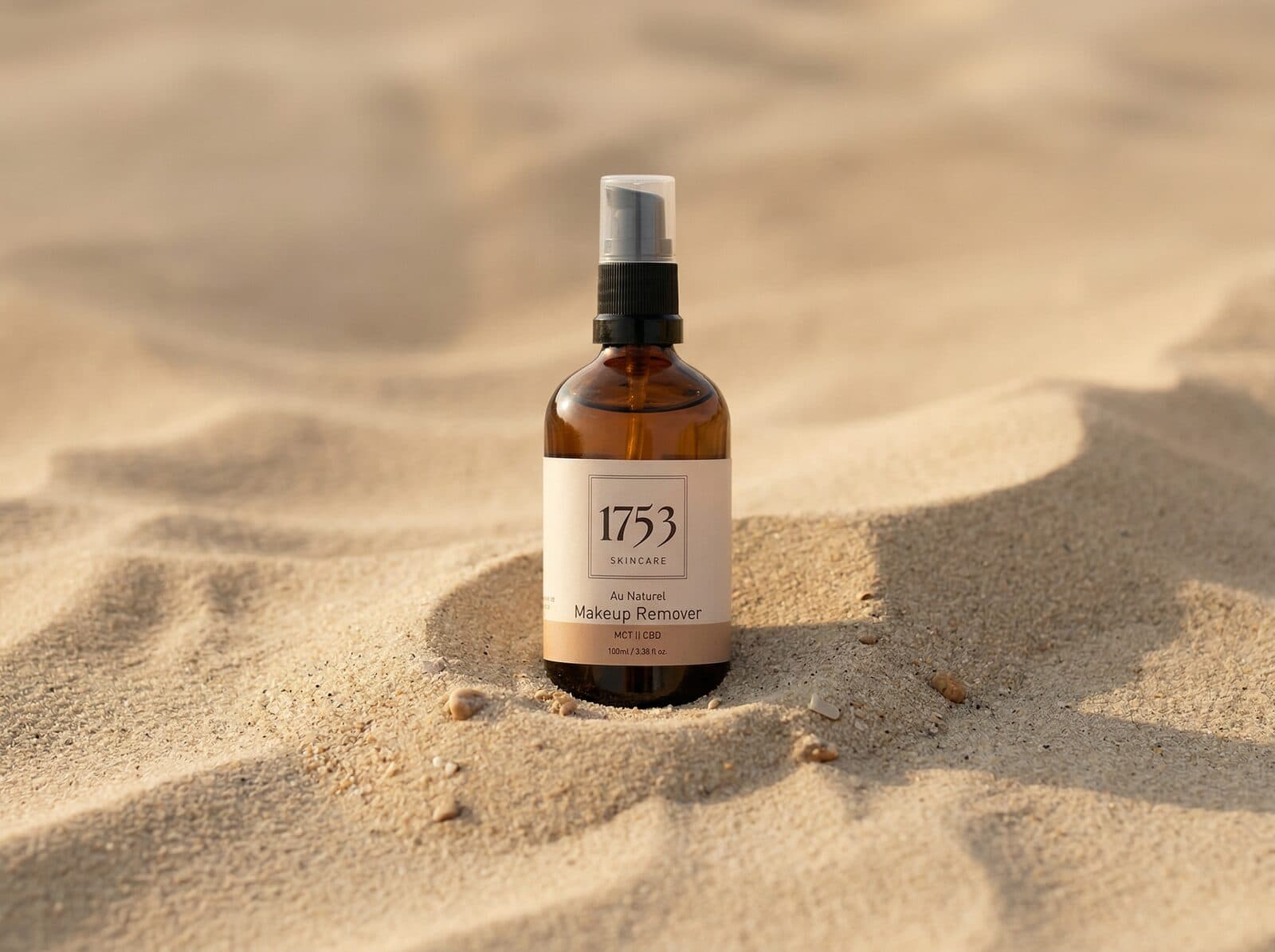
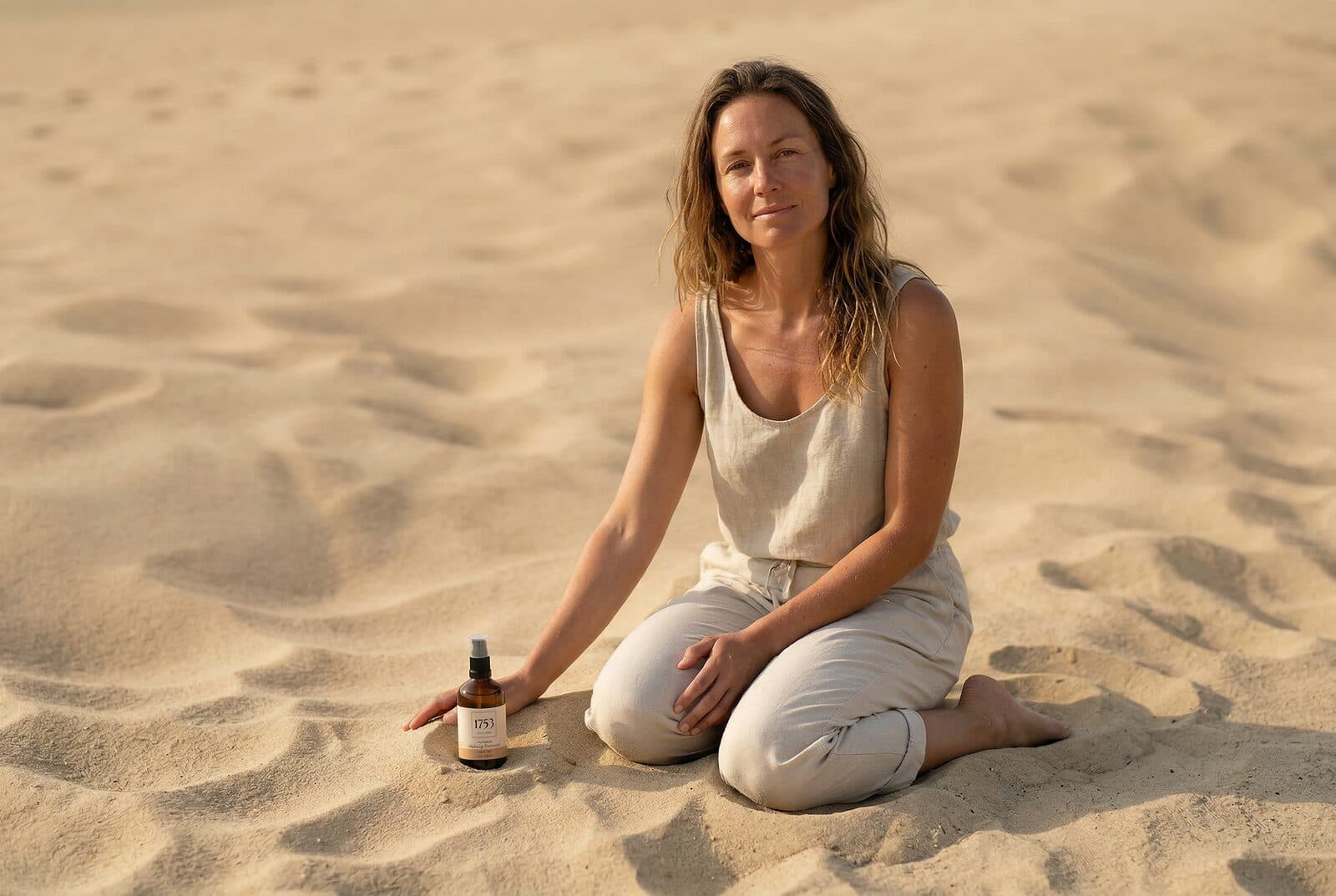
Au Naturel Makeup Remover
A cleansing oil with MCT and CBD that removes makeup and buildup without stripping your skin bare.
Frequently asked questions
Do I need sunscreen every day?
During the Nordic winter half (October–March), the UV index is too low to cause sun damage in everyday life. During the summer half, yes – daily if you're outdoors more than 15 minutes. Cloudy weather doesn't block UVA.
Can CBD replace sunscreen?
No, absolutely not. CBD has antioxidant properties that complement sunscreen, but it doesn't filter UV radiation. Always use sunscreen as primary protection and CBD skincare for repair and reinforcement.
Is chemical sunscreen dangerous?
Substances like oxybenzone and octinoxate have shown hormone-disrupting properties in studies and are absorbed into the bloodstream. Mineral sunscreen (zinc oxide) is generally a safer choice, especially for sensitive skin and daily use.
How do I repair already sun-damaged skin?
Sun damage is cumulative but the skin has the ability to repair itself. Antioxidants (vitamin C, CBD), retinol, and consistent sun protection going forward slow further damage. Deeper damage may require professional treatment.
Sources
- Chen Y, Lyga J. Brain-skin connection: stress, inflammation and skin aging. Inflamm Allergy Drug Targets 2014;13(3):177–190.
- Walker MP, van der Helm E. Overnight therapy? The role of sleep in emotional brain processing. Psychol Bull 2009;135(5):731–748.
- Katta R, Desai SP. Diet and Dermatology: The Role of Dietary Intervention in Skin Disease. J Clin Aesthet Dermatol 2014;7(7):46–51.
Article reviewed by Christopher Genberg, founder of 1753 SKINCARE.
Related articles
Lifestyle
Perimenopause and skin – when everything shifts at once
One day your skin feels drier, thinner and suddenly touchy. Adult acne may show up, fine lines look ...
Cyclic Skincare
Menstrual Cycle and Skin – why one routine doesn’t fit all
Your skin doesn’t run on a fixed schedule; it runs with your body. Across the menstrual cycle, hormo...
Postpartum Skin
Postpartum skin – why it changes so much
After pregnancy, skin can feel like it belongs to someone else. Hormones drop, sleep gets broken, an...
Winter skincare
Winter skincare – Nordic cold demands Nordic care
Swedish winter means sub-zero temperatures outside and dehydrated air inside. Your skin commutes bet...
Skincare Routine
Best skincare routine – your skin needs less than you think
The skincare industry wants you to believe you need ten steps, twelve products, and half an hour in ...
Evening Routine
Evening skincare routine – give your skin the best conditions to repair
While you sleep, your skin works at full capacity. Cell renewal accelerates, blood flow increases, a...