
LightTrend
Led mask home – when light helps skin, and when it’s just noise
LED masks at home sound futuristic, and sometimes they are genuinely interesting. But skin is not naive: it responds to the right wavelength, the right routine, and the right expectations. Here’s what red light, blue light, and 1753’s more grounded philosophy actually say.

What does a led mask home actually do?
The short answer: light can affect skin through photobiomodulation, meaning specific wavelengths trigger biological processes inside cells. Red light around 630 nm has been linked in studies to increased mitochondrial activity, which in plain language means skin may become better at repairing itself over time. Not magic. Biology.
Blue light around 415 nm plays a different role: it has shown activity against acne-related bacteria, which is why it’s often used when the goal is acne-reduction. But here’s the inconvenient part: if you’re also scrubbing, over-exfoliating, and attacking every breakout with harsh actives, you may be working against your skin’s own defense system. LED works best when the barrier is left alone.
That’s why so many people get disappointed. They expect a dramatic overnight shift, while what actually happens is usually slower improvements in redness, texture, and resilience. If your skin is already stressed by too many layers and too much intervention, it makes sense to calm everything else down first. Then light becomes more relevant.
How to use light more intelligently
Start with clean skin
Cleanse gently so the light reaches skin without competing with thick layers. Au Naturel Makeup Remover is made to lift the day without leaving skin tight or irritated.
Pick one goal
Use red light when you want to support recovery, and blue light when you’re focused on breakouts. Don’t pile ten other strategies on top or it turns into expensive static.
Keep it consistent
LED works best when used regularly, not dramatically. Five to ten minutes according to the device instructions is usually more useful than random marathon sessions.
Protect the barrier
If skin feels dry, tight, or reactive, simplify the rest of your routine. Skip aggressive exfoliation and let the skin breathe between treatments.
Track real changes
Look for less redness, smoother texture, and fewer flare-ups over time. That’s more helpful than chasing perfect glow after the first week.

What actually keeps skin on track
1753’s point is simple: build the skin from the ground up, and let trends stay optional. Au Naturel Makeup Remover gives you a gentle start without stripping lipids or making the skin work overtime. When skin is clean but not depleted, a led mask home routine becomes more meaningful, because you’re not trying to rescue a damaged barrier with more tech.
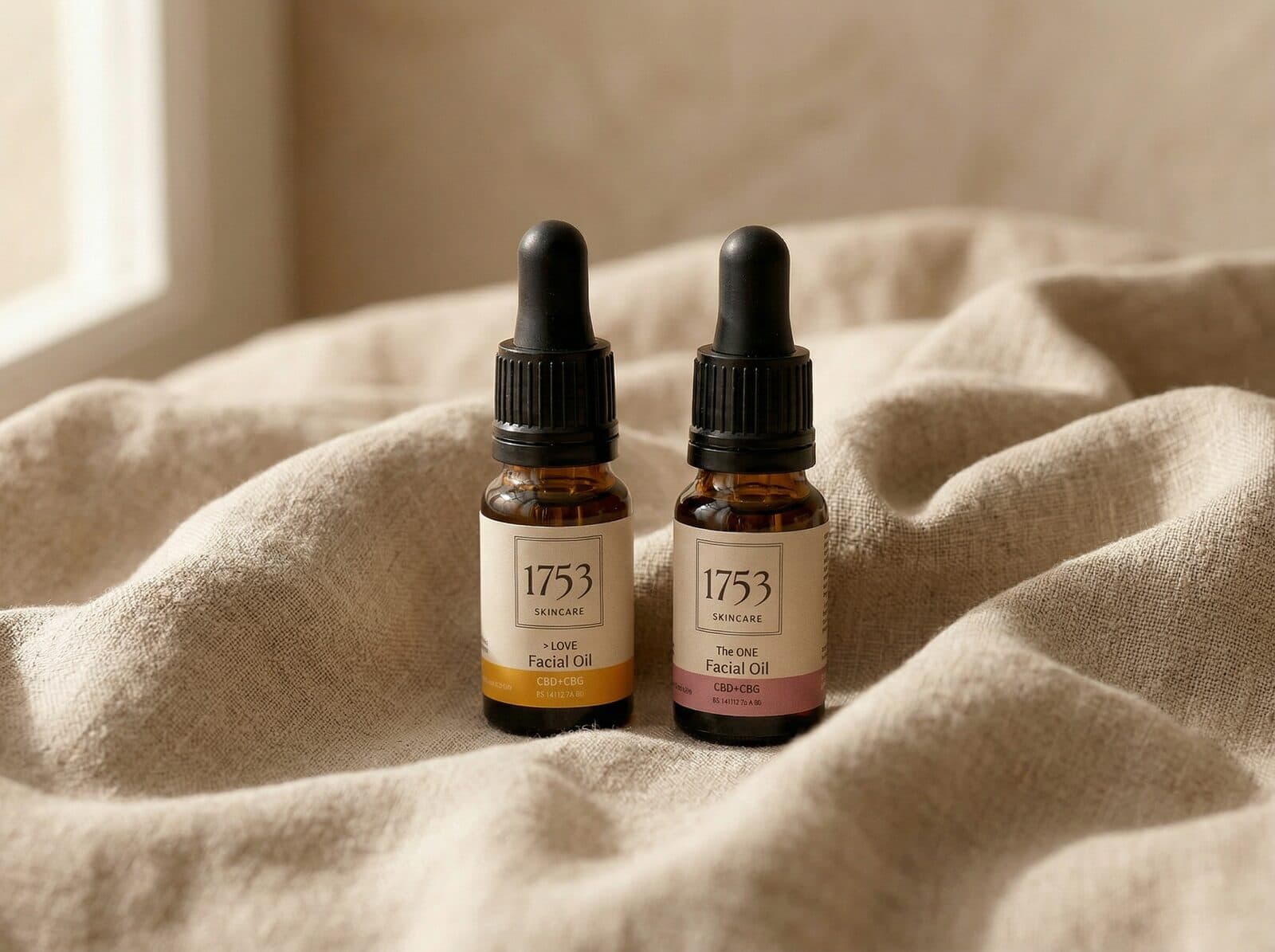
Then comes the DUO-kit as the natural next step for anyone who wants both CBD and CBG in the same routine. The ONE and I LOVE are not about loud promises; they’re about helping skin stay regulated, calm, and less reactive. That’s exactly the kind of foundation that gives red light or blue light a better chance to do its job.
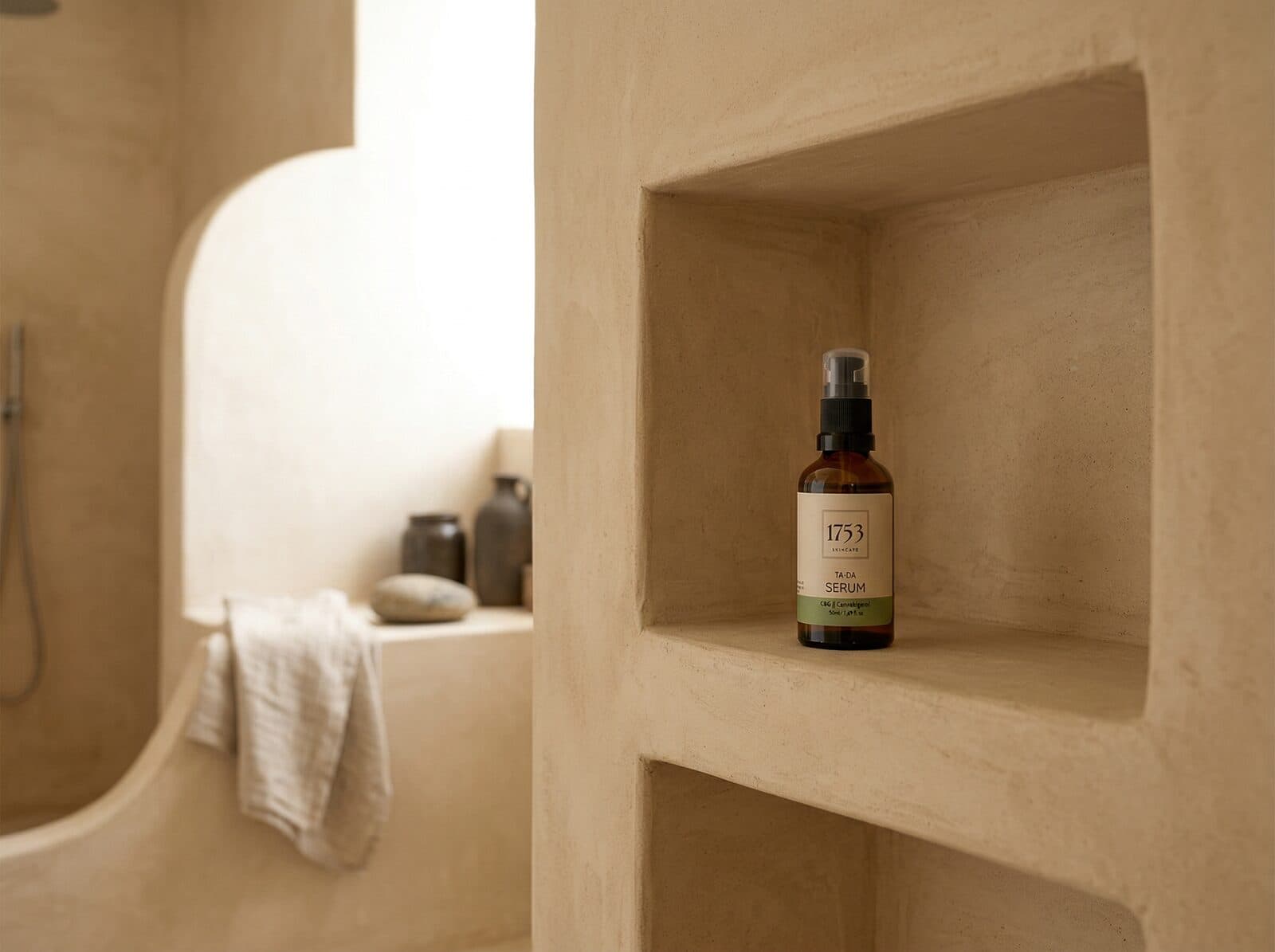
Once the skin is balanced, Ta-DA serum can be the extra layer for people who want antioxidant support and anti-aging without building a bathroom lab. In other words: first a skin barrier that isn’t fighting you, then optional tools on top. Not as flashy as hype. Just more sensible.
Products we recommend
 Save €34
DUO kit
Two face oils, one for morning and one for evening. Simple skincare that works with your skin, not against it.
TA-DA Serum
A CBG-powered serum that seals in moisture and adds glow, whatever the season.
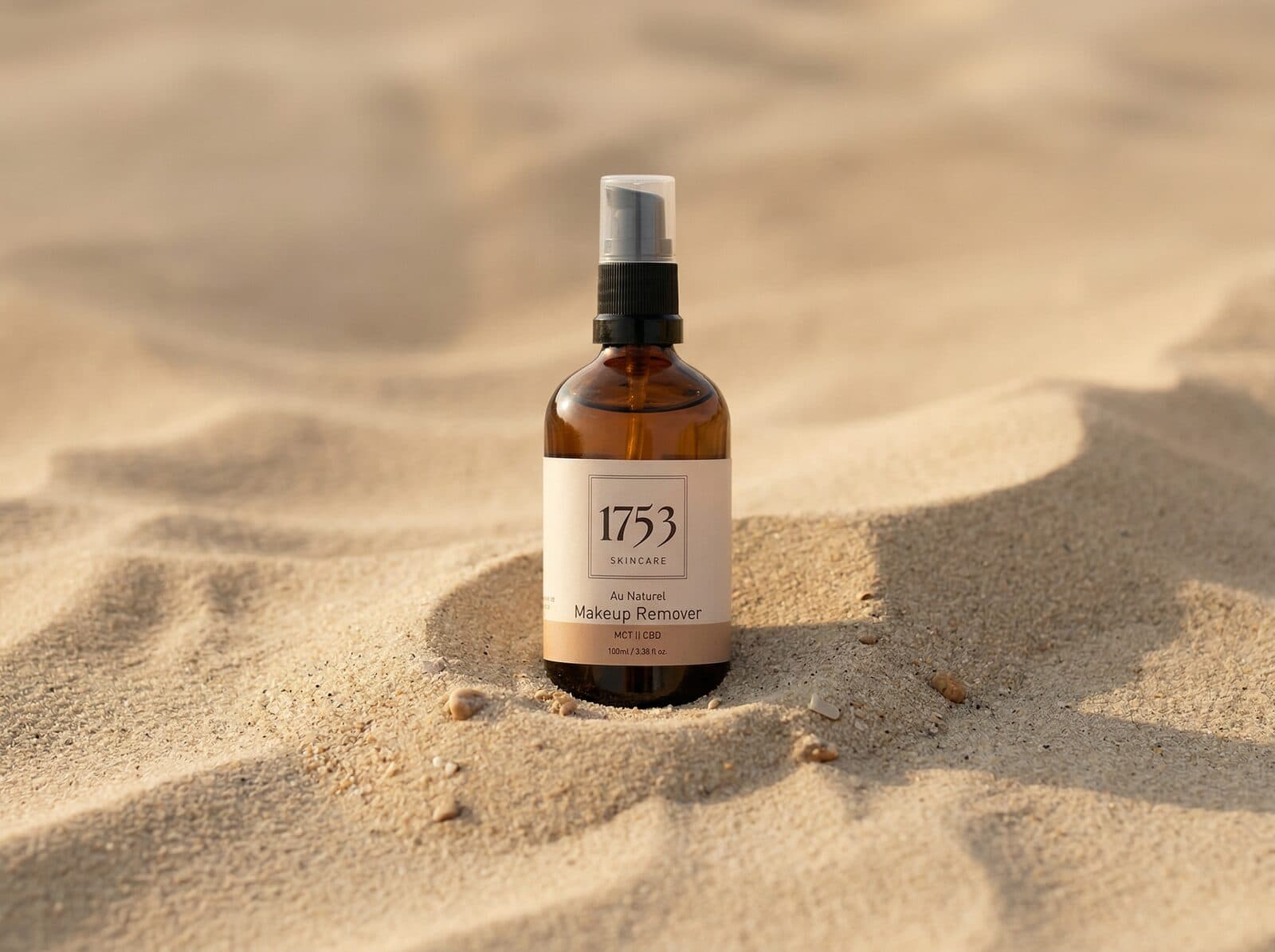
Au Naturel Makeup Remover
A cleansing oil with MCT and CBD that removes makeup and buildup without stripping your skin bare.
Frequently asked questions
Does a led mask home actually work?
For certain skin goals, yes. Red light around 630 nm and blue light around 415 nm have been studied for different effects, but results are usually gradual. It’s a tool, not a quick fix.
Should I use it every day?
Not necessarily. Follow the device instructions and think consistency rather than intensity. More is rarely better, especially if your skin is already sensitive.
Can I combine LED with actives?
Yes, but be thoughtful. If your skin is already irritated by acids, retinoids, or too much exfoliation, it’s smarter to calm the routine down first and let LED be a complement.
What results should I look for?
Less redness, a more even feel, and fewer flare-ups over time are reasonable signs. Collagen stimulation isn’t something you see overnight; it shows up in skin structure with regular use.
Sources
- Bíró T, Tóth BI, Haskó G, Paus R, Pacher P. The endocannabinoid system of the skin in health and disease. Trends Pharmacol Sci 2009;30(8):411–420.
- Prescott SL, Larcombe DL, Logan AC, et al. The skin microbiome: impact of modern environments on skin ecology, barrier integrity, and systemic immune programming. World Allergy Organ J 2017;10(1):29.
Article reviewed by Christopher Genberg, founder of 1753 SKINCARE.
Related articles
Trend
Slugging skincare – moisture lock or trap?
Slugging sounds almost too easy: seal everything in at night and wake up softer. Sometimes that’s ex...
Trend
Skin cycling - a neat name for simple logic
Skin cycling took off because it sounds like structure in a skincare world that often does too much....
Trend
Skin flooding – when more starts to feel like less
Skin flooding became a fast favorite for serum lovers: layer after layer of hydration, often on damp...
Ingredient Portrait
cbd for skin – less noise, more balance
CBD for skin is interesting because it doesn’t try to bully the skin into behaving. It works with th...
Ingredient Portrait
cbg for skin – the mother cannabinoid that calms and renews
CBG usually lives in CBD’s shadow, but skin can tell the difference. This is the cannabinoid that ma...
Ingredient Portrait
Jojoba oil skin – wax that works with you
Jojoba oil is not a regular oil, and that is exactly why people keep coming back to it. It comes fro...