
Symptom
Age spots – when the sun shows on skin
You notice them as small darker patches that seem to linger. Maybe they appeared after years of summers, or maybe your skin just doesn’t bounce back the way it used to. Age spots are less about “getting older” and more about time, light, and cumulative stress.
What actually causes age spots?
Age spots, also called lentigines, form after repeated exposure to UV damage and, in some people, HEV/blue light. That exposure signals melanocytes to produce more melanin, and over time the pigment distribution becomes uneven. It’s not a single event – it’s the result of years of light exposure adding up.
The mainstream reflex is to attack the skin with harsh exfoliation or “stronger is better” actives. But skin is not a surface to be scrubbed into obedience. When the barrier is stressed, inflammation can rise and pigmentation can look even more obvious, especially if your skin already runs reactive.
Prevention-first matters here: less new damage, more calm, and a routine that doesn’t keep pushing the skin into defense mode. If a spot changes shape, color, or grows quickly, get it checked by a clinician. We don’t diagnose – we help you support the skin around it.
Here’s what to do today
Use daily protection
Wear sunscreen consistently and remember that everyday light matters, especially if you spend time outdoors. Less new exposure gives your skin more room to stay steady.
Cleanse gently
Swap harsh cleansers for something that removes dirt without leaving your skin tight. A calmer barrier usually means less visible reactivity over time.
Cut down friction
Avoid rubbing your face dry or overusing strong acids. Pigmented skin often looks more pronounced when it’s irritated, not when it’s “more treated”.
Keep the routine simple
Use fewer products that your skin actually tolerates and give them time to work. Long-term consistency usually beats aggressive short-term fixes.
Support from within too
Sleep, stress, and recovery all shape how skin behaves over time. Skin is part of the body, not a separate project for the beauty industry to isolate.

How to actually handle age spots over time
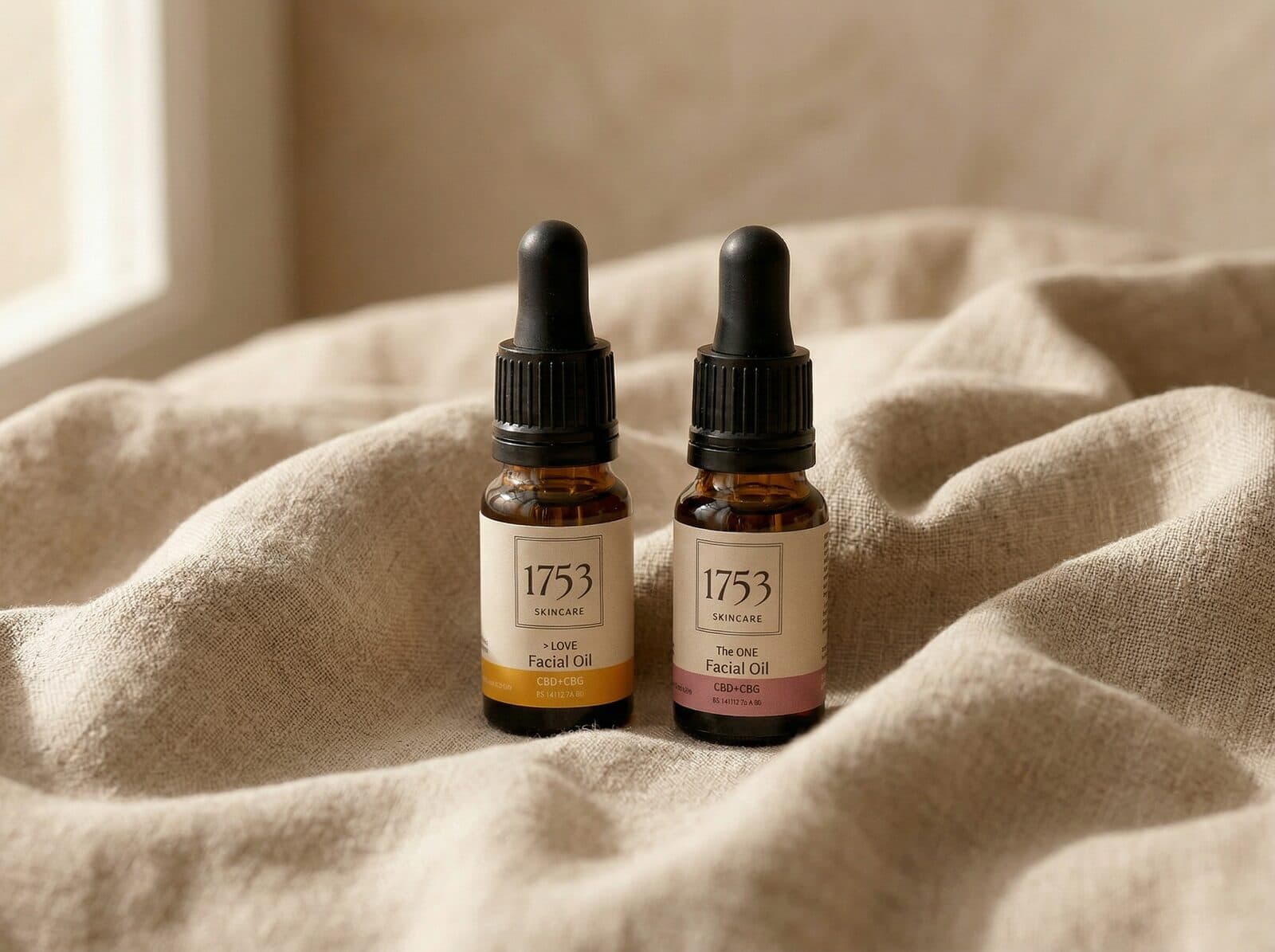
There’s no magic shortcut for age spots, only a strategy that reduces fresh stress and gives skin a chance to settle. That’s where the DUO kit fits naturally: The ONE can calm the surface with CBD and MCT, while I LOVE with CBG supports skin that tends to get overwhelmed. It’s a less aggressive way to care for skin that has seen a lot of light.
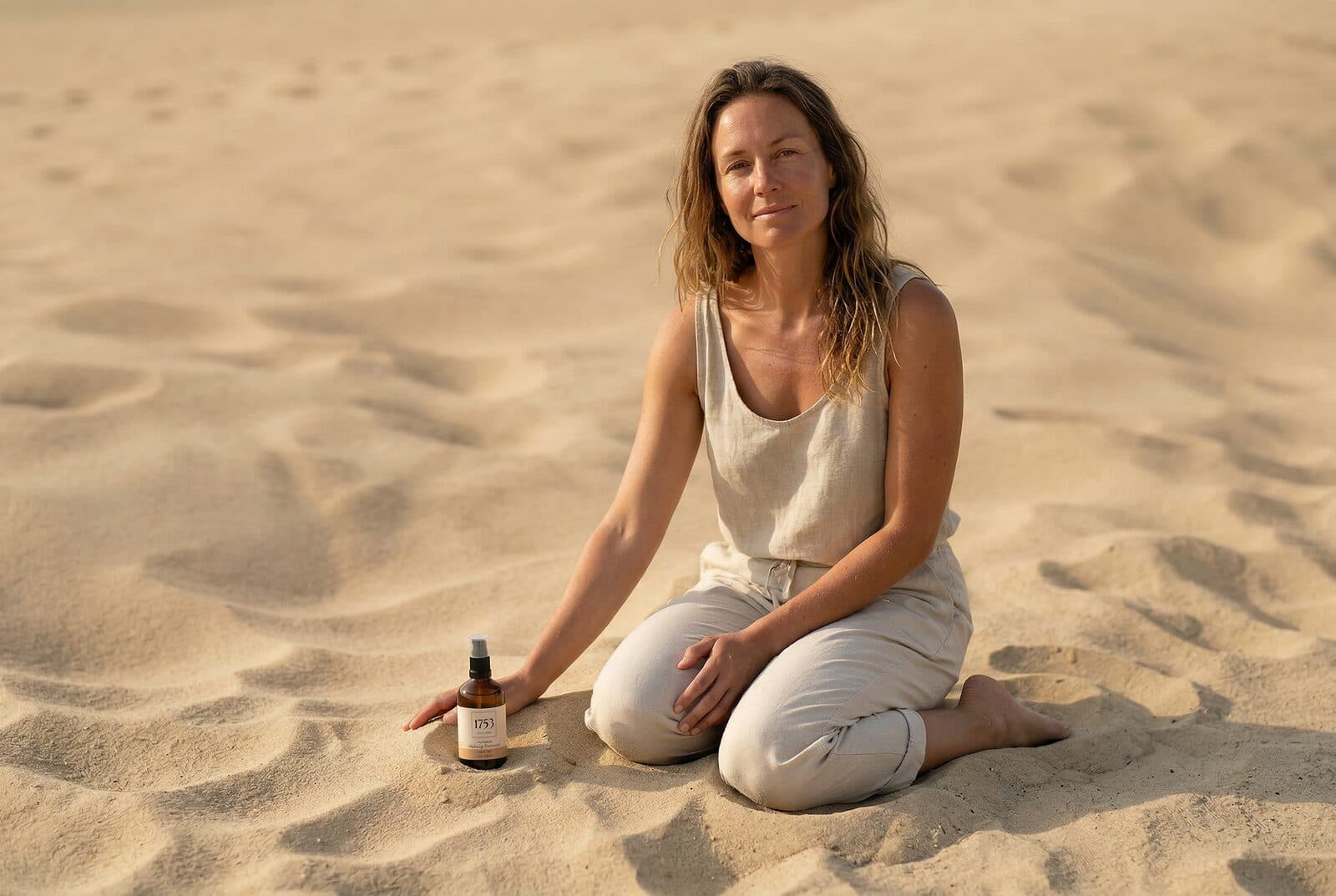
If you want to cleanse without turning your face into a battle zone, Au Naturel Makeup Remover makes sense. The MCT oil lifts away dirt and SPF gently, without the need for scrubbing or stripping. Not flashy. Just kinder to the barrier.
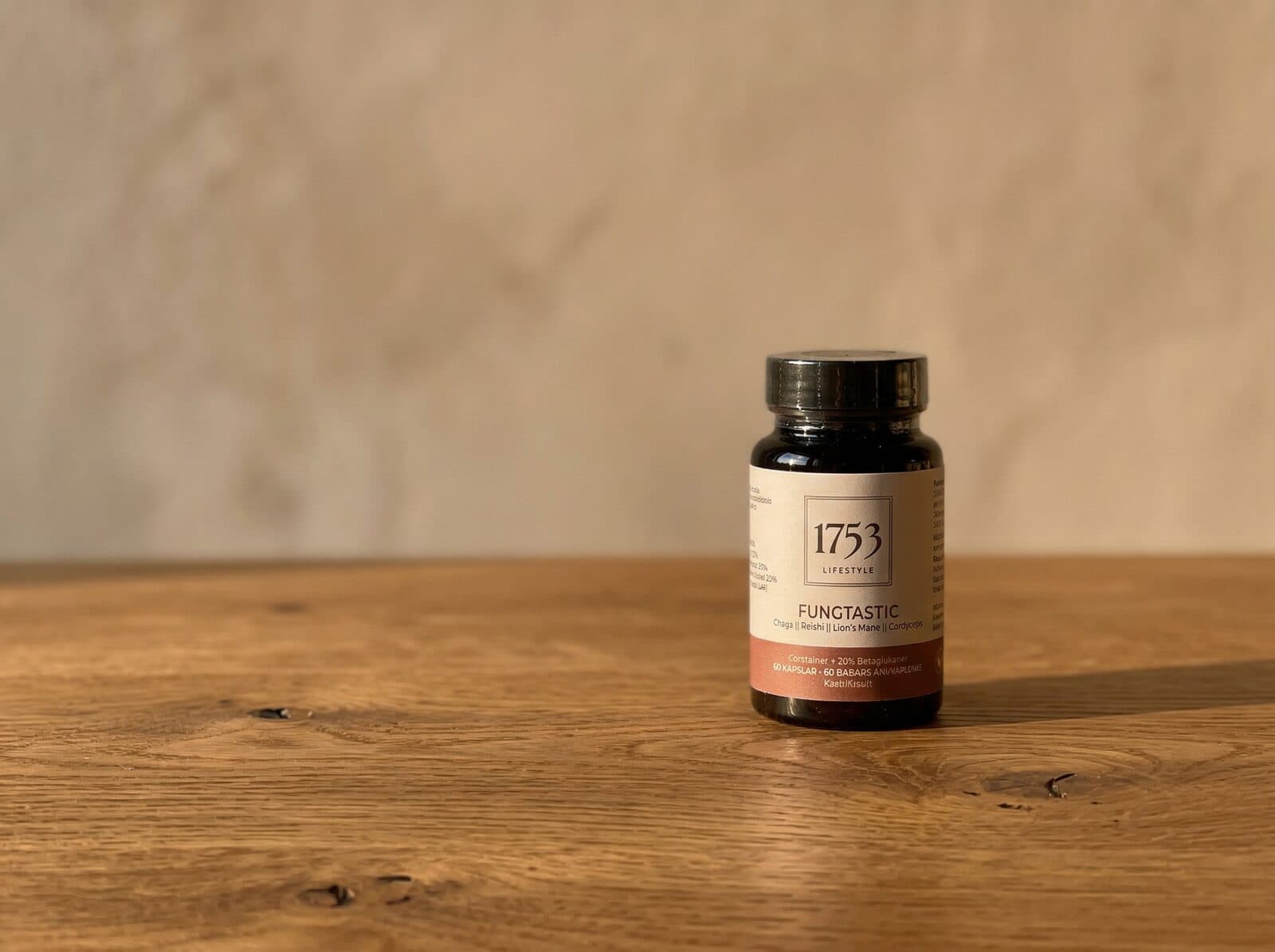
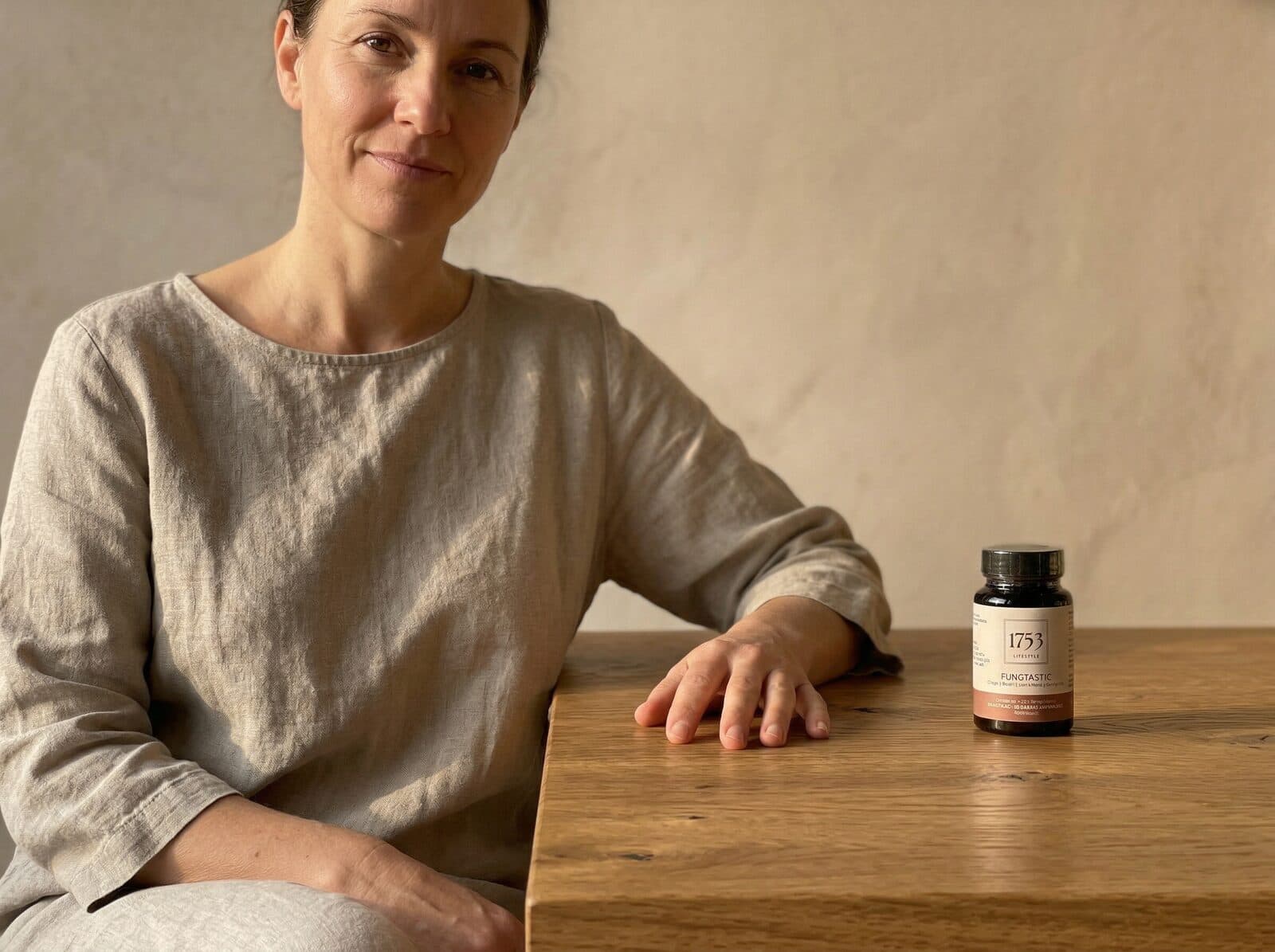
For a prevention-first approach from the inside, Fungtastic Mushroom Extract brings chaga, reishi, lion’s mane, and cordyceps into the mix. It’s an oral supplement aimed at supporting immunity and gut health – two systems that influence how the skin recovers over time. Less internal chaos, less external noise, better conditions for a more even-looking complexion.
Products we recommend
 Save €34
DUO kit
Two face oils, one for morning and one for evening. Simple skincare that works with your skin, not against it.
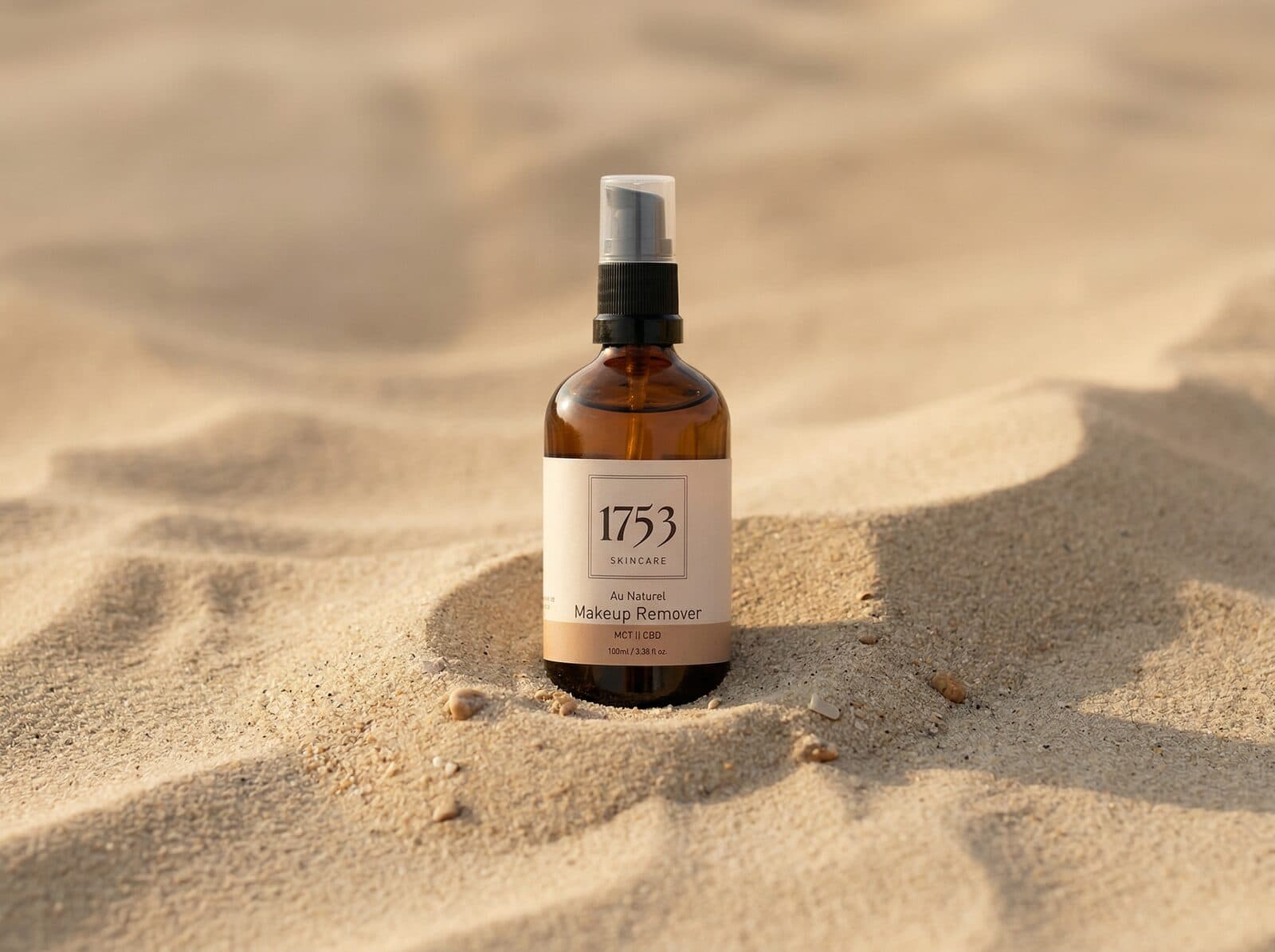
Au Naturel Makeup Remover
A cleansing oil with MCT and CBD that removes makeup and buildup without stripping your skin bare.
Fungtastic Mushroom Extract
Four mushrooms in one formula to support immunity, focus, energy and sleep from within.
Frequently asked questions
Can age spots fade completely?
Sometimes they can soften a bit over time, especially if you stop adding new UV exposure. But the main goal is often to reduce contrast and prevent more spots from forming, not to chase perfection.
Does blue light really matter?
HEV/blue light is not the same as intense summer sun, but it can contribute to pigmentation in some people, especially alongside UV. Think of it as an added nudge, not the only cause.
Should I exfoliate them away?
Not aggressively. Over-exfoliating can stress skin and make uneven tone look worse. Gentle care, consistency, and sun protection are usually more useful than chasing a peel effect.
When should I see a doctor?
If a spot changes shape, color, border, or starts itching or bleeding, have it checked. Anything that doesn’t fit your usual pattern deserves attention.
Sources
- Byrd AL, Belkaid Y, Segre JA. The human skin microbiome. Nat Rev Microbiol 2018;16(3):143–155.
- Salem I, Ramser A, Isham N, Ghannoum MA. The Gut Microbiome as a Major Regulator of the Gut-Skin Axis. Front Microbiol 2018;9:1459.
- Chen Y, Lyga J. Brain-skin connection: stress, inflammation and skin aging. Inflamm Allergy Drug Targets 2014;13(3):177–190.
Article reviewed by Christopher Genberg, founder of 1753 SKINCARE.
Related articles
SYMPTOM
Itchy skin – why nights make it worse
You finally lie down, and then it starts. The itch that was manageable all day suddenly takes over y...
Symptom
Flaky skin – when your skin starts shedding
When skin starts lifting in little flakes, it’s tempting to assume it needs a stronger cleanser, ano...
Symptom
Dry skin around mouth – when the skin pushes back
It often starts as tightness, flaking or tiny red patches right around the mouth. Sometimes it sting...
Skin Barrier
Skin microbiome – why balance changes everything
Your skin is not sterile. It’s an ecosystem where trillions of microbes help keep the barrier strong...
Condition
Hormonal acne – why it keeps coming back
Deep breakouts around the chin, jaw and lower face are rarely just “bad skin.” More often, they’re a...
Skin Condition
Seborrheic dermatitis – why skin flakes
Red, flaky, stubborn. Seborrheic dermatitis loves the places where skin is richest in sebum: the T-z...