
Skin Barrier
Skin microbiome – why balance changes everything
Your skin is not sterile. It’s an ecosystem where trillions of microbes help keep the barrier strong, the immune system calm, and inflammation under control. When we treat skin like a dirt problem, it usually answers with more reactivity — not less.

Why are we still trying to scrub away what protects us?
The skin microbiome is made up of bacteria, fungi, and other microorganisms living in constant dialogue with your skin cells. Species like Staphylococcus epidermidis can help keep opportunistic microbes in check, while Cutibacterium acnes is not the enemy by default — it’s part of a balance that gets thrown off when cleansing and exfoliation go too far.
Research increasingly points to diversity in the skin microbiome as a marker of a more resilient barrier and a calmer inflammatory response. When skin is exposed to harsh antibacterial cleansers or too many actives at once, the ecological balance can shift. The result is often skin that feels tighter, oilier, or more reactive — sometimes all at the same time.
That’s where the old dogma falls apart: clean skin is not the same as stripped skin. If your routine keeps trying to sterilize the surface, you leave skin without its natural buffer. A better approach is to support the microbiome so skin can do what it was designed to do: protect, regulate, and recover.
Five habits that support balance
Cleanse more gently
Choose a cleanser that removes SPF and grime without leaving skin squeaky. When the barrier is left intact, the skin microbiome has a better chance to stay stable.
Stop overfeeding your routine
Fewer products can mean better results. A routine that jumps between acids, retinoids, and strong antibacterial steps often stresses skin more than it helps.
Think pre- and postbiotic
Prebiotics can support the microbes you want to keep, while postbiotics are the beneficial compounds left behind by microbes. Together, they’re often more interesting than the next harsh “purifying” trend.
Give skin recovery time
Leave space in your routine for skin to breathe. It’s often during the pause that the barrier catches up and the microbiome finds its rhythm again.
Respect variation
Your skin does not need to look identical every day. A bit of oil, dryness, or temporary redness does not always mean something is wrong — sometimes it just means skin is doing its job.

How to support the microbiome for real
The most sensible way to work with the skin microbiome is to stop trying to control it by force. Au Naturel Makeup Remover uses MCT oil to dissolve makeup and daily buildup without leaving skin feeling stripped. It’s a small but important difference: you remove what should go, while leaving the barrier and the microbial ecosystem intact.
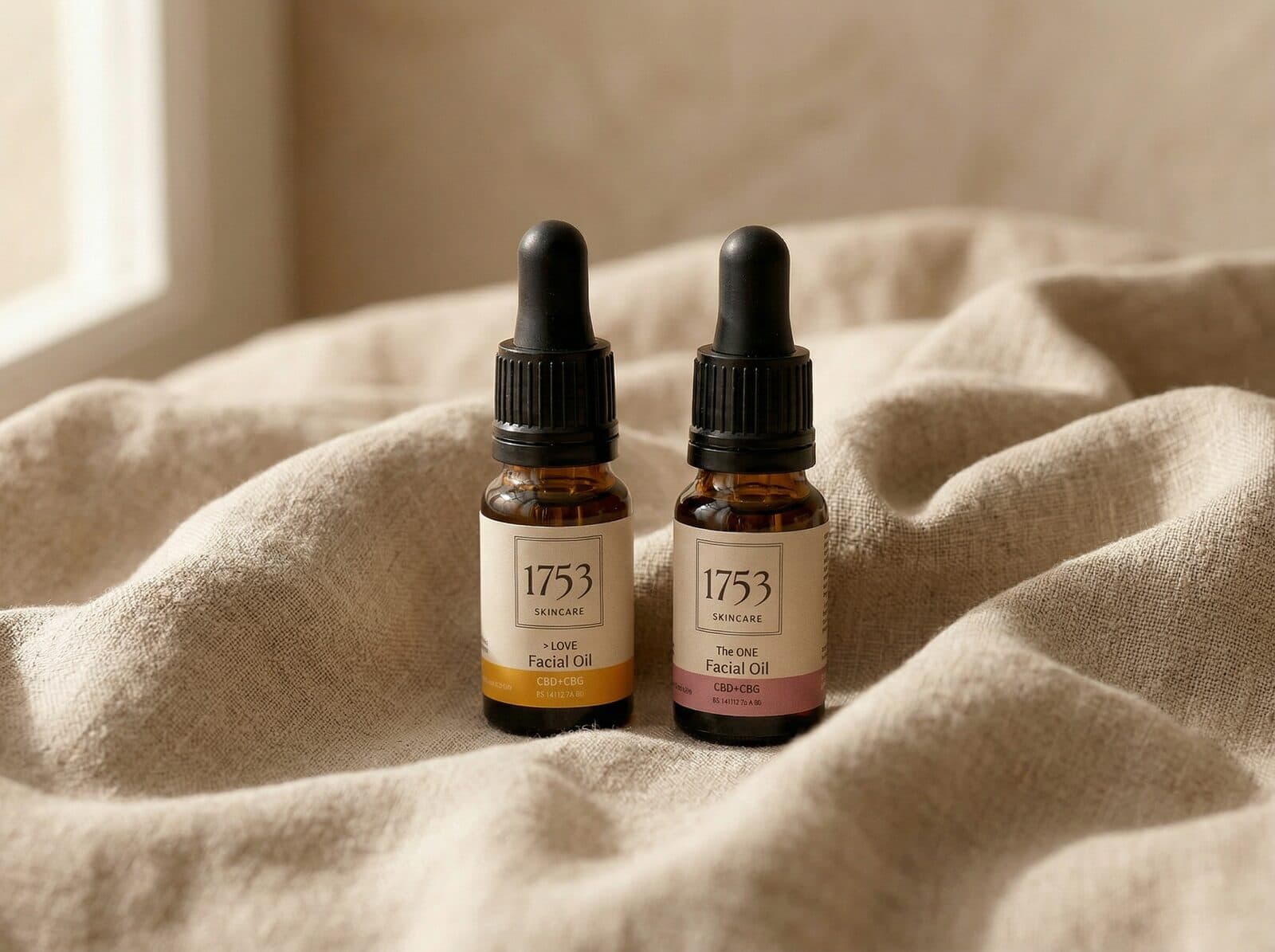
For daily balance, the DUO kit is an easy way to think less war and more cooperation. The ONE, with CBD and MCT, supports skin with a regulating face oil, while I LOVE, the CBG serum, helps calm the skin and support a microbiome that can stay diverse instead of wiped out. This is not about doing more — it’s about doing the right things.
When skin needs an extra layer of resilience, Fungtastic Mushroom Extract can be a natural complement. Chaga, Reishi, Lion’s Mane, and Cordyceps are taken orally to support the body’s own defense systems, which matters for skin too. Less internal stress, better conditions on the surface.
Products we recommend
 Save €34
DUO kit
Two face oils, one for morning and one for evening. Simple skincare that works with your skin, not against it.
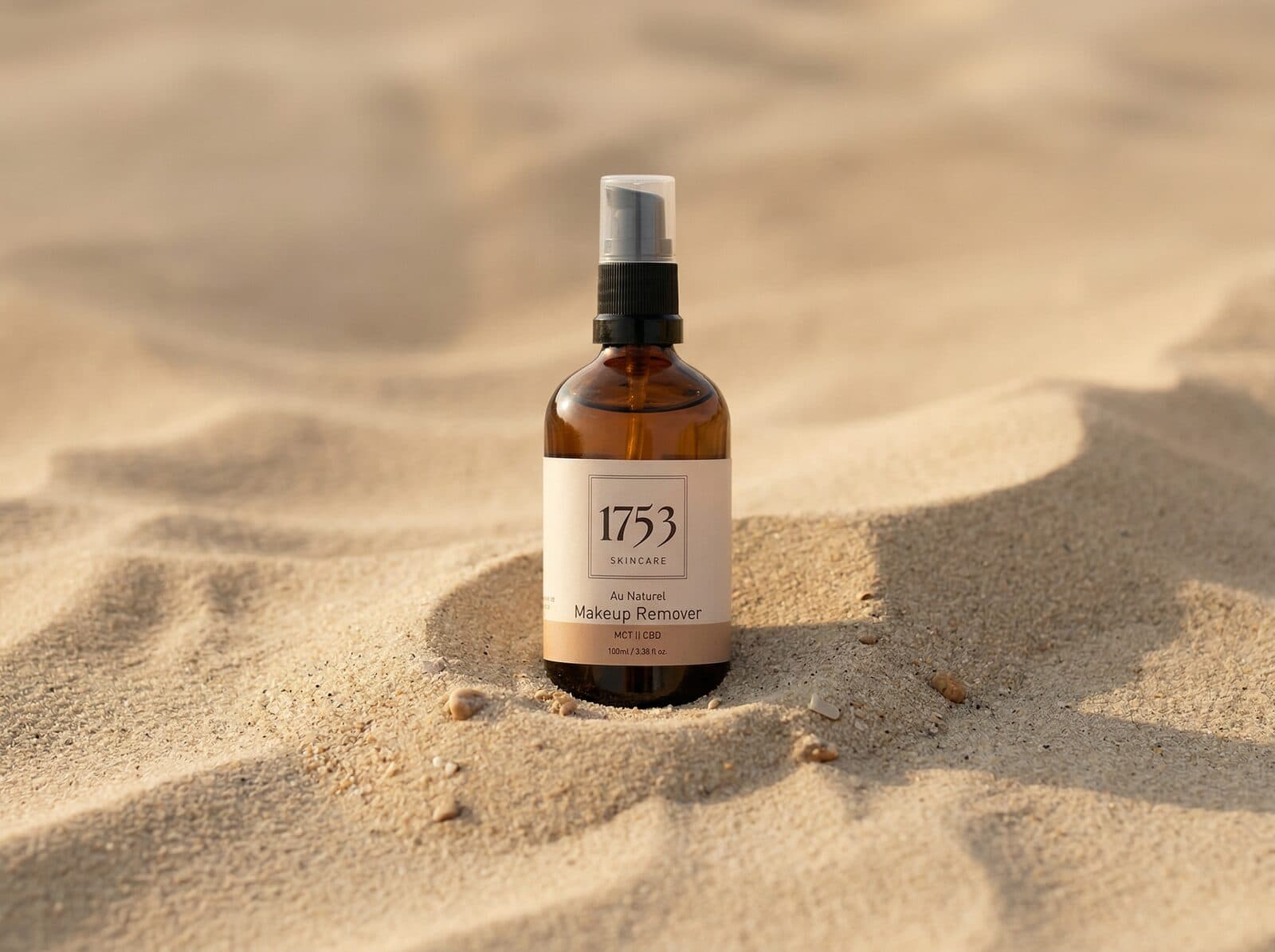
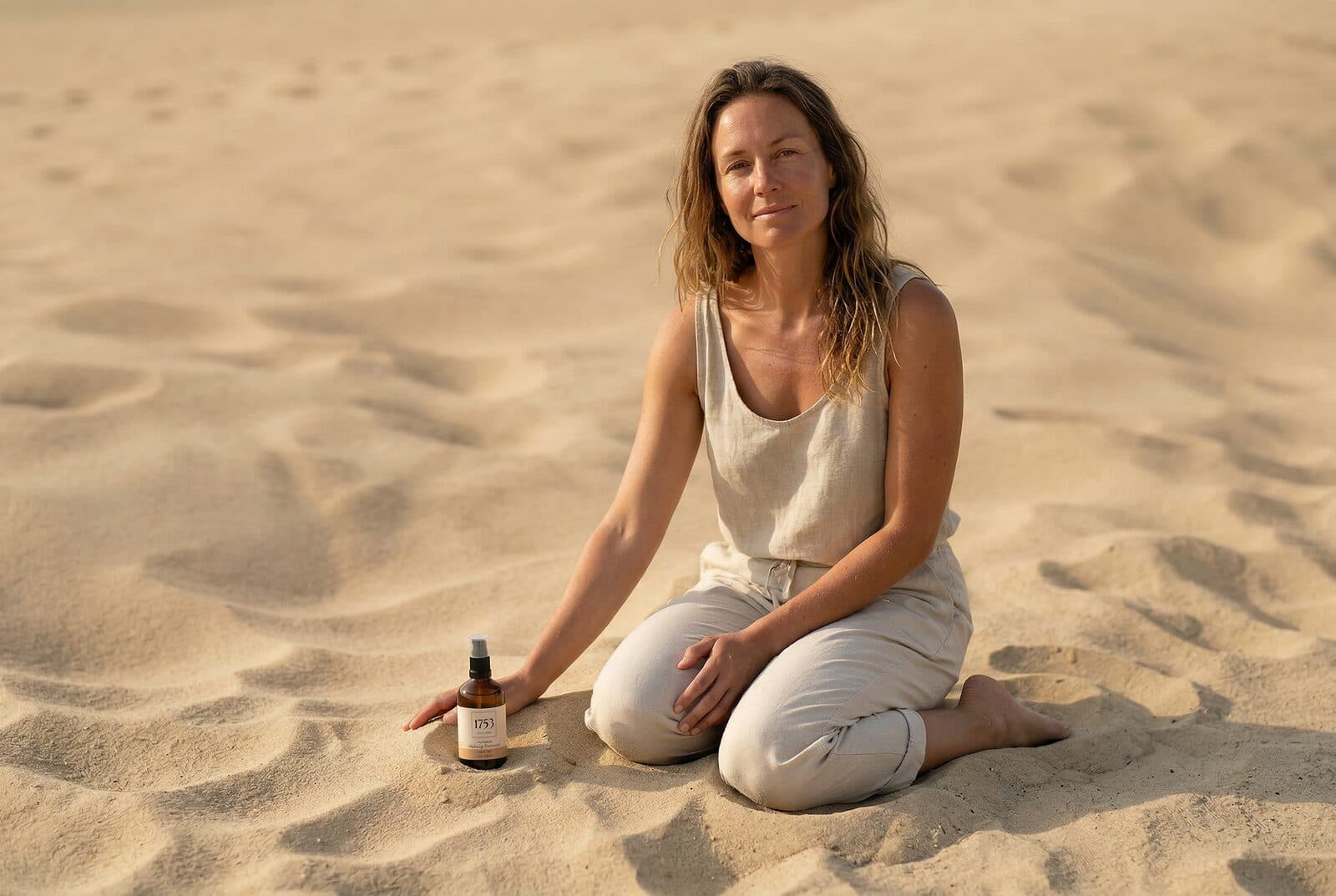
Au Naturel Makeup Remover
A cleansing oil with MCT and CBD that removes makeup and buildup without stripping your skin bare.
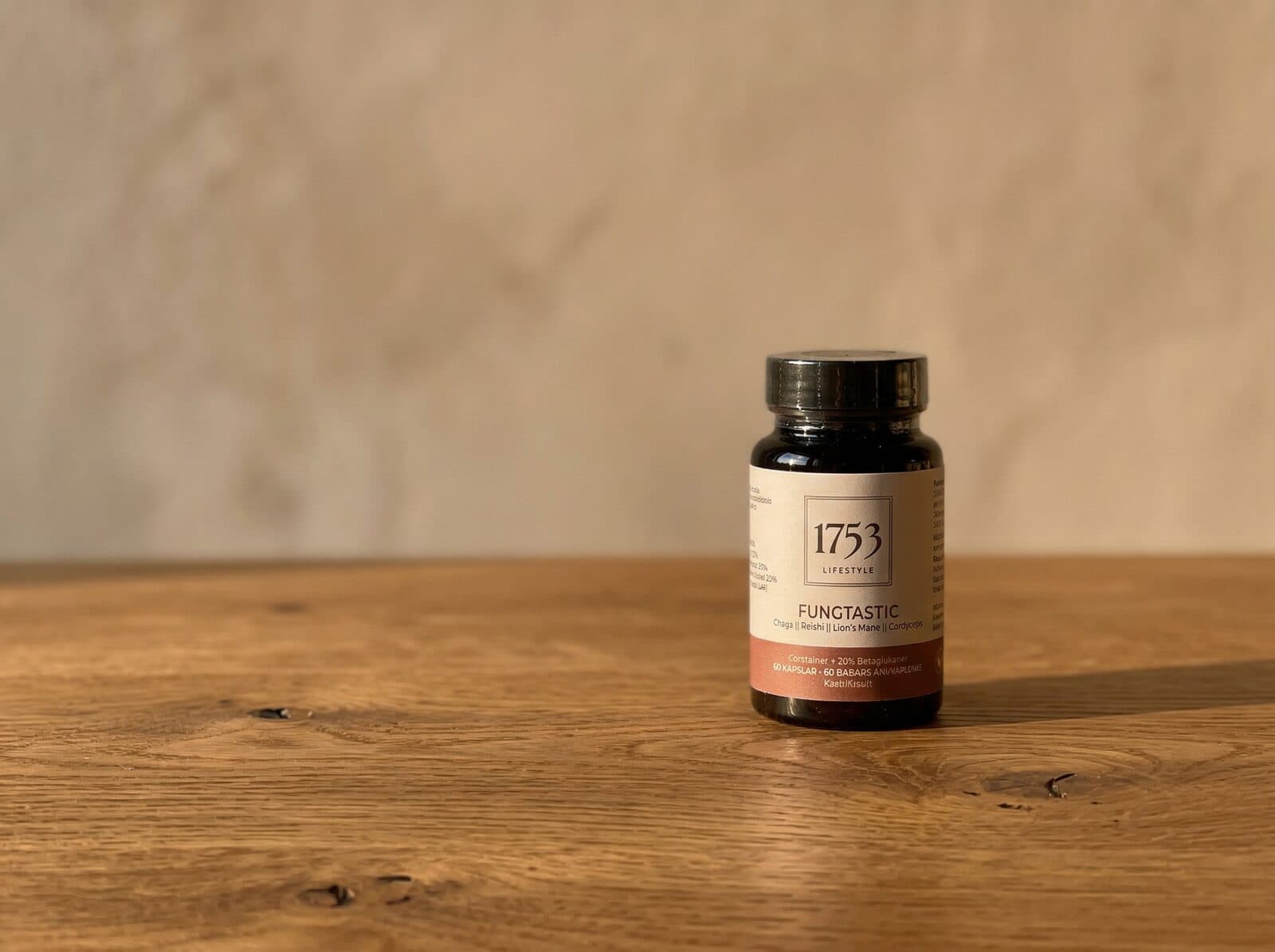

Fungtastic Mushroom Extract
Four mushrooms in one formula to support immunity, focus, energy and sleep from within.
Frequently asked questions
What is the skin microbiome?
It’s the community of microorganisms living on your skin that help keep the barrier, immune response, and inflammation in balance. A diverse microbiome is often linked to more resilient skin.
Are antibacterial cleansers bad?
Not always, but they’re often used more than skin actually needs. Too much antibacterial cleansing can reduce diversity and make skin more reactive, especially when the barrier is already under pressure.
What’s the difference between prebiotics and postbiotics?
Prebiotics act like food for beneficial microbes. Postbiotics are the helpful compounds microbes produce and leave behind, which can be interesting for barrier support and skin calm.
How do I know if my routine is disturbing the microbiome?
If skin often feels tight, gets easily flushed, or seems both oily and dry at once, your routine may be too harsh. That’s usually a sign to simplify and choose gentler steps.
Sources
- Byrd AL, Belkaid Y, Segre JA. The human skin microbiome. Nat Rev Microbiol 2018;16(3):143–155.
- Salem I, Ramser A, Isham N, Ghannoum MA. The Gut Microbiome as a Major Regulator of the Gut-Skin Axis. Front Microbiol 2018;9:1459.
- Lin TK, Zhong L, Santiago JL. Anti-Inflammatory and Skin Barrier Repair Effects of Topical Application of Some Plant Oils. Int J Mol Sci 2017;19(1):70.
Article reviewed by Christopher Genberg, founder of 1753 SKINCARE.
Related articles
Condition
Hormonal acne – why it keeps coming back
Deep breakouts around the chin, jaw and lower face are rarely just “bad skin.” More often, they’re a...
Skin Condition
Seborrheic dermatitis – why skin flakes
Red, flaky, stubborn. Seborrheic dermatitis loves the places where skin is richest in sebum: the T-z...
Skin Conditions
Acne treatment – your skin is asking for help, not punishment
Acne isn't a sign you're doing something wrong. It's your skin signaling that something is out of ba...
Skin Streaming
Minimalist 5 step routine – why less can do more
Skincare has become too much of everything: too many steps, too much exfoliation, too much cleansing...
SYMPTOM
Itchy skin – why nights make it worse
You finally lie down, and then it starts. The itch that was manageable all day suddenly takes over y...
Symptom
Flaky skin – when your skin starts shedding
When skin starts lifting in little flakes, it’s tempting to assume it needs a stronger cleanser, ano...