
Trend Guide
Glazed donut skin – shine without the grease
Hailey Bieber’s glazed donut skin looks effortless, but the finish is more science than magic. It’s not about drowning skin in product; it’s about building subtle gloss in the right layers. Here’s when the trend works, when it just stresses the barrier, and how to make it skin-smart.
Is glazed donut skin glow — or just overdoing it?
What makes glazed donut skin so visually effective is the mix of hydration, light reflection, and a thin occlusive oil film that helps reduce water loss from the skin. When the surface is smoother, light scatters more softly, which is why the look often reads as a “filter” rather than makeup. But the effect is cosmetic, not magical.
The problem starts when people confuse gloss with aggressive exfoliation, strong actives, and too many layers. First they try to sand the skin smooth, then they cover the stress with oil. The barrier doesn’t love that logic. Research on skin-barrier function consistently shows that over-treatment can increase irritation, tightness, and reactivity instead of delivering more glow.
The 1753 philosophy is less dramatic: calm skin first, trend second. You don’t need the wettest possible version of shine. Most of the time, a controlled subtle gloss looks more alive on real skin than it ever does on a phone filter.
How to build glow without the mess
Cleanse gently
Start with a cleanser that doesn’t leave your skin feeling stripped. If you want glow later, the base needs to be calm now — not squeaky-clean and irritated.
Use thin layers
Apply moisture and oil in small amounts, pausing between steps. Layering works best when each step has time to settle; otherwise, it just turns slippery.
Choose the right oil
Go for an occlusive oil feel that locks in moisture without feeling heavy. That’s the difference between subtle gloss and skin that just looks greasy.
Press, don’t rub
Warm the product in your hands and press it into the skin. Rubbing can disturb the base and make the finish uneven, especially around the nose and cheeks.
Check in daylight
Look in natural light and scale back if your skin already reads as shiny. Glazed donut skin should look like healthy radiance, not like you’ve just greased up for a rainstorm.
How 1753 makes the glow trend better
If you want glazed donut skin without overloading the skin, start with Au Naturel Makeup Remover. The gentle MCT oil lifts the day without ripping at the barrier, so skin feels clean, not stripped. It’s the right first move when the goal is glow, not “squeaky clean.”
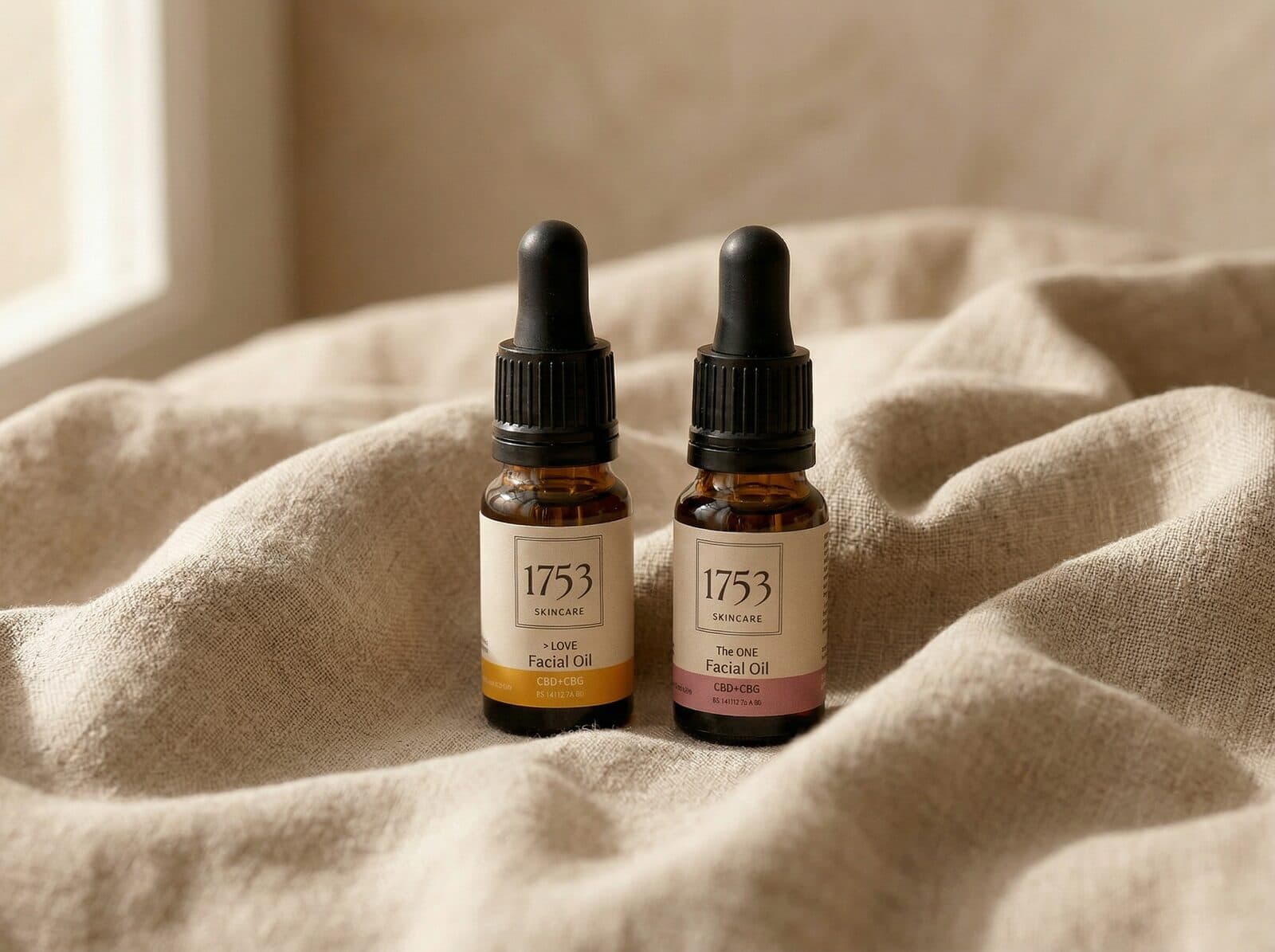
Then build the foundation with the DUO kit: The ONE brings a skin-regulating oil finish, while I LOVE adds CBG and a calmer, more balanced feel. Together they create the full-spectrum base that fits this trend far better than random gloss on stressed skin.
If you want to take the look further without turning into a shine mask, Ta-DA serum is the final layer that makes sense. Its antioxidant cocktail with CBG and adaptogens gives a more alive finish, especially when skin looks tired from weather, screens, or too much skincare ambition. In 1753 terms, this is the foundation — everything else glazed is optional.
Products we recommend
 Save €34
DUO kit
Two face oils, one for morning and one for evening. Simple skincare that works with your skin, not against it.
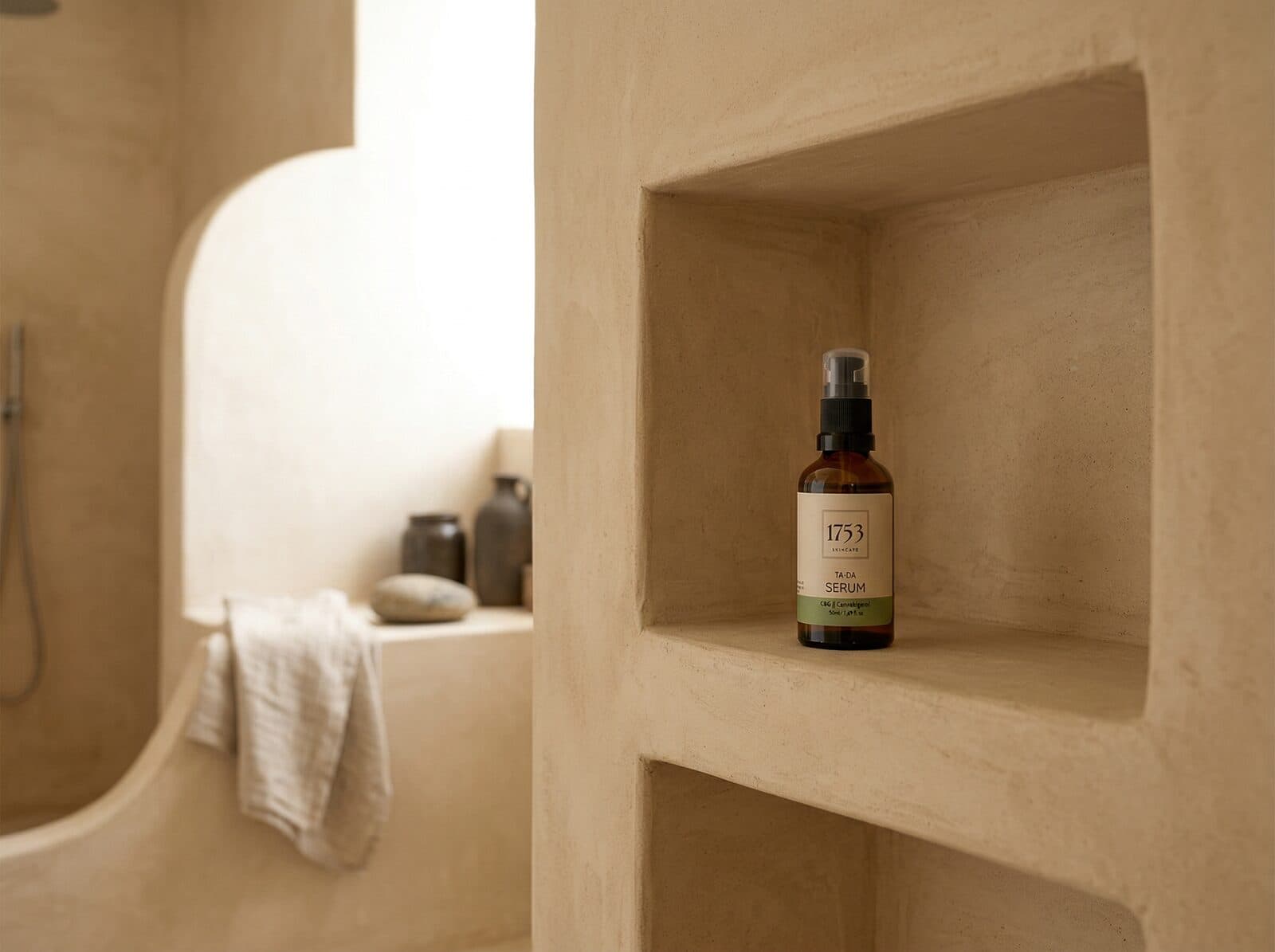
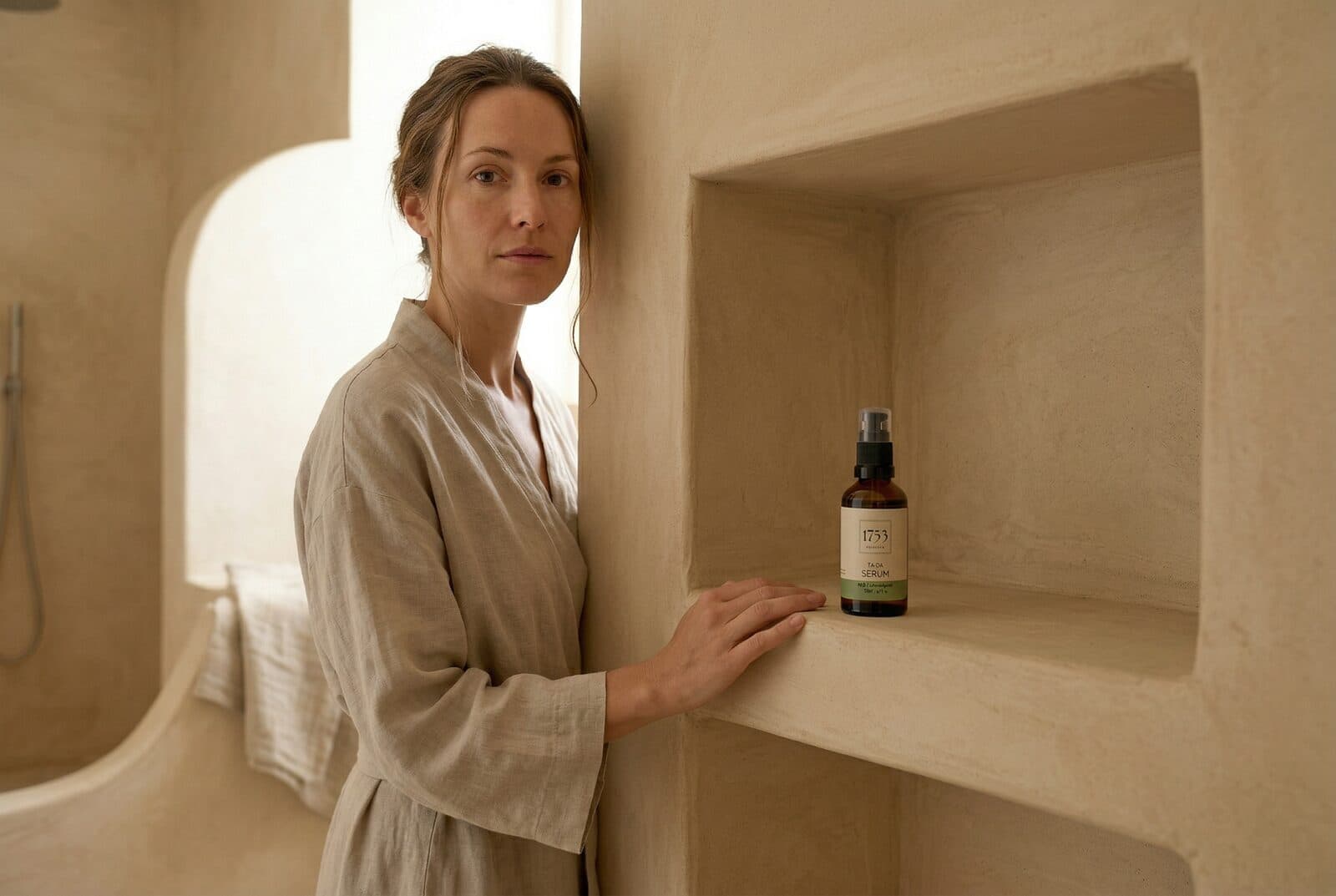
TA-DA Serum
A CBG-powered serum that seals in moisture and adds glow, whatever the season.
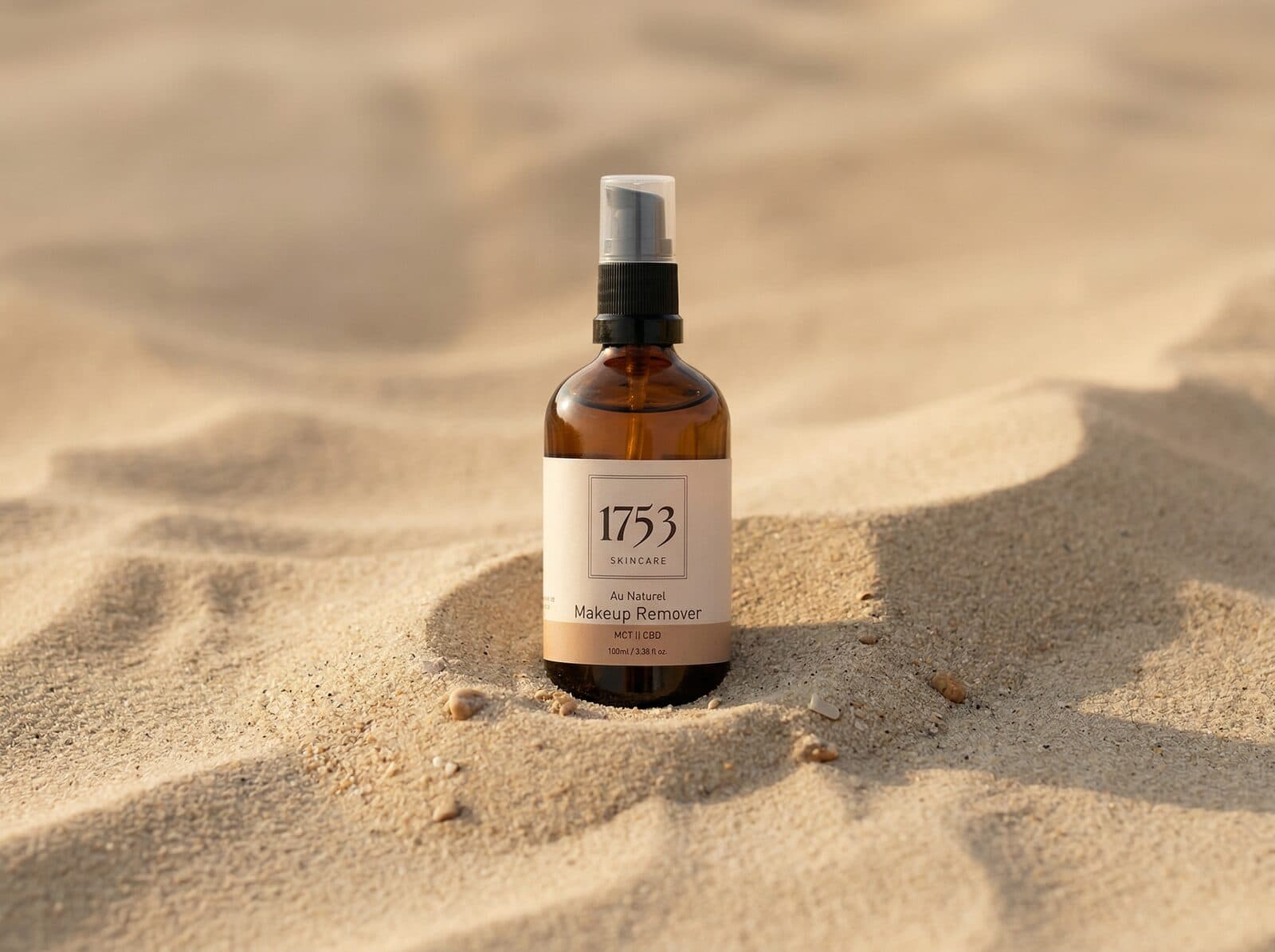
Au Naturel Makeup Remover
A cleansing oil with MCT and CBD that removes makeup and buildup without stripping your skin bare.
Frequently asked questions
What is glazed donut skin, really?
It’s a trend for skin that looks even, hydrated, and lightly glossy — basically a subtle filter-look. The point is radiance, not wetness or product overload.
Does the trend suit every skin type?
Not in the exact same way. Dry skin often likes more occlusive oil, while combination or acne-prone skin usually does better with thinner layers and careful dosing. Test slowly and pay attention.
Can you get glazed donut skin without makeup?
Yes, that’s often the whole idea. When the skin surface is calm and even, smart layering goes a long way. A good oil and a light serum can deliver more glow than a full makeup routine.
When does glossy skin become a bad idea?
When your skin is already irritated, over-exfoliated, or flaking. Extra layers can just hide the issue for a while. First calm the skin and reduce friction, then chase shine.
Sources
- Bíró T, Tóth BI, Haskó G, Paus R, Pacher P. The endocannabinoid system of the skin in health and disease. Trends Pharmacol Sci 2009;30(8):411–420.
- Prescott SL, Larcombe DL, Logan AC, et al. The skin microbiome: impact of modern environments on skin ecology, barrier integrity, and systemic immune programming. World Allergy Organ J 2017;10(1):29.
Article reviewed by Christopher Genberg, founder of 1753 SKINCARE.
Related articles
Trend
Slugging skincare – moisture lock or trap?
Slugging sounds almost too easy: seal everything in at night and wake up softer. Sometimes that’s ex...
Trend
Skin cycling - a neat name for simple logic
Skin cycling took off because it sounds like structure in a skincare world that often does too much....
Trend
Skin flooding – when more starts to feel like less
Skin flooding became a fast favorite for serum lovers: layer after layer of hydration, often on damp...
Ingredient Portrait
cbd for skin – less noise, more balance
CBD for skin is interesting because it doesn’t try to bully the skin into behaving. It works with th...
Ingredient Portrait
cbg for skin – the mother cannabinoid that calms and renews
CBG usually lives in CBD’s shadow, but skin can tell the difference. This is the cannabinoid that ma...
Ingredient Portrait
Jojoba oil skin – wax that works with you
Jojoba oil is not a regular oil, and that is exactly why people keep coming back to it. It comes fro...