
Foot Care
Foot care dry heels - less friction, more relief
Dry heels usually do not need harsher treatment. They need less friction, less dehydration and a routine that respects the skin’s job. When hyperkeratos builds up, the answer is not punishment - it is smarter foot care.

Why do heels get so dry and cracked?
The heel has thick skin, but it is also a high-pressure zone. Every step creates friction, and the skin responds by thickening. That process is called hyperkeratosis: a build-up of tougher cells meant to protect, but one that can crack when the skin is too dry.
Unlike the face, the sole and heel have very few sebaceous glands, so there is less natural oil to keep the surface supple. Add hot showers, dry indoor air and shoes that rub in the same place all day, and the result is predictable. Dry, rough heels are usually mechanical, not a sign that you are somehow “bad at hygiene.”
The mainstream mistake is to attack the skin with constant scrubbing and harsh acids. That may feel productive, but over-exfoliation can weaken the barrier and trigger even more thickening as defence. Good foot care works with the skin’s biology, not against it. The goal is flexibility, not abrasion.
What actually helps?
Soften before you file
Give the skin a chance to loosen up first. After a shower or foot soak, hardened areas are easier to treat and less likely to crack when you work on them.
Use urea wisely
A urea 10% scrub can be useful for callus when the skin is truly thick and rough. Use it a few times a week, not as a daily punishment, and let the formula do the softening work.
Dry carefully
Moisture left between the toes can cause irritation and discomfort. Pat the feet dry thoroughly, especially after washing or a soak, so the area stays balanced.
Reduce night friction
A sock-sleeve or soft socks can keep treatment in place and reduce rubbing while you sleep. That small barrier helps the skin recover instead of getting dragged across the sheet all night.
Change your shoes
If the same heel edge keeps rubbing the same spot, the skin will keep defending itself. Better fit, softer materials and a bit of rotation can reduce the pressure that starts the whole cycle.

How to actually fix dry heels
For foot care dry heels, start by calming the triggers: friction and dehydration. Clean gently, dry well and use a urea 10% scrub a few times per week if callus has built up. Urea helps soften the outer layer and makes it easier for the skin to release what it no longer needs, without the brutality of aggressive scraping.
Then put something back. The ONE is safe to use even on sensitive areas, and a few drops go a long way on dry heels and around small cracks. If you want a gentle cleanse before bedtime or need to remove dirt and residue without stripping the skin, Au Naturel Makeup Remover with MCT oil is the low-drama option. Simple, calm, effective.
At night, make it a repeatable routine: The ONE, then a sock-sleeve or soft cotton socks to keep the moisture and reduce friction while you sleep. If the skin also feels irritated or easily inflamed, I LOVE can be a sensible extra step where you need soothing support. This is not about doing more. It is about doing the few things that let the heel stop fighting back.
Products we recommend
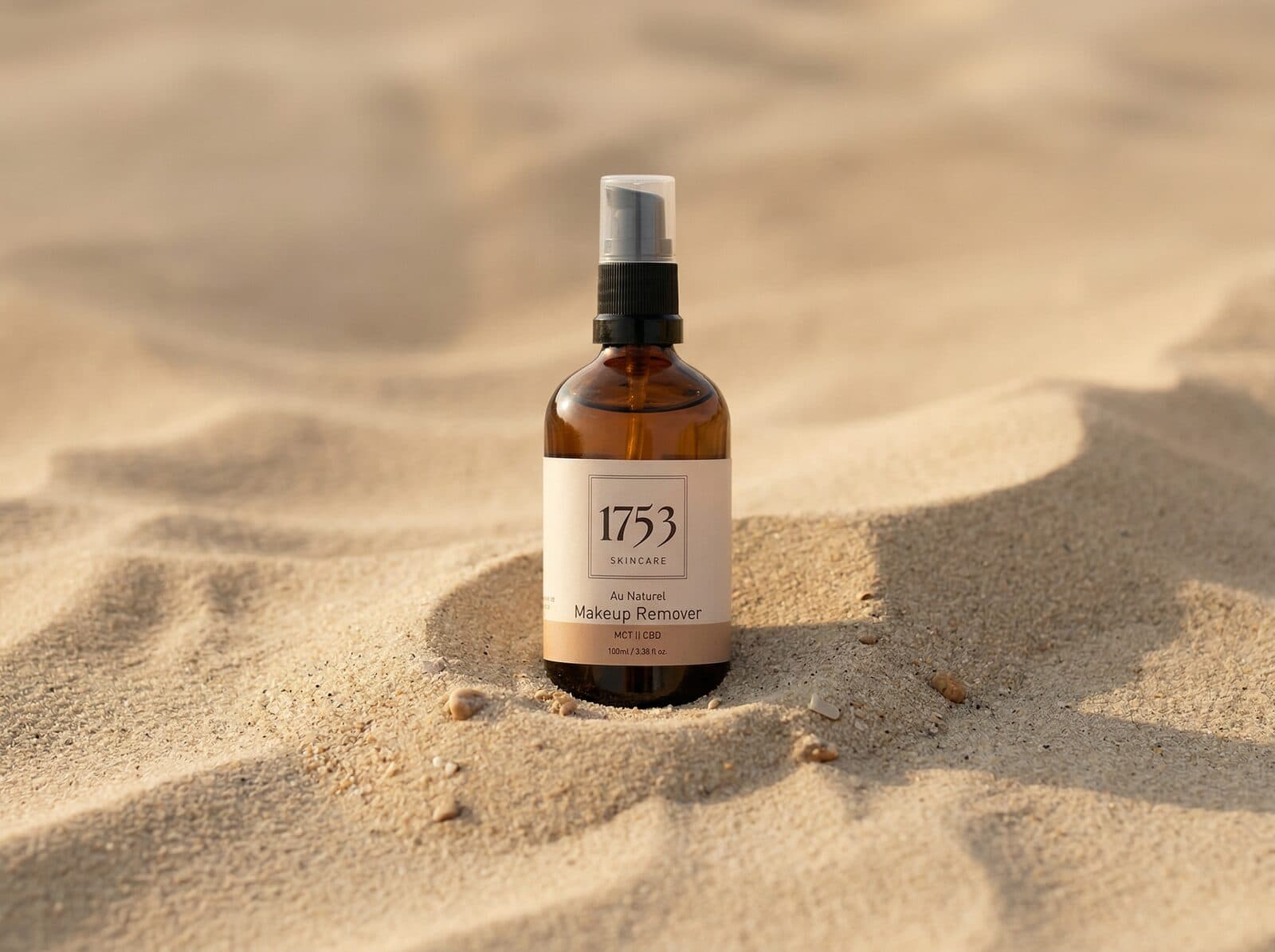
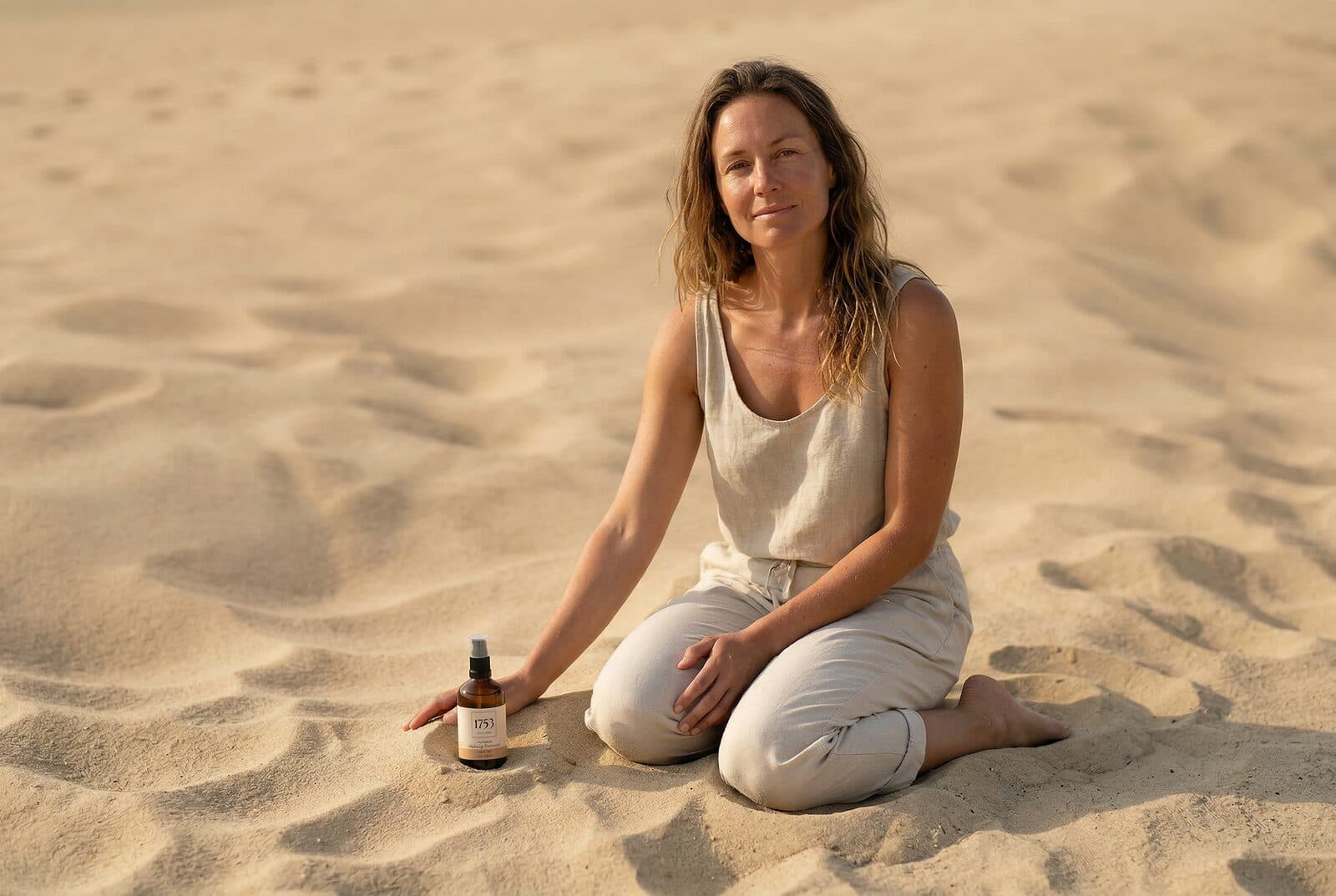
Au Naturel Makeup Remover
A cleansing oil with MCT and CBD that removes makeup and buildup without stripping your skin bare.

 Save €34
DUO kit
Two face oils, one for morning and one for evening. Simple skincare that works with your skin, not against it.
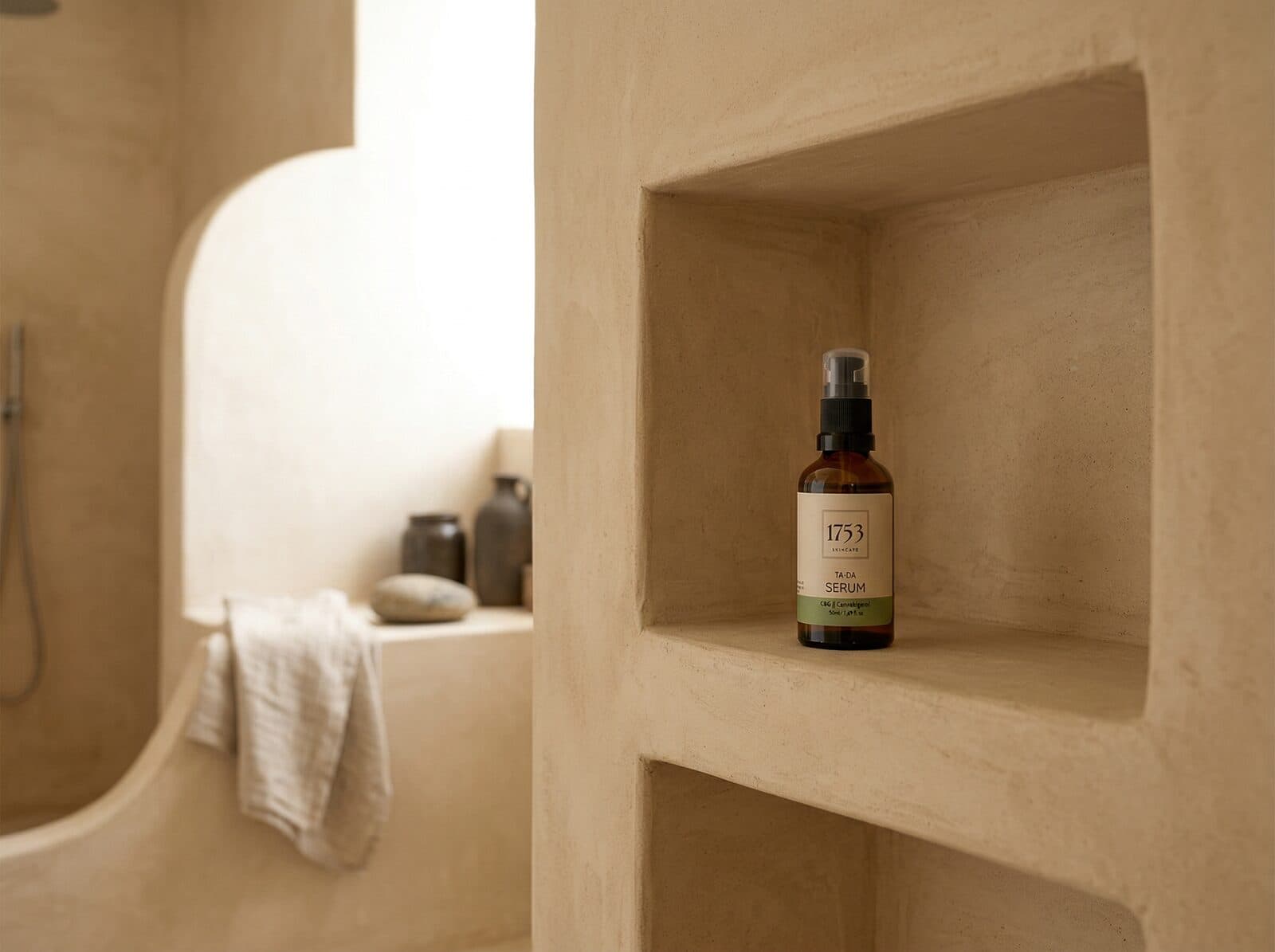
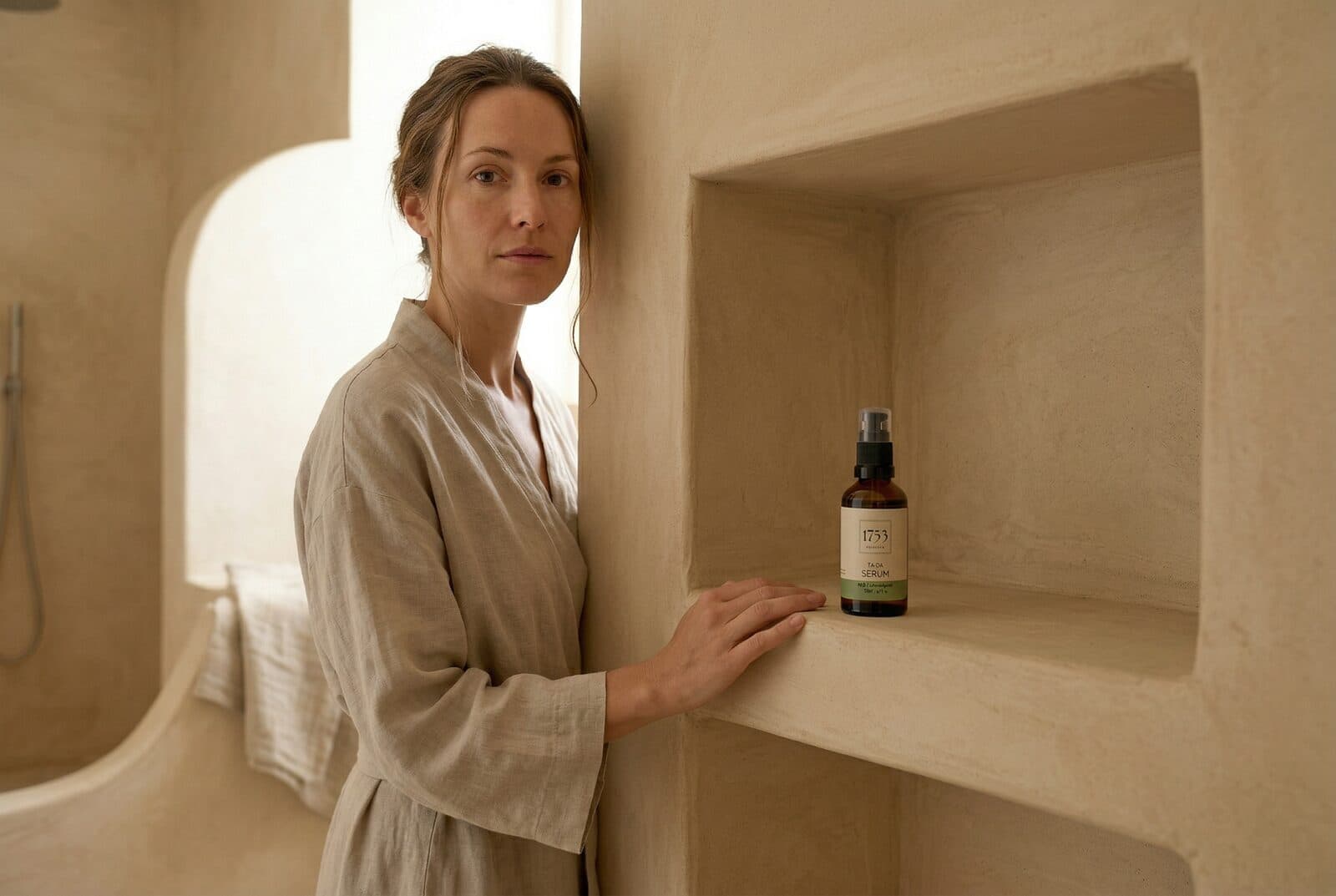
TA-DA Serum
A CBG-powered serum that seals in moisture and adds glow, whatever the season.
Frequently asked questions
Should I scrub my heels every day?
Usually no. If the skin is dry and thick, too much scrubbing can make the barrier more reactive. A few gentle sessions a week is often enough, especially when you also reduce friction and keep the skin moisturised.
Does urea help cracked heels?
Yes, urea 10% is a classic choice for rough, thick heel skin. It helps draw in water and soften hyperkeratosis, which makes the skin easier to care for without over-filing it.
Why are my heels worse in winter?
Cold air, dry heating and closed shoes all increase dehydration and friction. The skin gets less flexible, so cracks form more easily when you walk and stand for long periods.
Can I use a face oil on my feet?
Yes, if the formula is gentle. The ONE is safe for sensitive body areas and can work well as a softening step for dry heels. A little goes a long way, especially after the skin has been lightly moisturised.
Sources
- Proksch E, Brandner JM, Jensen JM. The skin: an indispensable barrier. Exp Dermatol 2008;17(12):1063–1072.
- Lin TK, Zhong L, Santiago JL. Anti-Inflammatory and Skin Barrier Repair Effects of Topical Application of Some Plant Oils. Int J Mol Sci 2017;19(1):70.
Article reviewed by Christopher Genberg, founder of 1753 SKINCARE.
Related articles
Hand Care
Natural hand care – for skin that never gets a break
Your hands show everything: washing, sanitiser, wind, and UV. The skin is thin, often lower in oil g...
Neck Care
Neck cream wrinkles – stop treating the neck like an afterthought
The neck is not just “more face.” It has thinner skin, fewer sebaceous glands and constant exposure ...
Eyelid Skin
eyelid skin care – when thin skin calls the shots
Your eyelids are not “just sensitive.” The skin there is about 0.3 mm thin, has few sebaceous glands...
Skin Barrier
Restore Skin Barrier – stop stripping, start rebuilding
A damaged barrier is rarely a mystery. More often, the stratum corneum has lost its mortar-model bal...
Skin Condition
Keratosis pilaris – why skin turns bumpy
Tiny bumps on the upper arms, thighs, or buttocks are not proof that your skin is failing. Keratosis...
Skin Streaming
Minimalist 5 step routine – why less can do more
Skincare has become too much of everything: too many steps, too much exfoliation, too much cleansing...