
Hand Care
Natural hand care – for skin that never gets a break
Your hands show everything: washing, sanitiser, wind, and UV. The skin is thin, often lower in oil glands than the face, and the stratum corneum loses water fast. That’s why the answer is rarely “more cleansing.” It’s barrier support, not a fight.

Why do hands stay dry even when you wash them properly?
The outer layer of the hands, the stratum corneum, is your first line of defence. When you wash often, use alcohol-based sanitisers, or scrub with harsh surfactants, the skin’s own lipids are stripped away faster than they can be rebuilt. That means more water loss, tightness, and tiny cracks.
The standard advice has long been to cleanse thoroughly and maybe moisturise later, if you remember. But hands are not countertops. They’re thin skin, exposed to constant friction, temperature swings, and plenty of UV on the backs of the hands. Studies on barrier function keep pointing to the same thing: moisturising and gentle cleansing are not extras, they’re maintenance.
UV ageing on the hands is sneaky too. Pigment spots, rough texture, and a more fragile feel often arrive slowly, then all at once. If your knuckles are dry, the skin between your fingers gets irritated, or the backs of your hands never quite feel supple again, that’s not failure. It’s a sign your routine is asking too much from skin that already works overtime.
What to do today
Wash less aggressively
Use lukewarm water and a mild cleanser, not hot water that strips comfort away. Dry your hands carefully, especially between the fingers where moisture can linger and irritate.
Moisturise after every wash
Apply a small amount while the skin is still slightly damp. That helps the stratum corneum hold onto water instead of letting it evaporate straight away.
Protect from sun
The backs of your hands get a lot of UV, even on days when you barely notice it. Shade and sunscreen are not vanity here, they’re damage control.
Cut unnecessary friction
Don’t reach for another “active” hand cream if your skin is already angry. Fewer steps, softer textures, and no harsh exfoliation usually work better.
Respect the weather
Cold air, wind, and dry indoor heat all make hands more vulnerable. Gloves help, but so do breaks from water, cleaning products, and repeated sanitising.

How to actually fix hand care
For hands that face repeated washing and sanitising, simplicity is often the smartest move. Au Naturel Makeup Remover works as a gentle MCT-based cleanse when you want to remove grime without leaving skin even drier. It’s safe for sensitive areas too, and you only need a little.
When hands feel tight, red, or just worn out, The ONE is an easy next step after washing. CBD plus MCT makes it a good fit when you want to support the skin without loading it up with unnecessary actives. On hands, the goal is often lipid support and calm, not more stimulation.
If your hands also take a beating from stress, weather, and repeated irritation, the DUO kit is the most logical base: The ONE for barrier-friendly softness and I LOVE when you want a soothing, antibacterial serum in the mix. Small drops go a long way. That’s the whole point when skin is already working overtime.
Products we recommend
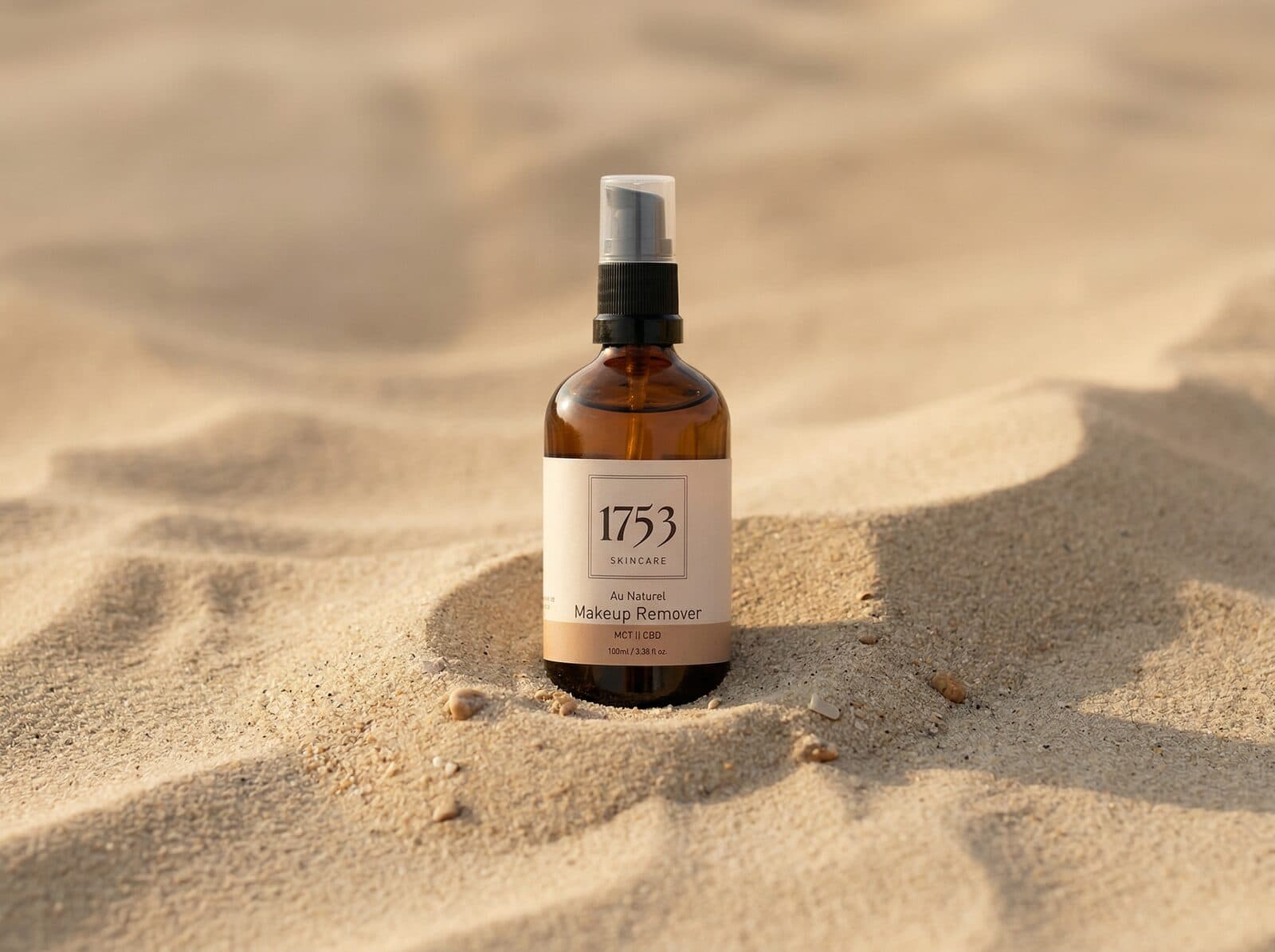
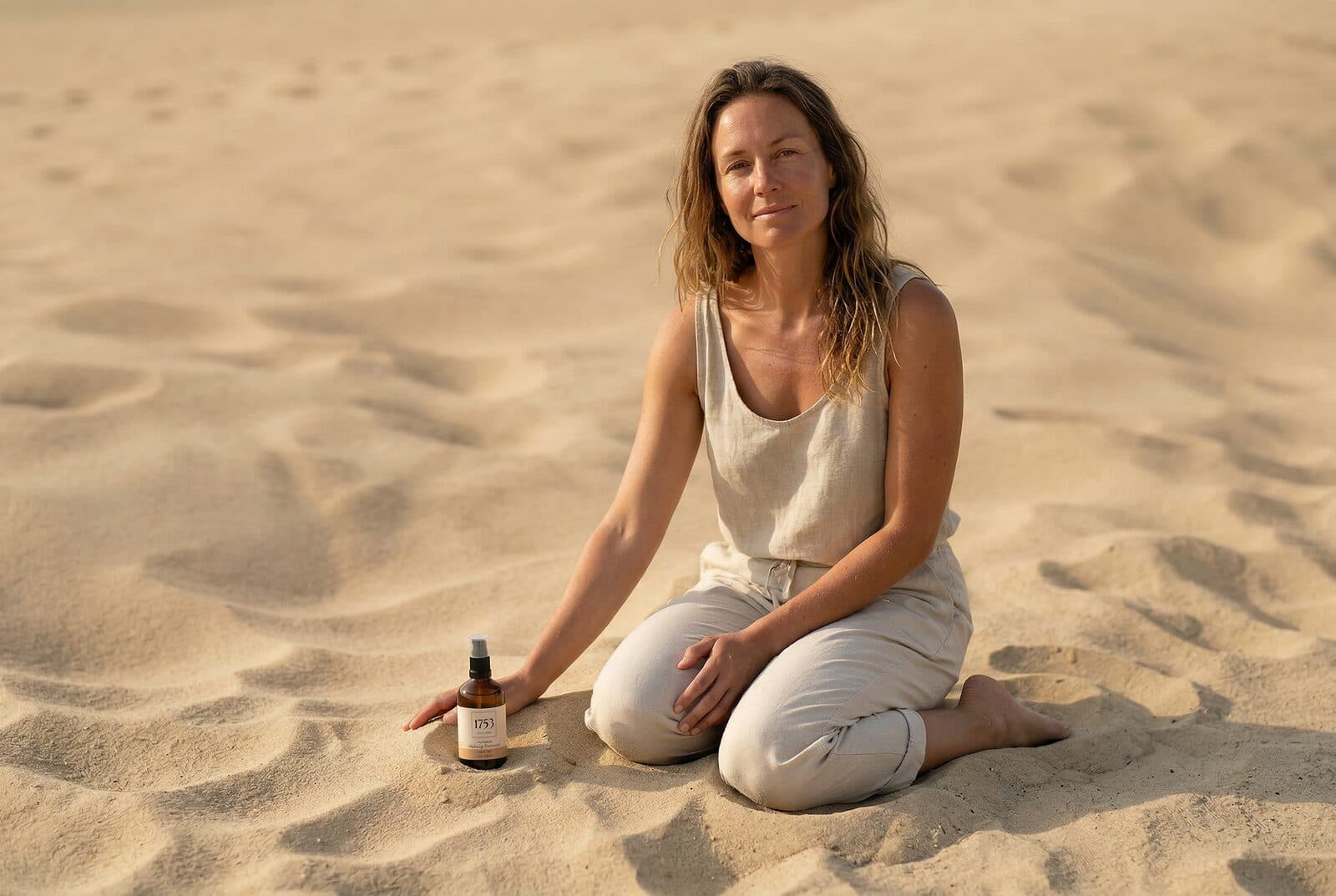
Au Naturel Makeup Remover
A cleansing oil with MCT and CBD that removes makeup and buildup without stripping your skin bare.

 Save €34
DUO kit
Two face oils, one for morning and one for evening. Simple skincare that works with your skin, not against it.
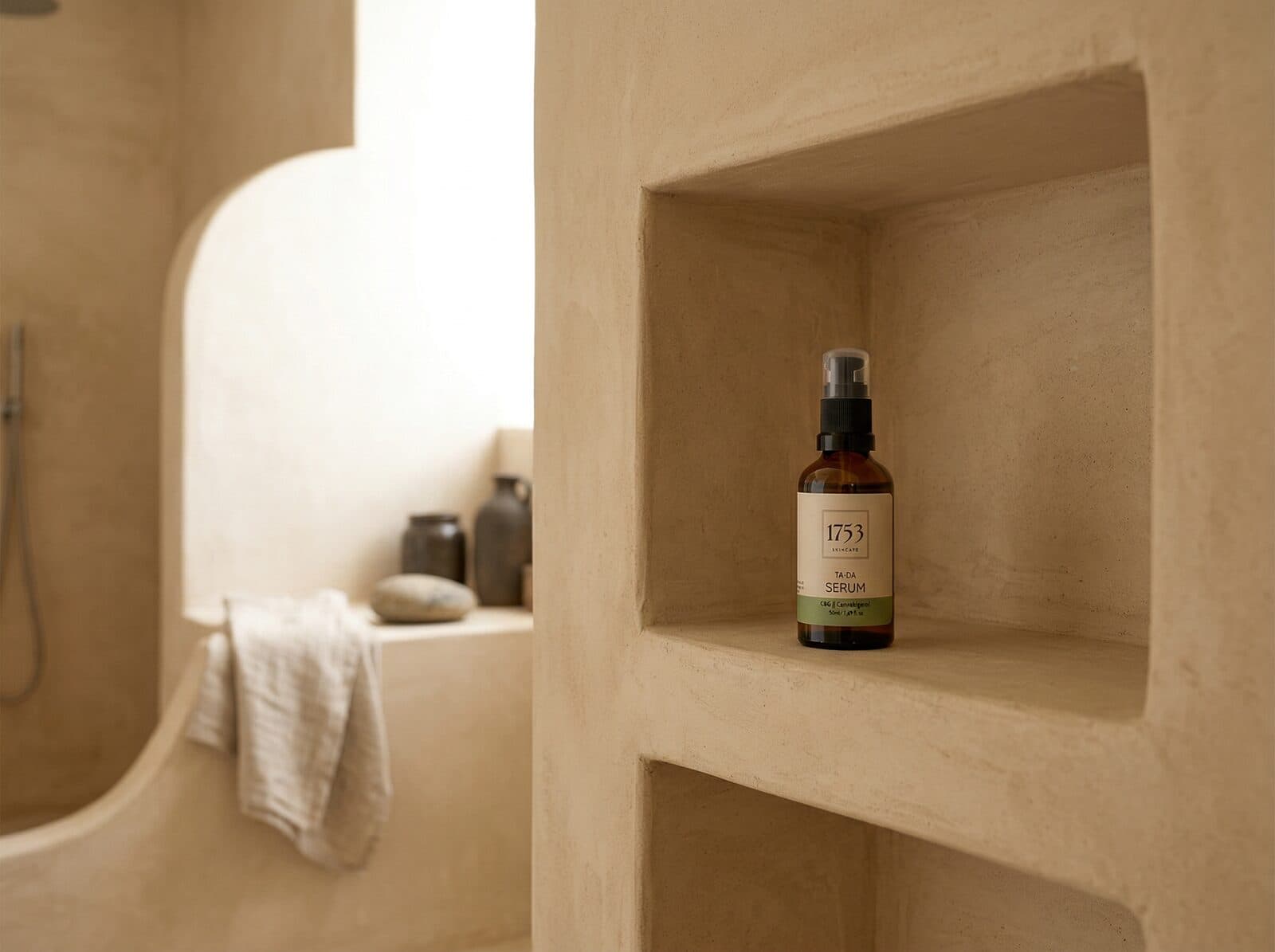
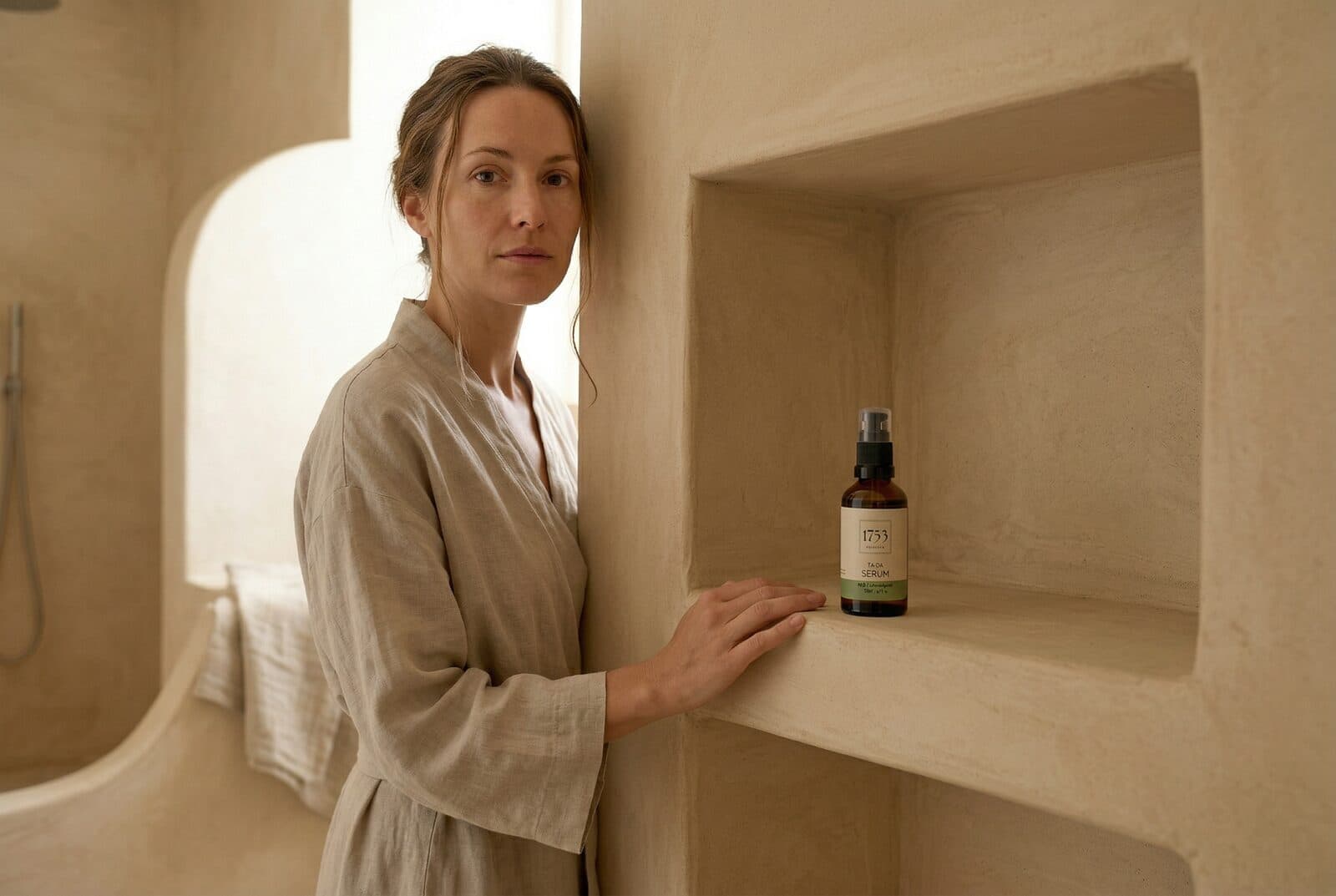
TA-DA Serum
A CBG-powered serum that seals in moisture and adds glow, whatever the season.
Frequently asked questions
How often should I moisturise my hands?
Ideally after every wash, and whenever they start to feel tight. Small amounts used often tend to work better than occasional heavy application.
Is hand sanitiser always bad for skin?
No, but frequent use dries and stresses the barrier. If you sanitise a lot, gentle cleansing and regular moisturising become even more important.
Can I use face oil on my hands?
Yes, if the formula is gentle and not overloaded. The ONE is made to be skin-friendly even on thin, sensitive areas like the backs of the hands.
What matters more for dry hands: oil or water?
Both matter, but the first step is reducing barrier damage. Then a small amount of oil helps trap moisture and make skin more resilient.
Sources
- Proksch E, Brandner JM, Jensen JM. The skin: an indispensable barrier. Exp Dermatol 2008;17(12):1063–1072.
- Lin TK, Zhong L, Santiago JL. Anti-Inflammatory and Skin Barrier Repair Effects of Topical Application of Some Plant Oils. Int J Mol Sci 2017;19(1):70.
Article reviewed by Christopher Genberg, founder of 1753 SKINCARE.
Related articles
Foot Care
Foot care dry heels - less friction, more relief
Dry heels usually do not need harsher treatment. They need less friction, less dehydration and a rou...
Neck Care
Neck cream wrinkles – stop treating the neck like an afterthought
The neck is not just “more face.” It has thinner skin, fewer sebaceous glands and constant exposure ...
Eyelid Skin
eyelid skin care – when thin skin calls the shots
Your eyelids are not “just sensitive.” The skin there is about 0.3 mm thin, has few sebaceous glands...
Skin Barrier
Restore Skin Barrier – stop stripping, start rebuilding
A damaged barrier is rarely a mystery. More often, the stratum corneum has lost its mortar-model bal...
Skin Condition
Keratosis pilaris – why skin turns bumpy
Tiny bumps on the upper arms, thighs, or buttocks are not proof that your skin is failing. Keratosis...
Skin Streaming
Minimalist 5 step routine – why less can do more
Skincare has become too much of everything: too many steps, too much exfoliation, too much cleansing...