
Eyelid Skin
eyelid skin care – when thin skin calls the shots
Your eyelids are not “just sensitive.” The skin there is about 0.3 mm thin, has few sebaceous glands, and sits in constant motion with tears, rubbing and products drifting in from the rest of the face. That is why eyelid skin care has to be simpler than most routines.

Why do eyelids react so fast?
Eyelid skin is among the thinnest on the body, which means the barrier is easier to overwhelm. Add constant blinking, delicate circulation and close proximity to the eye, and you get a zone where fragrance, strong acids and “active” skincare can backfire quickly.
Contact dermatitis on the eyelids is common because this area is a tiny spill zone: what you apply on your cheeks, hairline or hands can end up there anyway. Inflammation at the lash line, or blepharitis, is also often made worse by over-cleansing and irritating residue.
Mainstream skincare loves more steps, stronger actives and extra exfoliation. Eyelids need the opposite. Less friction, fewer ingredients and a routine that respects a barrier that is thin, fragile and easy to annoy.
What should you do instead?
Remove the irritants
Switch to fragrance-free products and keep strong actives away from the eye area. If something stings right away, that is not “purging”; it is your skin objecting.
Clean gently
Use mild cleansing and lukewarm water. Rubbing thin skin is a bad trade, even if the product marketeers call it thorough.
Watch your hands
Nail polish, hair products and soap residue often trigger eyelid contact dermatitis. Wash your hands, then make sure they are truly clean before touching your eyes.
Give skin a break
Pause waterproof mascara, heavy eye makeup and aggressive cleansing when the area feels reactive. Fewer layers mean fewer things can migrate into the skin.
Track the pattern
If the problem keeps returning, note what you used before the flare. That is usually more useful than adding another product and hoping for the best.

How do you fix it without overdoing it?
For eyelid skin care, the answer is less disruption, not more treatment. Mild cleansing is enough to remove sweat, pollen and makeup without scraping at thin skin. Au Naturel Makeup Remover fits that logic well: MCT oil, no unnecessary noise, and a little goes a long way.
When the area feels dry or reactive, a few drops beat a full layer of cream. The ONE, with CBD and MCT, is a sensible way to support skin without flooding it with extras. On sensitive body parts, minimalism is not a trend; it is common sense.
Long term, focus on friction, cleansing and exposure. Keep strong acids, retinoids and fragranced products away from the eyelids. This is not fear-based skincare. It is realistic care for a place where the skin is thin, the circulation is delicate and tolerance is low.
Products we recommend
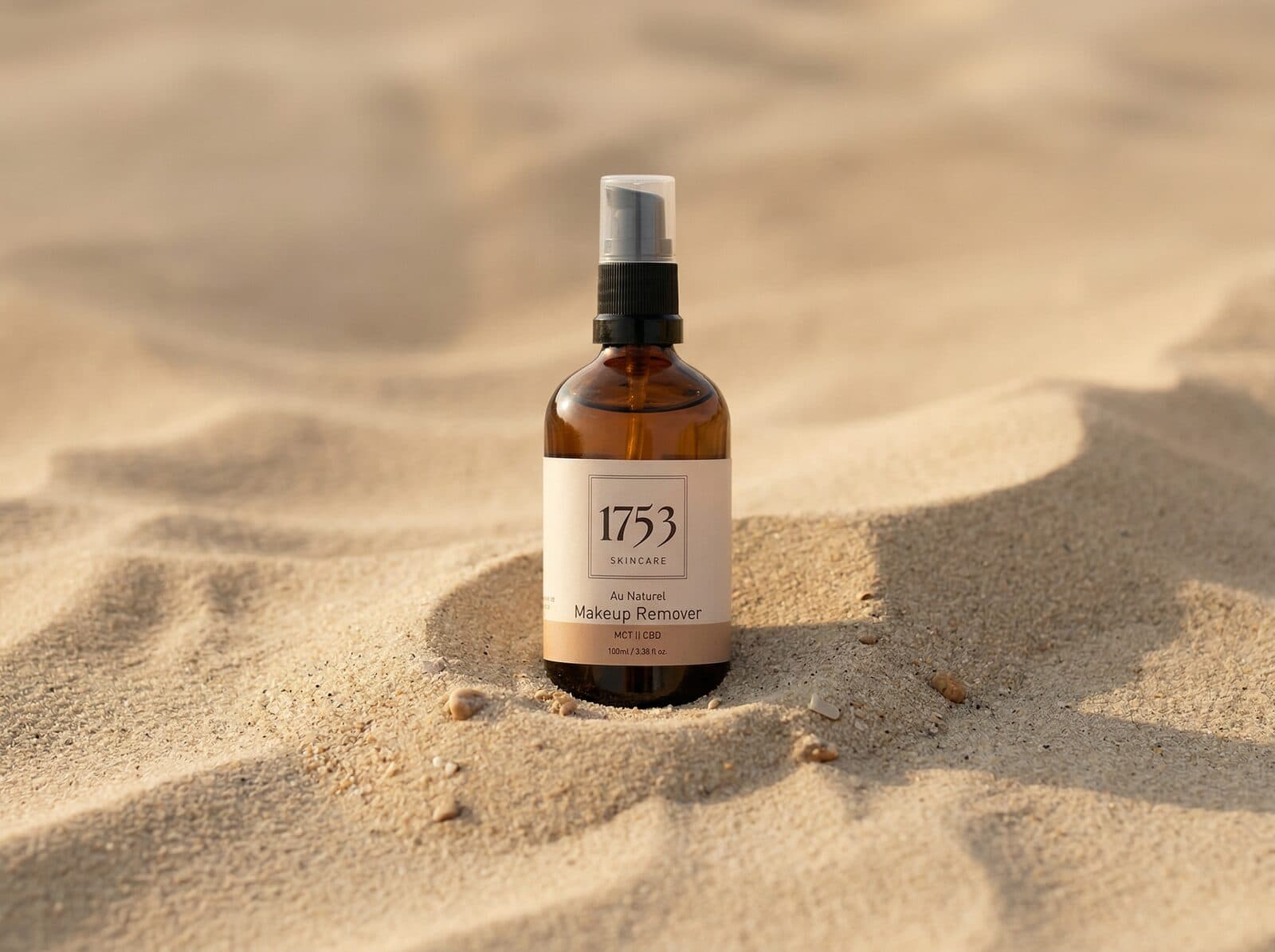
Au Naturel Makeup Remover
A cleansing oil with MCT and CBD that removes makeup and buildup without stripping your skin bare.
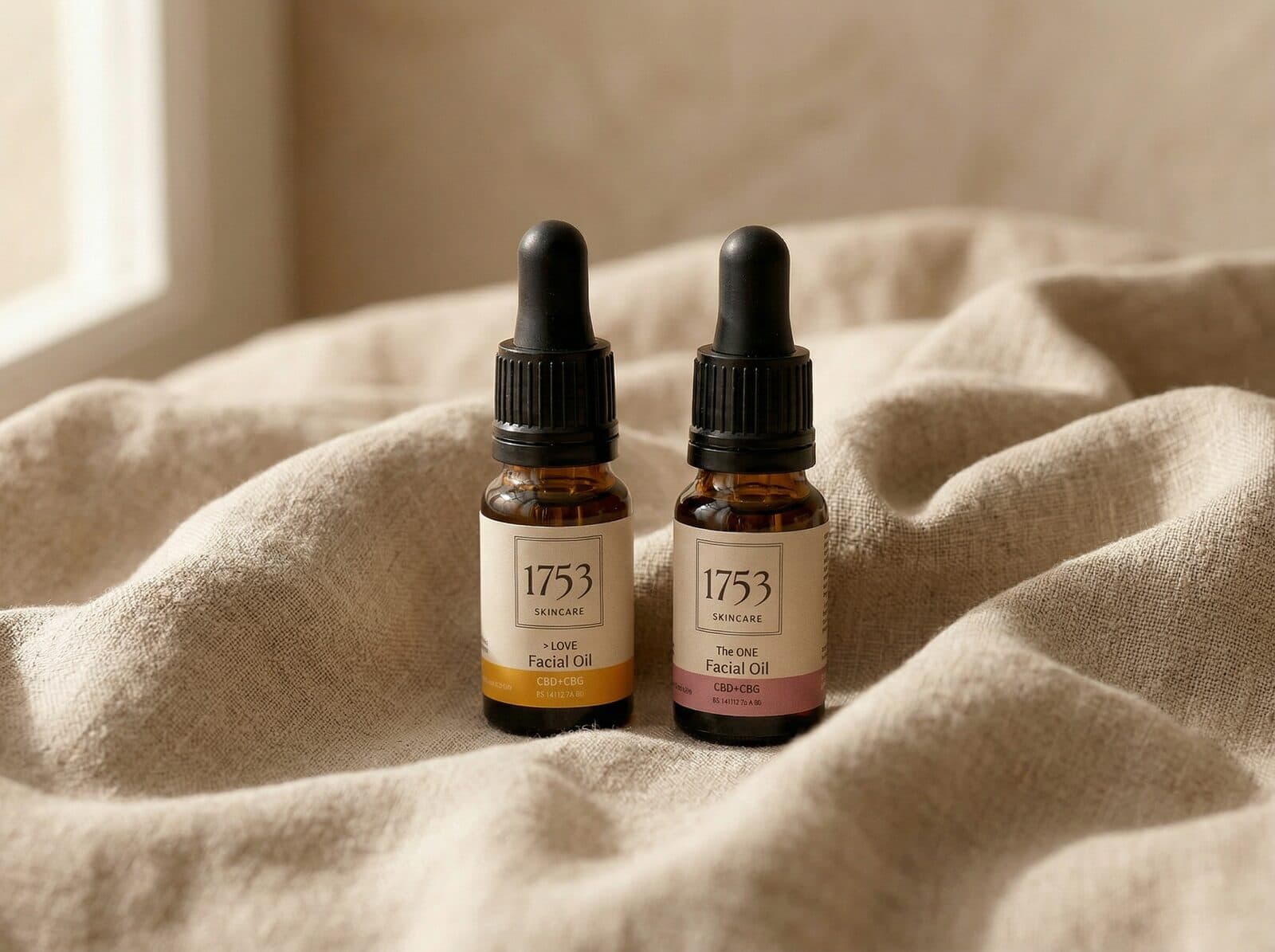
 Save €34
DUO kit
Two face oils, one for morning and one for evening. Simple skincare that works with your skin, not against it.
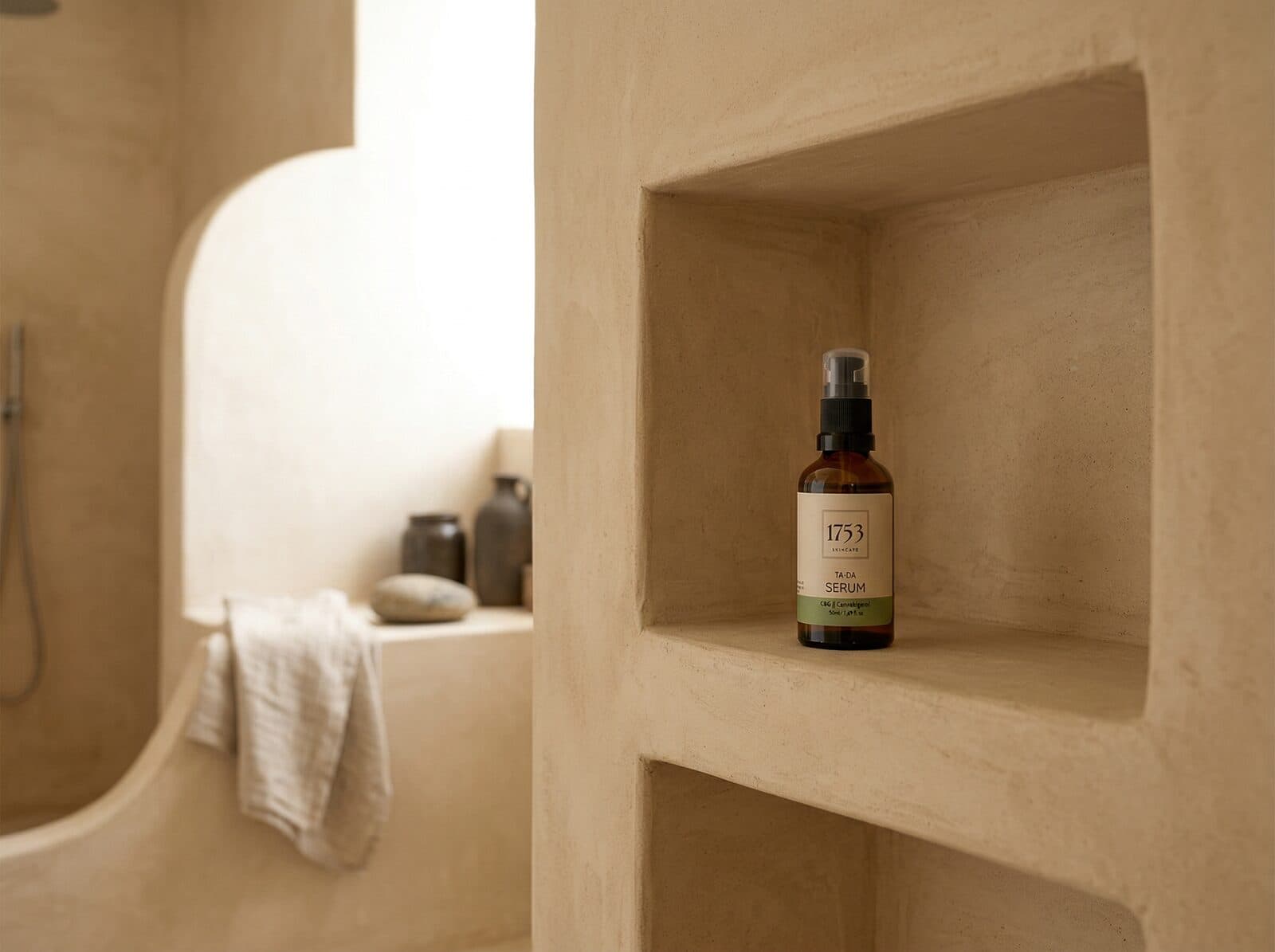
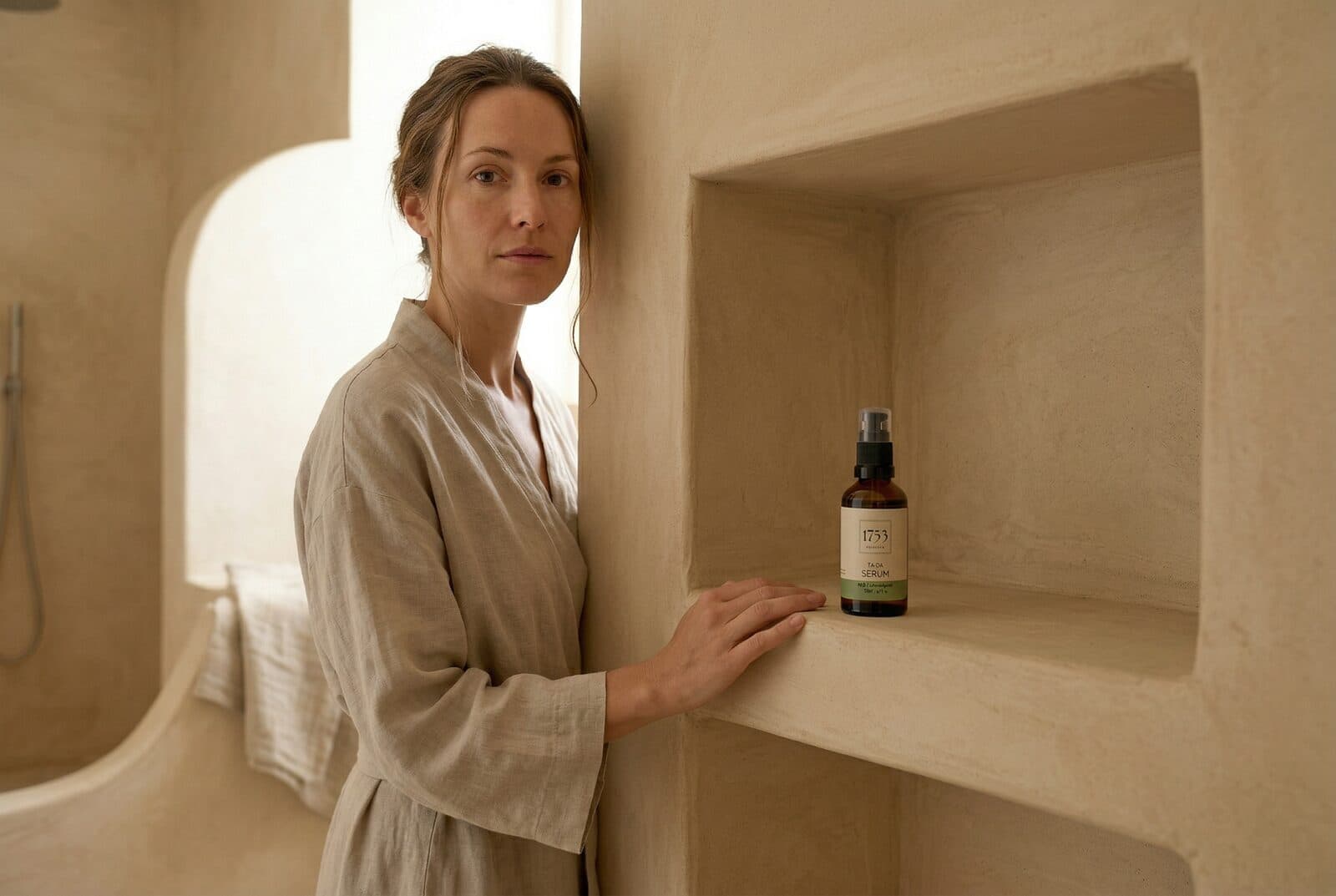
TA-DA Serum
A CBG-powered serum that seals in moisture and adds glow, whatever the season.
Frequently asked questions
What should never go on eyelid skin?
Avoid strong acids, retinoids, fragrance and essential oils. Eyelid skin is thin enough that these can trigger contact dermatitis or persistent irritation.
Can blepharitis and contact dermatitis look alike?
Yes. Both can cause redness, itching and flaking around the eyes. Blepharitis usually sits at the lash line, while contact dermatitis often follows a specific product or exposure.
Is it okay to use facial oil near the eyes?
Yes, if it is simple and gentle and you use very little. The ONE is a reasonable option for sensitive areas when you want to avoid unnecessary additives.
How do you cleanse sensitive eyelid skin?
With mild cleansing, lukewarm water and no rubbing. Au Naturel Makeup Remover is a good fit when you want to dissolve makeup gently instead of scrubbing it off.
Sources
- Proksch E, Brandner JM, Jensen JM. The skin: an indispensable barrier. Exp Dermatol 2008;17(12):1063–1072.
- Lin TK, Zhong L, Santiago JL. Anti-Inflammatory and Skin Barrier Repair Effects of Topical Application of Some Plant Oils. Int J Mol Sci 2017;19(1):70.
Article reviewed by Christopher Genberg, founder of 1753 SKINCARE.
Related articles
Hand Care
Natural hand care – for skin that never gets a break
Your hands show everything: washing, sanitiser, wind, and UV. The skin is thin, often lower in oil g...
Foot Care
Foot care dry heels - less friction, more relief
Dry heels usually do not need harsher treatment. They need less friction, less dehydration and a rou...
Neck Care
Neck cream wrinkles – stop treating the neck like an afterthought
The neck is not just “more face.” It has thinner skin, fewer sebaceous glands and constant exposure ...
Skin Barrier
Restore Skin Barrier – stop stripping, start rebuilding
A damaged barrier is rarely a mystery. More often, the stratum corneum has lost its mortar-model bal...
Skin Condition
Keratosis pilaris – why skin turns bumpy
Tiny bumps on the upper arms, thighs, or buttocks are not proof that your skin is failing. Keratosis...
Skin Streaming
Minimalist 5 step routine – why less can do more
Skincare has become too much of everything: too many steps, too much exfoliation, too much cleansing...